

20th Century Print
A 20th century print captures the artistic shifts of a varied era through paper, ink, and traditional plate work.
20th Century Print
When exploring a 20th century print, buyers encounter a diverse selection ranging from early decades through to mid-century modern works. The category encompasses wall art, framed prints, and illustrations produced across the decades.
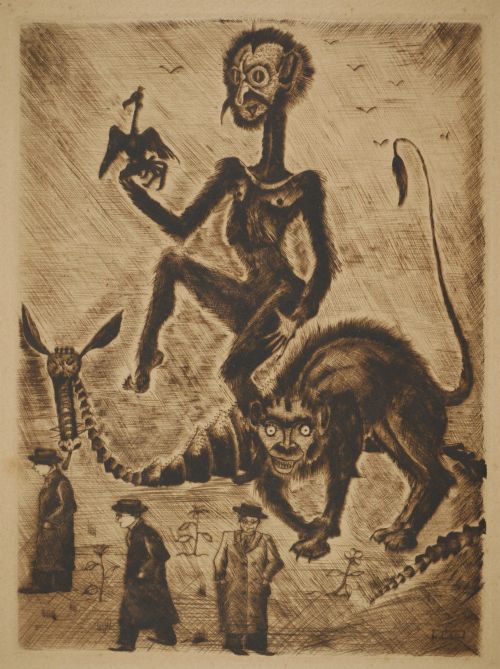
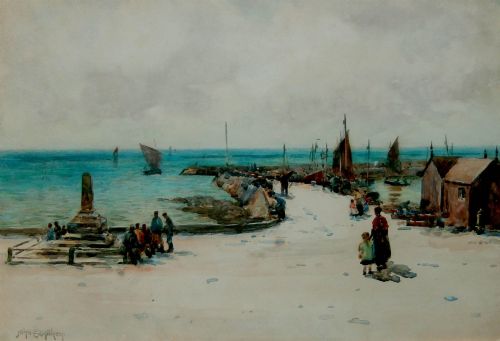
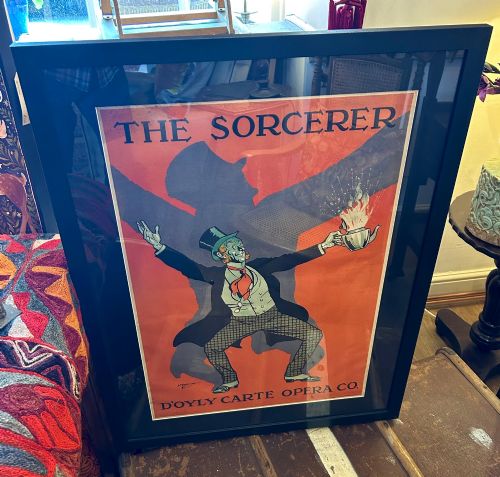
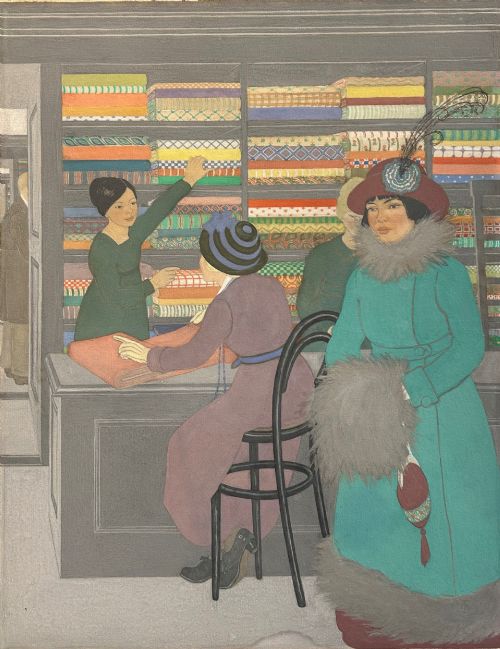
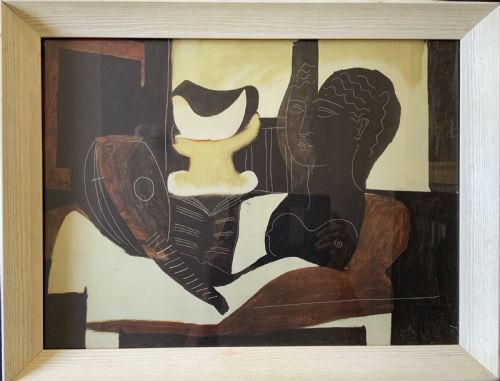
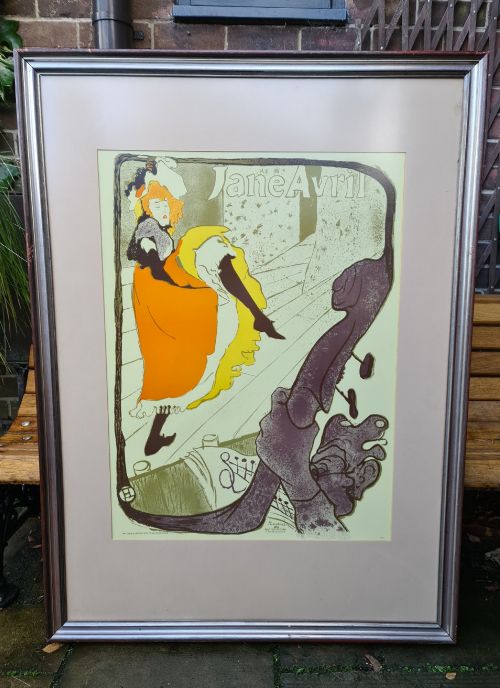
The items found here span Edwardian, Art Deco, and surrealist styles, reflecting the changing aesthetic priorities of the period. Paper, card, and glass frequently support these graphic works and paintings.
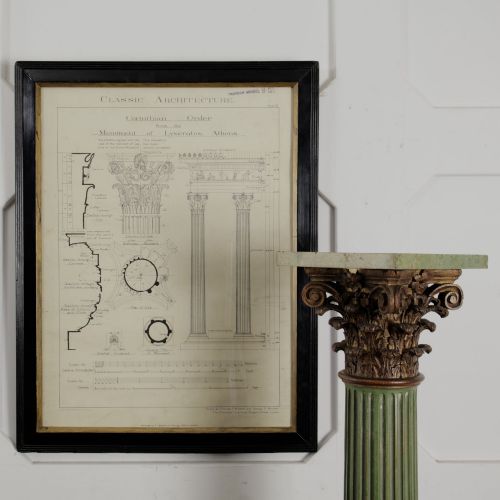
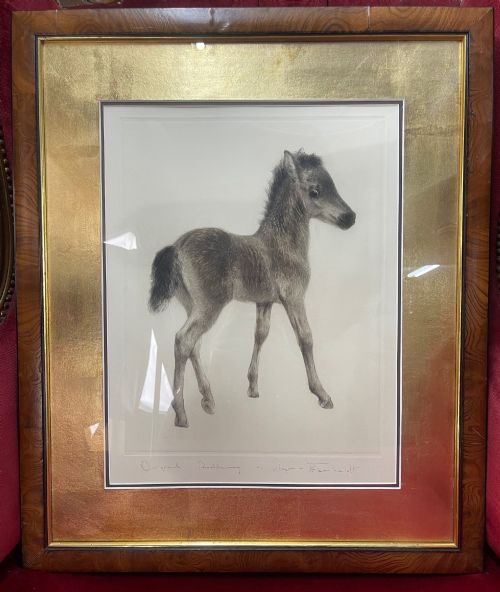
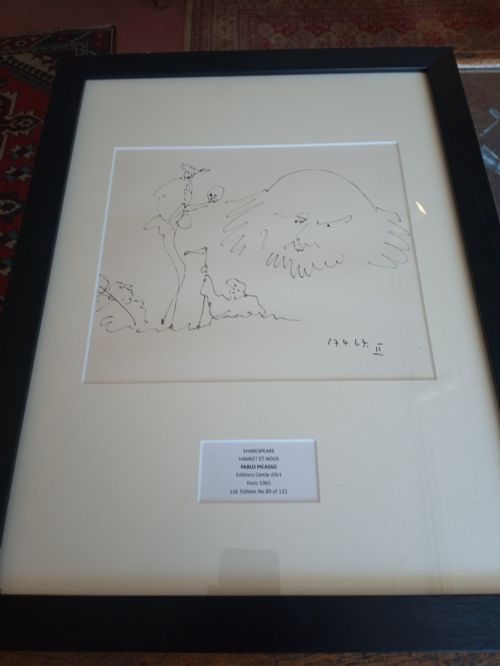
Many examples are framed in wood, preserving works by notable figures alongside anonymous commercial pieces. The selection bridges fine art etching, poster design, and illustrated book plates.
How they were made
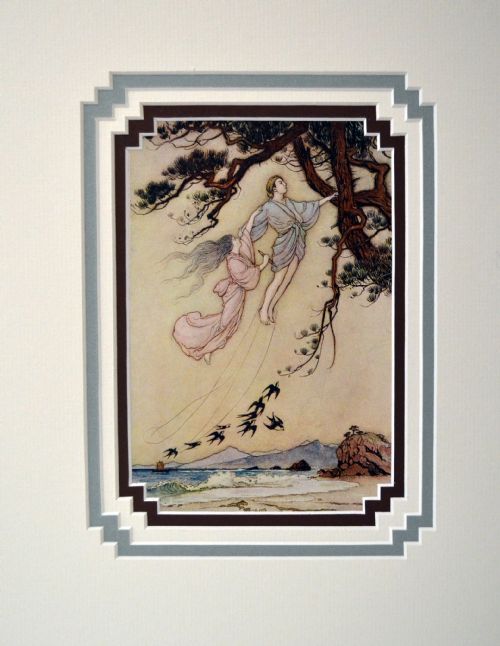
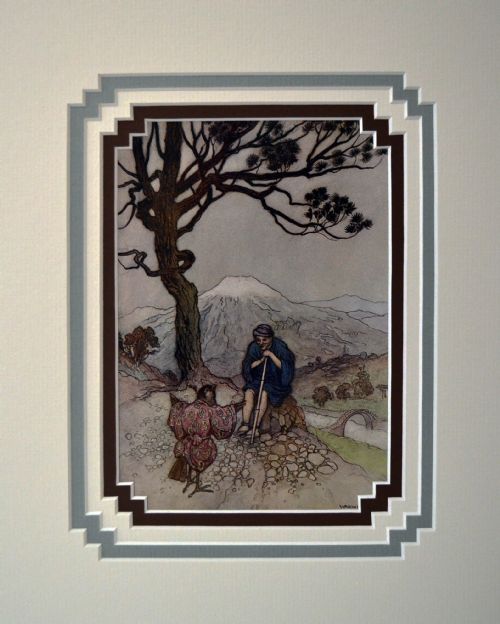
Production techniques rely heavily on ink applied to paper or card, utilising woodcut, drypoint etching, and lithography methods. Artisans also employed collotype printing and woodblock processes to achieve distinct tonal ranges.
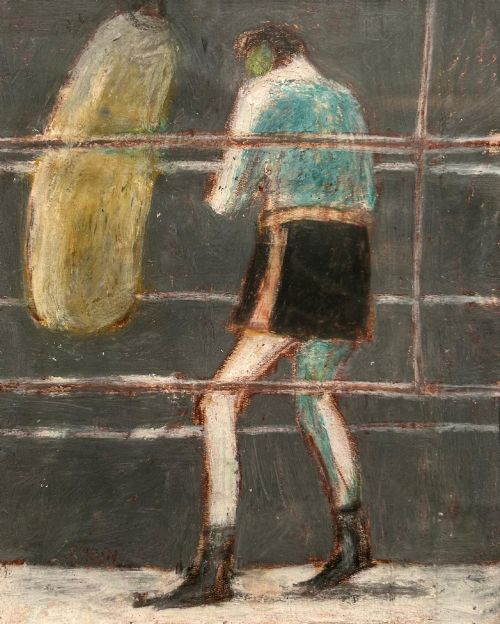
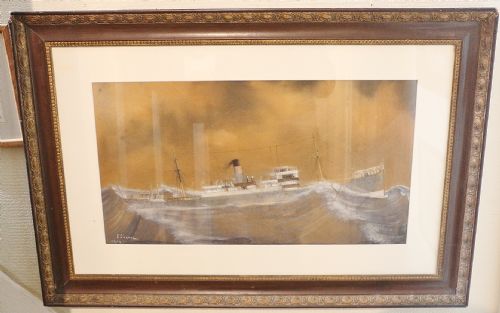
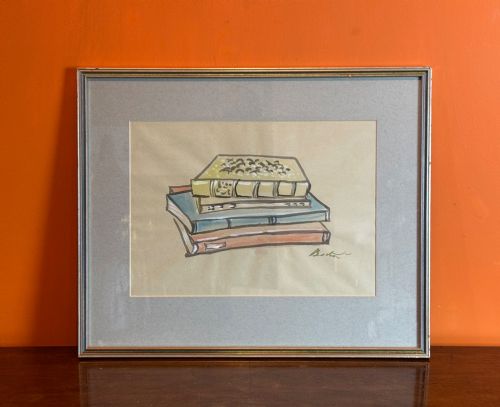
Complementary materials include watercolour, oil paint, and gold leaf applied by hand to enhance specific printed or drawn compositions. Wood frames and glass protection complete the physical structure of these surviving works.
Listings feature paper, ink, wood, and glass across periods from 1900 to beyond 1960.
What varies in quality
The distinction between tiers rests upon the clarity of the impression and the precision of the plate work or carving. Limited editions signed by the artist naturally command greater attention than open commercial runs.
Materials also dictate standard, with archival papers and original frames preserving the integrity of the piece better than later replacements. The direct involvement of a recognised printmaker elevates a work above standard decorative output.
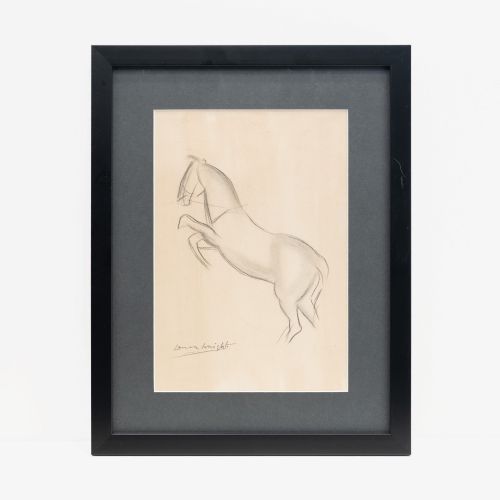
Kurt Lorein Victor Peiser·Kurt Meyer-Eberhardt·Dame Laura Knight·John Rattenbury Skeaping·Sir Muirhead Bone
The 20th Century Print Glossary
- Drypoint
- A printmaking process where an image is scratched directly into a metal plate with a hard needle. This technique creates a characteristic velvety burr along the lines when inked.
- Lithography
- A planographic printing method based on the mutual antipathy of oil and water. The image is drawn on limestone or a metal plate and transferred to paper.
- Collotype
- A photomechanical collodion process that produces continuous tone photographic reproductions without a halftone screen. It yields exceptional detail and depth.
- Woodcut
- A relief printing technique where an artist carves an image into the side of a block of wood. The raised areas are inked and pressed onto paper.
- Etching
- A method where acid bites lines into a metal plate protected by a ground. The resulting recessed channels hold the ink for the press.
20th Century Print: Frequently Asked Questions
How do I care for my print?
Keep framed works away from direct sunlight to prevent fading on the paper and ink. Maintain stable indoor humidity levels to protect both the wooden frames and the antique paper.
Ensure that the glass does not press directly against the surface of the artwork. Professional framing with acid-free backing boards will preserve the piece for decades.
Are these works original?
The selection includes original hand-pulled etchings, woodcuts, and lithographs created directly by the artists or workshops. Each listing details the specific medium used to produce the item.
Signed pieces and limited editions carry direct attribution to the printmaker or publisher. Review individual descriptions to distinguish between primary artist proofs and vintage illustrative plates.
How do I identify the period?
Stylistic markers such as Edwardian ornamentation, Art Deco geometry, or mid-century abstraction point toward specific decades. Paper ageing, printing techniques, and framing materials also offer clues to the date of production.
Signatures, publisher stamps, and gallery labels on the reverse often provide verifiable historical context. Comparing the subject matter to known artistic movements helps narrow down the timeline.
Can I hang these in bright rooms?
Paper and watercolour elements remain sensitive to ultraviolet light and can degrade over time when exposed. Using museum-grade UV-filtering glass helps mitigate light damage in sunlit spaces.
Positioning artwork on interior walls away from direct windows is the safest approach for delicate paper pieces. Rotating displays can also limit cumulative exposure to harsh light.