





Antique Paper Print Decor
Antique paper print decor brings historical illustration, advertising, and map work onto the wall in frames of wood and glass.
Antique Paper Print Decor
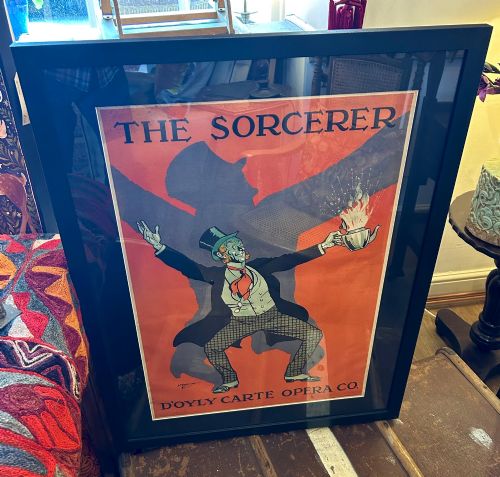
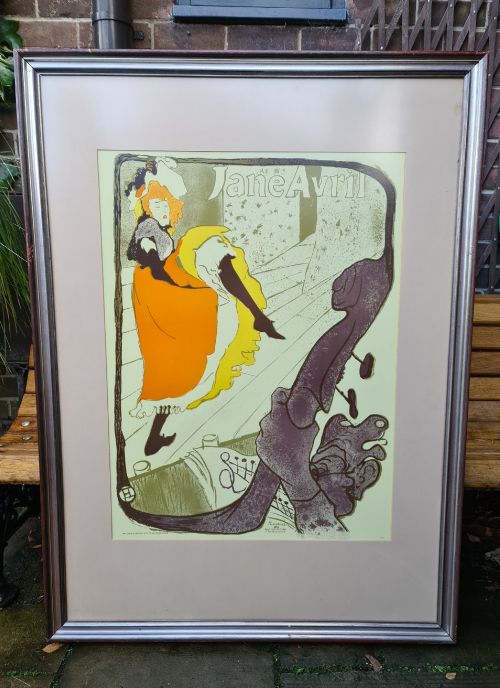
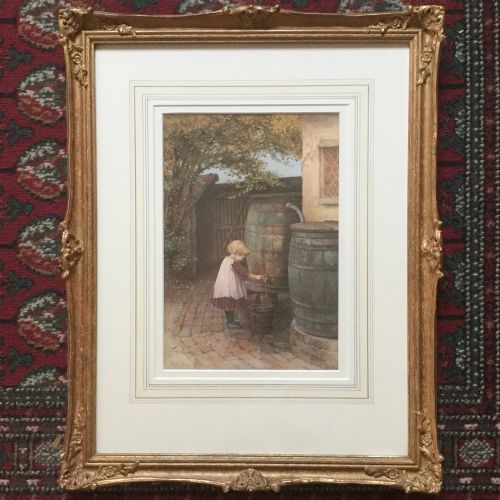
When searching for antique paper print decor, collectors examine framed works spanning from the seventeenth century through to the mid-twentieth century. The selection encompasses framed engravings, lithographs, watercolours, maps, posters, and botanical or anatomical plates.
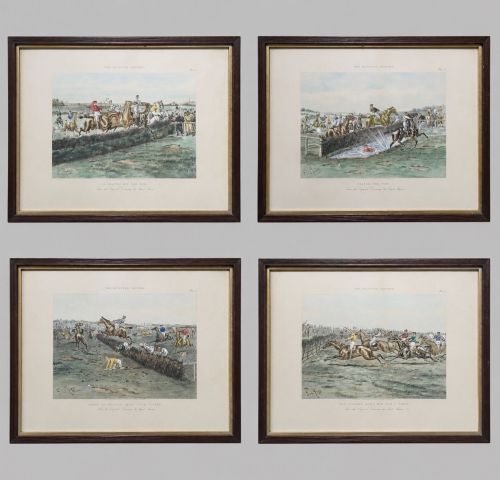
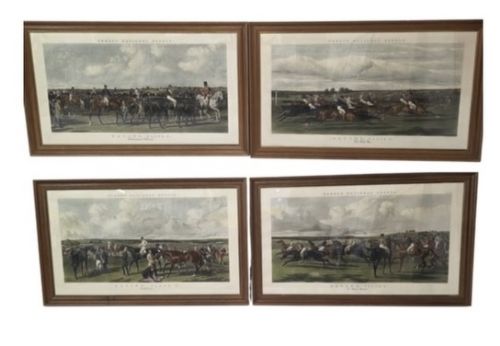
Most pieces date from the nineteenth and eighteenth centuries, reflecting Victorian, Georgian, and earlier periods of printmaking and publishing. Forms range from single sheet engravings and hand-tinted prints to sets of botanical specimens, horse racing scenes, and large film or advertising posters.
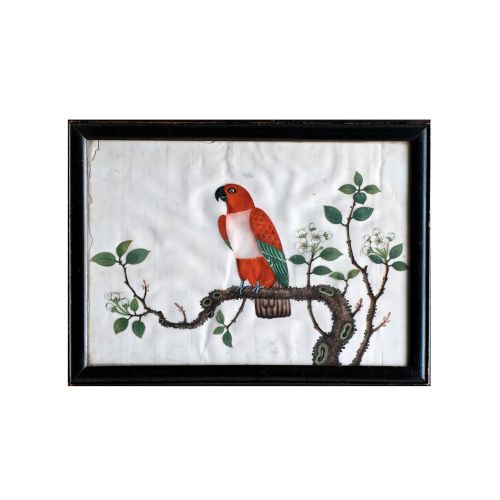
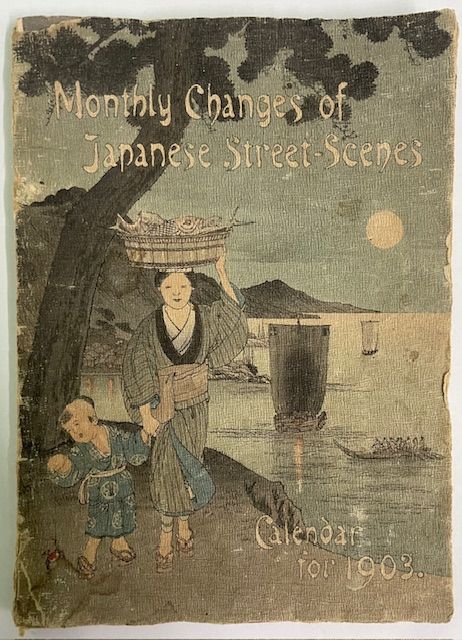
Origins vary widely, covering English, French, Japanese, and Chinese export pieces, often mounted in wood frames under glass. Buyers find everything from small miniature globes and calendar pages to expansive wall art panels.
Materials and technique
These works rely fundamentally on paper stocks, ranging from standard rag paper to delicate pith paper and Japanese crepe paper. Printers and artists applied ink, watercolours, and occasionally gold leaf to achieve their imagery.
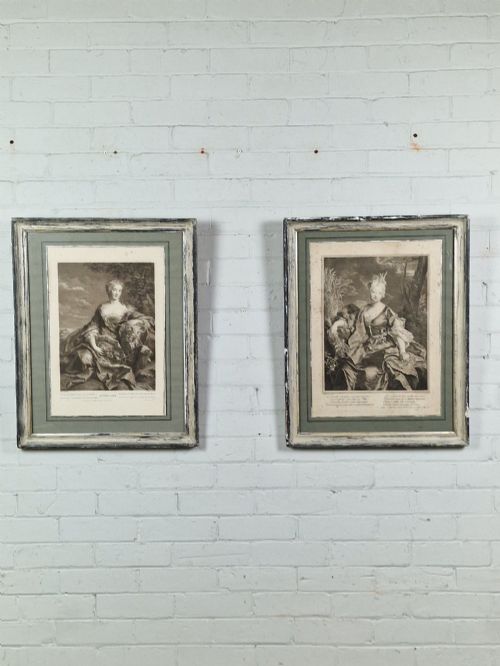
Techniques span traditional engraving, etching, woodblock printing, lithography, and stipple engraving, sometimes finished with hand tinting. Wood and metal components appear in the surrounding frames, maps, and instruments.
Antique Paper Print Decor Retail Price Guide 2026
Typical asking prices for paper print decor among the pieces listed under this phrase on Sellingantiques today, from the lower quarter to the upper quarter. They describe what is for sale here now, not the wider market.
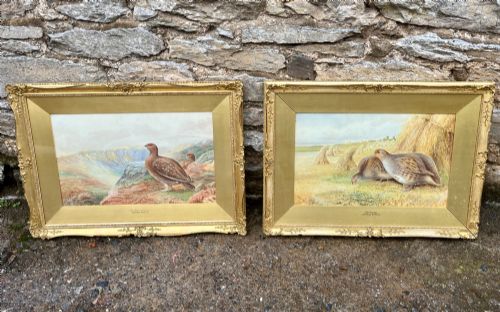
The inventory includes natural history subjects such as botanical specimens, anatomical charts, and game birds alongside historical horse racing scenes.
Distinctions in quality
Quality rests upon the crispness of the original impression and the precision of any hand-applied watercolour tinting. Early strikes from plates show sharp detail that later reprints lose.
The integrity of the paper sheet itself, along with the historical significance of the maker or cartographer, separates standard decorative prints from exceptional collector pieces.
T. Hasegawa Tokyo·Alfred Young Nutt·Marcellin Auzolle·George Rankin·Charles Edward Wilson·Jonathan Couch·Antonio Capellan·William Hole·Rob't Morden·W & A K Johnston·John Curtis·Charles Paillasson·Jan Wandelaar·William Bunbury·Eleazor Albin·Audebert·Snaffles
The Antique Paper Print Decor Glossary
- Engraving
- A printmaking technique where an artist cuts an image into a metal plate with a sharp tool to hold ink. The inked plate transfers the design under pressure onto paper.
- Lithography
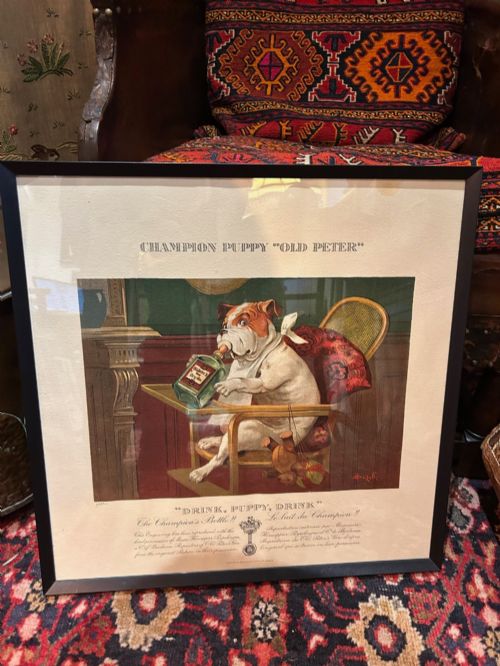
- A planographic printing process based on the repulsion of oil and water on a limestone or metal surface. It allows for smooth tonal gradations and colour printing.
- Pith paper
- A delicate material formed from the pith of the Tetrapanax papyrifer plant, commonly used in nineteenth-century Chinese export watercolours. It possesses a velvety texture that absorbs watercolour exceptionally well.
- Aquatint
- A variant of etching that produces tonal areas resembling watercolour washes. It achieves this by using acid-resistant resin powdered onto the plate before biting.
- Ephemera
- Printed documents designed for short-term use, such as calendars, posters, and theatre programs. Surviving examples offer insight into daily life of past eras.
Antique Paper Print Decor: Frequently Asked Questions
How should I frame antique paper?
Protect the piece behind glass that blocks ultraviolet light to prevent fading of inks and watercolours. Use acid-free mounting materials so the paper does not discolour over time.
Keep framed paper away from direct sunlight and damp environments to preserve the paper fibres and any delicate hand-tinting.
Are these prints original to their date?
Check the listings for specific publication dates and printing methods such as hand engraving or early lithography. Original plates from the eighteenth and nineteenth centuries show the distinct impression of the plate mark on the paper.
Look closely at the paper stock and ink texture, which differ significantly in period impressions compared to modern photographic reproductions.
What is pith paper?
Pith paper is a fragile, spongy material made from plant pith in nineteenth-century China. Artists painted detailed scenes of wildlife and figures directly onto this delicate surface.
Because the material is easily damaged, these paintings require careful handling and secure framing behind glass.
How do I identify a map's age?
Examine the paper quality, printing technique, and cartographic details referenced in the title or margin. Many antique maps derive from historical atlases or specific editions like Camden's Britannia.
Look for plate marks, publisher credits, and period typography that confirm the era of production rather than a later facsimile.