


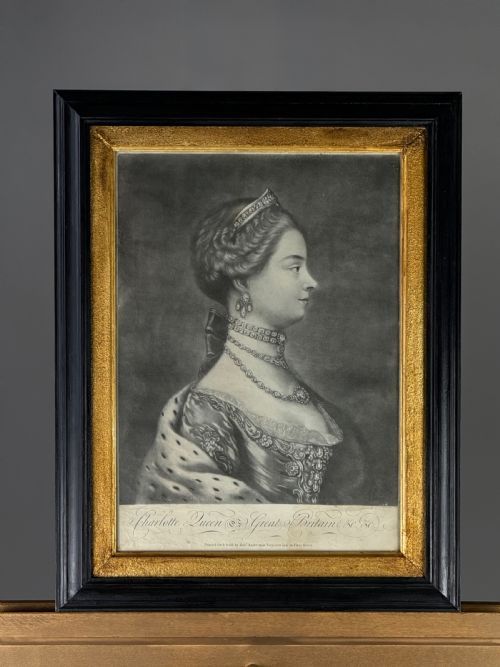
Paper Portrait Prints
Paper portrait prints capture likenesses on delicate sheets through intaglio, relief and planographic techniques spanning multiple centuries.
Paper Portrait Prints
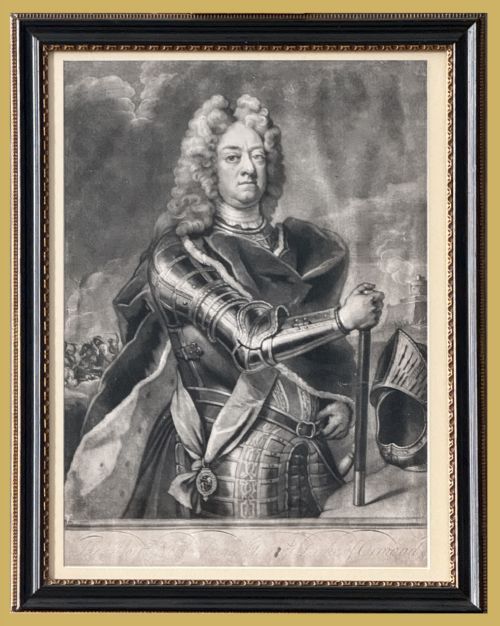
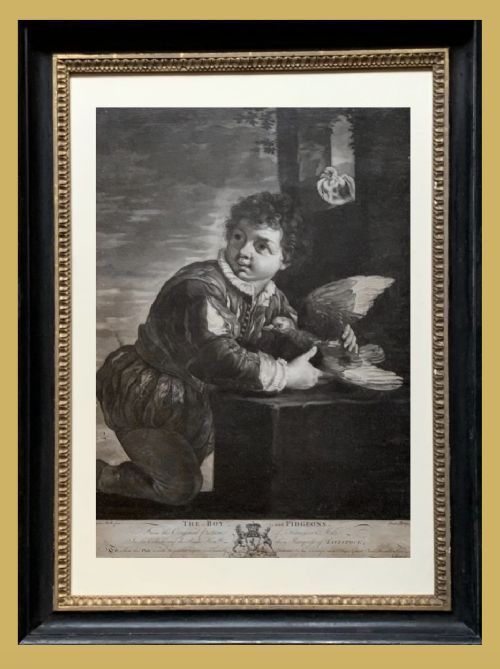
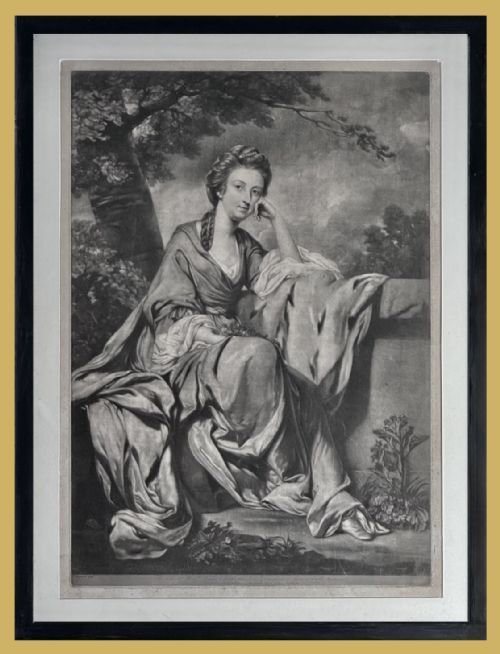
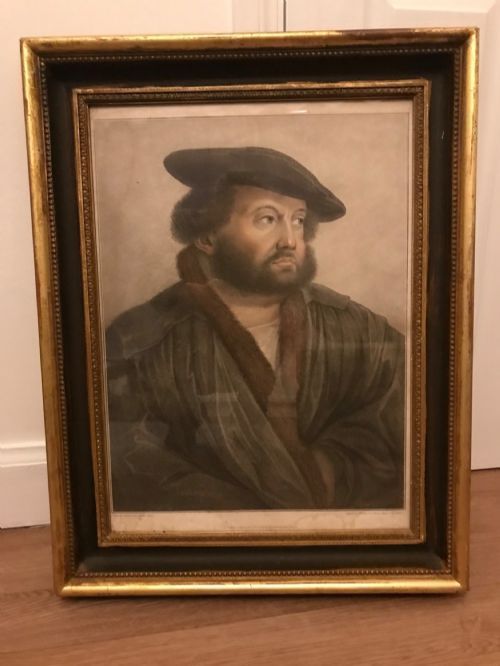
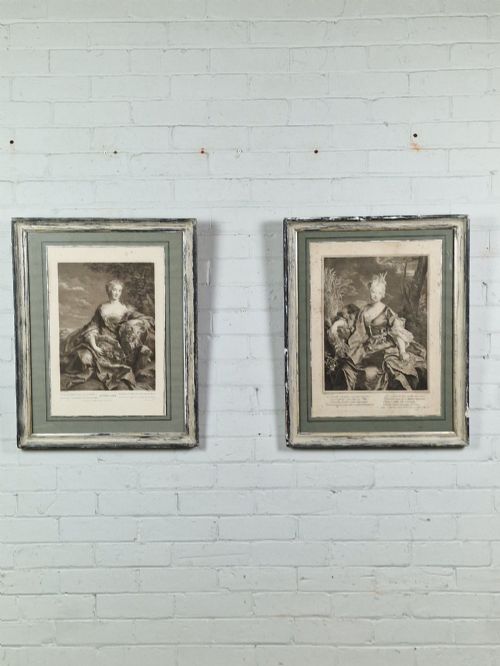
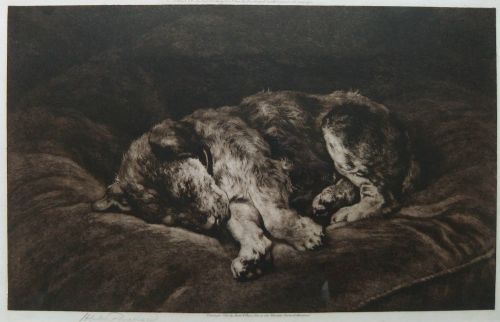
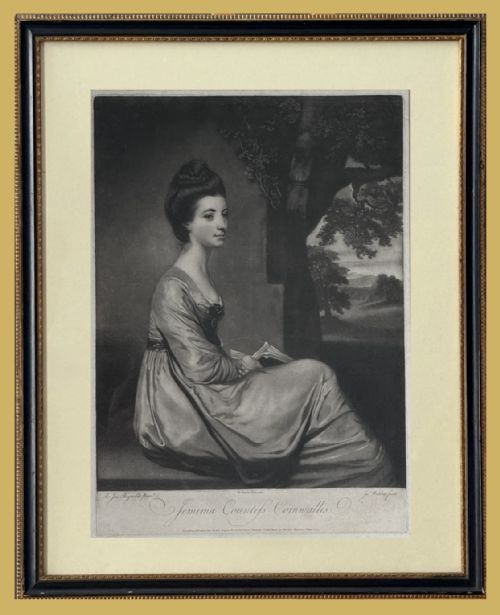
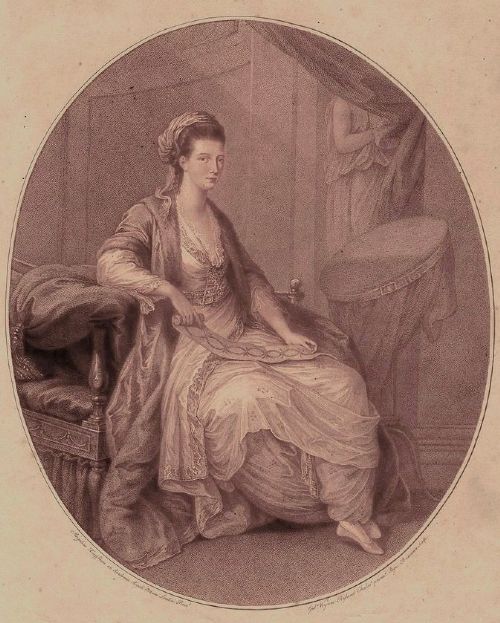
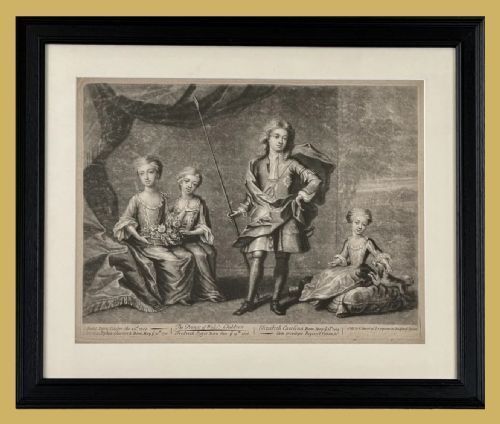
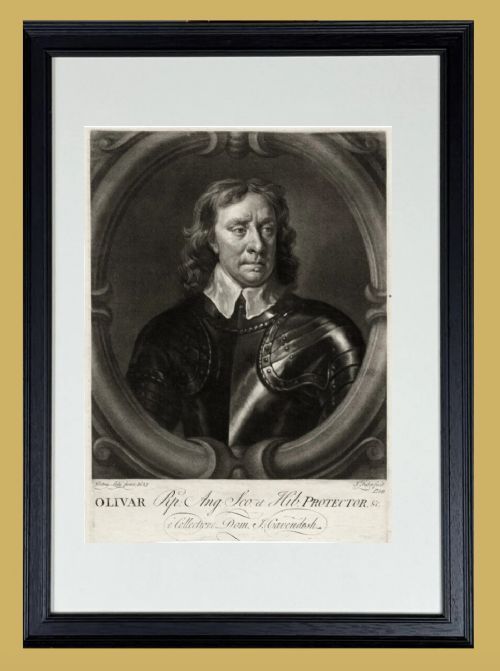
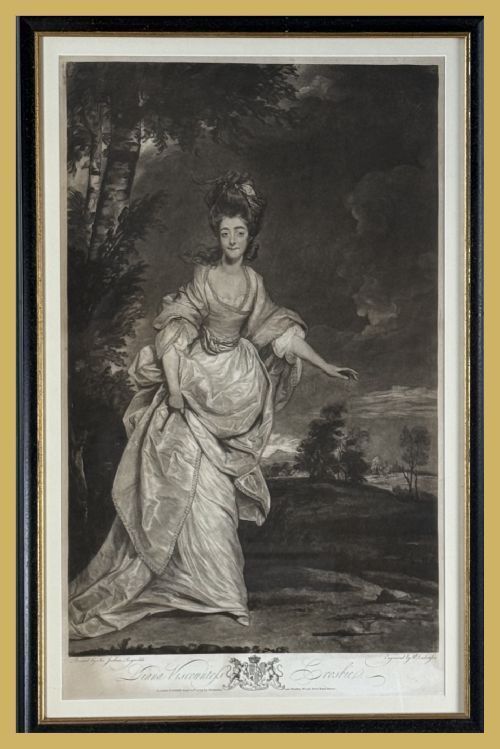
Paper portrait prints encompass historical depictions produced across the seventeenth, eighteenth, nineteenth and twentieth centuries, recorded on paper supports through various graphic media. These works range from finely worked mezzotints and stipple engravings to etchings, lithographs and woodblock prints framed for display.
Collectors searching for paper portrait prints frequently encounter eighteenth-century mezzotints after prominent painters alongside nineteenth-century engravings and later twentieth-century etchings or lithographs. Such pieces typically arrive housed in period timber frames with glass protection.
The material forms vary from single framed sheets to pairs and sets depicting nobility, military figures, artists and literary subjects. Origins stretch across British, European and Japanese workshops, reflecting diverse regional printmaking traditions.
Evaluating Quality in Print Portraiture
Quality rests upon the clarity of the impression transferred from the plate, block or stone onto the paper. Early impressions retain crisp lines and subtle tonal gradations, whereas worn plates yield softer, flatter results.
The condition of the paper surface and the preservation of original framing elements influence the integrity of the piece. Intact margins, stable ink tones and period frames maintain the physical context of the print.
John Simon·John Boydell·Edward Fisher·Francesco Bartolozzi·John Smith·James Watson·W Dickinson·James McArdell·Thomas Watson·Robert Williams·Valentine Green·Richard Houston·Sydney Wilson
The Paper Portrait Prints Glossary
- Mezzotint
- A printmaking process where the copper plate is roughened uniformly to produce rich dark tones, with lighter areas scraped out. This technique allows for smooth tonal transitions particularly favoured in portraiture.
- Stipple Engraving
- A method of creating prints by dotting the copper plate rather than cutting continuous lines. It generates soft flesh tones and gentle contours.
- Etching
- A technique where acid bites lines into a metal plate covered with an acid-resistant ground. Ink rests in the etched grooves before transfer to paper under pressure.
- Lithography
- A planographic printing process based on the chemical repulsion of oil and water. An image drawn on limestone or a metal plate accepts ink and transfers onto the sheet.
- Artist Proof
- An impression taken during the printmaking process to check the state of the plate. These proofs are pulled before the main edition is printed.
Paper Portrait Prints: Frequently Asked Questions
How should paper portrait prints be displayed safely?
Keep prints away from direct sunlight to prevent the ink and paper from fading over time. Maintaining stable indoor humidity protects both the paper support and the timber frame.
Ensure framing materials are acid-free to avoid chemical degradation of the sheet. Professional mounting preserves the structural integrity of historical works.
What is the difference between an engraving and a mezzotint?
Engravings rely on incised lines cut directly into a metal plate to form the image. They offer sharp, precise outlines and structured shading.
Mezzotints start by roughening the entire plate to hold ink, creating deep shadows and velvety gradients. This method produces painterly, atmospheric portraits.
Are these prints originals or modern reproductions?
The pieces recorded here are period impressions pulled from the original plates, blocks or stones during their respective eras. Each technique carries physical markers inherent to historical printing methods.
Examining the paper texture, ink deposition and plate marks helps confirm the period of production. Age-related toning on the paper further indicates authenticity.
Why do some portrait prints feature two names?
Printmaking often involved a collaboration where one artist painted the original portrait and a printmaker engraved the image onto a plate. The inscription usually credits the painter alongside the engraver.
This distinction records both the creator of the composition and the craftsman who translated the likeness onto paper.