




Regency Child Prints
Regency child prints capture the innocence of youth through delicate engravings and ceramics from the turn of the nineteenth century.
Regency Child Prints
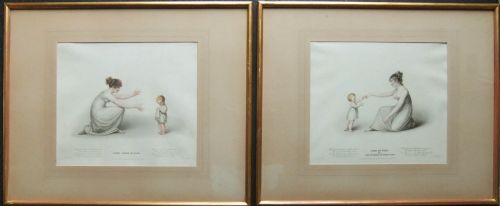
When you search for regency child prints, you find framed engravings and pearlware pottery depicting children in domestic and playful scenes. These works reflect the era's sentimentality towards childhood and family life.
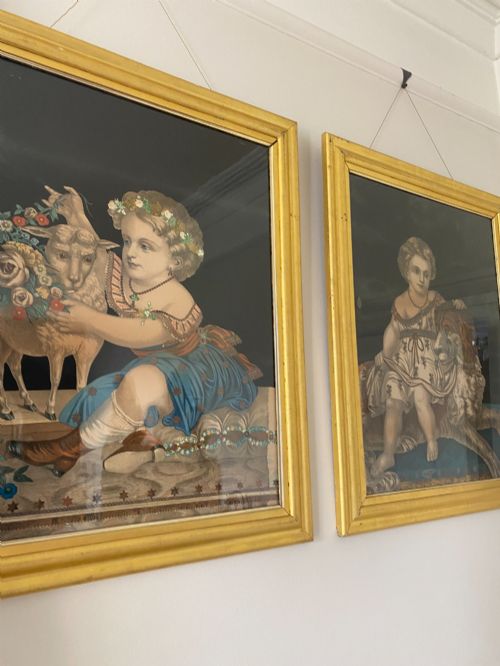
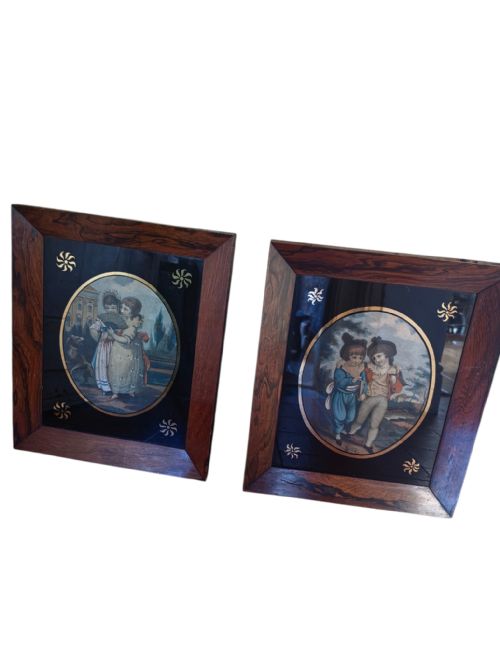
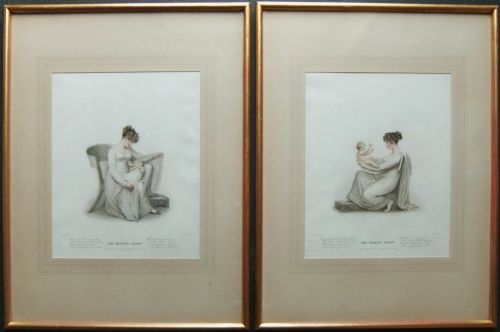
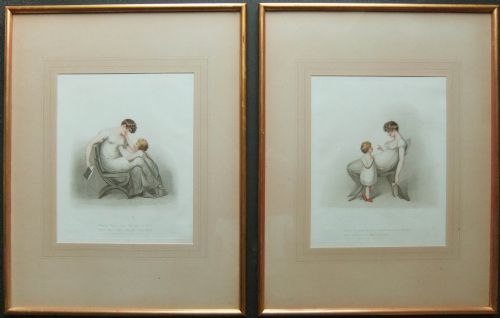
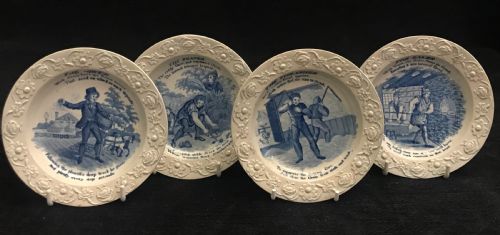
The most common examples on this page are framed prints and engravings, often paired together as matched sets like sleeping and waking children. You also encounter transfer printed pearlware toy tea sets and decorative plates featuring similar juvenile motifs.
Originating predominantly from the Georgian and Regency periods around 1800 to 1820, these pieces bear the distinct aesthetic of artists who specialised in youthful subjects.
How they were made
Engravings on paper form the visual core of these items, printed using fine metal plates and often finished with stipple techniques to create soft tonal gradients. These works sit behind glass within timber frames made of rosewood or gilt wood.
Ceramic pieces utilise pearlware and earthenware bodies decorated with black transfer printing. Some unusual items feature added metal embellishment directly onto the clothing depicted in the artwork.
Regency Child Prints Retail Price Guide 2026
Typical asking prices for regency child prints among the pieces listed under this phrase on Sellingantiques today, from the lower quarter to the upper quarter. They describe what is for sale here now, not the wider market.
Listings span the Regency and Georgian eras, encompassing materials from paper and glass to pearlware and gilt wood.
What varies in quality
Quality rests upon the crispness of the impression on paper and the preservation of the delicate lines within the engraving. Faded prints or heavy discolouration detract from the original draughtsmanship.
For ceramic wares, the clarity of the transfer print and the condition of the pearlware glaze determine the desirability of the piece. Matching sets in original frames carry greater visual harmony than separated examples.
Adam Buck·Sir Thomas Lawrence
The Regency Child Prints Glossary
- Pearlware
- A fine earthenware developed in the late eighteenth century with a slightly bluish glaze that pooled in recesses. It served as a popular canvas for child-themed transfer printing.
- Stipple engraving
- A method of printing using dots rather than continuous lines to build up form and shade. This technique created the gentle flesh tones seen in many Regency portraits.
- Transfer printing
- A process where a design was printed on tissue paper from an engraved copper plate and then transferred onto ceramic. It allowed intricate black scenes to be applied to toy tea sets and plates.
- Giltwood
- Timber carved and coated with gold leaf or a gold-coloured finish. These frames provided a rich border for domestic prints.
Regency Child Prints: Frequently Asked Questions
Who created regency child prints?
Many popular prints of this era were designed by artists such as Adam Buck and Sir Thomas Lawrence, whose works were widely engraved and published.
These artists focused on sentimental domestic scenes depicting children playing, sleeping, or learning to walk.
How should I frame these prints?
Original examples frequently appear in rosewood or gilt wood frames under glass. Preserving these historic housings helps maintain the period character of the artwork.
Avoid modern framing materials that might trap moisture against fragile nineteenth-century paper.
What ceramics feature children?
Potters decorated toy tea sets and small plates with black transfer prints showing juvenile subjects. These pearlware items were produced around 1800 for domestic display or gentle use.
They share the same artistic vocabulary as the framed paper engravings of the period.
Are these prints usually found in pairs?
Publishers frequently issued these works as matched pairs representing contrasting themes such as sleeping and waking or the first steps of childhood.
Finding them together in their original frames remains a particular feature of this collecting category.