





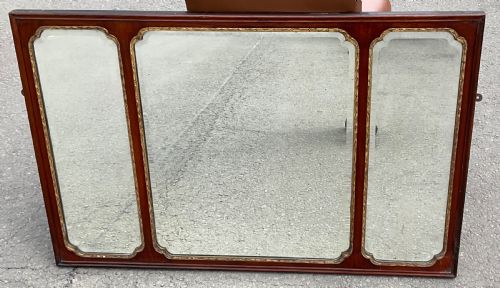


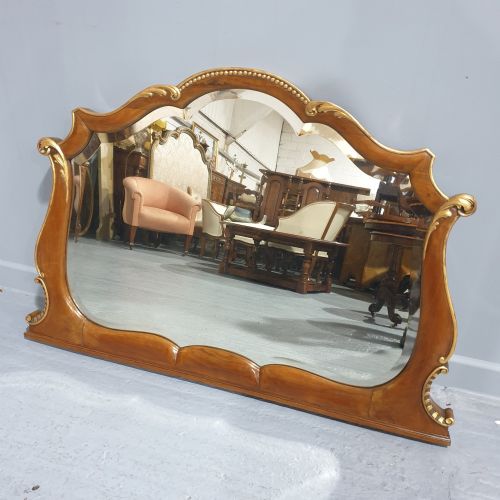


Gilded Walnut Mirror
A gilded walnut mirror brings warmth and reflective depth to a room through the combination of rich timber and bright leaf.
Gilded Walnut Mirror
A gilded walnut mirror combines dark wood grains with metallic highlights, appearing across Georgian, Victorian, and later periods. These pieces serve as functional wall hangings, dressing mirrors, and large overmantel furnishings designed to catch the light.
The selection ranges from early eighteenth-century George I and George II pieces to later Victorian interpretations and twentieth-century revivals. Buyers encounter hanging wall mirrors alongside console companions and shaped overmantel versions.
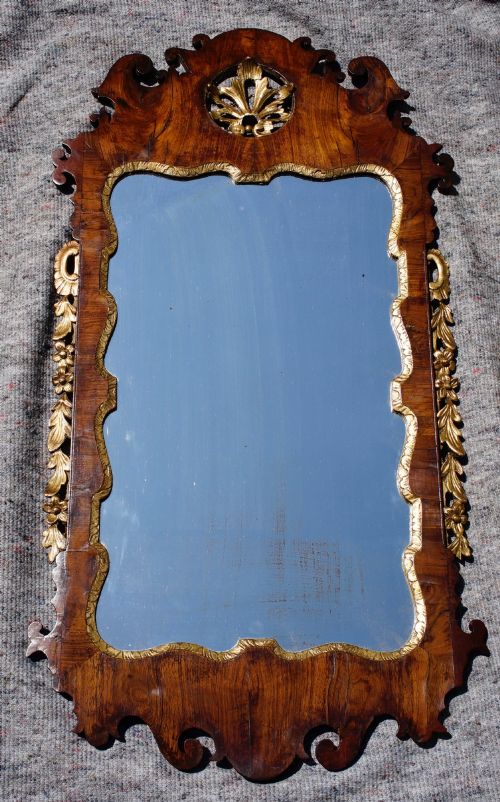
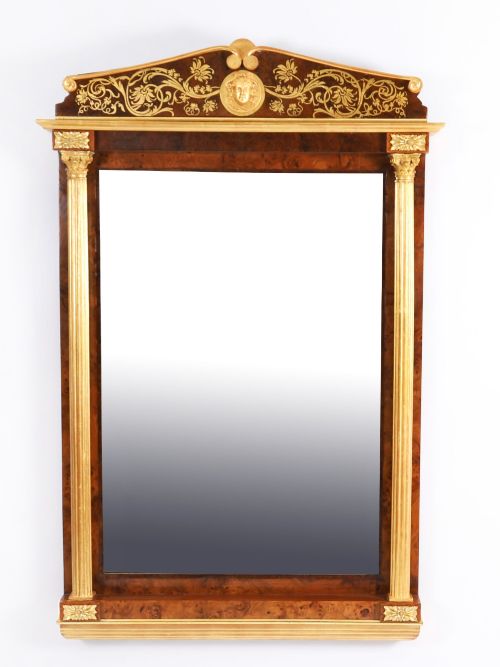
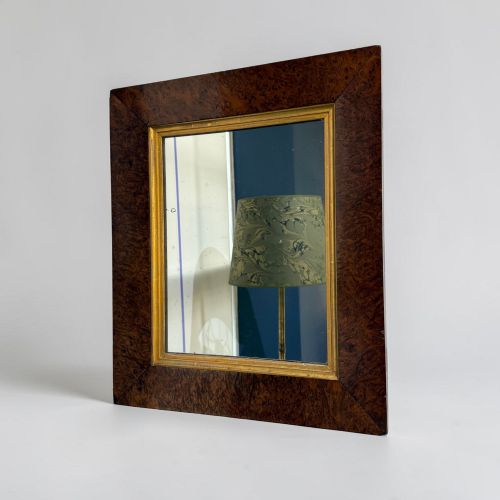
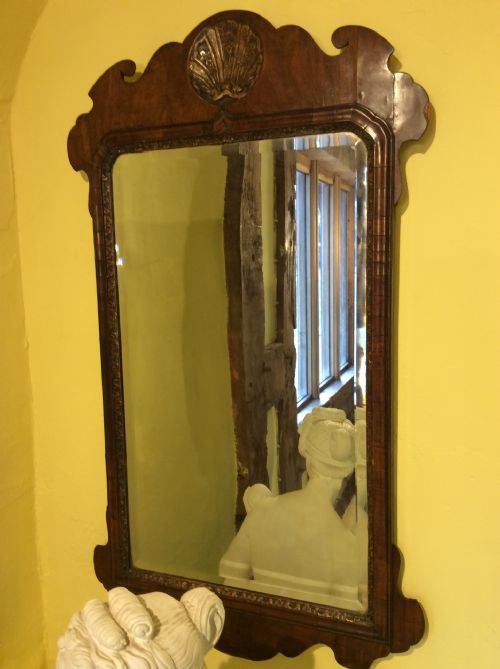
Many examples incorporate parcel gilt highlights where gold leaf picks out carved shell motifs, edges, and foliate panels. Others utilise burr walnut veneers to create striking patterns across the wooden frame surrounding the glass.
Construction and materials
Makers constructed these frames using solid walnut and applied burr walnut veneers to achieve complex grain patterns. Artisans then added parcel gilt details, laying gold leaf over specific carved sections of the wood.
Some pieces incorporate oil paint within inset panels, combining hand-painted foliate decoration directly with the gilded walnut structure. Original glass appears in surviving pieces, held within shaped frames constructed by period joiners.
Gilded Walnut Mirror Retail Price Guide 2026
Typical asking prices for gilded walnut mirror among the pieces listed under this phrase on Sellingantiques today, from the lower quarter to the upper quarter. They describe what is for sale here now, not the wider market.
Listings feature walnut and giltwood pieces spanning the Georgian, Victorian, and Edwardian eras alongside twentieth-century revivals.
Assessing quality
The standard of a gilded walnut mirror rests upon the depth of the timber figuring and the crispness of the carved details. Superior examples display carefully matched burr veneers and precisely applied gold leaf that enhances rather than conceals the underlying grain.
Proportion and the handling of parcel gilt elements dictate the visual weight of the frame. Stronger pieces maintain a balanced relationship between the dark walnut body and the bright gilded highlights across the shaped edges.
The Gilded Walnut Mirror Glossary
- Parcel gilt
- Woodwork decorated with partial applications of gold leaf. This technique highlights specific carved motifs while leaving the surrounding walnut visible.
- Burr walnut
- Timber taken from a tree growth that produces intricate, swirling grain patterns. Cabinet makers prized this wood for decorative veneering on prominent frame surfaces.
- Giltwood
- Timber frames covered entirely in gold leaf applied over a prepared gesso ground. It provides a bright reflective surface that contrasts with dark woods.
- Overmantel mirror
- A large wall glass designed to hang above a fireplace opening. These pieces often feature wide frames to anchor the proportions of a chimney breast.
Gilded Walnut Mirror: Frequently Asked Questions
How do I date a walnut mirror?
Dating relies on timber preparation, framing construction methods, and stylistic cues from periods like the Georgian era or later revivals. Examining the backboards and the composition of the glass helps confirm the age of the piece.
Later Victorian and twentieth-century interpretations often borrow earlier George I or George II design motifs. Comparing the specific joinery and the type of gilding reveals whether a piece is eighteenth-century or a later style adaptation.
Where should I hang an overmantel mirror?
An overmantel mirror belongs above a fireplace mantelpiece where its broad proportions can reflect the room. These large glasses visually expand the space and anchor the architectural focal point of an interior.
Ensure the wall fixings can support the substantial weight of a timber and glass frame. Positioning the mirror at the correct height ensures it captures natural light from adjacent windows.
What is parcel gilt?
Parcel gilt refers to furniture decoration where gold leaf is applied only to selected areas of an object. On these mirrors, the gilding typically emphasises carved shell details, inner sight edges, and foliate crestings.
This method allows the natural grain of the walnut to remain visible across the main body of the frame. The contrast between the dark timber and the bright gold creates a balanced decorative effect.
How do I care for gilded walnut?
Maintenance involves dusting the frame gently with a dry, soft cloth to prevent particulate build-up on the fragile gold leaf. Avoid using liquid polishes, abrasive cleaners, or modern chemical sprays near the gilded surfaces.
Keep the mirror away from direct sunlight and fluctuating humidity to protect the integrity of the walnut veneer and the gesso ground beneath the leaf. Careful placement preserves both the timber and the metallic highlights.