

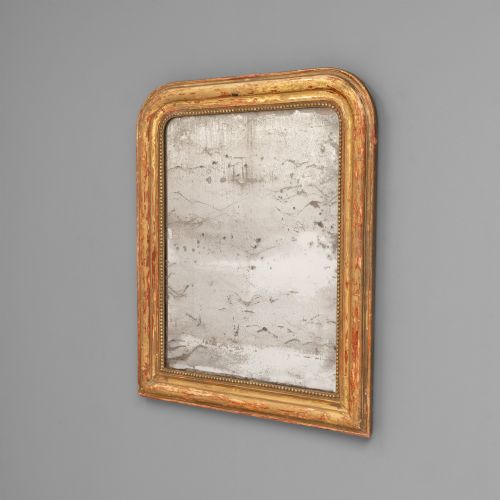
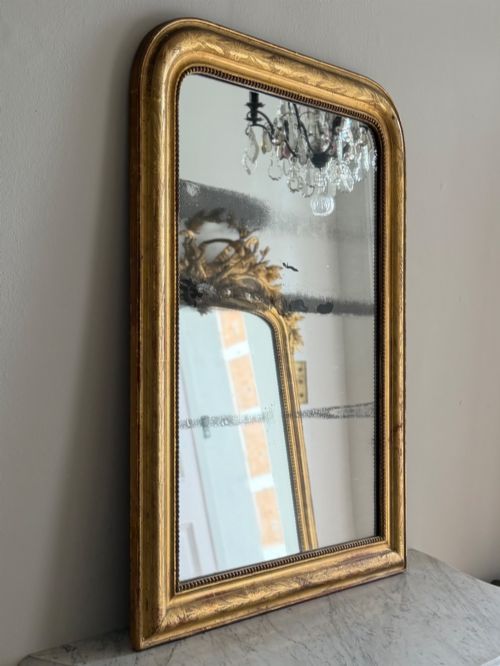
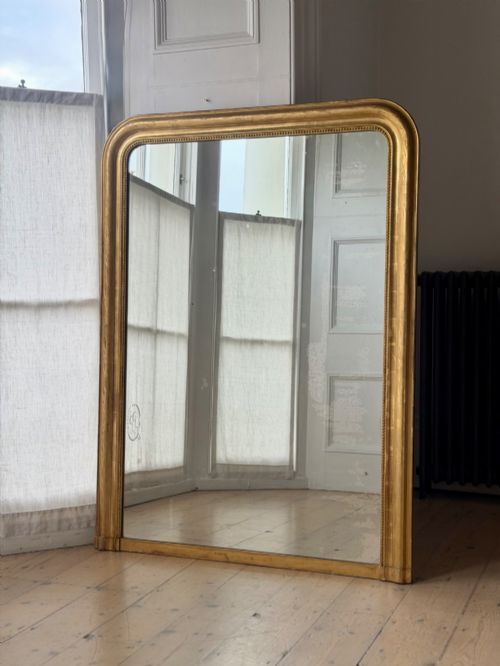
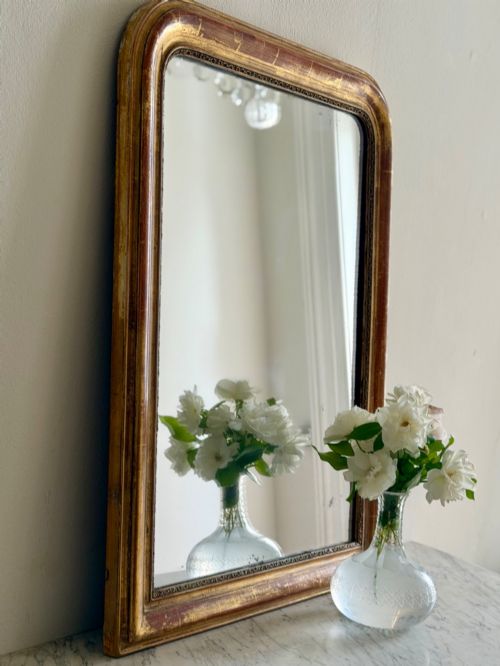
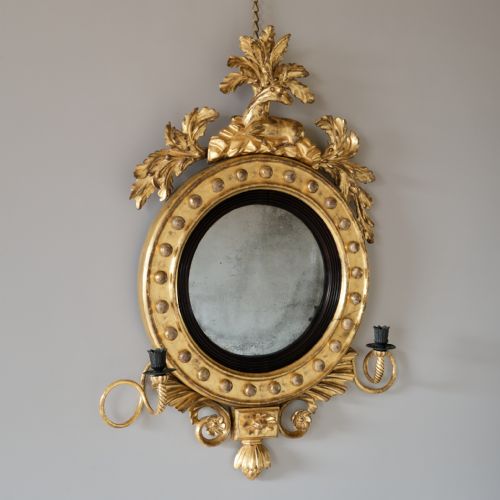
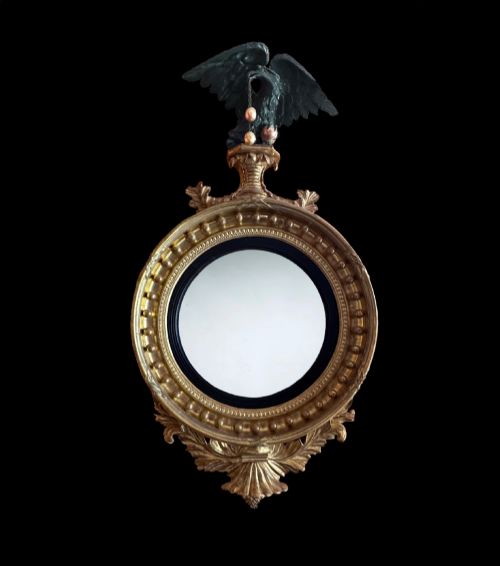


Gilded Round Mirror
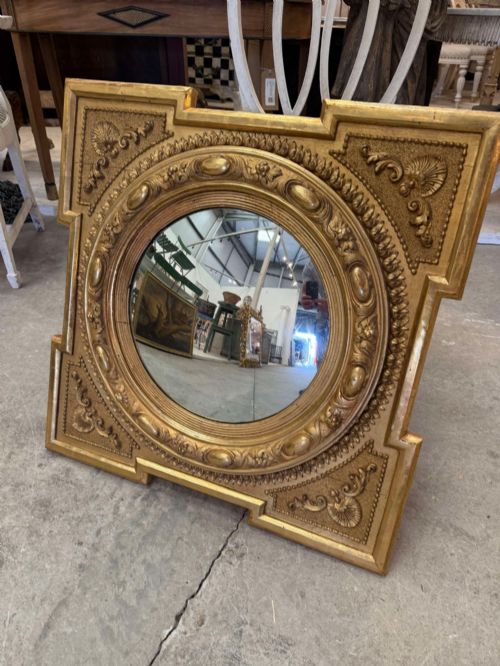
A gilded round mirror brings light and depth into a room, and the most common examples you will encounter here date from the Regency period.
Gilded Round Mirror
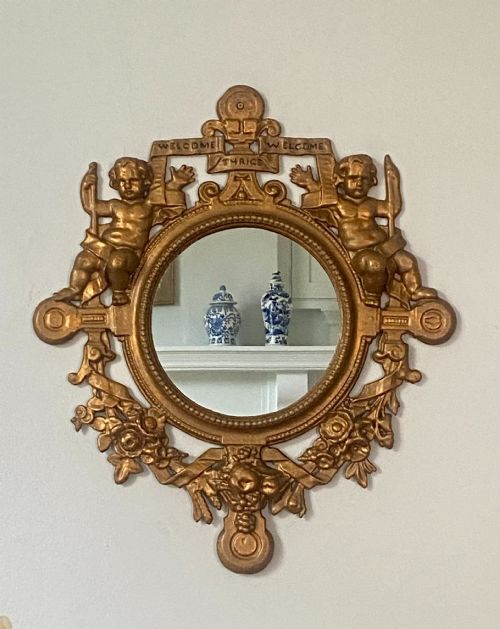
When you search for a gilded round mirror, you enter a domain dominated by circular convex glasses designed to reflect an entire room in miniature. The listings here lean heavily on Regency and nineteenth-century examples, alongside later Victorian, Edwardian, and twentieth-century interpretations.
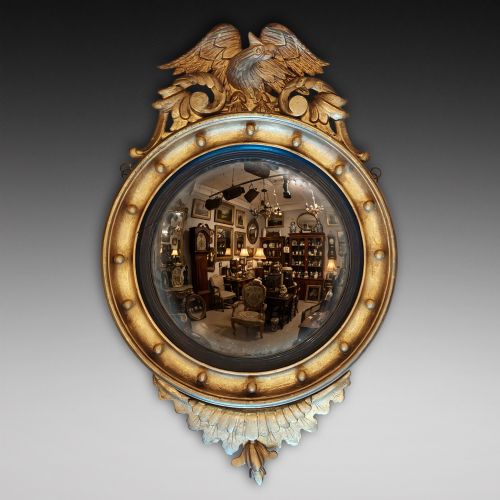
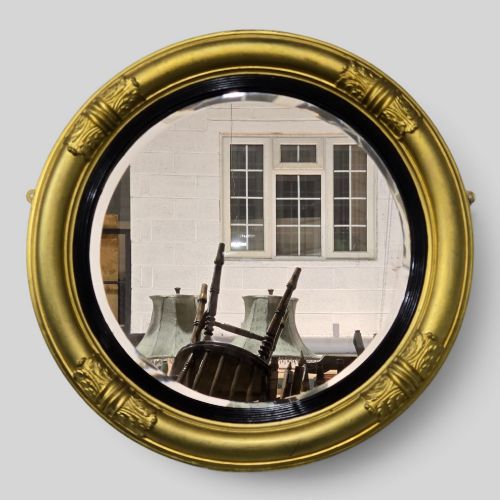
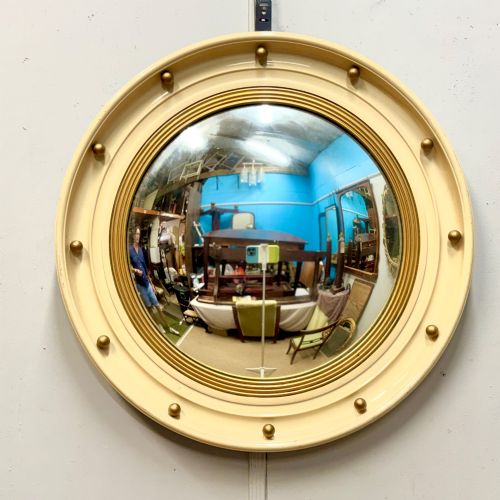
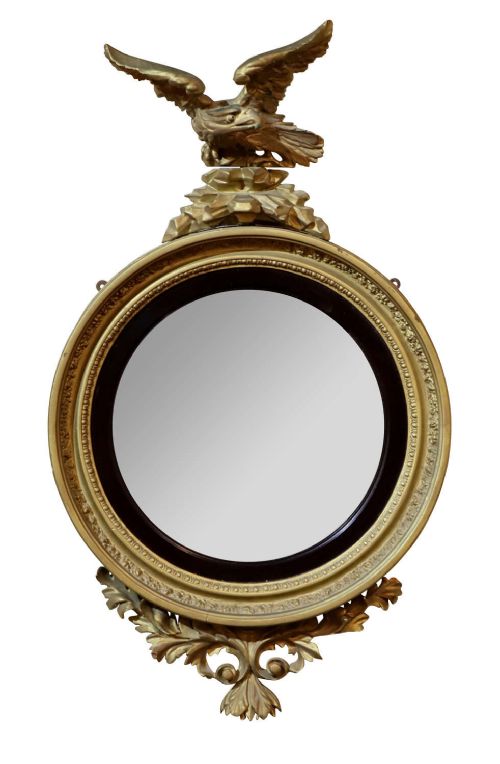
The dominant forms are convex wall mirrors and butler's mirrors, often styled with circular giltwood frames. Many carry distinct decorative elements such as eagle surmounts, dragons, or ebonised slips within the frame profile.
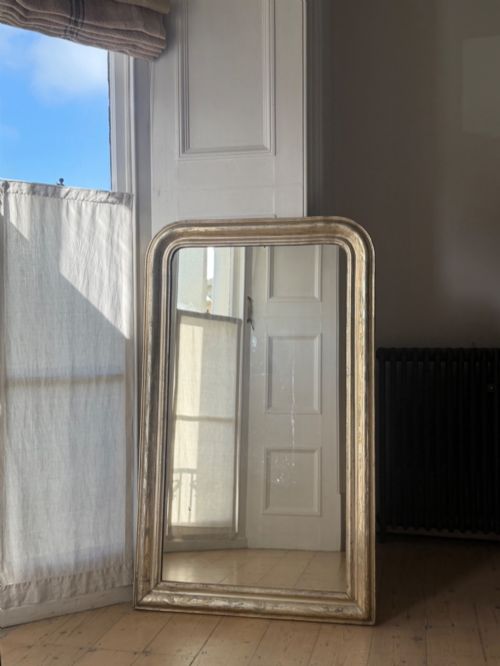
Originating largely from British and French workshops, these pieces function primarily as wall mirrors and overmantels. They range from small hall pieces to grand scale circular mirrors spanning several feet in diameter.
How they were made
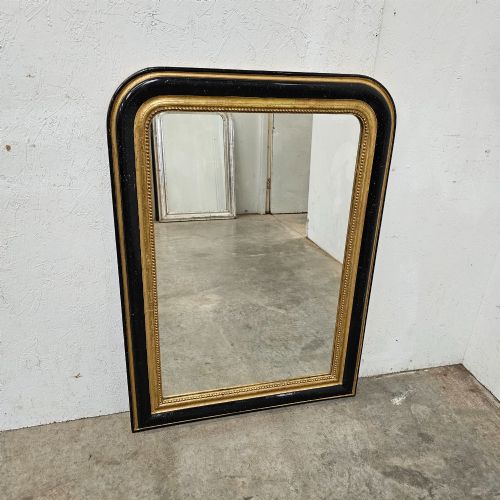
Frames are constructed from wood and gesso, providing a stable carved base for the application of gold leaf or gilt. Ebonised wood slips frequently appear inside the main gilt moulding to create a contrasting inner border.
The defining optical feature is the convex mirror glass, which requires specialised blowing and shaping techniques to achieve the curved surface. Giltwood and gesso work are then built up around this central glass to form the ornate circular frames.
Gilded Round Mirror Retail Price Guide 2026
Typical asking prices for gilded round mirror among the pieces listed under this phrase on Sellingantiques today, from the lower quarter to the upper quarter. They describe what is for sale here now, not the wider market.
Several mirrors include carved eagles perched atop the frame, watching over the room with unblinking wooden intensity.
What varies in quality
The crispness of the carved wood and gesso ornament dictates much of the visual distinction between pieces. Heavily detailed elements like eagle surmounts or dragon motifs demand precise hand carving to hold their definition against the gilt finish.
The purity and preservation of the gilt surface and the optical clarity of the convex mirror glass separate standard examples from finer ones. Deeper gilding layers and well-preserved original mirror plates command greater presence on the wall.
The Gilded Round Mirror Glossary
- Convex glass
- Curved mirror glass that creates a wide-angle, spherical reflection of the surrounding interior space. This form was traditionally favoured in butler's and hall mirrors for security and observation.
- Giltwood
- Timber that has been coated with a thin layer of gold leaf or gilt. It forms the primary structural and decorative material for the circular frames.
- Gesso
- A plaster-like mixture applied to wood frames to create a smooth surface for gilding and deep relief carving. It allows artisans to shape intricate mouldings.
- Ebonised slip
- A dark, black-stained inner moulding placed between the mirror glass and the main gilt frame. This technique adds depth and linear contrast to the composition.
- Overmantel mirror
- A large wall mirror traditionally hung above a fireplace mantelpiece. These pieces often feature arched tops or grand proportions.
Gilded Round Mirror: Frequently Asked Questions
Where should I hang a round mirror?
These mirrors suit principal reception rooms, hallways, and dining spaces where their reflective quality can open up the wall. Placing them opposite a window maximises the amount of natural light they bounce back into the interior.
Due to their weight, particularly with dense giltwood and gesso frames, they require secure fixing directly into wall studs or masonry.
How do I date a gilt mirror?
Dating relies on examining the construction materials, frame style, and the backboards. Regency and nineteenth-century pieces often display specific carving motifs like eagle surmounts and distinct gesso layering.
Later Edwardian and twentieth-century interpretations tend to feature simplified mouldings and different backing assemblies.
What is a butler's mirror?
A butler's mirror is a specific type of round convex wall mirror traditionally used in domestic service areas. The convex glass allowed staff to oversee activity across a large dining room or hall at a glance.
Today, they function primarily as decorative focal points while retaining their distinctive spherical glass format.