


Gilded Porcelain Serving Dishes
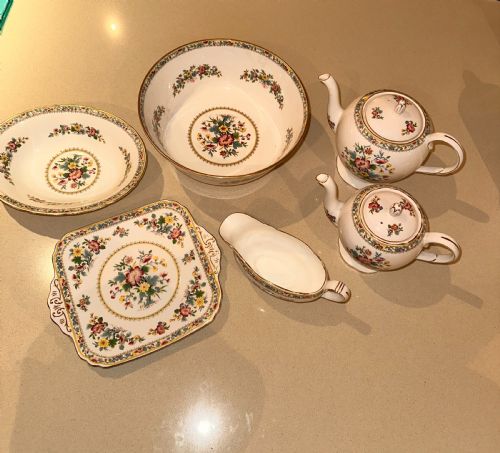
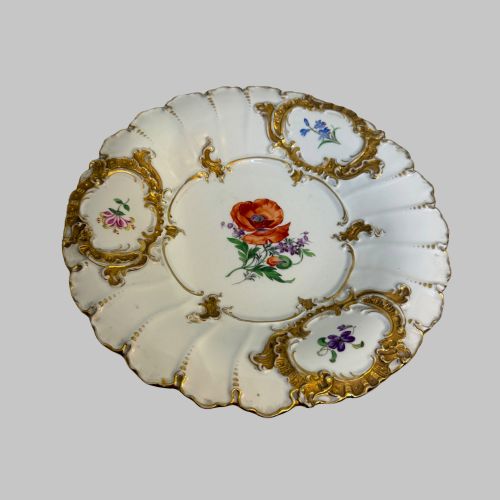
These gilded porcelain serving dishes bring together centuries of hand-painted artistry and gold leaf enrichment across formal dining tables.
Gilded Porcelain Serving Dishes
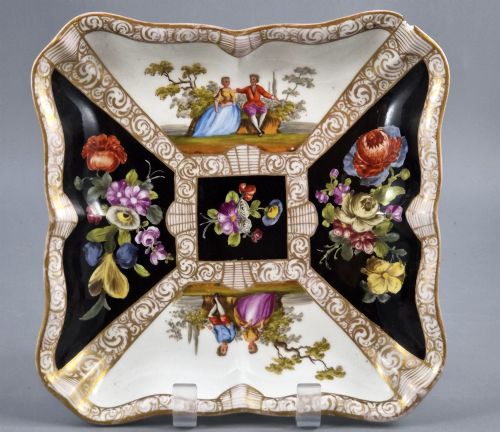
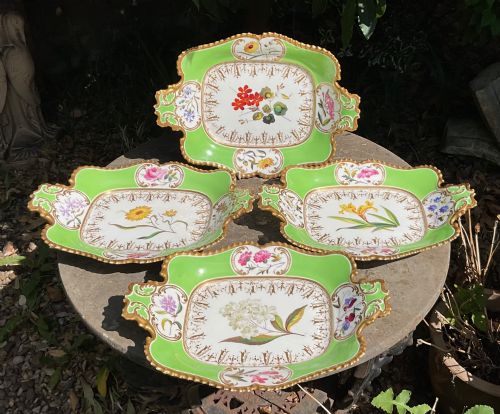
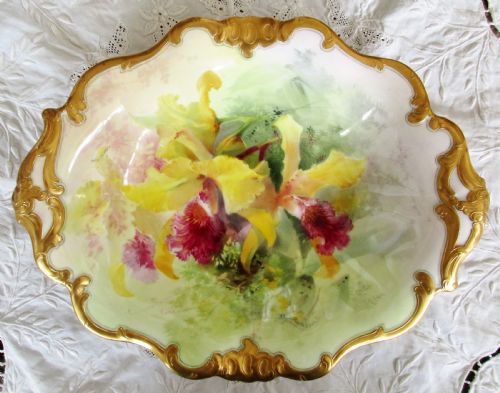
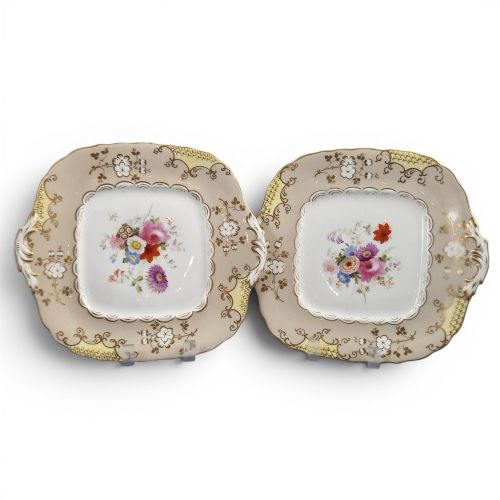
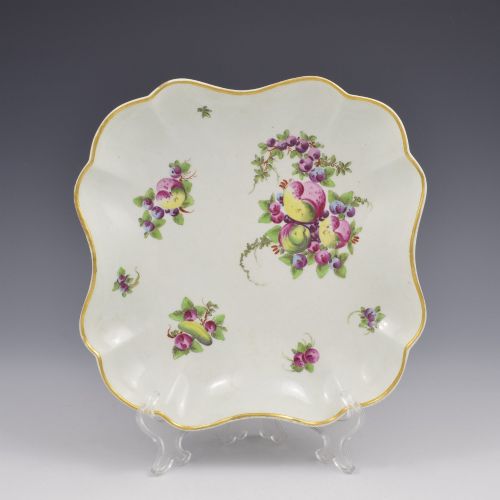
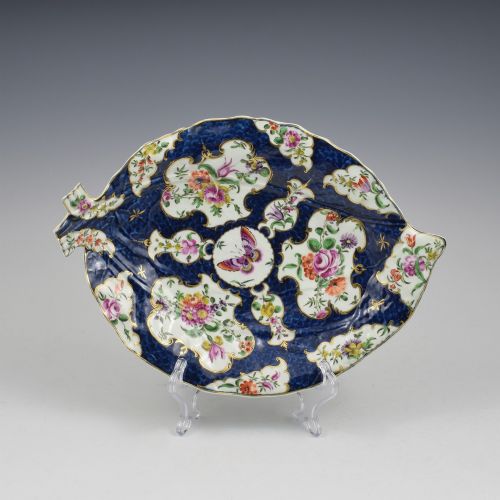
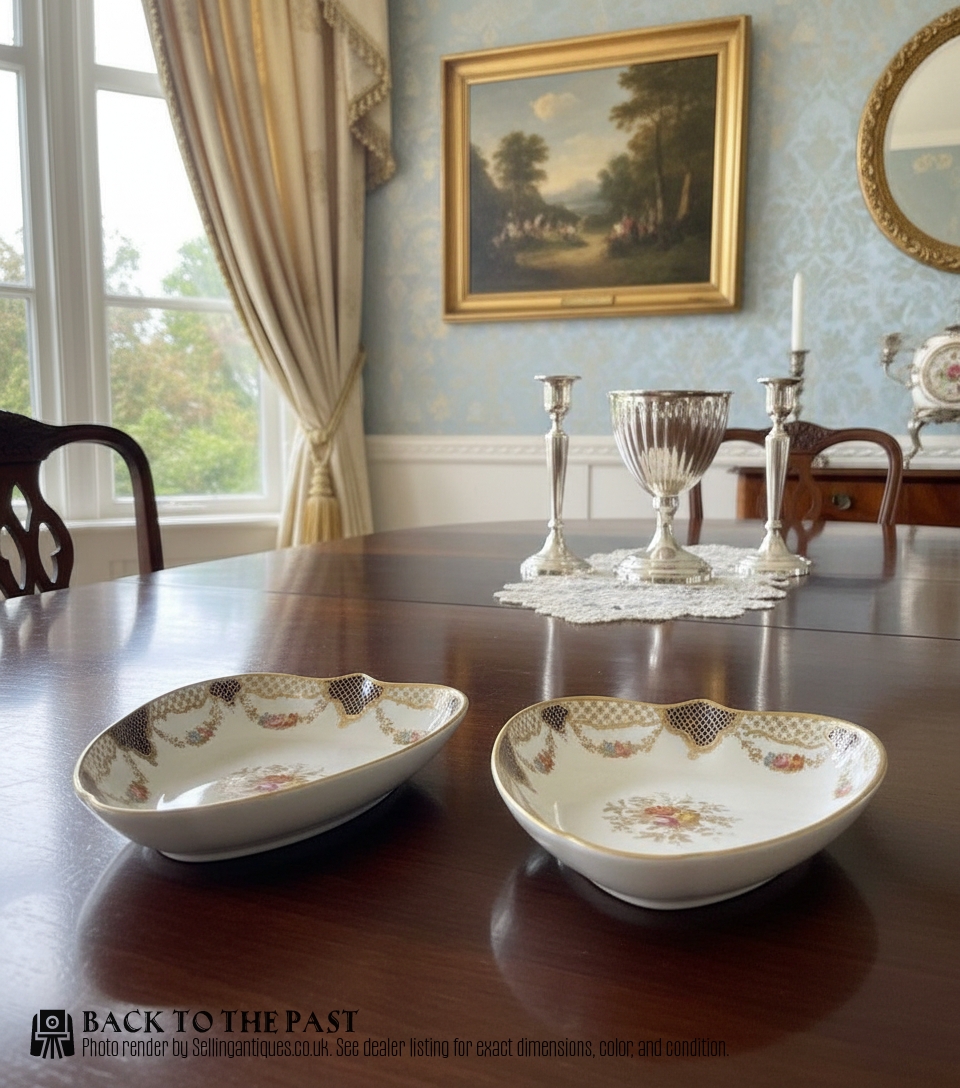
Gilded porcelain serving dishes encompass a variety of utilitarian and decorative forms designed for presenting food or gracing cabinets, ranging from deep tureens and large platters to smaller dessert dishes and trays. The selection spans the eighteenth, nineteenth, and early twentieth centuries, drawing on British, European, and Japanese traditions.
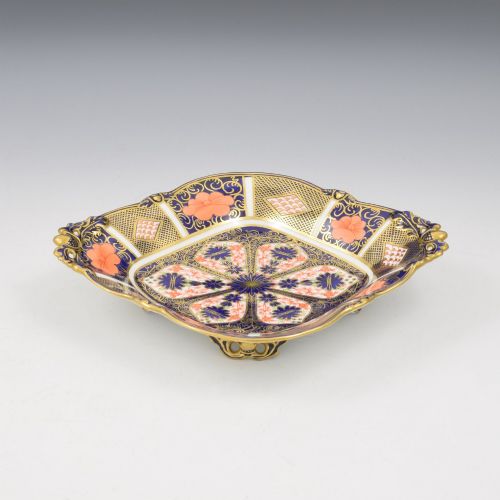
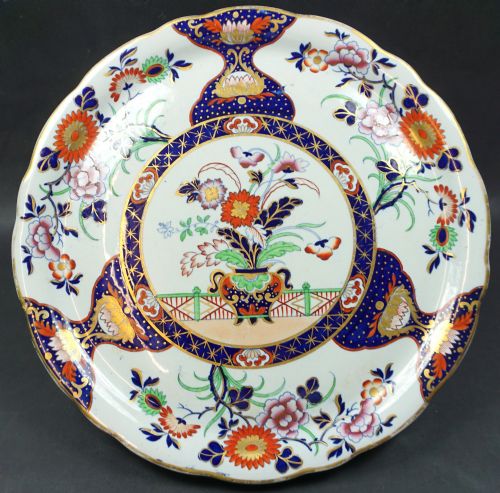
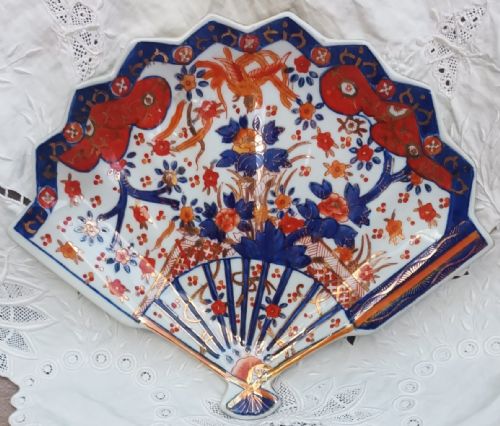
English factories such as Worcester, Coalport, and Spode appear frequently alongside continental makers like Meissen and Vienna, reflecting domestic and international tastes for hand-painted botanical, avian, and figurative subjects. Japanese Imari and Kutani wares also contribute distinct stylistic influences characterised by rich iron-red and cobalt blue underglazes heightened with gold.
How they were made
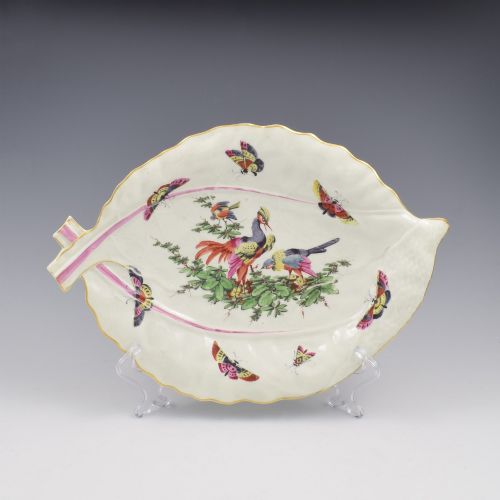
The underlying body is typically fashioned from hard-paste porcelain, bone china, or ironstone, shaped either by throwing on a wheel, pressing into moulds, or forming into specialised leaf and scalloped profiles. Artisans then applied underglaze pigments or enamel paints by hand before adding details in gold leaf, gilding, or gilt.
Firing techniques varied according to the composition of the ceramic body and the enamels used, requiring multiple kiln runs to set the primary body, the painted decoration, and the final metallic lustre.
The listings on this site feature porcelain and ironstone serving dishes spanning the eighteenth, nineteenth, and early twentieth centuries.
What varies in quality
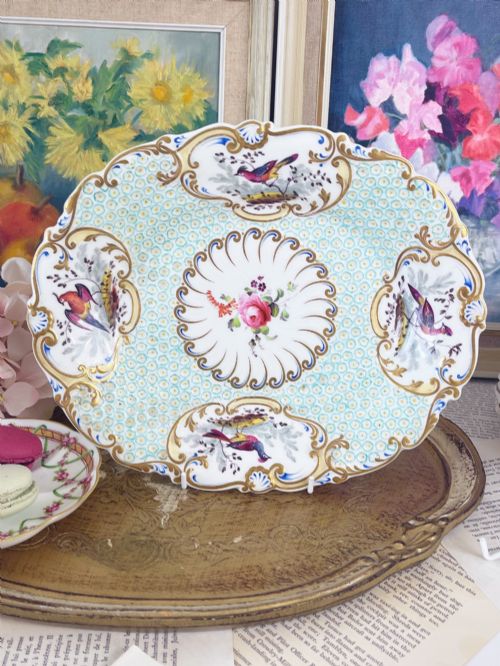
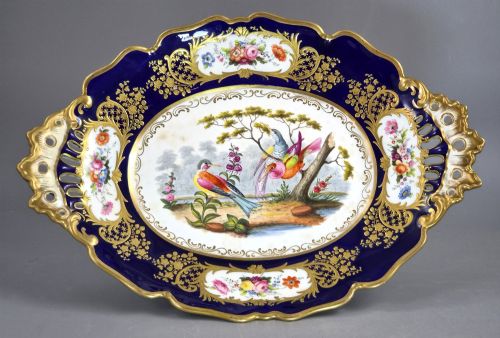
Quality rests primarily on the crispness of the porcelain moulding, the sophistication of the hand-painted details such as birds, flowers, or mythological scenes, and the depth of the gilding. Pieces featuring intricate hand-painted subjects by named or attributed artists demonstrate superior workshop execution compared to simpler transfer-printed equivalents.
The preservation of the gold leaf and the subtlety of the colour palette also distinguish finer examples, as well as the historical significance of the manufactory, such as the early periods of Worcester or Meissen production.
Royal Crown Derby·H & R Daniel·Coalport·Meissen·Chamberlains Worcester·Hicks & Meigh·Royal Doulton·Paul Müller Selb·John Ridgway·Canton·Rockingham Pottery·Minton·Carlton Ware·Flight Barr & Barr·Barr Flight & Barr·Royal Worcester·Mason’s Ironstone·Spode·Vienna
The Gilded Porcelain Serving Dishes Glossary
- Gilding
- The application of gold leaf or powdered gold to the surface of porcelain. This technique creates metallic highlights that accent rims, handles, and painted motifs.
- Bone china
- A type of soft-paste porcelain incorporating bone ash, developed in England to create a whiter and stronger ceramic body. It allows for thinner, more delicate vessel walls.
- Imari
- A style of Japanese export porcelain featuring a distinctive palette of cobalt blue, iron-red, and extensive gold. The design heavily influences European interpretations of Asian ceramics.
- Tureen
- A deep covered bowl designed for serving soups, sauces, or stews at the table. These vessels often feature matching stands or fixed handles.
- Ironstone
- A heavy, durable type of earthenware patented in the nineteenth century to imitate porcelain. It provides a sturdy alternative for large serving platters and tureens.
Gilded Porcelain Serving Dishes: Frequently Asked Questions
How do I use antique serving dishes?
These dishes function well for presenting food at formal dinners, though many collectors prefer to display them on walls or within cabinets to protect the hand-painted surfaces and gold leaf.
When utilised for dining, hand washing with mild soap preserves the fragile enamels and prevents the gold from wearing away over time.
How can I identify the period of a dish?
Makers often stamped, painted, or impressed factory marks onto the underside of the ceramic body, which can be cross-referenced against historical registration dates and patterns.
Stylistic clues such as the Regency fondness for classical motifs or the Victorian embrace of Rococo Revival shapes also help narrow down the date of manufacture.
What is the difference between porcelain and ironstone?
Porcelain is a vitrified ceramic material made from kaolin and petuntse, resulting in a fine, translucent body that rings slightly when struck.
Ironstone is a denser, opaque earthenware designed for everyday durability while still accommodating elaborate hand-painted patterns and gilding.
Are Japanese Imari dishes antique?
Japanese Imari pieces found on the market often date from the Meiji period, reflecting the reopening of trade and the widespread European fascination with Eastern design.
These items combine robust porcelain bodies with intense cobalt blue, iron-red, and gold decoration designed for both domestic use and export.