


Gilded Porcelain Oriental Vase
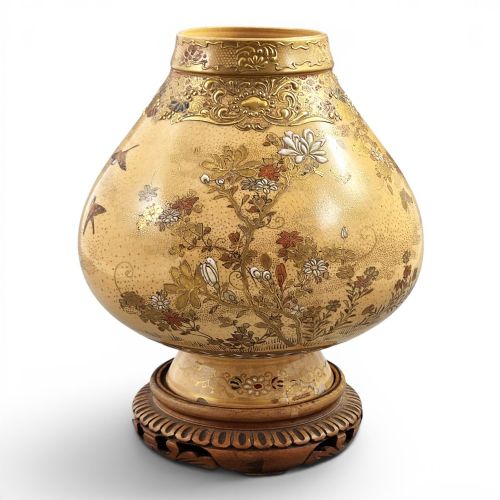
A gilded porcelain oriental vase brings together intricate hand painting and lustrous metallic leaf from nineteenth and early twentieth century traditions.
Gilded Porcelain Oriental Vase
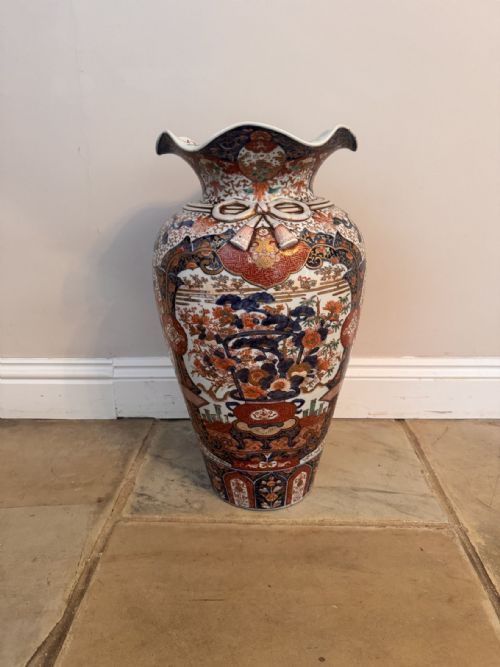
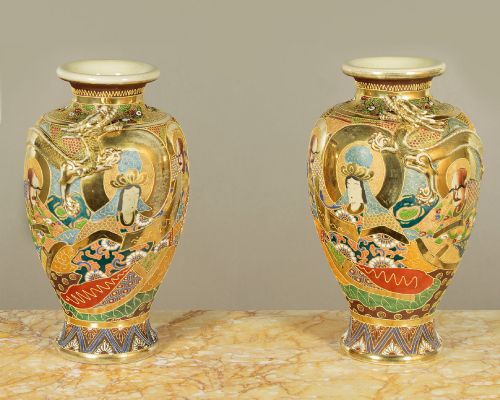
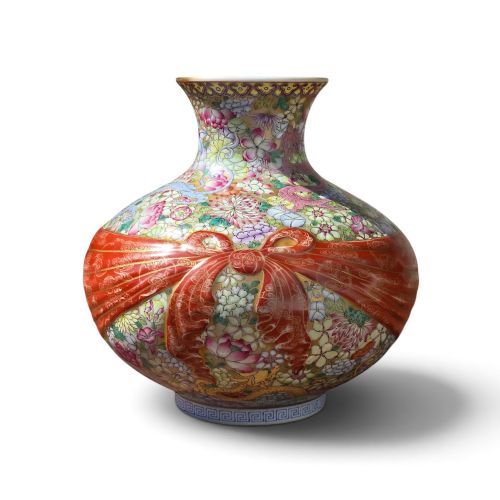
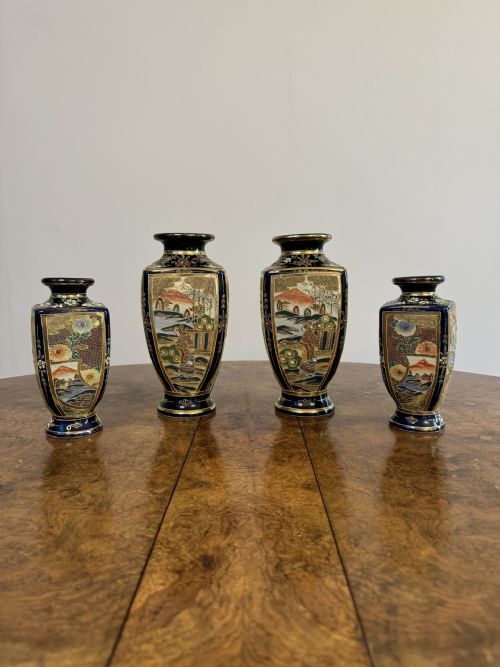
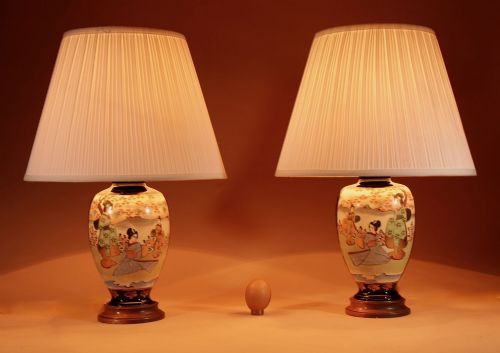
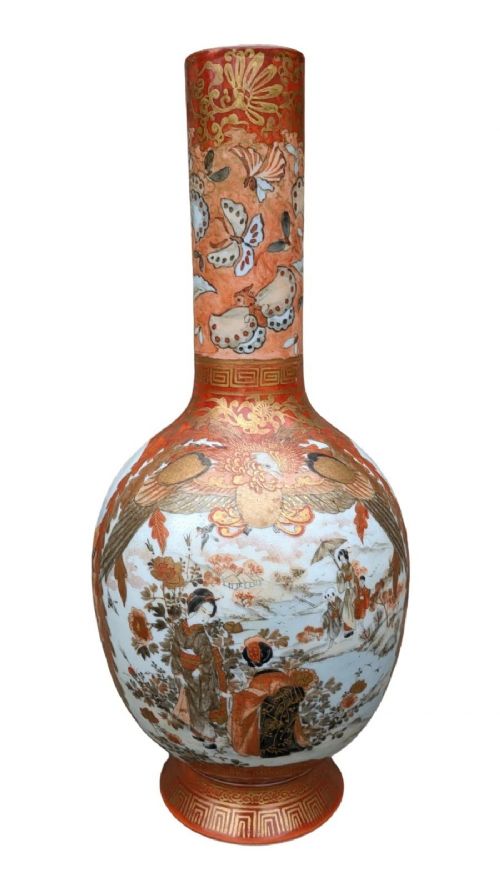
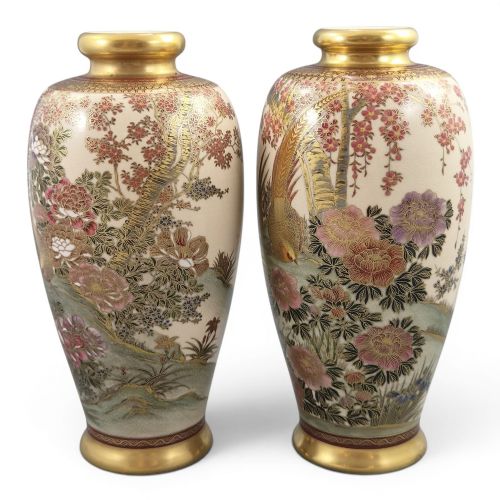
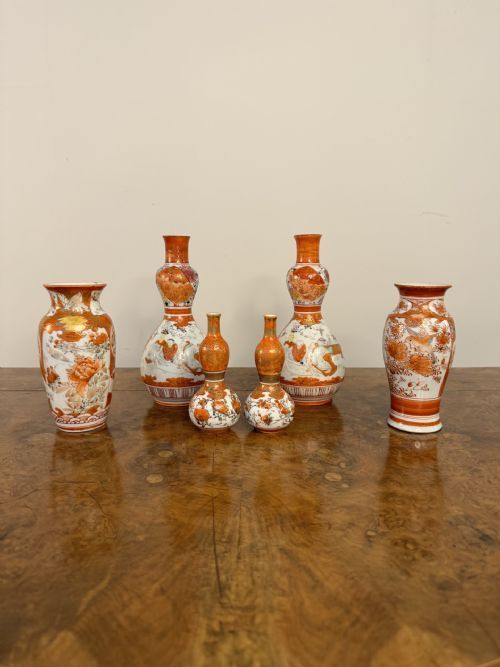
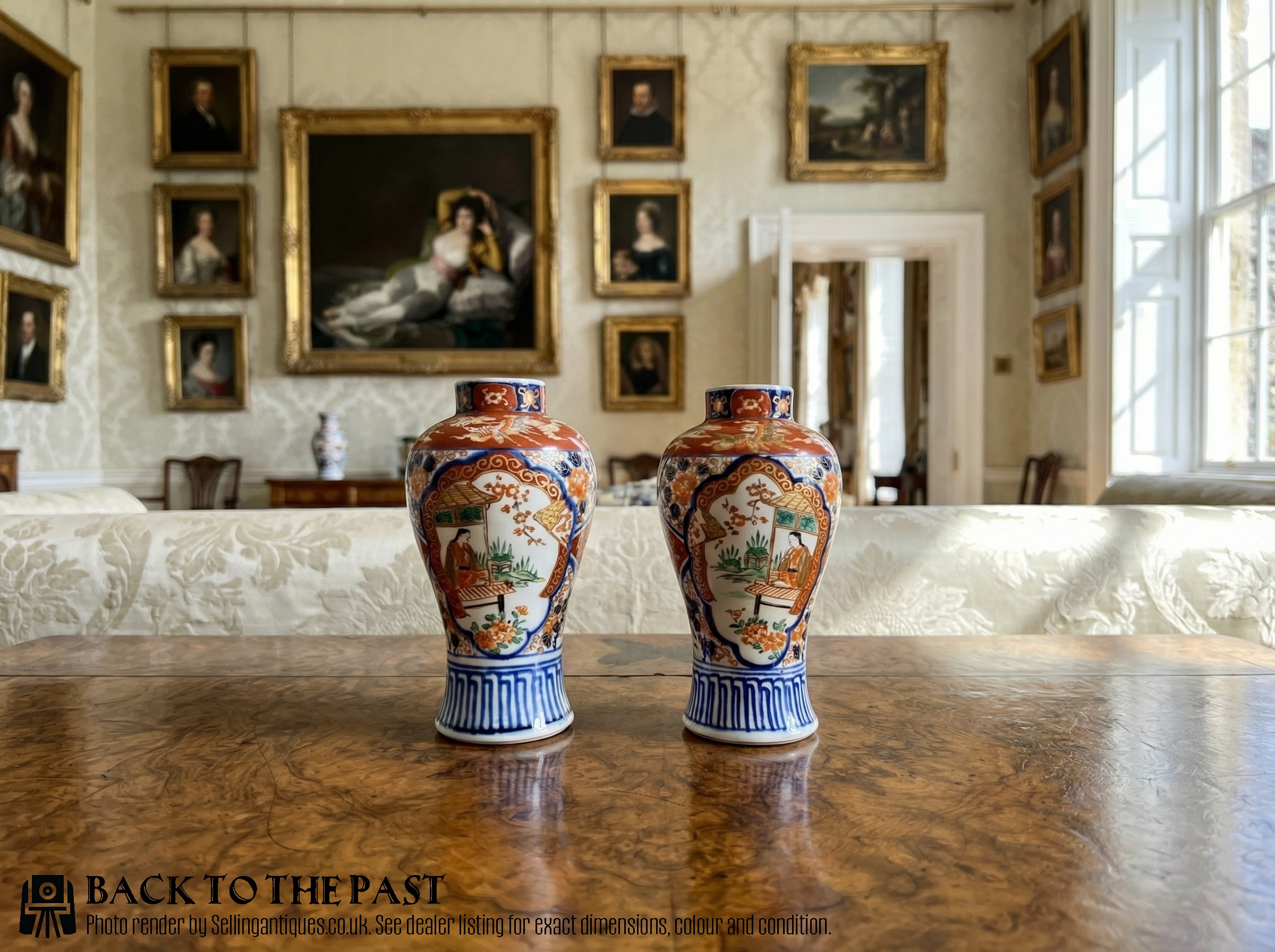
A gilded porcelain oriental vase encompasses items created across Asian and European workshops during the nineteenth and early twentieth centuries, appearing frequently in Japanese Satsuma, Imari, and Kutani styles alongside Chinese Qing dynasty ceramics. These objects range from massive floor-standing vessels and garnitures to delicate miniature pieces and converted table lamps.
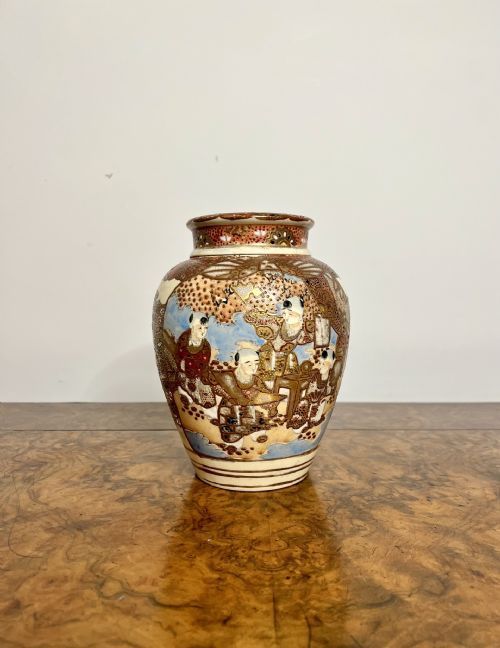
Buyers encounter diverse forms including ginger jars, bottle-shaped vessels, and ewers, often accompanied by enamel detailing or raised moriage decoration depicting figures and landscapes.
Materials and construction
Potters shaped fine ceramic and porcelain bodies before applying complex enamel palettes and hand-applied gold leaf or gilt ornamentation. Workshops utilised specialised firing techniques to set vibrant iron-reds, cobalt blues, and intricate metallic highlights across the surface of each vessel.
The listings span the Victorian era, Meiji period, and Showa period, showcasing porcelain, earthenware, and gold leaf.
Distinguishing quality
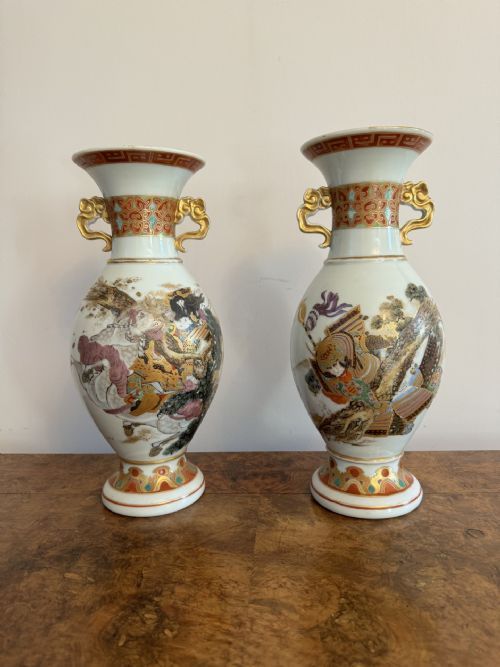
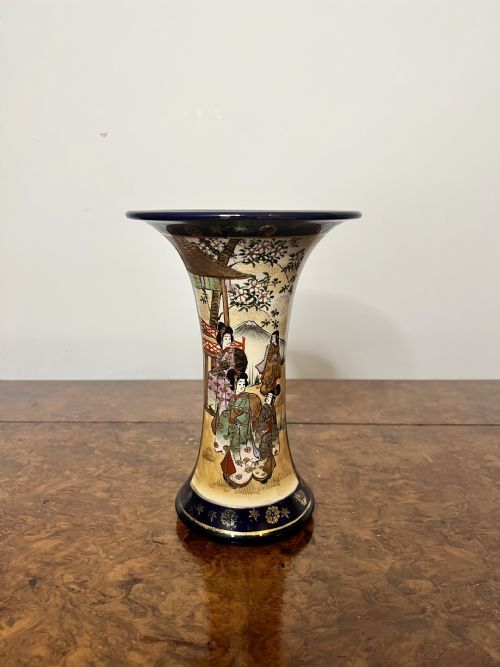
The standard of painting on these vessels separates ordinary production from exceptional workshop output, seen in the precision of court figures, dragons, and landscape details. The application of the gold leaf and the crispness of the moulded porcelain forms also indicate the skill of the original maker.
Manpei, Kobe·Kinkōzan, Kyoto·Hotoda·Kato Sanhei
The Gilded Porcelain Oriental Vase Glossary
- Satsuma
- A type of Japanese earthenware or porcelain featuring a cracked cream glaze decorated with enamels and gilding. It originated in Satsuma Province and gained immense popularity during the Meiji period.
- Imari
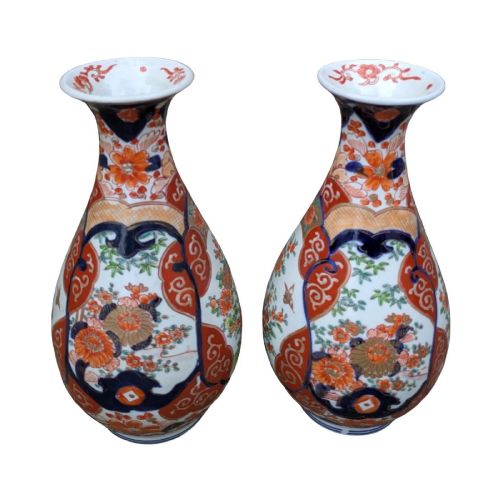
- A traditional style of Japanese export porcelain characterised by a distinct palette of underglaze blue, iron red, and gold. These pieces were widely produced for international markets from the Edo period onward.
- Moriage
- A decorative technique in Japanese ceramics where slip is piped onto the surface to create raised patterns and textured details before glazing and firing. This method adds a tactile dimension to figures and florals.
- Garniture
- A set of matching vases or jars designed to be displayed together on a mantelpiece or cabinet. Such sets usually comprise three or more matching vessels of graduated sizes or complementary shapes.
- Kutani
- A style of Japanese porcelain known for bold colours and intricate pictorial designs. Pieces from this tradition frequently incorporate heavy gilding alongside detailed narrative scenes.
Gilded Porcelain Oriental Vase: Frequently Asked Questions
How do I identify Satsuma ware?
Satsuma ceramics are typically recognised by their warm ivory or cream-coloured cracked glaze overlaid with detailed polychrome enamels and extensive gold highlights.
Many examples feature distinct pictorial scenes of court figures, landscapes, or arhats created during the Meiji period and early twentieth century.
What is the difference between Imari and Kutani?
Imari pieces generally rely on a classic palette dominated by cobalt blue, iron red, and gilding arranged in symmetrical geometric or floral patterns.
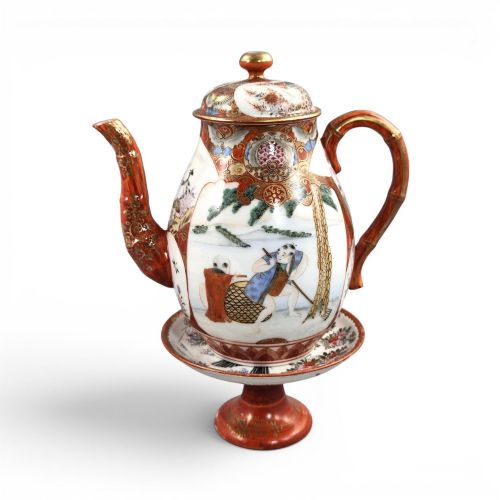
Kutani porcelain tends to display bolder pictorial compositions with dense colour application and narrative motifs.
Were these vases made for export?
A large proportion of these decorated ceramics were produced specifically for Western export markets during the late nineteenth and early twentieth centuries.
European demand influenced the creation of specific forms such as garnitures, table lamps, and large decorative floor vases.
How should I display a large vase?
Large vessels function effectively as standalone floor pieces or as centrepieces on sturdy tables where their height and painted details can be fully appreciated.
Pairing matching vases or arranging a garniture set across a mantelpiece creates a balanced traditional display.