
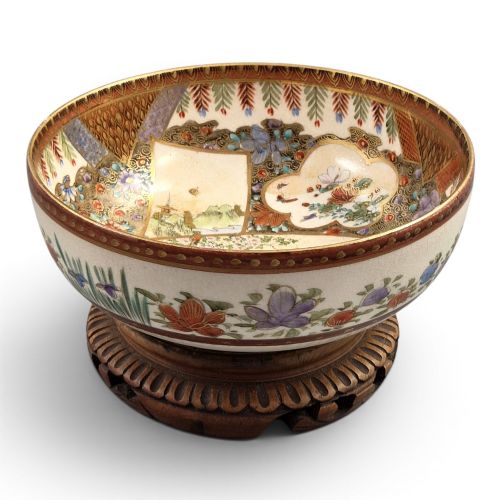


Gilded Porcelain Fruit Bowl
These gilded porcelain fruit bowls combine rich surface gilding with fine ceramic bodies, offering both decorative presence and practical service for the table.
What They Are
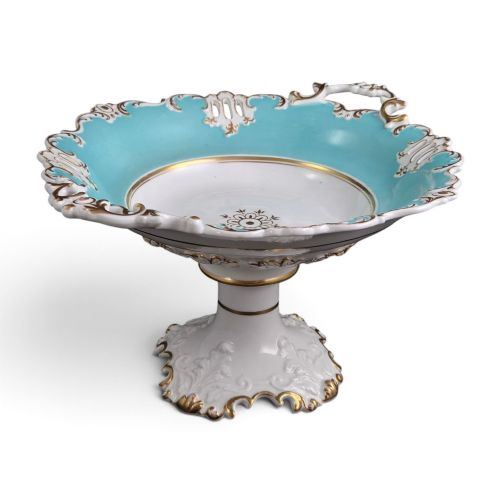
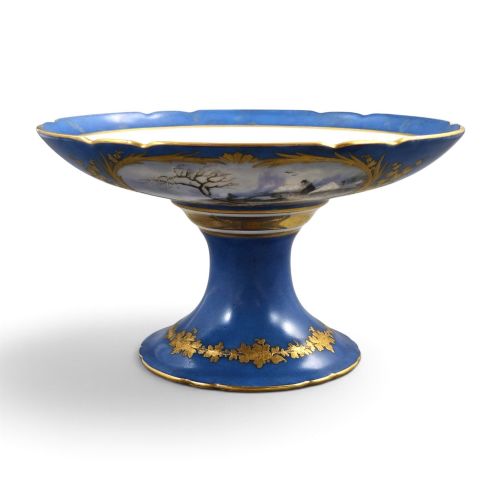
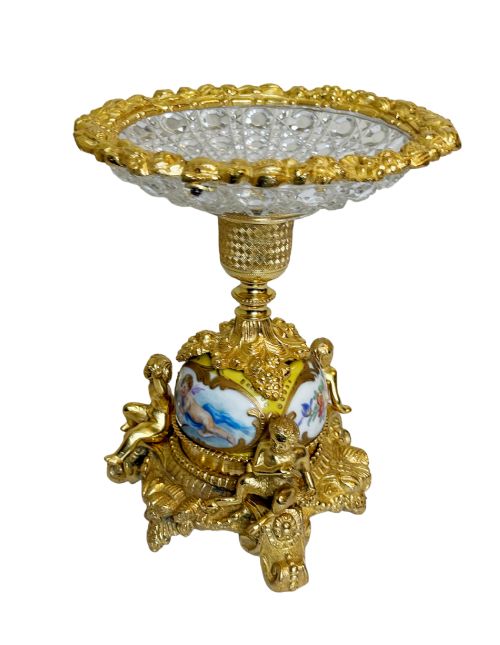
A gilded porcelain fruit bowl brings together porcelain and gold leaf, lustre glaze, or gilding to create a striking decorative piece for the dining table or sideboard. These items appear in forms such as decorative bowls and large centrepieces, often resting on pedestals or integrated bases.
The pieces available here draw on Edwardian and Rococo Revival styles, showing influences from the early twentieth century. Makers such as Wedgwood and Royal Worcester produced these works during the 1920s, 1930s, and 1940s.
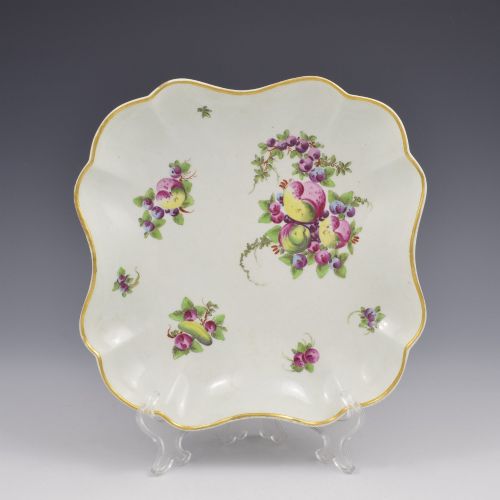
Buyers frequently encounter centrepieces featuring figural supports, such as cherubs on shells, alongside painted fruit bowls and lustre bowls. Each example reflects the ceramic tastes of its decade, balancing utility with elaborate surface ornamentation.
How They Were Made
Craftsmen shaped fine bone china and standard porcelain into open bowls and sculptural centrepiece forms before applying enamel and glaze layers. Lustre glazes required precise chemical control in the kiln to achieve their characteristic iridescent sheen.
Gold leaf and hand-applied gilding were carefully added over the fired porcelain surfaces, often framing hand-painted fruit scenes or geometric diaper patterns. Skilled painters like those at Royal Worcester executed detailed fruit studies directly onto the white ceramic body.
Retail Price Guide 2026
Typical UK retail prices for gilded porcelain fruit bowl, calculated from the Sellingantiques database of over a million retail prices indexed since 2003. This retail price guide relies exclusively on Sellingantiques data; no external sources or auction records are used, so the figures do not describe the wider market.
The listings span the 1920s, 1930s, and 1940s, utilising materials such as fine bone china, porcelain, enamel, gold leaf, and lustre glaze.
What Varies in Quality
The distinction between standard production and fine studio work rests on the complexity of the hand-painting and the depth of the gilding. Pieces featuring detailed pictorial fruit studies by named artists command greater attention than simpler lustre or monochrome finishes.
Sculptural integrity also separates the output, particularly in centrepieces where moulded elements like cherubs and shells must join cleanly to the main vessel. The purity of the porcelain body and the crispness of the enamel work determine the overall refinement of the piece.
Daisy Makeig Jones·Wedgwood·Royal Worcester·K Blake·Richard Sebright
The Gilded Porcelain Fruit Bowl Glossary
- Gilding
- The application of gold leaf or gold powder to the porcelain surface. This technique adds metallic brilliance and highlights decorative borders.
- Lustre Glaze
- A metallic ceramic glaze that produces an iridescent, light-reflecting finish. It was often applied in repeating geometric patterns.
- Fine Bone China
- A type of porcelain incorporating bone ash for enhanced strength and translucency. It provides a bright white ground for painted decoration.
- Rococo Revival
- A nineteenth and early twentieth-century design style favouring asymmetrical scrollwork, natural forms, and elaborate ornamentation. It frequently appears in moulded centrepieces.
Frequently Asked Questions
Can I use these bowls for actual fruit?
These bowls serve both decorative and practical functions, making them suitable for holding fruit on a dining table or sideboard. However, users should avoid highly acidic fruits that might linger on vulnerable enamel or lustre surfaces for extended periods.
Place a linen liner inside the bowl if you wish to protect the interior glaze from potential scratches caused by stems or rough skins.
How do I identify the period of a bowl?
Examine the base for maker marks, factory stamps, and artist signatures that correspond to specific operating dates. Stylistic clues such as Rococo Revival moulding or 1920s lustre patterns also help narrow down the date of manufacture.
Compare the weight and translucency of the ceramic body with known examples from the same ceramic houses.
What is the difference between a bowl and a centrepiece?
A standard bowl is designed primarily as an open vessel for display or holding contents, resting directly on its own base. A centrepiece often incorporates sculptural supports, such as figures or pedestals, elevating the main vessel to dominate a table setting.
Centrepieces generally involve more complex moulding and are intended as focal points within a room.