






Gilded Porcelain Figure
When you search for a gilded porcelain figure, you find sculpted ceramic works from the eighteenth to twentieth centuries enhanced with gold leaf, gilt or enamel.
Gilded Porcelain Figure
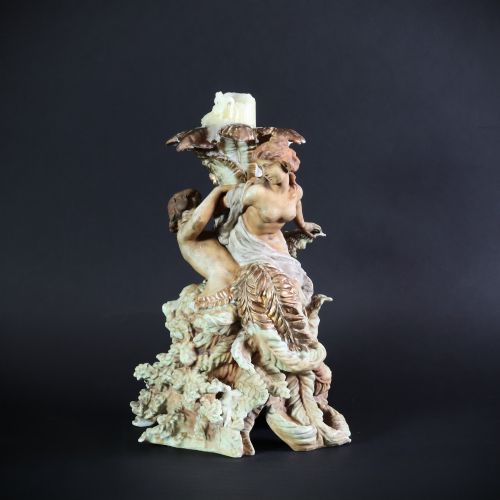
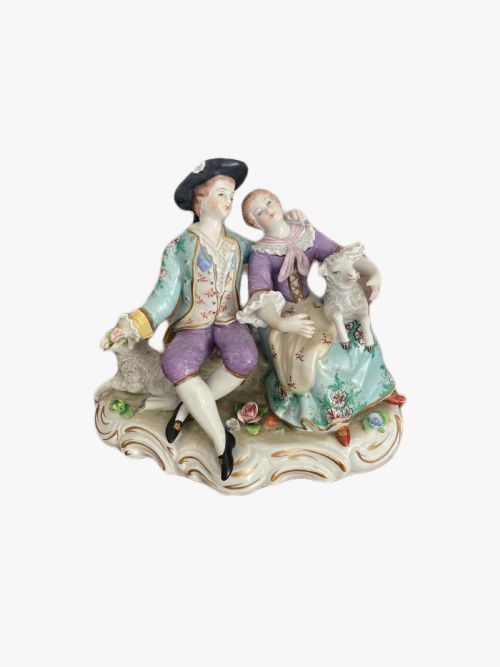
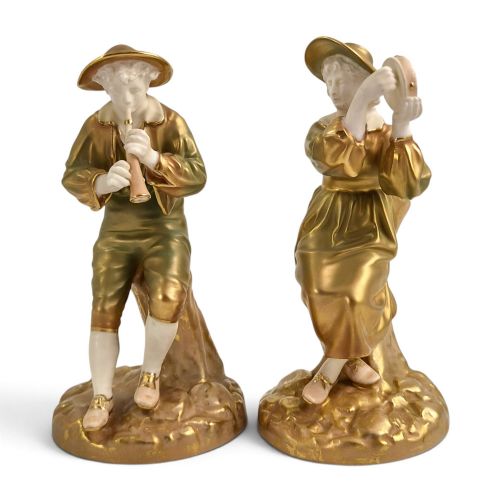
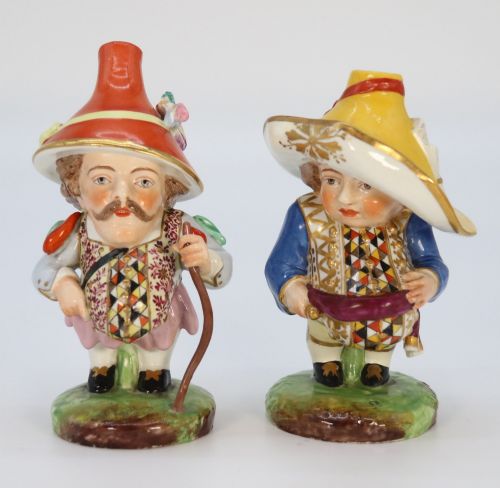
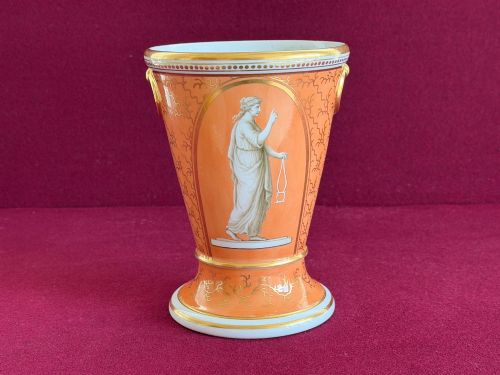
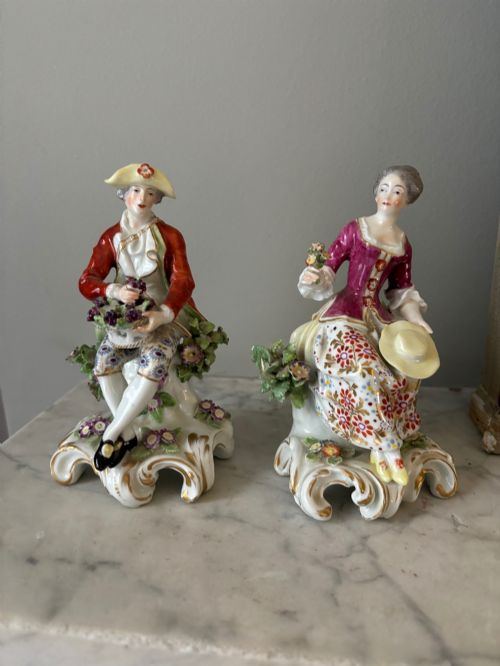
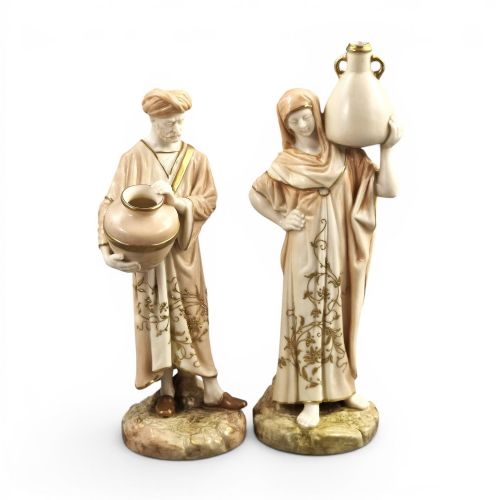
A gilded porcelain figure combines ceramic modelling with metallic application, taking the form of human characters, allegorical groupings, animals and mythological subjects. These pieces span centuries of production from European factories and Japanese kilns, functioning originally as decorative table ornaments, mantel garnitures or functional vessels incorporating sculptural figures.
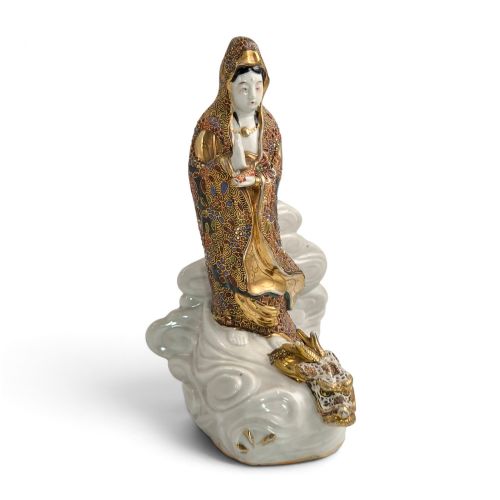
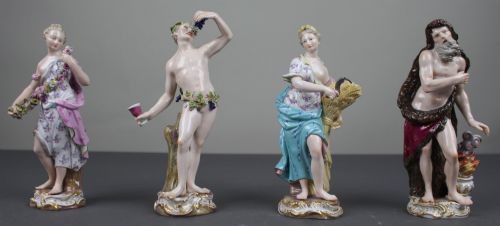
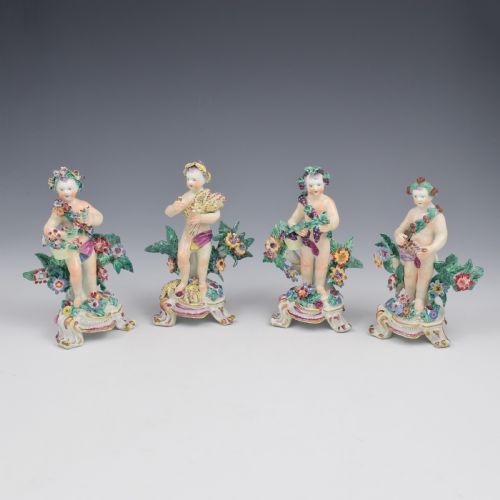
The objects on this page range from early Georgian allegorical putti and Derby figures to nineteenth-century Paris porcelain, Meissen groups, Volkstedt candlesticks, and intricate Japanese Satsuma and Kutani ceramics. Buyers encounter everything from single standing deities to elaborate pairs of candelabra and seasonal sets representing the four seasons.
Geographic origins vary widely across the inventory, encompassing English soft-paste factories like Bow and Royal Worcester, German hard-paste houses such as Meissen and Volkstedt, French workshops including Old Paris and Samson, and Asian traditions spanning Imari and Satsuma wares.
Materials and methods of manufacture
Manufacture relies on hard-paste or soft-paste porcelain shaped through moulding or hand-modelling, then fired at high temperatures to achieve a vitreous body. Artisans applied polychrome enamels and underglaze painting before adding gold leaf, liquid gilt or raised moriage details in subsequent lower-temperature firings.
Gilding techniques range from delicate hand-painted gold leaf highlights on garments to heavy burnished gilt borders and elaborate metallic patents seen in later English and continental productions. The interaction between glossy porcelain glazes, painted enamel pigments and reflective gold defines the surface of each piece.
Gilded Porcelain Figure Retail Price Guide 2026
Typical asking prices for gilded porcelain figure among the pieces listed under this phrase on Sellingantiques today, from the lower quarter to the upper quarter. They describe what is for sale here now, not the wider market.
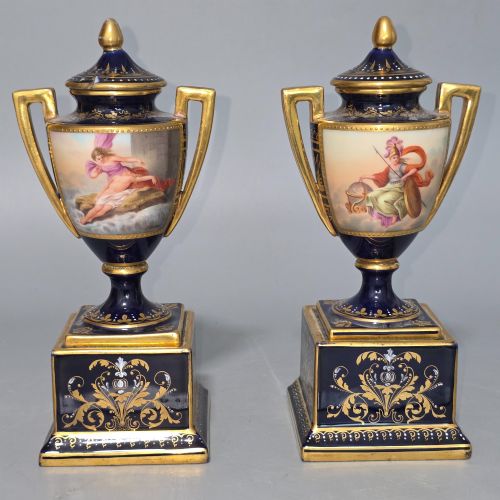
Minerva stands fully armed beside her shield while infant putti harvest grapes and children play blindly with broken breakfast eggs.
Assessing quality in ceramic figures
Quality rests upon the crispness of the modelling, the dexterity of the hand-painting, and the preservation of the delicate porcelain elements such as lace, foliage and fingers. Superior examples exhibit fine detail in facial expressions and drapery, whereas lesser pieces display softer contours and simpler painted washes.
The application and retention of the gilding also distinguish tiers of craftsmanship, with burnished gold holding depth and brilliance compared to flat, rubbed metallic paint. Furthermore, the reputation of the factory mark - such as Meissen crossed swords, Chelsea gold anchors, or recognised maker signatures - shapes the standing of the work.
Flight & Barr Worcester·Meissen·Edme Sampson·Royal Dux Bohemia·Royal Worcester·James Hadley·Derby·Bow·Fukagawa·Bourdois & Bloch·Volkstedt·Carl Thieme·Letu & Mauger·Ernst Wallace
The Gilded Porcelain Figure Glossary
- Bocage
- A decorative background of clustered leaves and branches made of porcelain, frequently found behind eighteenth-century figures. This foliage provides a naturalistic arbour setting for allegorical and pastoral subjects.
- Hard-Paste Porcelain
- A dense, vitrified ceramic composition fired at high temperatures, invented in Europe at Meissen in the early eighteenth century. It resists scratching and yields a bright white body.
- Soft-Paste Porcelain
- An artificial ceramic paste composed of white clay and glass frit, fired at lower temperatures than hard paste. It possesses a warmer tone and a softer glaze often utilised by early English factories.
- Moriage
- A decorative technique in Japanese ceramics where slip is piped onto the surface to create raised, textured patterns beneath glazes and gilding. It appears frequently on Satsuma earthenware and porcelain.
- Putto
- A representation of a plump, naked toddler, often winged, used in classical and allegorical art. Sets of four seasons or elements frequently depict these figures engaged in seasonal labour or play.
Gilded Porcelain Figure: Frequently Asked Questions
What is an allegorical figure group?
An allegorical group represents abstract concepts such as the seasons, the elements, virtues or vices through human or mythological characters. Makers frequently produced sets representing Spring, Summer, Autumn and Winter using distinct attributes like grain sheaves or ice skates.
These sculptures served as sophisticated conversation pieces for dining tables and mantelpieces during the Georgian and Victorian eras. Collectors often seek to reunite dispersed sets of four seasons or senses.
How can I tell old porcelain from later reproductions?
Examine the base, paste and glaze under magnification to look for signs of age, kiln stilt marks and wear consistent with handling over generations. Factory marks offer guidance, though nineteenth-century houses like Samson frequently reproduced earlier Chelsea or Derby styles.
Evaluating the crispness of the hand-painting and the weight of the ceramic body helps differentiate period originals from modern decorative copies. Comparing the piece to documented examples from established potteries confirms authenticity.
Where should I display my porcelain figures?
Place your pieces inside a stable, enclosed glass cabinet away from direct sunlight to protect enamel colours and prevent fading or dust accumulation. Ensure the display shelving is sturdy and secure from accidental knocks, as ceramic limbs and bocage elements are vulnerable to impacts.
Avoid high-humidity locations such as kitchens or unheated rooms where fluctuating temperatures might stress fragile soft-paste bodies or historical adhesives used in past restorations.