

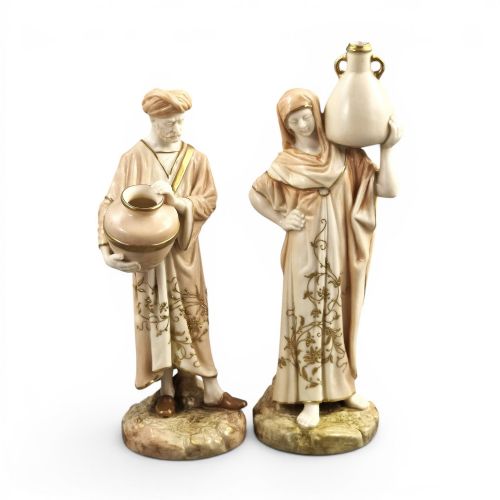

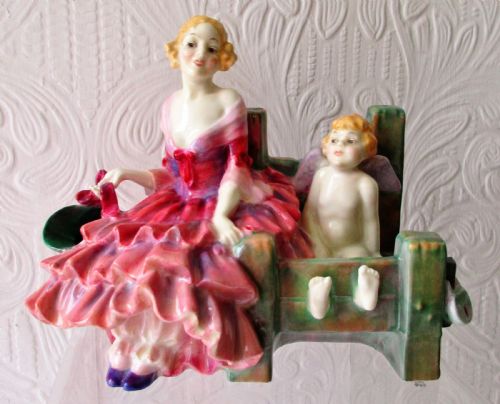
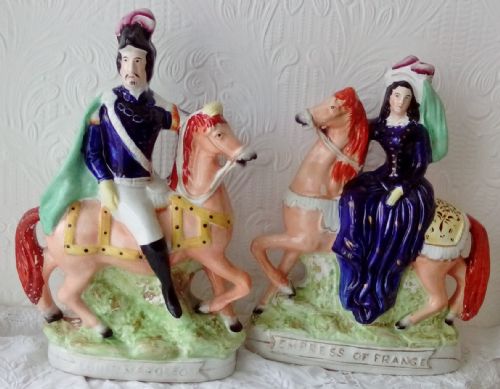
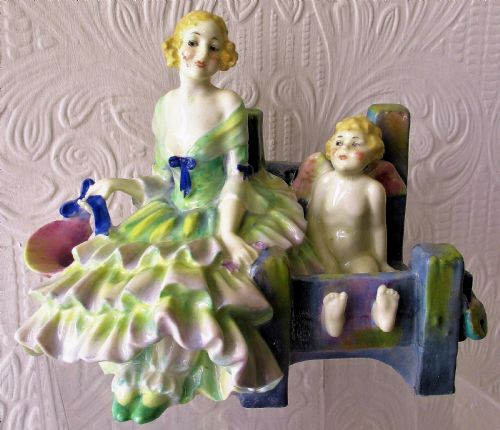
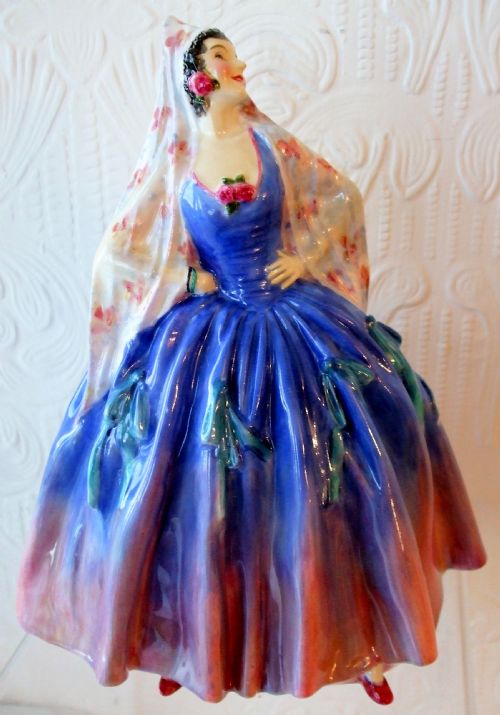

Collectible Porcelain Figure
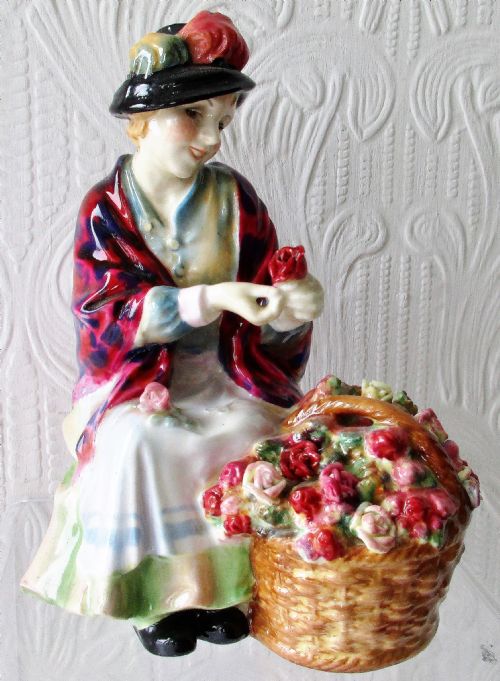
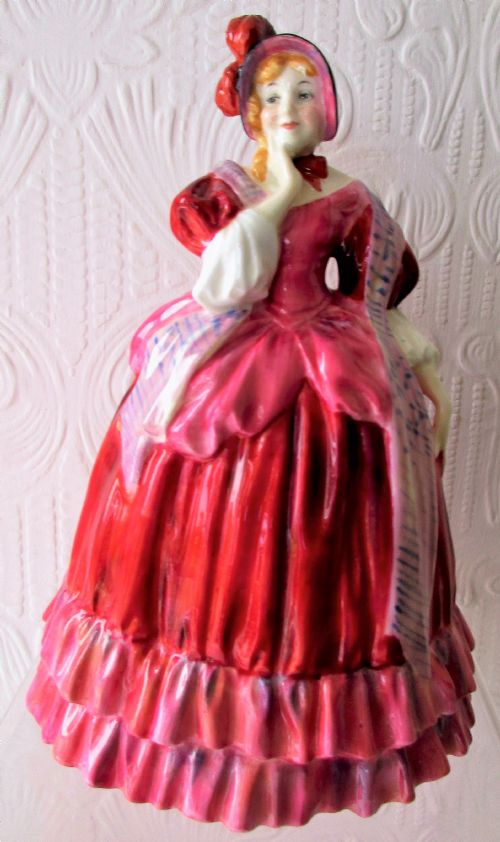
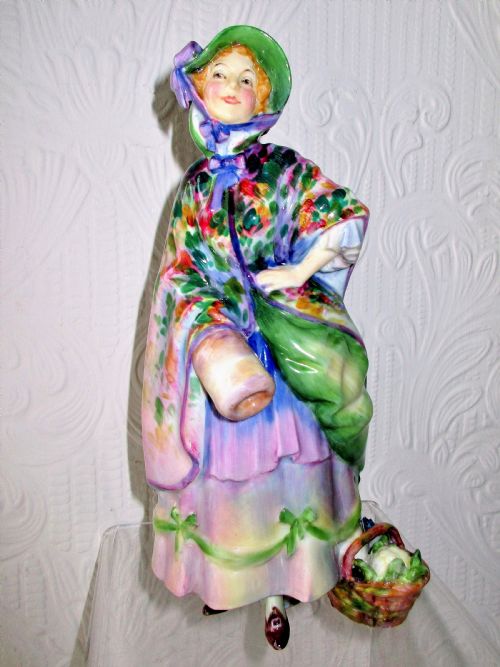
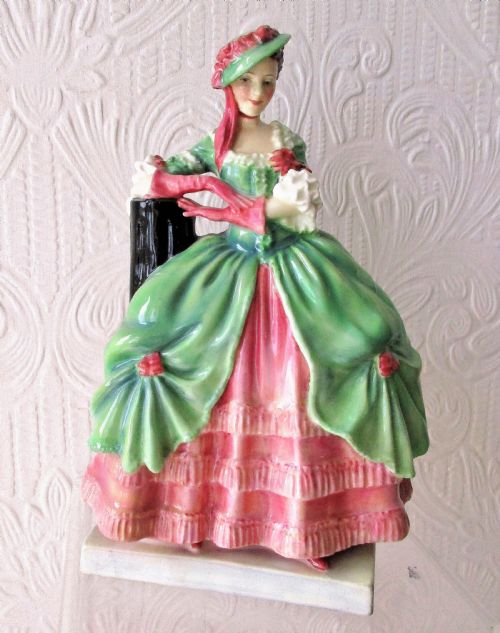
A collectible porcelain figure brings historical character to a shelf, taking the form of detailed human studies, animals, and mythological subjects crafted across several centuries.
Collectible Porcelain Figure
When you search for collectible porcelain figure, you encounter modelled ceramics spanning the eighteenth century through the mid-twentieth century. These objects range from delicate Rococo human subjects to robust Staffordshire animal pairs and twentieth-century factory character studies.
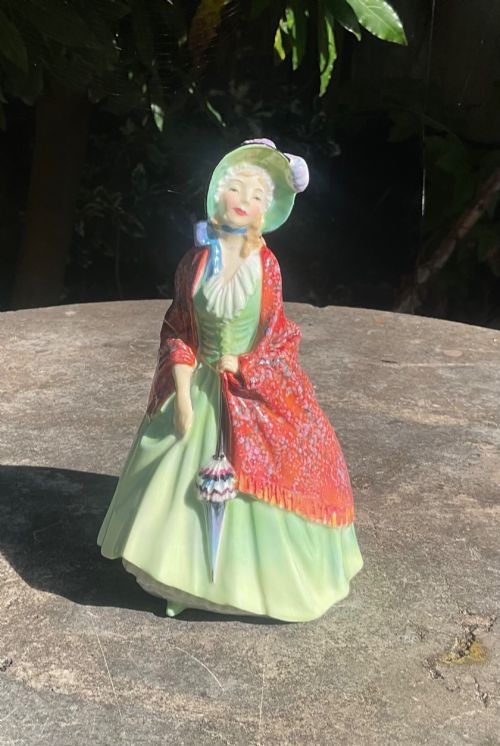
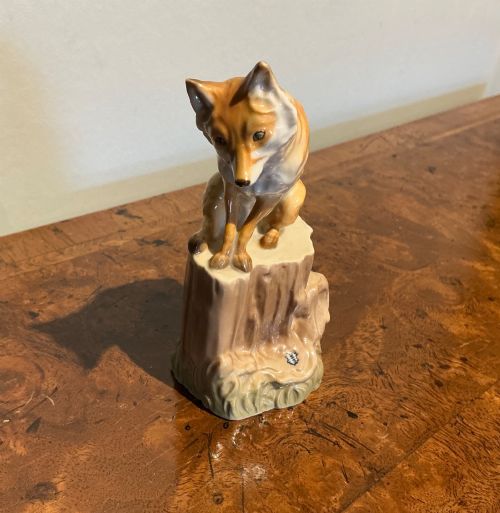
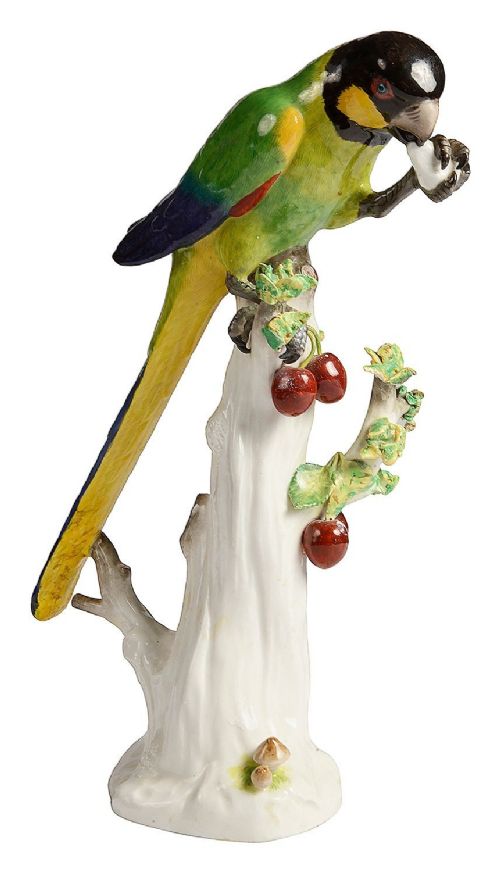
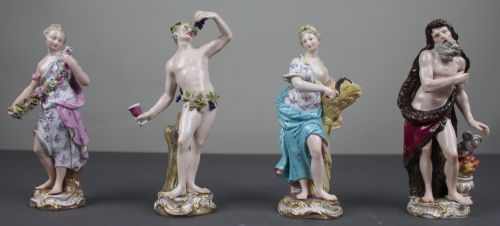
The selections available here lean heavily toward twentieth-century English porcelain pieces, particularly Royal Doulton ladies and Royal Worcester figures, alongside continental European porcelain works from Meissen, Derby, and Royal Copenhagen.
Forms extend beyond standard human figurines to include functional candle snuffers, architectural figures, and detailed sculptural groups reflecting periods from Georgian elegance to Art Deco modernism.
Materials and Techniques
Makers utilised fine porcelain, bone china, and earthenware, shaping the clay through moulding or hand-modelling before applying intricate ceramic glazes.
Certain Victorian households placed porcelain dwarves on dining tables to spark conversation, proving that even formal dining rooms appreciated a touch of mischief.
Assessing Quality
The standard of a figure rests in the crispness of the modelling and the precision of the hand-painted enamel work, where finer examples display subtle shading and sharp definition in hands, drapery, and facial expressions.
Early eighteenth-century and nineteenth-century pieces derive distinction from the fluidity of the original sculptor's design and the preservation of delicate glazed surfaces over generations.
Royal Doulton·Royal Worcester·Meissen·Derby·Royal Copenhagen·Samson of Paris·Nymphenburg·Royal Dux
The Collectible Porcelain Figure Glossary
- Bone china
- A type of soft-paste porcelain containing bone ash, providing strength and a characteristic milky translucency.
- Enamel
- Vitreous coloured glass fused to the porcelain surface during a secondary firing to create bright, permanent designs.
- Glaze
- A glassy layer fused to the ceramic body through heat, sealing the porous clay beneath a protective glossy or matte finish.
- Pearlware
- A fine earthenware developed in the late eighteenth century with a bluish glaze that pooled subtly in recesses.
- Biscuit porcelain
- Unglazed ceramic fired once to a matte, tactile finish resembling marble, often utilised for neoclassical figures.
Collectible Porcelain Figure: Frequently Asked Questions
How do I date an antique porcelain figure?
Dating relies on identifying factory backstamps, impressed model numbers, and stylistic markers associated with specific periods like the Georgian or Edwardian eras. Comparing the painting style and clay body to known factory output helps narrow the production window.
Changes in glaze composition and registration marks provide further clues, though expert reference books remain essential for exact chronological placement.
Were these figures meant for display or use?
Most porcelain figures served strictly decorative roles on mantelpieces, dining tables, and cabinet shelves to display the owner's taste and wealth. Certain specialised forms, such as candle snuffers, combined ornamental modelling with practical household utility.
Over time, even purely decorative figures became treasured collector pieces rather than casual room ornaments.
How should I clean and care for porcelain figures?
Dust figures gently with a soft, dry brush to prevent accumulation in crevices without risking delicate painted details or protruding fingers. Avoid harsh chemical cleaners and water immersion, particularly on pieces with cold-painted highlights or fragile enamel work.
Keep pieces away from direct sunlight and areas subject to sudden temperature shifts to protect the glaze and body from stress.
What is the difference between porcelain and earthenware figures?
Porcelain is fired at higher temperatures, resulting in a dense, non-porous material that is often translucent and rings slightly when tapped. Earthenware, such as traditional Staffordshire pottery, uses a more porous clay body that requires an opaque glaze for sealing.
Porcelain generally permits finer detail in moulding and painting, whereas earthenware often displays a heavier, robust folk-art charm.