

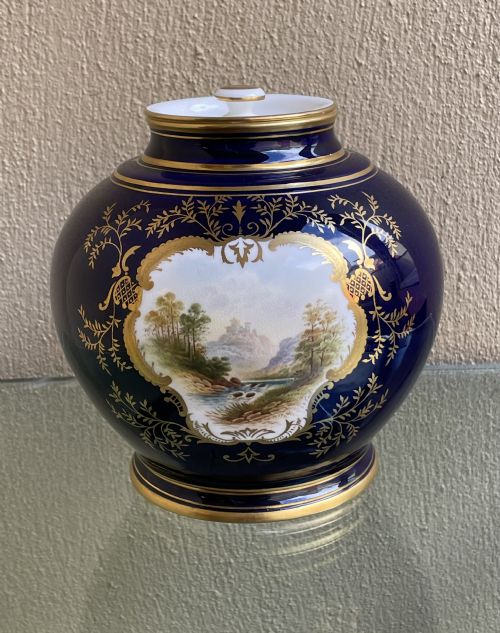


Gilded Porcelain Covered Jar
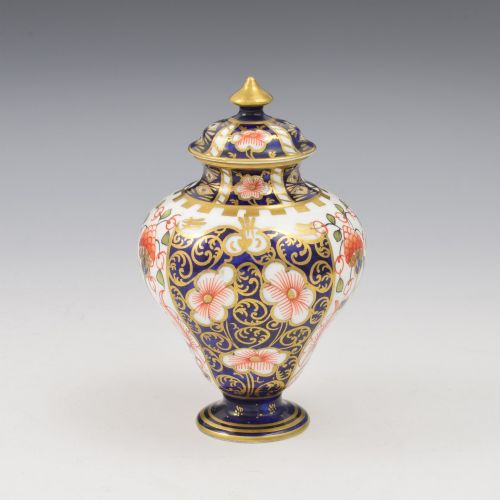
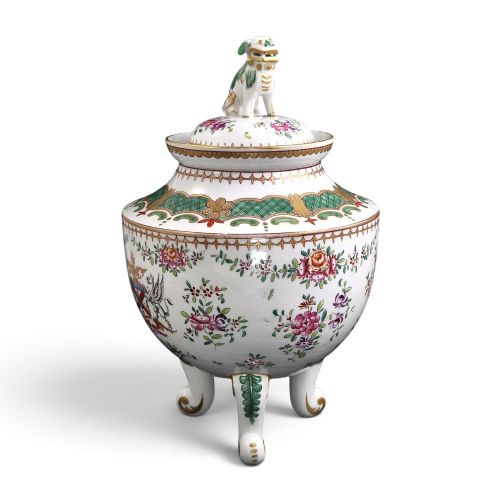
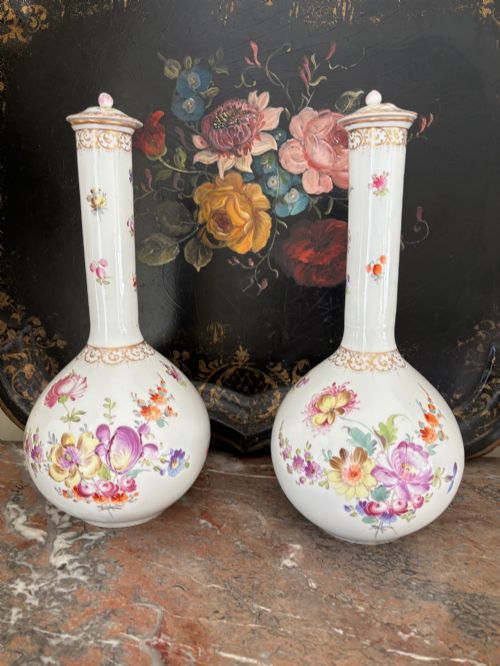
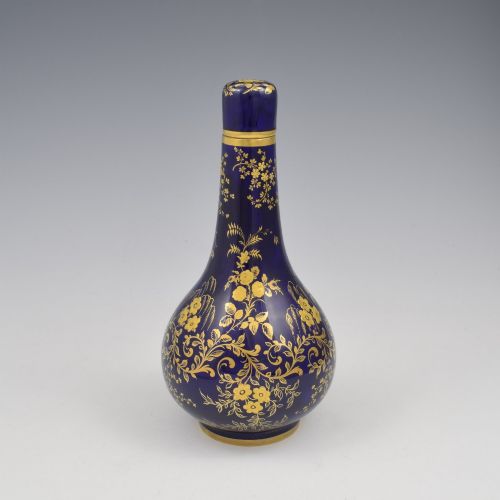
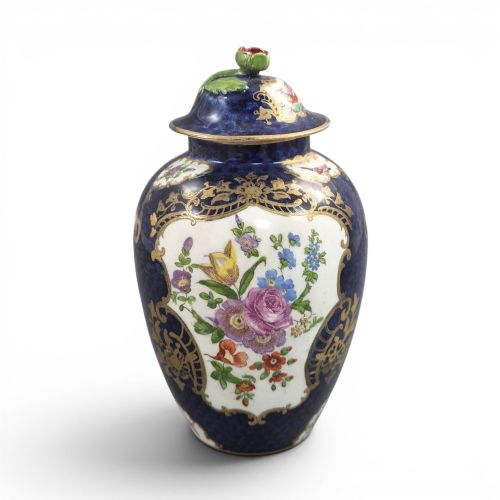
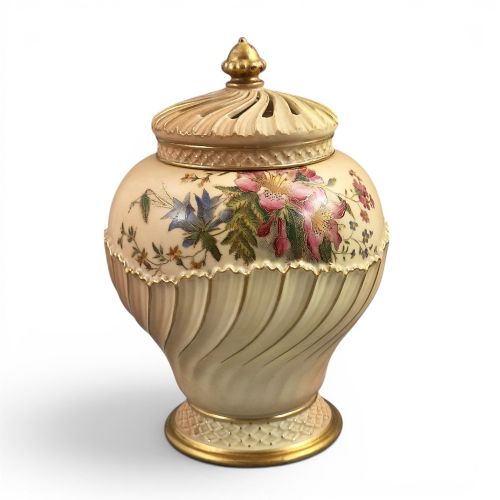
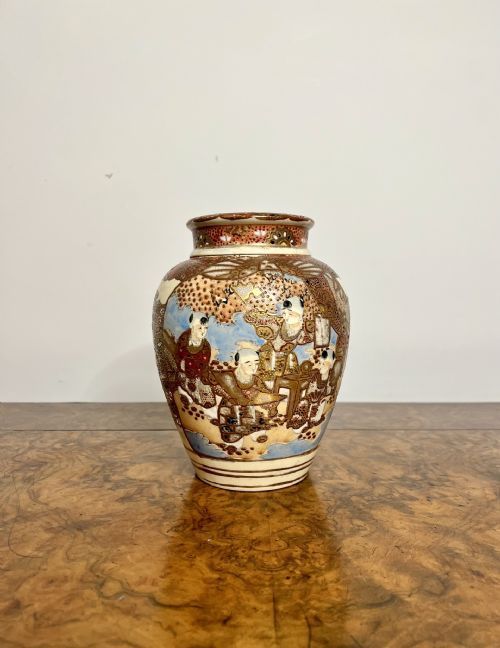
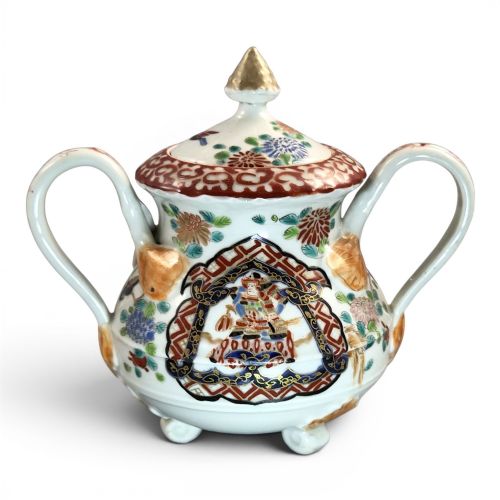
These gilded porcelain covered jars combine painted decoration with metallic leaf across Victorian, Edwardian, and Meiji periods.
Gilded Porcelain Covered Jar
A gilded porcelain covered jar functions as a decorative vessel or container, encompassing forms such as bulbous urns, pot-pourri jars, and ginger jars. When searching for this phrase, collectors encounter pieces spanning the eighteenth century through to the mid-twentieth century.
The most prevalent examples on this page date from the nineteenth century, reflecting Victorian and Edwardian tastes alongside Japanese Meiji period imports. These vessels display various styles, including Rococo Revival, Neoclassical, and Japanese Imari.
Makers utilised ceramic forms to display hand-painted floral panels, armorial motifs, and landscape scenes. The addition of a lid completes each piece, creating a unified silhouette that balances utility with ornamental display.
Materials and production methods
Potters shaped these vessels from hard-paste porcelain, ceramic, earthenware, and ironstone before applying glazes and enamel colours. Artisans then added gold leaf, gilt, or standard gilding to highlight rims, handles, and painted panels.
Decoration relied heavily on meticulous hand-painted details, ranging from botanical studies and exotic birds to samurai figures and Watteau-style court scenes. Kiln firing fixed the pigments and metals onto the surface, creating durable finishes that survived across generations.
Several jars bear intricate paintings of exotic birds and samurai, proving that nineteenth-century artisans possessed boundless imaginations.
Judgements of quality and craftsmanship
Quality rests upon the precision of the hand-painted brushwork and the refinement of the ceramic body. Superior examples demonstrate intricate detail in figurative or floral scenes, executed by named artists or established manufactories.
The application of gilding further distinguishes finer pieces, showing crisp tooling and substantial gold leaf rather than flat, worn paint. Well-balanced proportions and harmonious integration between the jar and its original cover define the upper tier of these vessels.
Royal Crown Derby·Samson Paris·Sitzendorf·Royal Worcester·Coalport·Royal Vienna·Helena Wolfsohn Dresden
The Gilded Porcelain Covered Jar Glossary
- Gilding
- The application of gold leaf or gold dust to the surface of porcelain. This technique accentuates structural borders and ornamental motifs.
- Hard-paste porcelain
- A durable ceramic material composed of kaolin and petuntse fired at high temperatures. It provides a bright white body suitable for detailed enamel painting.
- Imari
- A style of Japanese export porcelain featuring deep cobalt blue and iron red, frequently augmented with gold. European factories frequently copied these distinct patterns during the nineteenth century.
- Pot-pourri jar
- A decorative vessel featuring a pierced lid designed to release dried scents into a room. These containers often rest on matching bases.
- Sucrier
- A small covered sugar bowl used in tea service sets. They mirror the decorative schemes of larger vases and urns from the same period.
Gilded Porcelain Covered Jar: Frequently Asked Questions
What were gilded porcelain covered jars used for?
These vessels served primarily as decorative ornaments on mantelpieces and side tables within formal reception rooms. Some specific forms, such as pot-pourri jars, held scented dried botanicals to fragrance domestic interiors.
Other variants acted as ginger jars or sugar bowls within larger porcelain dinner and tea services. Their elaborate decoration meant they were displayed for aesthetic appreciation rather than everyday utilitarian tasks.
How do I care for my covered jar?
Dust the porcelain gently using a soft, dry brush to prevent the accumulation of dirt within recessed painted areas. Avoid using liquid cleaners, abrasive cloths, or chemical solvents, which can damage fragile overglaze gilding.
Keep the vessel away from direct sunlight to preserve the vibrancy of hand-painted enamel colours. Handle the lid separately from the base with both hands to prevent accidental drops.
How do I tell Japanese Imari from European copies?
Japanese Imari pieces from the Meiji period display characteristic iron red and underglaze blue pigments applied to dense, slightly greyish porcelain bodies. The brushwork tends to be spontaneous and incorporates traditional Japanese motifs.
European factories like Samson produced deliberate copies using whiter, more uniform paste and different firing marks. Close inspection of the paste composition and the tone of the gilding reveals the origin of the manufacture.
How can I identify the period of a jar?
Examine the base of the vessel for factory marks, cyphers, or painter signatures that correspond to known operational dates. Stylistic indicators, such as the heavy moulding of Rococo Revival or the geometric lines of Art Deco, also narrow down the era of production.
The quality of the gilding and the palette of the enamel colours provide further clues to whether a piece belongs to the eighteenth, nineteenth, or twentieth century.