


Decorative Porcelain Urn Cover
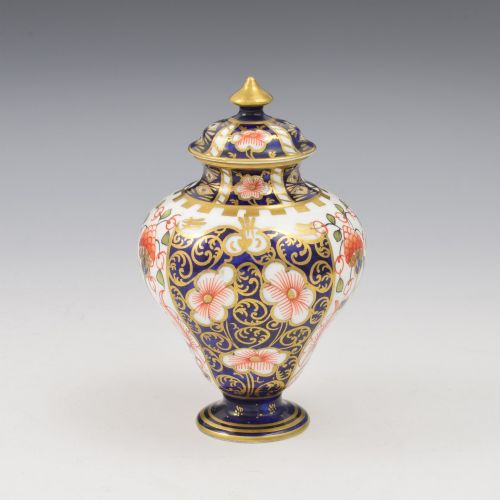
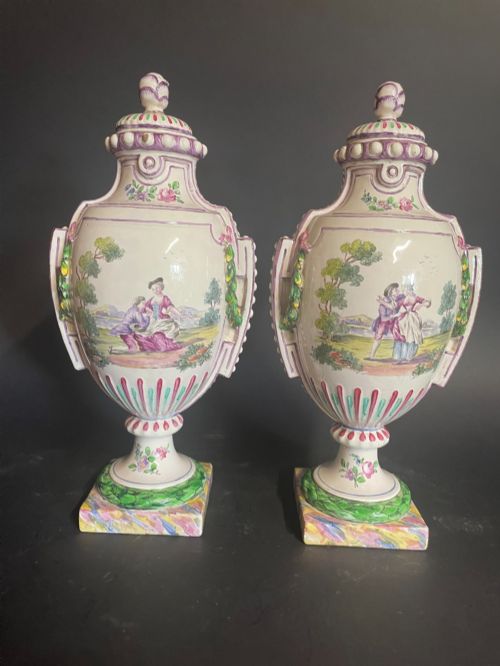
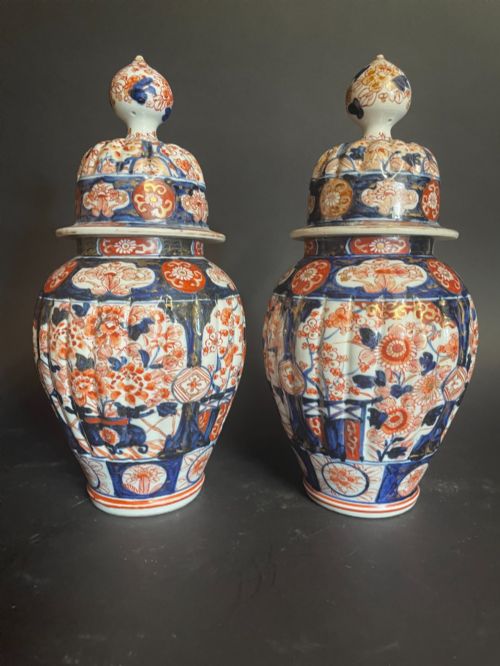
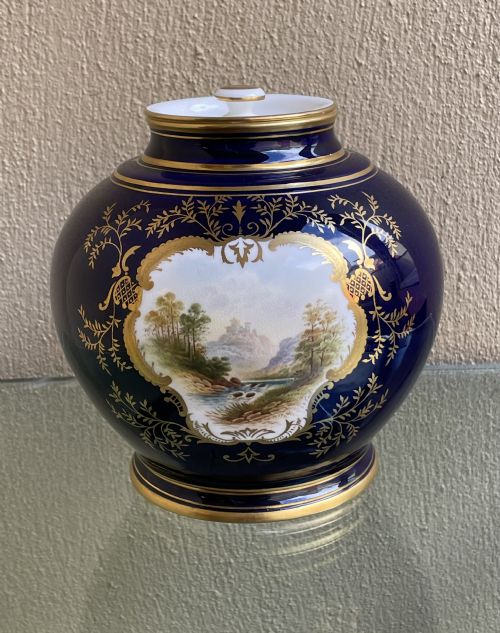
These decorative porcelain urn cover pieces bring ceramic lidded vessels into the room, offering colour and form through historic styles.
Decorative Porcelain Urn Cover
A decorative porcelain urn cover sits atop ceramic bodies designed as lidded vases, ginger jars, and pot pourri vessels. When searching for a decorative porcelain urn cover, collectors encounter nineteenth-century production alongside Edwardian and later twentieth-century examples.
The objects take many forms, from Japanese Imari and Satsuma wares to European factory pieces in the Sevres, Dresden, and Vienna manner. Pot pourri jars and pedestal vases dominate the selection, often appearing in matched pairs.
Origins span English potteries like Royal Worcester and Coalport, French and German workshops, and Japanese export kilns. Each piece unites a ceramic body with its matching lid, functioning as an ornamental centrepiece.
How they were made
The body material relies on porcelain, earthenware, and ironstone, shaped on the wheel or cast in moulds before firing. Glazes provide a smooth foundational surface, frequently enhanced by hand painting and transfer printing.
Decoration incorporates gold leaf, gilding, enamel, and ormlou mounts to accentuate the ceramic contours. Master painters added botanical, avian, and figurative scenes, sealing the pigments in a final kiln firing.
The listings feature nineteenth-century pieces alongside twentieth-century examples, using porcelain, earthenware, and gold leaf across Victorian and Art Deco styles.
What varies in quality
Quality rests on the crispness of the hand-painted detail and the precision of the gilding applied to the porcelain surface. Superior pieces display intricate brushwork by named artists rather than simple transfer prints.
The harmony between the main body and the lid dictates overall success, as replacement covers disrupt the visual balance. Weight, porcelain translucency, and the depth of the glaze also separate standard factory wares from high-end studio outputs.
Royal Crown Derby·Coalport·Spode·Samuel Alcock·Royal Worcester·Masons Ironstone·Wolfsohn Dresden·Hadley's Worcester·Royal Vienna
The Decorative Porcelain Urn Cover Glossary
- Imari
- A Japanese export porcelain style utilising iron red, cobalt blue, and gold on a white ground. European kilns frequently copied this palette.
- Pot pourri
- A vessel featuring pierced lids or shoulders designed to release scented dried plant material into a room. These jars often stand on pedestals.
- Gilding
- The application of gold leaf or gold paint to ceramic surfaces and mounts. This technique highlights rims, handles, and finials.
- Ormolu
- Gilt bronze mounts fitted to porcelain bodies to add architectural structure and ornamentation. French workshops utilised this material extensively.
- Garniture
- A set of three or more matching vases or urns designed for display together on a mantelpiece or sideboard.
Decorative Porcelain Urn Cover: Frequently Asked Questions
What is a decorative porcelain urn cover?
A decorative porcelain urn cover is the matching lid or top belonging to a lidded vase, ginger jar, or pot pourri vessel. These covers complete the silhouette of the ceramic object.
They often feature finials, pierced ventilation holes, or hand-painted decoration that matches the main body of the urn.
How do I date a lidded ceramic vase?
Dating relies on factory backstamps, stylistic markers, and the type of glaze or paste used in construction. Victorian and Edwardian pieces often carry specific registration numbers or manufacturer marks.
Comparing the painting style and colour palette to known period examples helps narrow down the decade of manufacture.
Were these vessels used for flowers?
Many lidded jars and urns served purely decorative purposes, while pot pourri vessels held dried scented mixtures. Vases with pierced covers allowed fragrance to drift into historic rooms.
Solid-lidded jars functioned as display items on mantelpieces, often arranged as balanced pairs or larger garniture sets.
How should I clean my porcelain vase?
Cleaning requires a soft, dry cloth to remove dust from the glazed surface and intricate gilding. Avoid using liquid cleaners or abrasive materials, which can damage hand-painted enamels and gold leaf.
If the interior requires washing, use tepid water without harsh detergents and dry the piece immediately with a lint-free cloth.