
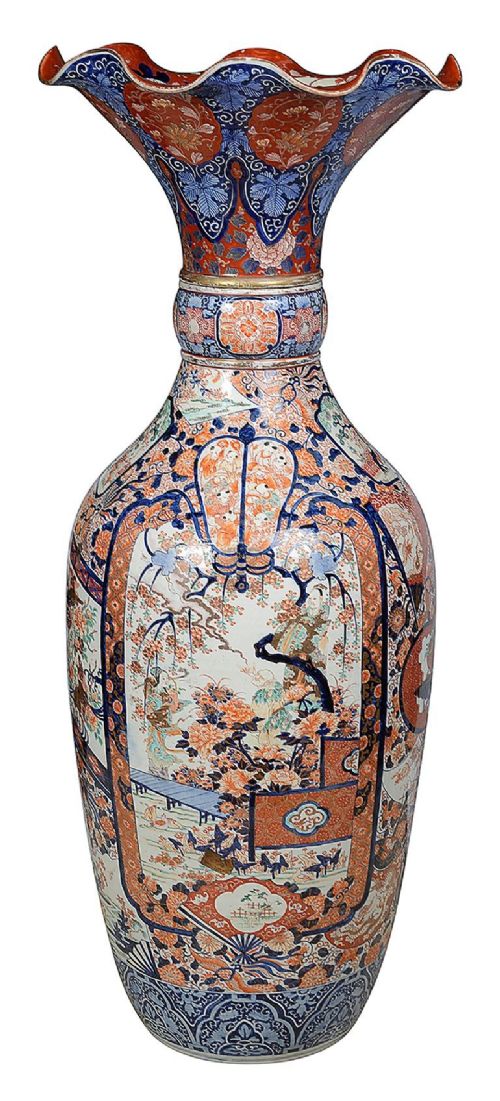


Victorian Imari Vase
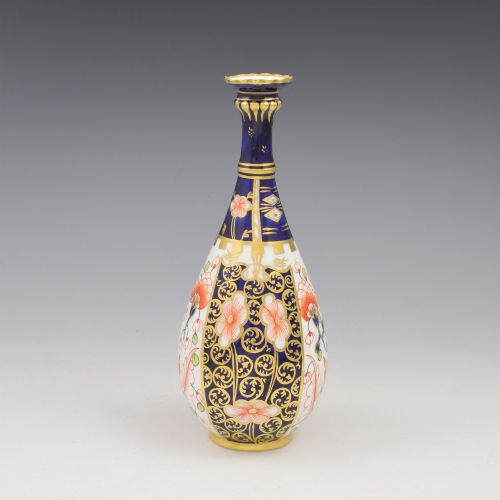
A victorian imari vase brings vibrant iron-red, cobalt blue, and gold leaf into a room, offering the bold palette that collectors seek.
Victorian Imari Vase
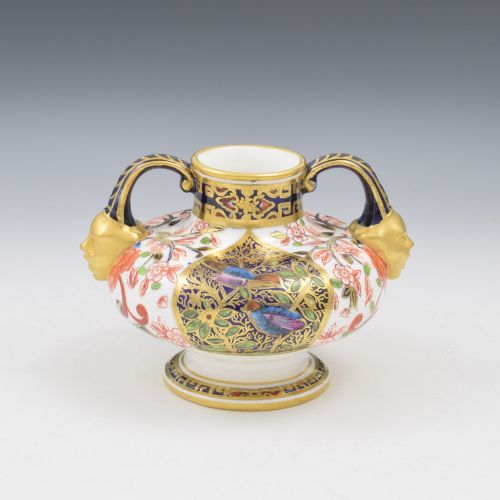
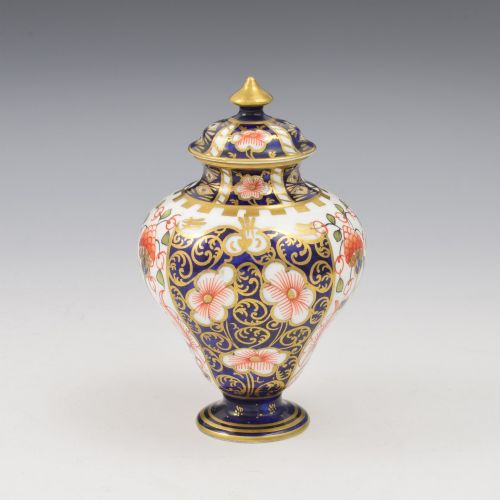
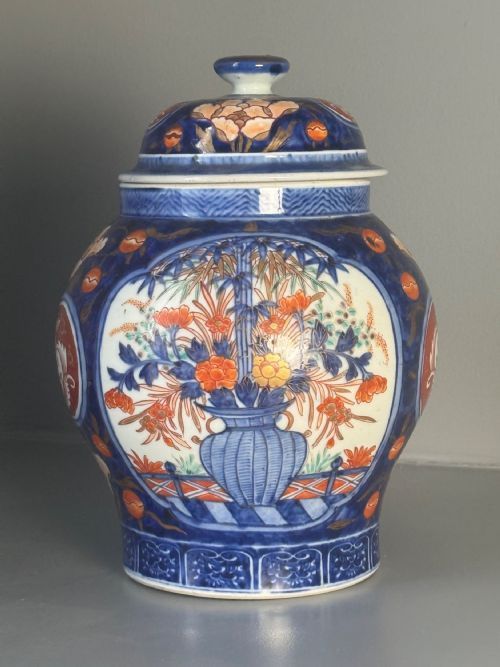
When you search for a victorian imari vase, you encounter a distinct blend of Eastern aesthetic influence and nineteenth-century British or Japanese production. These objects range from compact spill vases and moon flasks to monumental floor-standing vessels and lidded urns designed for prominent display.
The aesthetic bridges Japanese Meiji period sensibilities with English interpretations from potteries like Royal Crown Derby and Mason's. You will find both imported Japanese items and domestic ceramic pieces adopting the characteristic palette and patterned panel layout.
Forms vary from double gourdes and lidded jars to table lamps and potpourri vessels. Each example displays the characteristic division of space using geometric borders, floral motifs, and bird or landscape panels.
How they were made
Potters shaped these vessels using porcelain, ironstone, and traditional ceramic bodies before applying an initial white glaze. This base provided the smooth canvas required for the intricate hand-painted underglaze blue and subsequent enamel work.
Makers applied iron-red enamel and rich gold leaf details over the glaze, often returning the piece to the kiln multiple times to set the metallic and coloured pigments. The resulting surface relief gives the decoration a tactile depth alongside its visual intensity.
Some nineteenth-century spill vases found a second life when converted into table lamps, shedding new light on old birds and flowers.
What varies in quality
The finesse of the hand-painting distinguishes standard production from superior examples, particularly in the precision of the fine line work and the complexity of the panel divisions. Master painters achieved crisper geometric borders and more nuanced animal and floral motifs.
The application and preservation of the gold leaf and enamel also determine the grade of a piece, with high-quality specimens retaining dense, burnished gilding that has resisted rubbing over the decades. The weight and stability of the underlying ironstone or porcelain body further indicate the standing of the maker.
Royal Crown Derby·Stevenson and Hancock·Mason's Ironstone·Davenport Porcelain
The Victorian Imari Vase Glossary
- Imari
- A style of ceramic decoration originating in Japan, defined by a palette of cobalt blue, iron-red, and supplementary gold leaf. British potteries later adopted these motifs to suit domestic tastes.
- Ironstone
- A heavy, durable type of ceramic developed in the nineteenth century as a robust alternative to porcelain. It readily accepted colourful enamel patterns and heavy gilding.
- Gilding
- The application of gold leaf or gold paint to the surface of ceramics. It serves to highlight panel borders and central motifs within the design scheme.
- Double gourd
- A vase form shaped like two stacked spheres, reminiscent of a traditional Asian water vessel. This silhouette frequently appears in nineteenth-century Japanese porcelain production.
- Moon flask
- A flattened, circular vase fitted with a short neck and small handles, standing on a distinct base. This shape provided a wide, flat field for detailed pictorial decoration.
Victorian Imari Vase: Frequently Asked Questions
How do I date a victorian imari vase?
Dating relies on examining the factory marks stamped or painted on the base, alongside the specific ceramic body used. Ironstone bodies often suggest earlier nineteenth-century production, while specific pattern numbers help narrow the timeframe.
stylistic details such as the integration of Japanese Meiji period motifs also assist in placing the piece within the broader nineteenth-century timeline.
Were these vases meant for flowers?
Many forms, such as spill vases and standard cylindrical vessels, served practical functions for holding cut flowers on mantelpieces. Larger lidded jars and potpourri pieces were primarily decorative display items.
even vessels with apertures were frequently kept empty to preserve the hand-painted surfaces from moisture and mineral deposits over time.
How do I care for my vase?
Maintenance requires gentle dusting with a soft, dry cloth to prevent the accumulation of dirt within the textured enamel surfaces. Avoid using commercial cleaning agents or immersing the piece in water.
protecting the item from direct sunlight preserves the vibrancy of the iron-red enamel and prevents the gold leaf from dulling.
What is the difference between English and Japanese pieces?
Japanese pieces from the period often feature lighter porcelain bodies and specific regional motifs reflecting the Meiji aesthetic. English interpretations, such as those by Derby or Mason's, typically utilise heavier ironstone or bone china.
British examples also tend to adapt the traditional palette with distinct regional variations in pattern numbering and potting techniques.