




Gilded Porcelain Clock
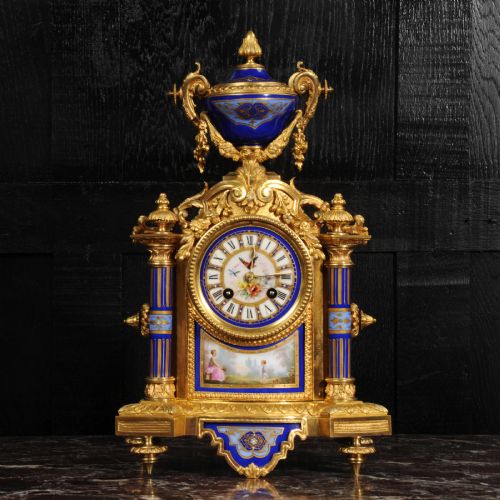
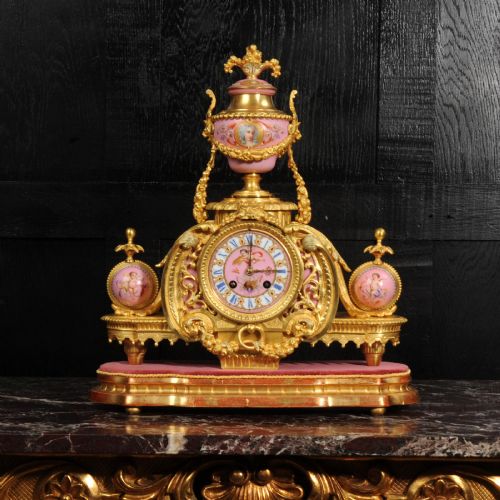
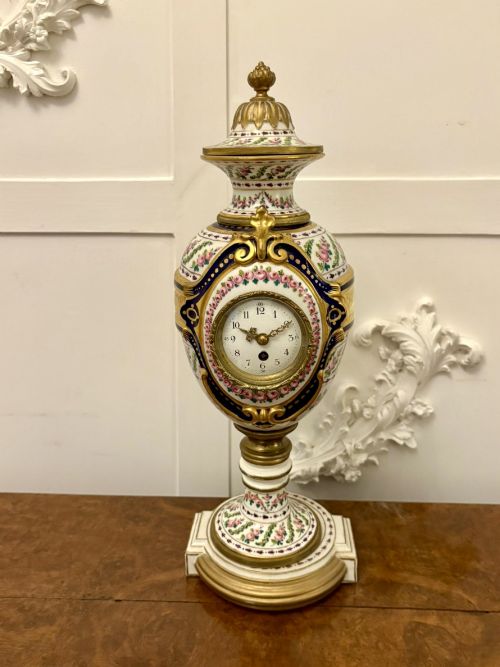
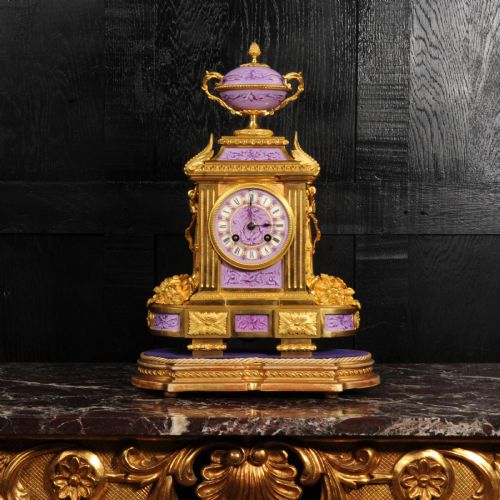
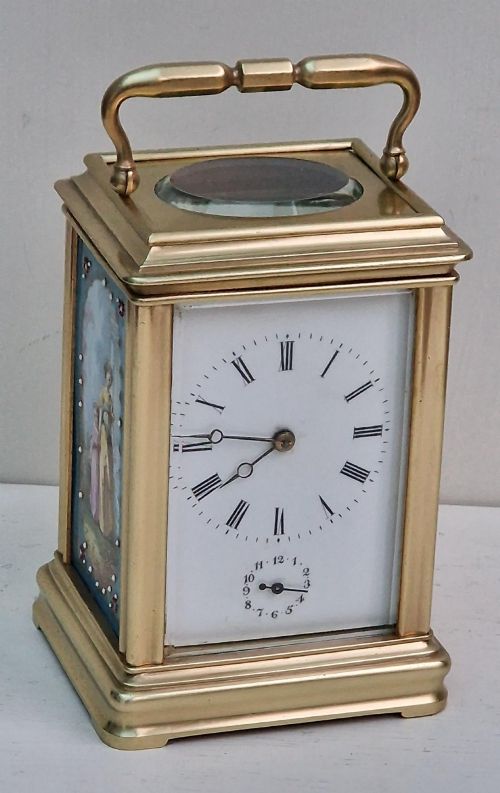
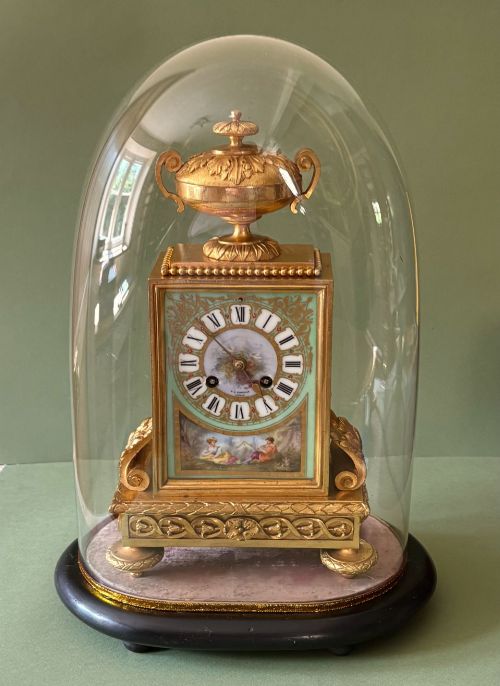
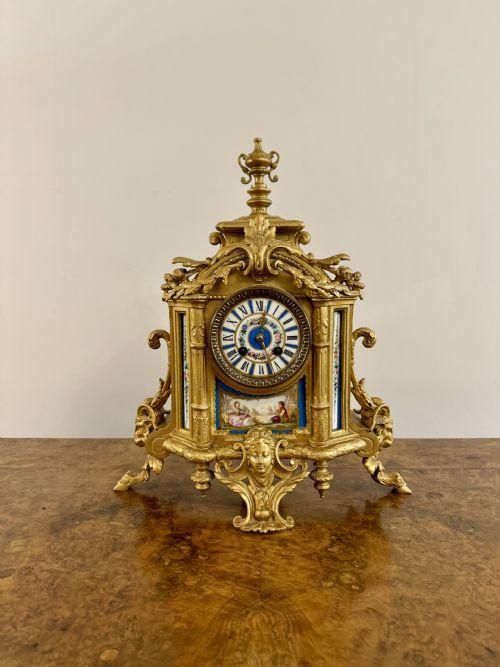
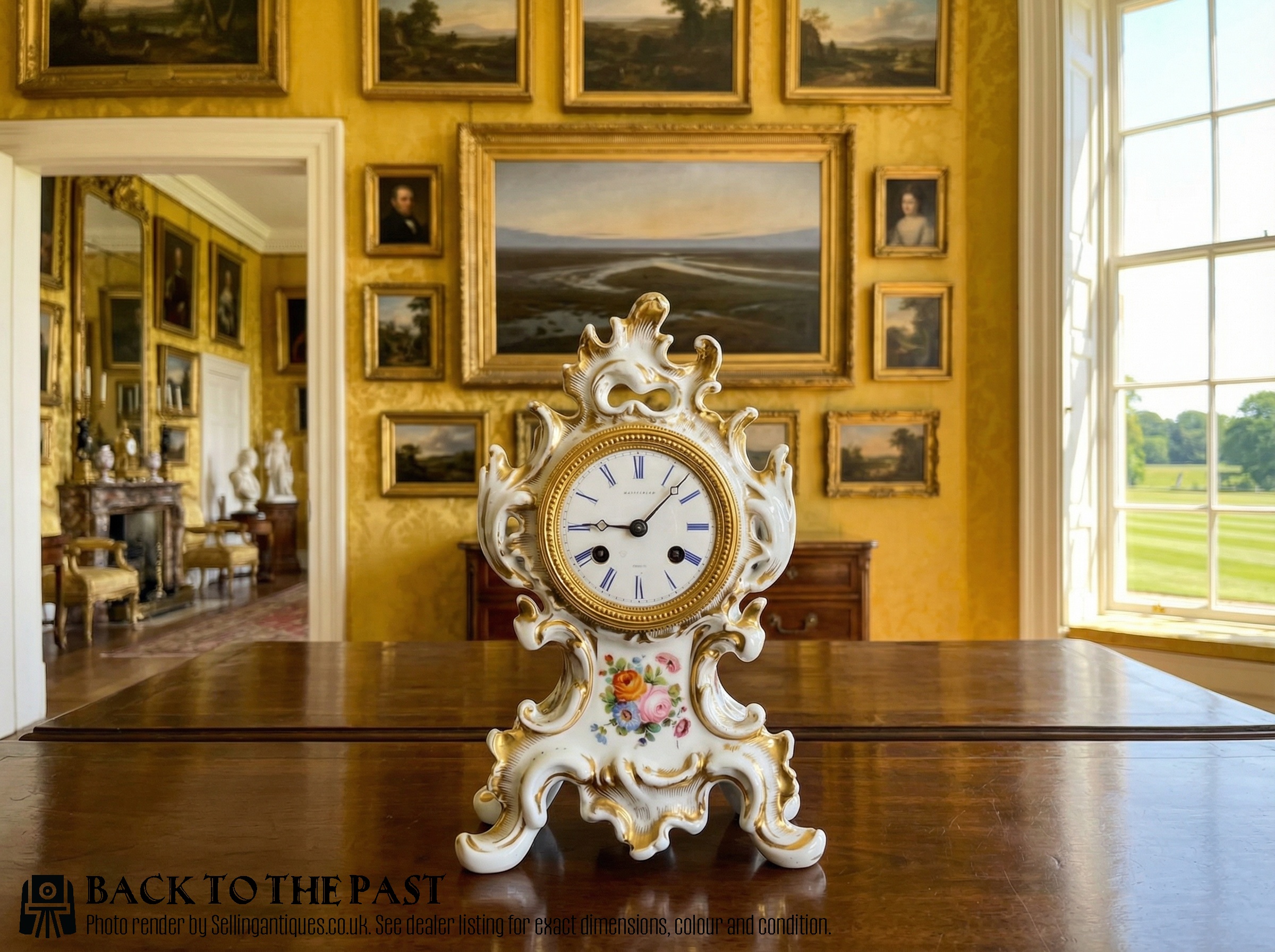
These gilded porcelain clock examples combine French ormolu mounts with hand-painted ceramic panels to anchor a traditional mantelpiece.
Gilded Porcelain Clock
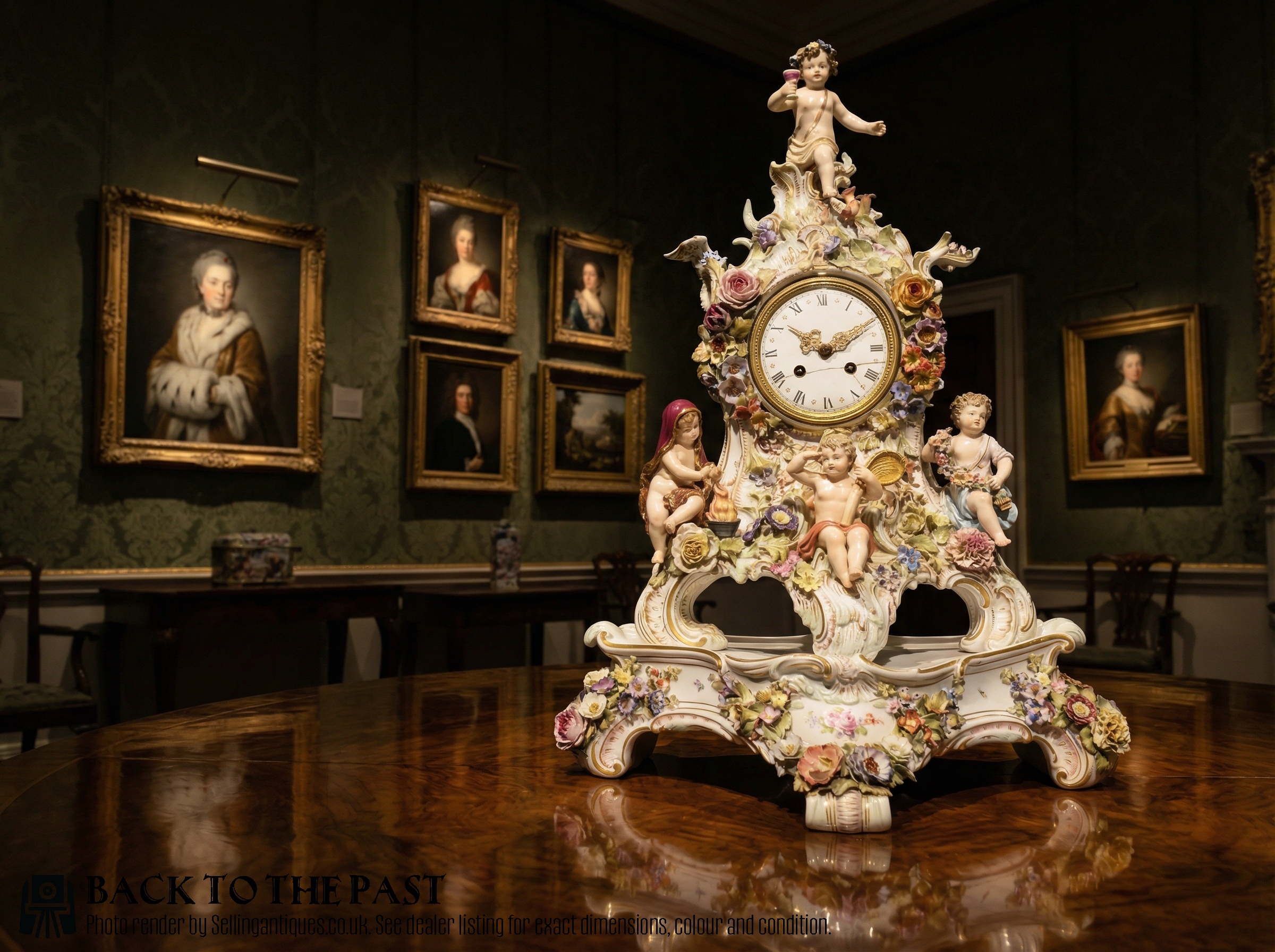
A gilded porcelain clock brings together the precision of nineteenth-century horology with decorative ceramic panels, typically originating from French workshops during the Victorian period. These items appear primarily as mantel clocks or larger garniture sets accompanied by matching side vases or urns.
The objects span revival styles such as Louis XVI, Napoleon III, and Rococo, reflecting mid to late nineteenth-century tastes for ornate interior decoration. Many examples incorporate painted porcelain faces or dial panels alongside cast bronze and gilt metal frames.
Factors affecting quality
Quality rests heavily on the crispness of the gilt bronze casting and the artistry of the hand-painted porcelain plaques. Finer specimens display deeply chased ormolu mounts alongside finely detailed ceramic miniature painting rather than transfer-printed decoration.
The reputation of the horological maker also separates standard items from the best examples. Signed movements from established nineteenth-century French makers hold greater significance than unsigned or generic mechanisms.
Listings feature porcelain, ormolu, gilt bronze, and enamel materials across Victorian and nineteenth-century periods.
Japy Freres·Achille Brocot·PH Mourey·Le Roy & Fils·Vincenti of Paris
The Gilded Porcelain Clock Glossary
- Ormolu
- A technique of applying finely ground high-carat gold to a bronze base using mercury. This creates a rich golden finish that defines nineteenth-century French metalwork.
- Garniture
- A set of matching decorative objects designed to be displayed together on a mantelpiece. These typically consist of a central clock flanked by two matching vases or urns.
- Sevres style
- A descriptive term for porcelain decorated in the manner of the famous French royal factory. It usually denotes hand-painted scenes set against coloured grounds with rich gilding.
- Crystal regulator
- A mantel clock housed in a glazed glass case that allows light to pass through the mechanism. This style became popular during the later nineteenth century.
Gilded Porcelain Clock: Frequently Asked Questions
How do I wind a mantel clock?
Most nineteenth-century mechanical clocks require a key to tension the springs via winding arbours on the dial face. Care must be taken not to overwind the mechanism.
Clock keys should fit the winding square securely to avoid damaging the internal components during regular maintenance.
Where were these clocks made?
The majority of these decorative timepieces were manufactured in France during the nineteenth century. Paris served as the primary centre for both horological movements and decorative gilt bronze casting.
Some examples also incorporate porcelain sourced from German factories such as Meissen or Berlin alongside French mounts.
How do I care for gilt bronze?
Gilt bronze and ormolu require gentle dusting with a soft, dry cloth to prevent the accumulation of dirt. Chemical cleaners and abrasive polishes must be avoided entirely.
Harsh cleaning products will strip away the delicate gold leaf and historical patina from the metal surface.