
Gilded Painted Display Cabinet
When you search for a gilded painted display cabinet, you are looking at glazed vitrines, lacquered marriage cabinets, and ornate porcelain plates finished with gold leaf.
Gilded Painted Display Cabinet
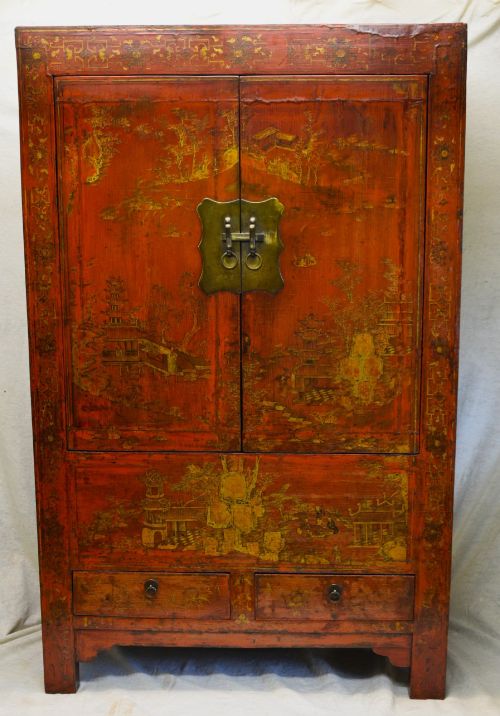
A gilded painted display cabinet groups together two distinct categories from the evidence: large timber furniture such as French Vernis Martin vitrines and Chinese red lacquered wedding cabinets, alongside smaller ceramic display pieces often referred to as cabinet plates. The timber furniture generally dates from the nineteenth century, utilising glass panels and ormalu mounts to showcase objects within a room.
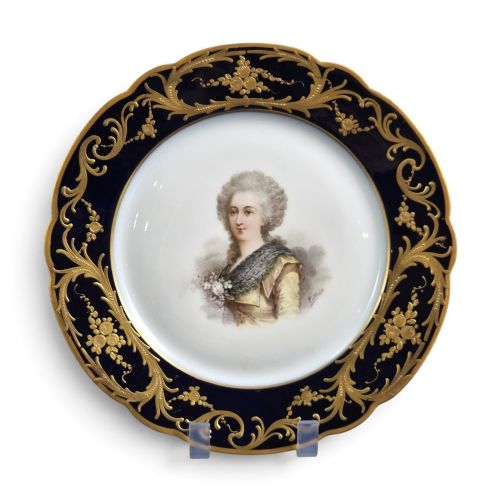
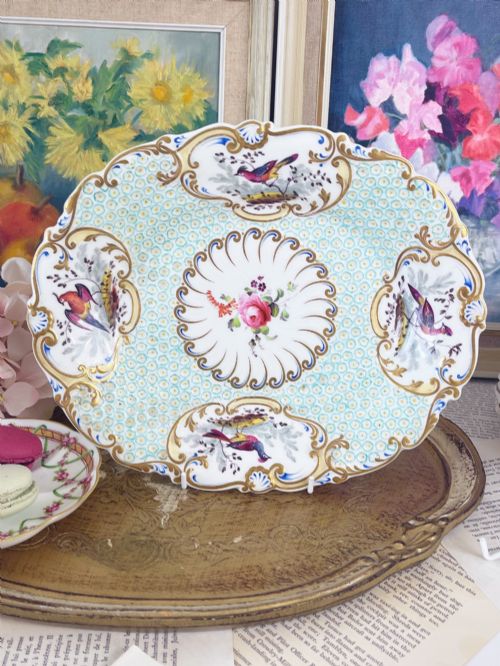
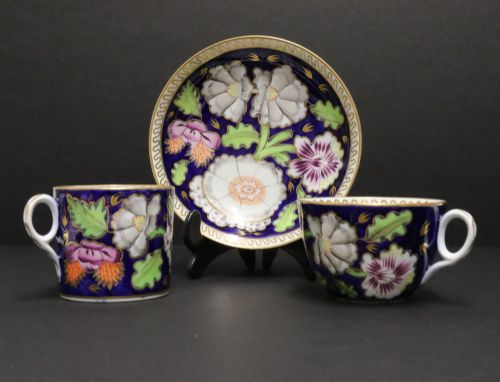
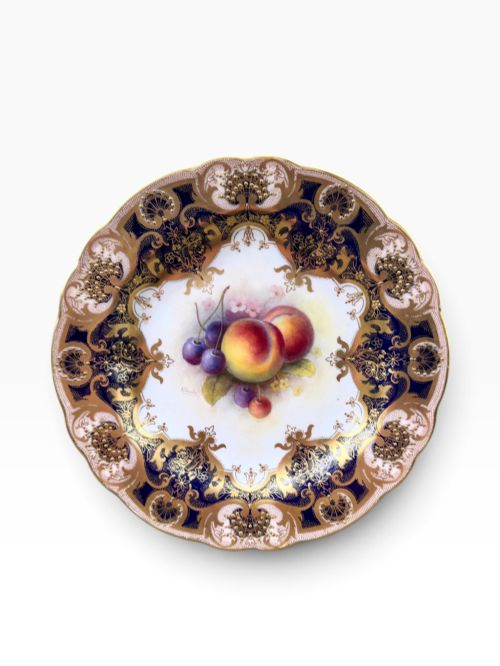
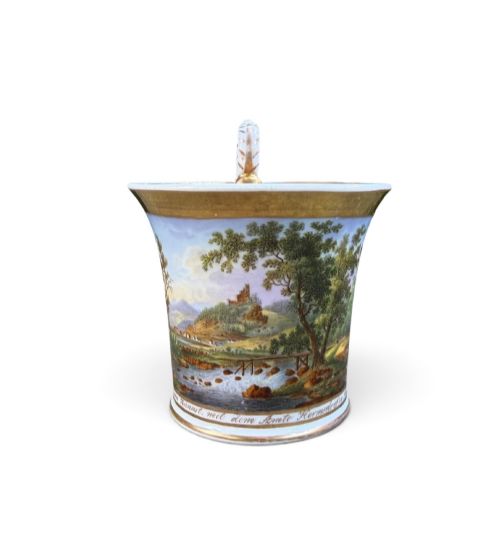
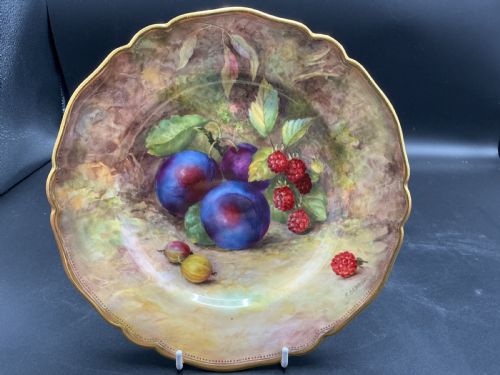
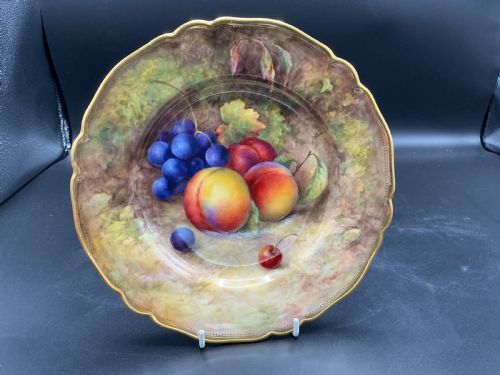
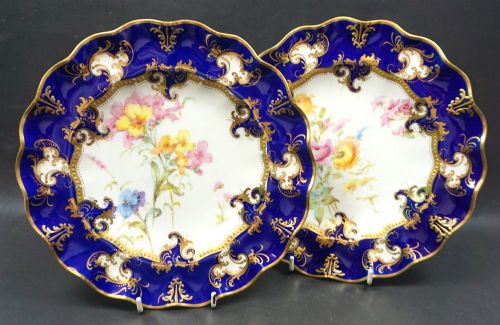
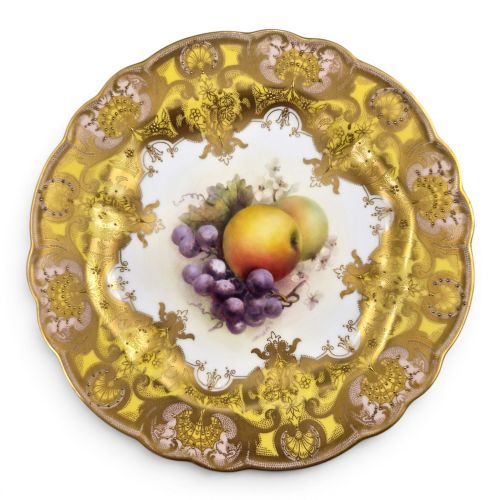
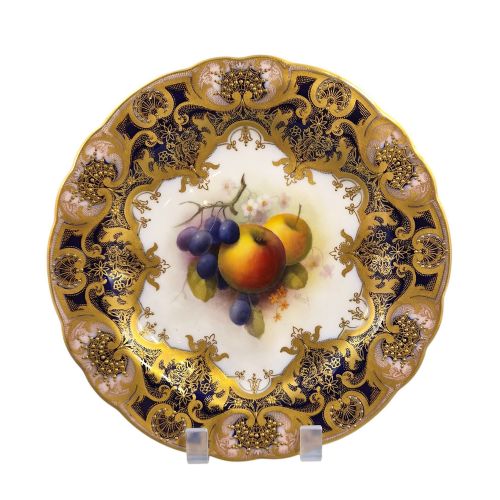
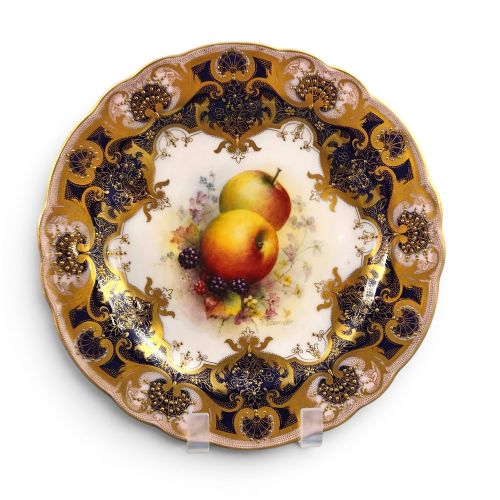
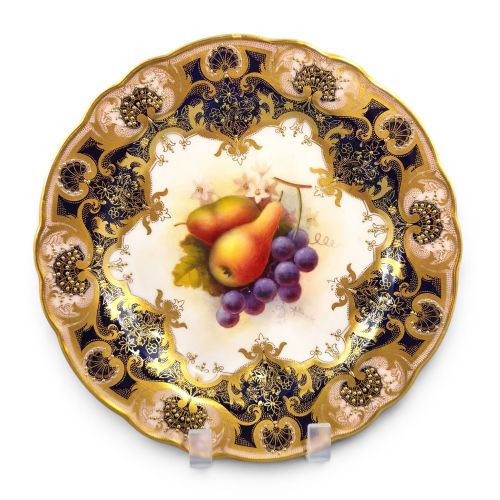
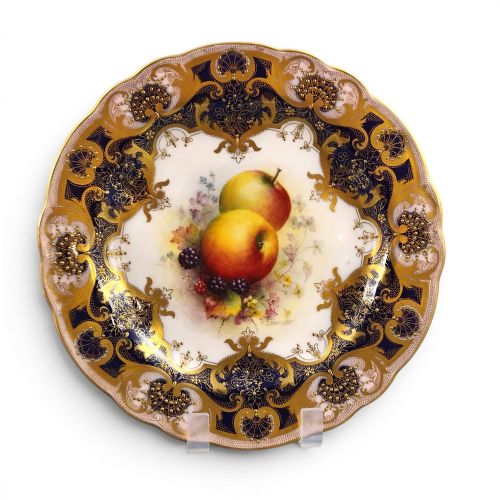
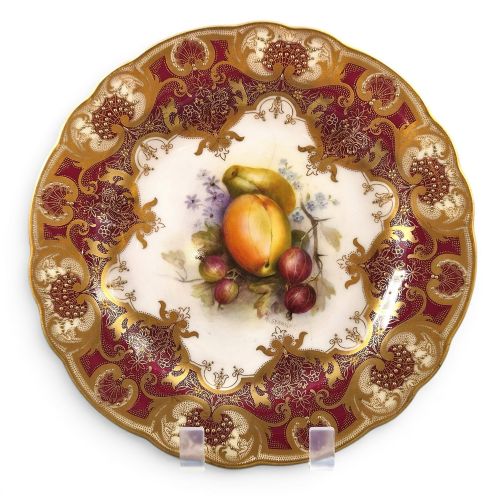
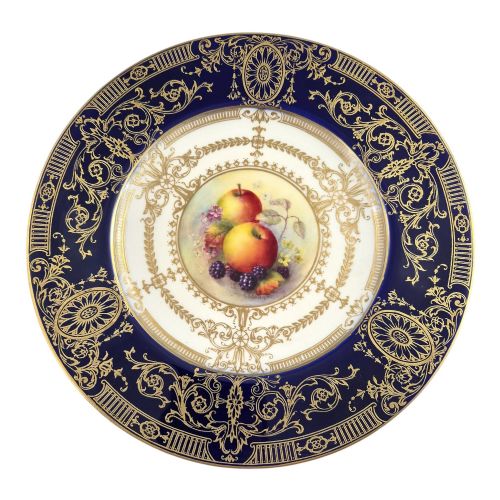
The ceramic entries under this heading comprise plates, dishes, and trios produced by factories like Royal Worcester, Minton, and Wedgwood. These items were made strictly for display rather than everyday dining, often featuring hand-painted botanical, avian, or topographical scenes framed by gilt borders.
How they were made
The timber pieces rely on mahogany, kingwood, or Chinese elm, finished with lacquer or Vernis Martin techniques and highlighted with applied gold leaf or gilding. Glass panels and brass or ormalu mounts complete the structural framework of the larger vitrines.
The ceramic plates and dishes are formed from porcelain, bone china, or enamel, then decorated with hand-painted pigments. Artisans applied gold leaf and gilding to the edges and borders, frequently firing the pieces multiple times to set both the enamel colours and the metallic accents.
Materials recorded across the inventory include porcelain, bone china, glass, brass, gold leaf, and red lacquer.
What varies in quality
Quality in the timber cabinets rests on the execution of the painted panels and the precision of the ormalu mounts. Finer examples display intricate Vernis Martin work and solid cabinetmaking in woods like kingwood and mahogany, whereas simpler pieces rely on basic lacquering.
Among the porcelain and bone china plates, quality is determined by the skill of the named artist and the complexity of the hand-painted subject. Pieces bearing signatures from recognised painters command greater attention than standard factory productions.
Royal Worcester·Minton·Wedgwood·Royal Crown Derby·Royal Doulton·Meissen·Coalport·Newhall·H and R Daniel·John Ridgway·Aynsley·Barr Flight and Barr·Darte Brothers·Berlin
The Gilded Painted Display Cabinet Glossary
- Vitrine
- A glass-fronted display cabinet designed to exhibit porcelain and decorative objects. These often feature ormalu mounts and painted panels.
- Cabinet plate
- A decorative ceramic plate intended solely for display on a wall or in a cabinet rather than for table use. These typically feature hand-painted scenes and gilt borders.
- Vernis Martin
- A simulated Japanese lacquer technique developed in eighteenth-century France and replicated in later cabinets. It involves multiple layers of varnish applied to timber furniture.
- Ormolu
- Gilded bronze mounts applied to the corners and frames of nineteenth-century furniture. They provide decorative detail and structural reinforcement.
- Gilding
- The application of gold leaf or gold powder to the surface of wood, porcelain, or metal. It accentuates borders and ornamental details.
Gilded Painted Display Cabinet: Frequently Asked Questions
What is a cabinet plate?
A cabinet plate is a porcelain or bone china dish created primarily for visual display rather than dining use. These items frequently feature detailed hand-painted illustrations.
Makers often added elaborate gilt borders and registered specific views or studies of fruit and birds to make them suitable for a vitrine.
How do I identify a Vernis Martin cabinet?
Vernis Martin furniture uses a distinct finishing technique that mimics Asian lacquer through layered varnishes. These cabinets often incorporate painted decorative scenes directly onto the wood.
They typically date from the nineteenth century and are frequently mounted with ormalu brass details around the glass panels.
Were Chinese wedding cabinets painted?
The Chinese marriage cabinets seen in these listings are constructed from elm and finished with red lacquer. They served functional storage purposes in domestic settings.
Unlike French vitrines, these timber pieces rely on deep red lacquer finishes rather than gold leaf or intricate porcelain displays.
Who painted Royal Worcester cabinet plates?
Royal Worcester employed specialist artists such as Richard Sebright, Albert Shuck, and Brian Leaman to paint fruit and botanical studies. Their signatures often appear on the front or reverse of the ceramic.
These plates date from the late nineteenth and early twentieth centuries, representing a distinct peak in painted porcelain production.