



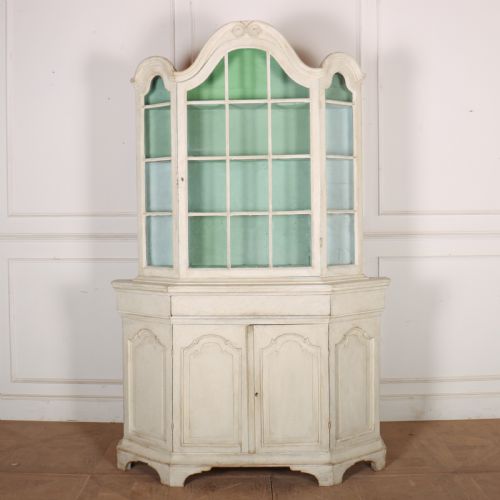


Off White Display Cabinet
An off white display cabinet brings light and presence to a room, offering a pale, painted finish that sets off books, specimens, and ceramics.
Off White Display Cabinet
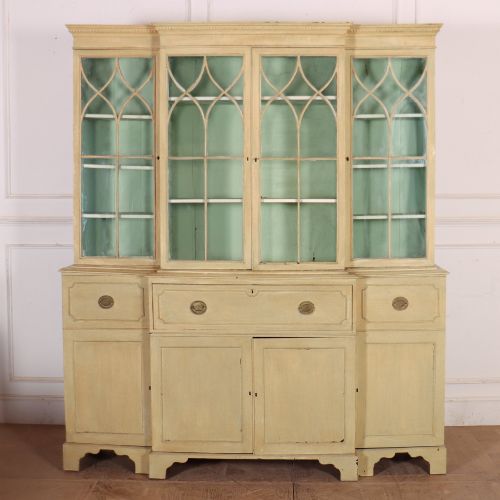
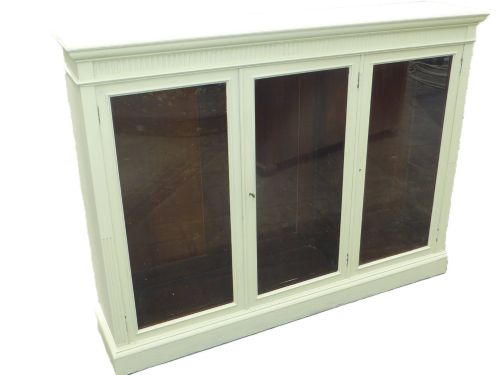
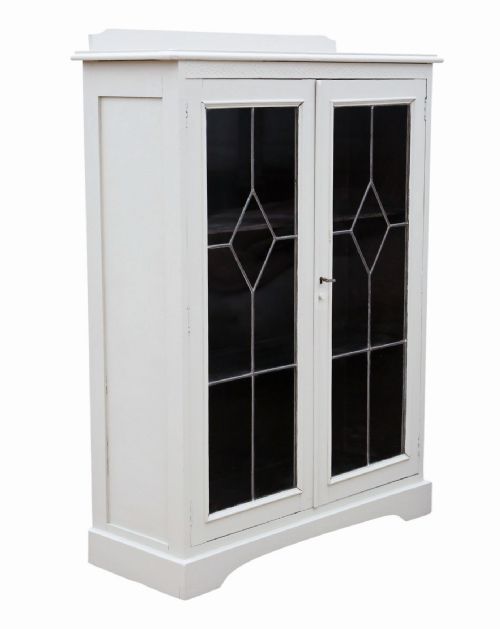
An off white display cabinet encompasses glazed bookcases, painted vitrines, and mirrored cabinets originating from periods such as the eighteenth century, the nineteenth century, and the Edwardian era. These pieces generally feature painted wood structures designed to hold and exhibit collections, books, or curiosities behind glass panels.
The most common forms on this page include nineteenth-century painted bookcases and glazed cabinets, alongside Dutch vitrines and Edwardian pieces. They span regional European styles including Victorian Gothic Revival, nineteenth-century country, and Dutch traditions, often showing soft painted surfaces in pale or off-white tones.
Materials and construction methods
The construction relies primarily on timber frames, utilising painted wood, pine, and mahogany to build the carcass and shelving. Glazing is fitted into doors to protect the interior, while hardware such as brass handles and hinges provide functional detailing.
Surfaces are finished with painted coatings that have weathered to pale or off-white patinas over decades of use. Certain pieces incorporate decorative elements such as carved bone, wrought iron fittings, and majolica panels inset into the woodwork.
Among the glass and timber sits a complete giant clam shell, reminding us that display cabinets have long held nature's oddities.
Distinguishing quality across examples
Quality rests in the harmony of proportion, the fineness of the timber framing, and the integrity of the original painted surface. Pieces that retain their historic glazing bars and well-fitted adjustable shelving demonstrate superior cabinet-making standards.
The character of the painted finish dictates visual appeal, where layered historic paint holds greater depth than later repainting. Structural joinery, from the mounting of mirror backs to the seating of brass hardware, separates standard workshop production from finer regional pieces.
The Off White Display Cabinet Glossary
- Glazing bar
- The narrow wooden or metal strip that holds individual panes of glass within a sash door. Finer cabinets often feature slender, well-moulded bars.
- Specimen cabinet
- A specialised piece of furniture constructed with numerous shallow drawers or shelves to house natural history collections, shells, or geological samples.
- Patina
- The surface appearance developed through age, wear, and handling, particularly on painted wood and brass fittings. It indicates long service and natural ageing.
Off White Display Cabinet: Frequently Asked Questions
What periods do these cabinets date from?
The pieces span several centuries, including eighteenth-century European examples, nineteenth-century country designs, and early twentieth-century pieces.
Craftsmanship reflects the prevalent aesthetic of each era, ranging from Dutch vitrines to Edwardian painted cases.
How were these cabinets originally used?
They served primarily to store and display valuable books, ceramic collections, and natural history specimens.
Glazed doors protected delicate contents from dust while allowing them to be viewed easily in domestic or shop settings.
Are the painted finishes original?
Finishes vary between historic painted surfaces showing genuine age and later decorative layers applied during subsequent periods of use.
Close inspection of the paint texture and underlying wood helps determine the history of the surface.
How do I fit one into a modern room?
The neutral pale tones of an off white display cabinet allow it to blend easily with contemporary or traditional interior schemes.
They function well in living spaces or libraries to showcase books, ceramics, and personal collections.