


Dutch Glazed Display Cabinet
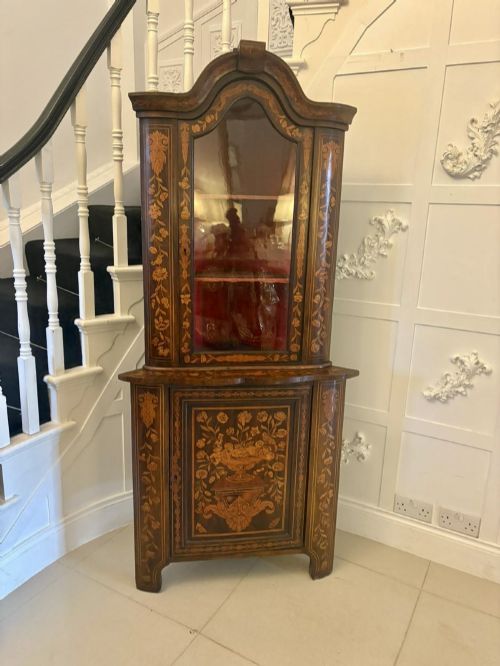
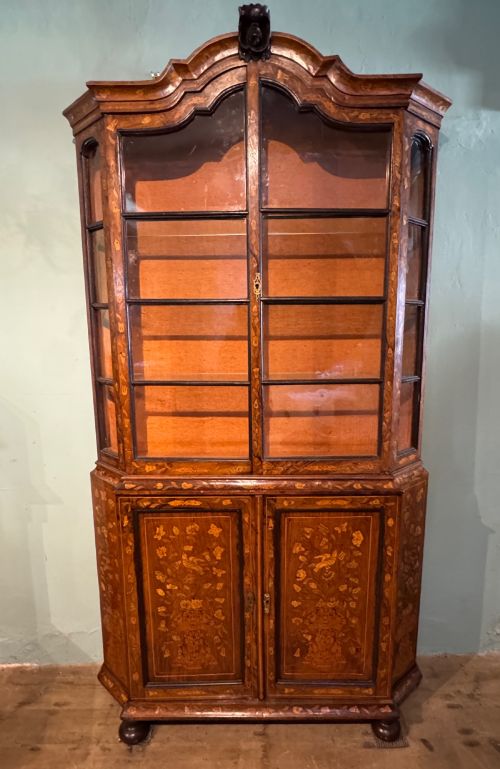
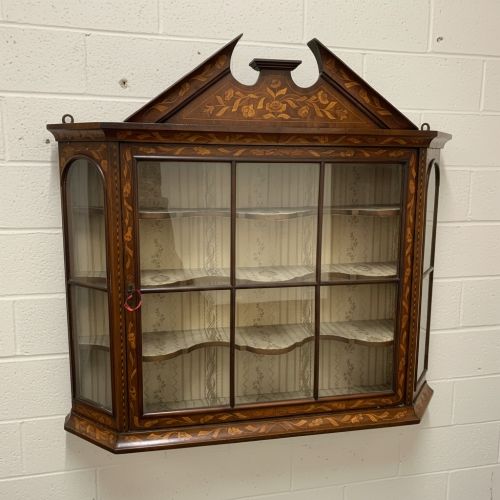
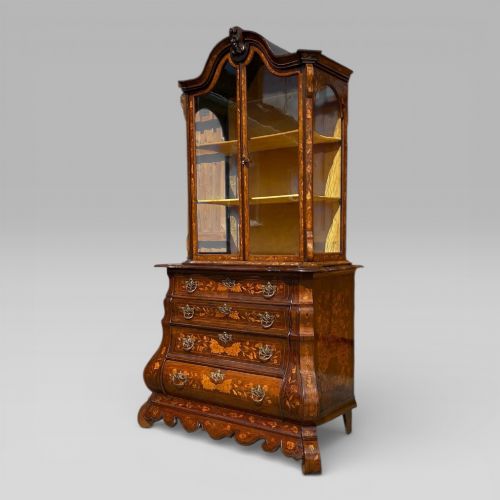
A dutch glazed display cabinet brings together refined glazing and intricate floral marquetry, offering a traditional space to exhibit treasured porcelain and silver.
Dutch Glazed Display Cabinet
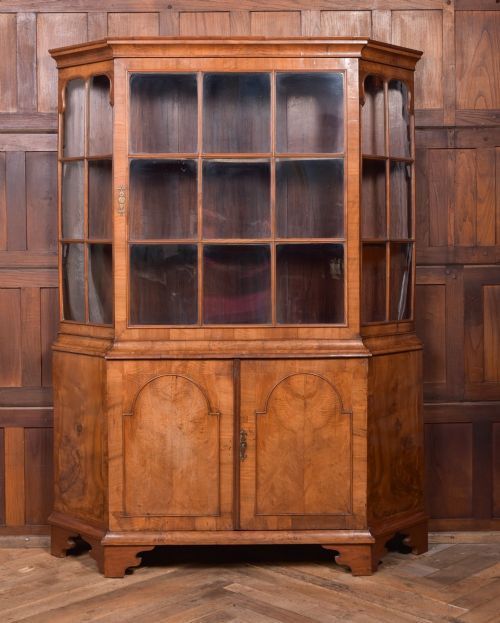
A dutch glazed display cabinet is a storage piece designed with glass panels to showcase collections, appearing in forms such as corner cupboards, wall units, and substantial cabinets on chests. These pieces originate from periods spanning the eighteenth and nineteenth centuries, incorporating revival styles alongside traditional designs.
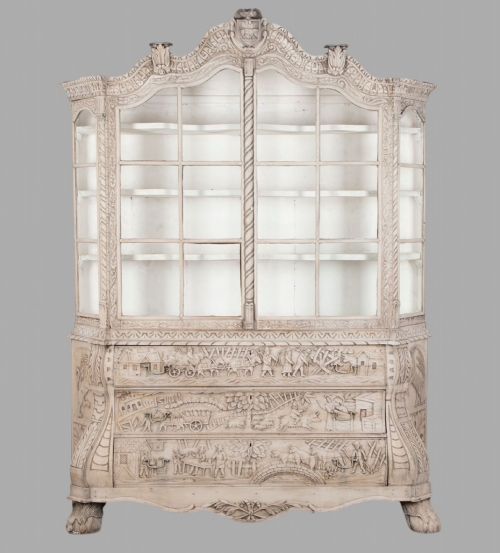
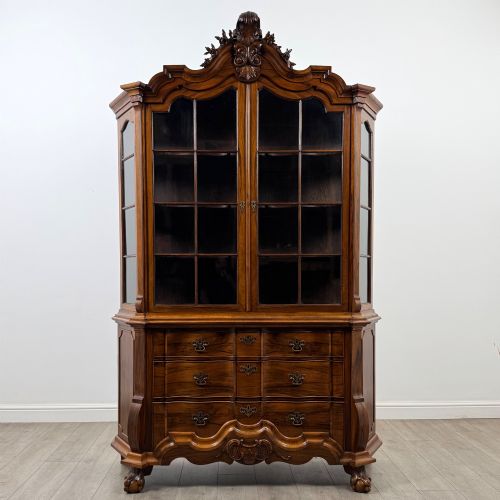
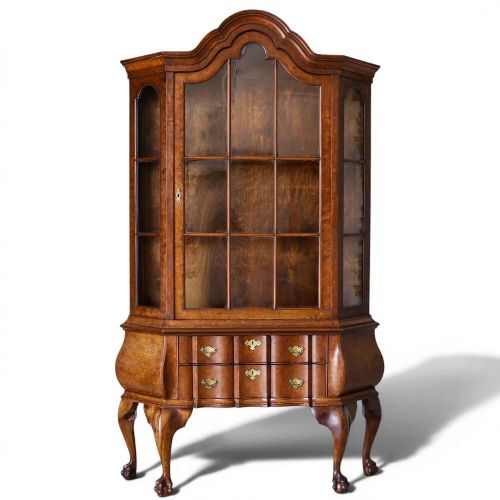
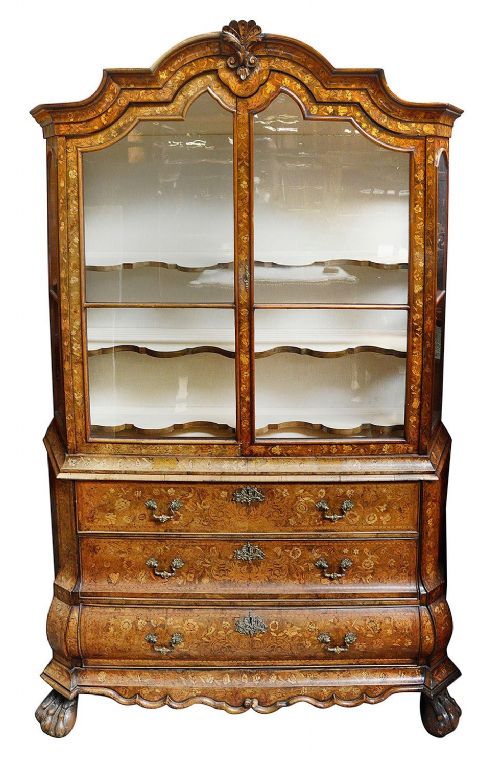
The version most commonly encountered on this page combines a glazed upper section with a lower cupboard or bombé base, frequently finished with elaborate marquetry. Walnut and burr walnut dominate the selection, though painted wood and fruitwood also appear across various regional workshops.
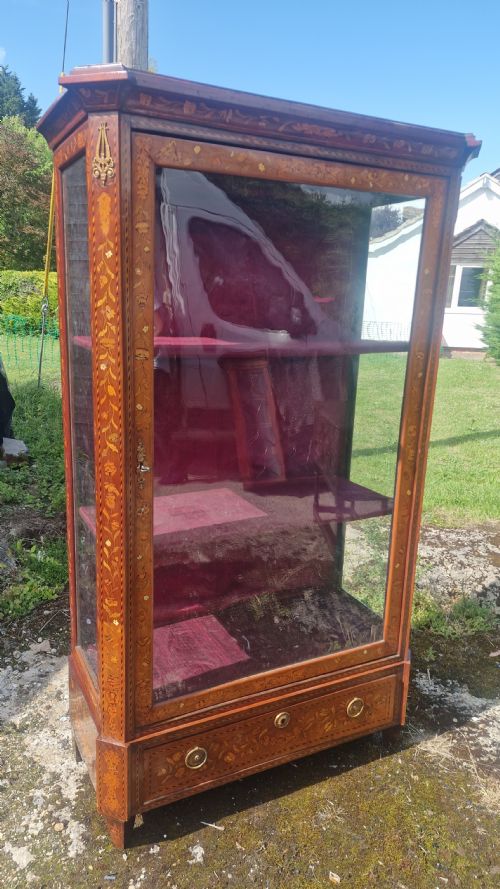
Buyers encounter distinct configurations, including tall bookcases, compact vitrines, and tabletop cases intended for smaller objects. Each variant reflects the domestic requirements of its period, balancing visibility with secure storage.
Materials and Technique
Cabinetmakers utilised timber frameworks of oak and walnut, applying fine veneers of burr walnut, fruitwood, and satinwood to create patterned exterior surfaces. Marquetry panels were constructed by carefully cutting and inlaying contrasting woods to form floral and foliate motifs.
Glazing techniques involved securing small panes of glass within timber tracery or slender framing bars to maintain structural stability while maximising light penetration. Bombe forms were achieved through curved framing and shaped drawer fronts, requiring skilled carpentry to maintain alignment.
Some seventeenth century naval inspiration survives in unexpected cabinetry, including a fine ebony piece named after Samuel Pepys.
Craftsmanship and Proportion
Quality rests in the precision of the marquetry inlay and the depth of figure found within the walnut veneers. Finer examples display tight floral patterns with minimal timber shrinkage, whereas simpler pieces rely on painted decoration or plain walnut surfaces.
Proportion and structural harmony separate standard items from superior works, particularly in bombé forms where the swelling curves must maintain balance. The quality of the brass hardware and the clarity of the original glass panels further distinguish the upper range of these cabinets.
Edwards and Roberts
The Dutch Glazed Display Cabinet Glossary
- Marquetry
- Decorative inlay work using various coloured woods to form pictorial designs. This technique often covers the entire front of eighteenth century pieces.
- Bombe
- A swelling, bulging contour found on the lower sections of certain cabinets and chests. This curved profile requires advanced woodworking skill.
- Vitrine
- A glass-fronted display cabinet used for holding objects of curiosity. These items frequently feature glazed sides to allow maximum light.
- Canted
- Beveled or cut off at an angle, typically referring to the vertical corners of a cabinet. This detail softens the silhouette of the piece.
- Patina
- The surface sheen and mellowing developed by wood over centuries of handling and age. This quality indicates natural maturation rather than artificial finish.
Dutch Glazed Display Cabinet: Frequently Asked Questions
What is a dutch glazed display cabinet?
A dutch glazed display cabinet is a timber storage piece featuring glass doors for exhibiting objects, frequently decorated with floral marquetry inlay.
These pieces range from tall corner cupboards to substantial bombé units resting on chests.
How were these cabinets used?
Historically, these cabinets served to store and display valuable porcelain, glassware, and small ornamental items within domestic parlours.
The upper glazed section protected contents from dust while keeping them visible to guests.
How do I date a cabinet?
Dating relies on observing construction methods, timber choices, and stylistic traits such as baroque curves or marquetry patterns.
Eighteenth century pieces typically show denser walnut grain and hand-cut joinery compared to later revival items.
How do I care for walnut veneer?
Walnut veneer requires protection from direct sunlight and stable indoor humidity to prevent warping and timber splitting.
Regular dusting with a dry cloth and occasional application of appropriate wax maintains the surface patina.