



Antique Dutch Display Cabinet
An antique dutch display cabinet brings centuries of craftsmanship into a room, offering glazed upper sections and intricate marquetry for treasured collections.
Antique Dutch Display Cabinet
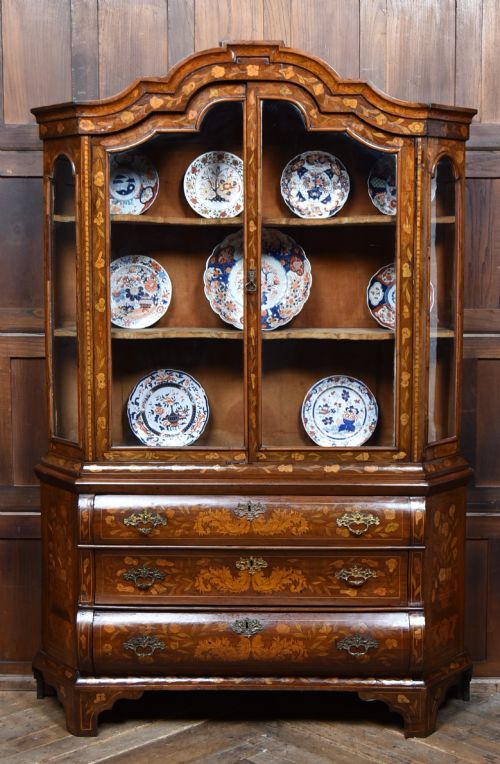
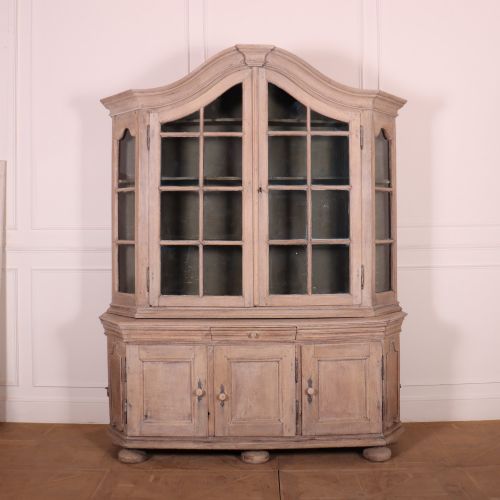
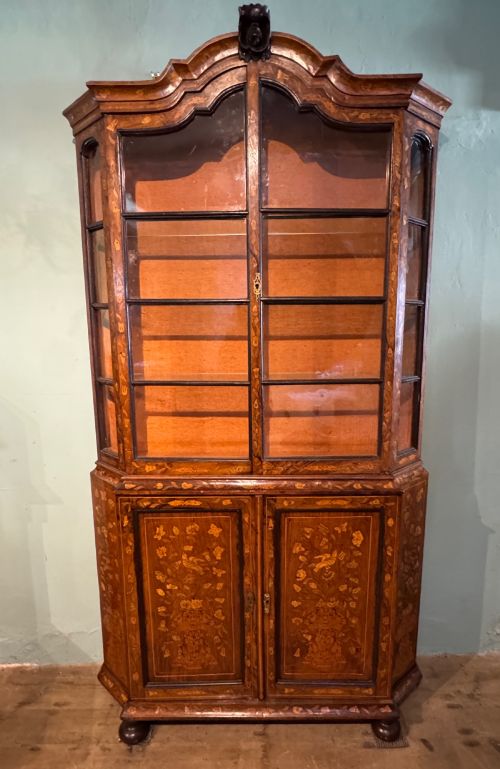
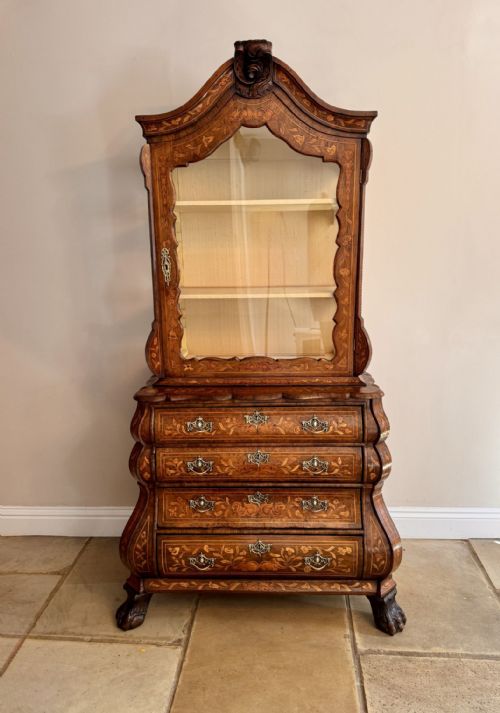
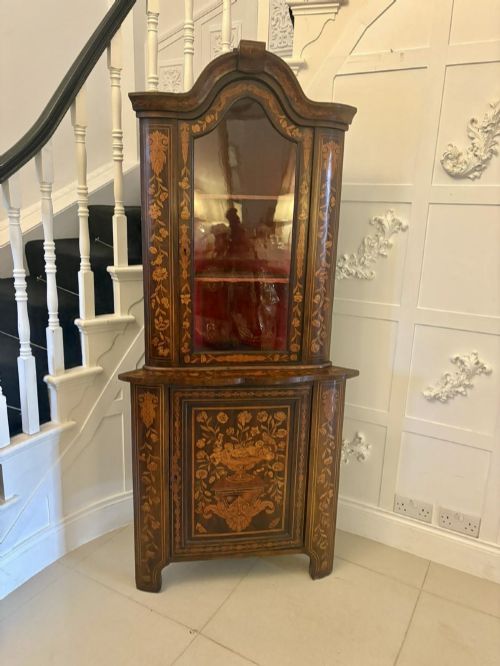
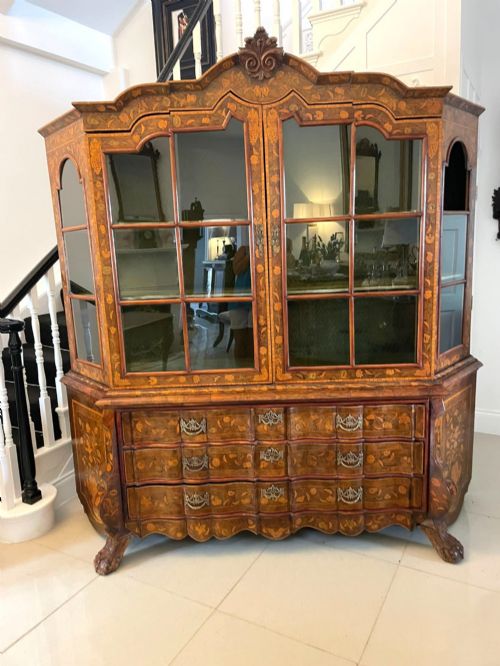
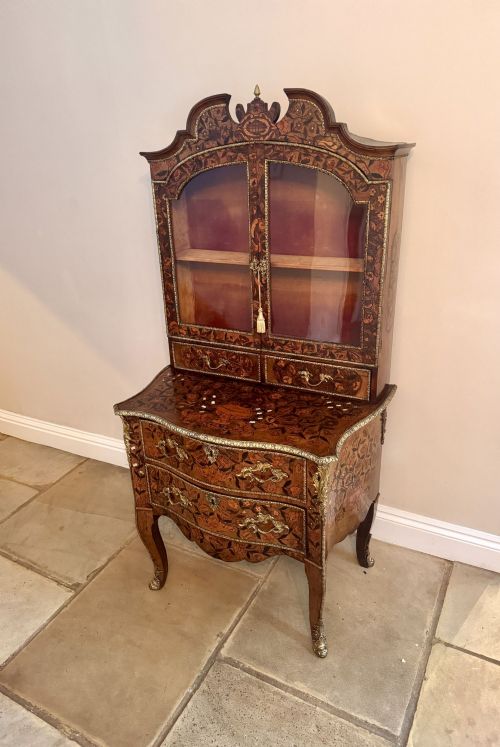
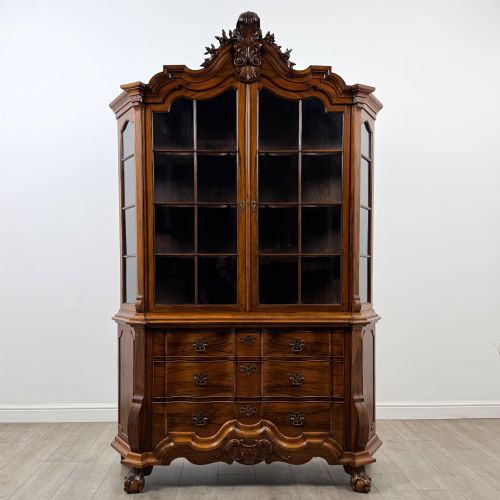
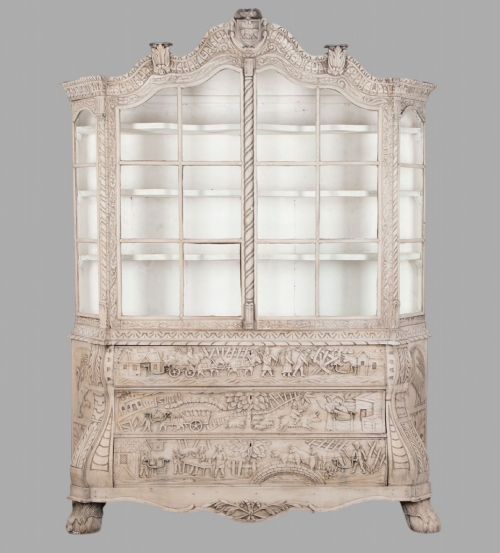
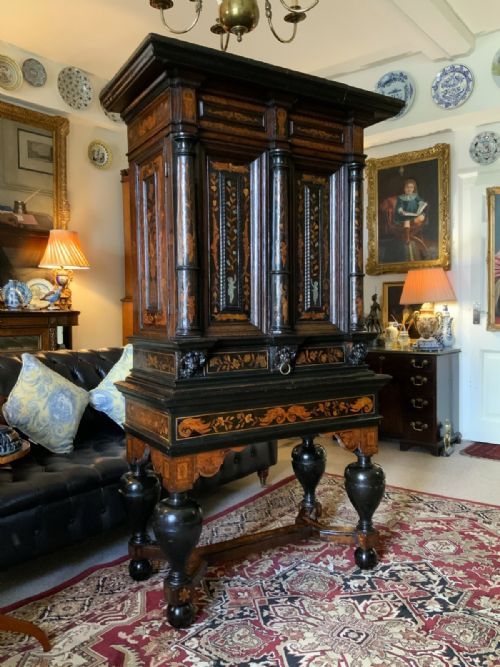
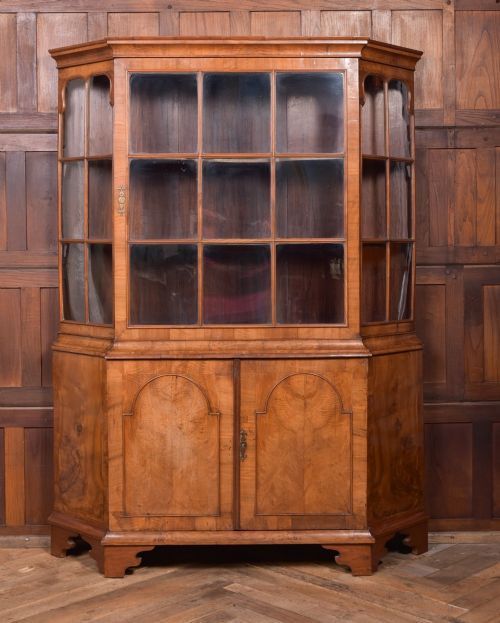
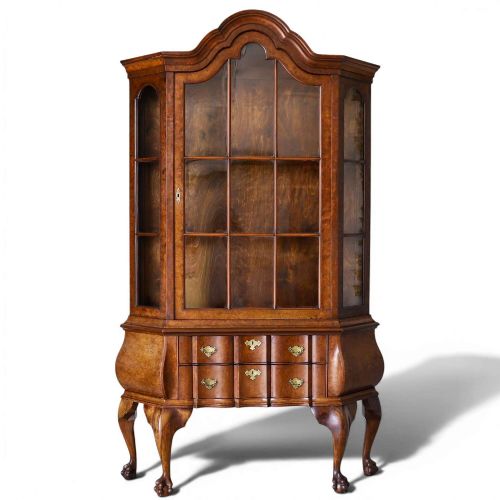
When someone searches for an antique dutch display cabinet, they encounter an array of architectural forms spanning from the seventeenth century to the twentieth century. These pieces appear as corner cabinets, wall cabinets, cabinets on stand, and substantial bombé pieces built on chest bases.
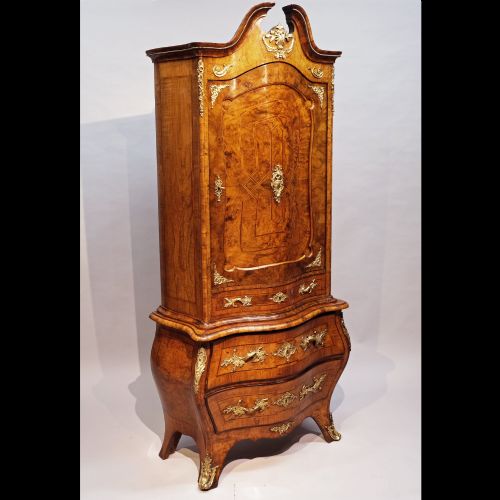
The version most commonly met on this page is the walnut marquetry display cabinet or vitrine, frequently originating from the eighteenth century or nineteenth century. Makers also produced variations including bureau bookcases, linen presses, and armoires featuring glazed upper sections.
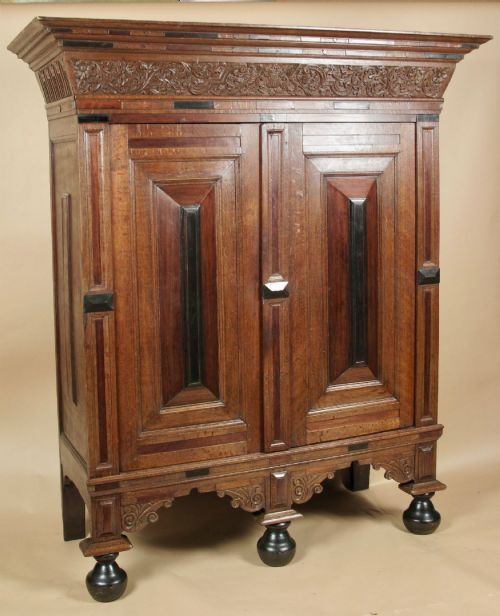
Originating in the Netherlands, these cabinets reflect distinct periods such as Dutch Baroque, Dutch Rococo, and subsequent revivals. The surviving pieces demonstrate the evolution of domestic storage, transitioning from heavy oak framework to lighter burr walnut veneers.
Materials and Technique
Cabinetmakers constructed these pieces primarily using oak or fruitwood as a foundational carcase, applying rich veneers of walnut and burr walnut across the visible surfaces. Floral marquetry inlay utilising lighter woods and pewter formed intricate decorative panels across doors and drawers.
Glass production allowed for glazed upper doors and vitrine panels, while brass hardware provided functional hinges and key escutcheons. Selected examples incorporate painted wood surfaces, ebony, rosewood, and fabric linings within the display interiors.
Antique Dutch Display Cabinet Retail Price Guide 2026
Typical asking prices for dutch display cabinet among the pieces listed under this phrase on Sellingantiques today, from the lower quarter to the upper quarter. They describe what is for sale here now, not the wider market.
Some seventeenth-century cupboards were built so heavily that moving them required dismantling the entire architectural framework room by room.
Markers of Excellence
The distinction between tiers of quality rests heavily on the execution of the marquetry and the choice of veneer. Finer examples display dense, symmetrical floral inlay with crisp edges, whereas simpler pieces rely on plain walnut or painted finishes.
Structural complexity also defines the upper range, particularly the mastery required to build bombé or swelling facades with conforming drawers. Cabinets exhibiting well-matched burr walnut grain patterns and original glass panels command greater appreciation among collectors.
Edwards and Roberts
The Antique Dutch Display Cabinet Glossary
- Bombé
- A swelling or outwardly curving furniture shape characteristic of continental designs. This bulging profile requires advanced woodworking skill to construct drawers that fit curved fronts.
- Marquetry
- Decorative veneer work forming intricate pictures or patterns using various wood types. Artisans cut thin pieces of contrasting timber and fit them together like a puzzle.
- Vitrine
- A glass-fronted cabinet designed for displaying fine objects or porcelain. These cases protect contents from dust while offering maximum visibility.
- Kussenkast
- A heavy traditional Dutch cupboard style featuring cushion-moulded panel doors. These early forms often incorporate dense timbers such as oak, ebony, and rosewood.
- Escutcheon
- A protective plate surrounding a keyhole. Brass hardware of this type often secures doors and drawers on period storage furniture.
Antique Dutch Display Cabinet: Frequently Asked Questions
How do I identify eighteenth-century marquetry?
Eighteenth-century marquetry typically displays naturalistic floral and foliage patterns worked in lighter fruitwoods against a darker walnut background. The integration of pewter inlay sometimes appears in earlier Baroque interpretations.
Close inspection reveals subtle variations in the wood tones due to ageing and hand-cut precision. These organic irregularities separate period marquetry from later mechanical reproductions.
Where were corner cabinets placed?
Corner cabinets were designed to fit snugly into room junctions, utilising domestic space that standard rectangular furniture could not occupy. They served both decorative and practical storage functions in period parlours.
The glazed upper doors allowed owners to exhibit imported porcelain and glassware away from active foot traffic.
How should I care for burr walnut veneer?
Burr walnut veneer requires stable indoor humidity and protection from direct sunlight to prevent warping and fading. Gentle dusting with a dry, soft cloth maintains the polished surface without damaging the historic finish.
Applying specialised furniture waxes periodically helps nourish the timber and preserves the natural patina developed over centuries.