



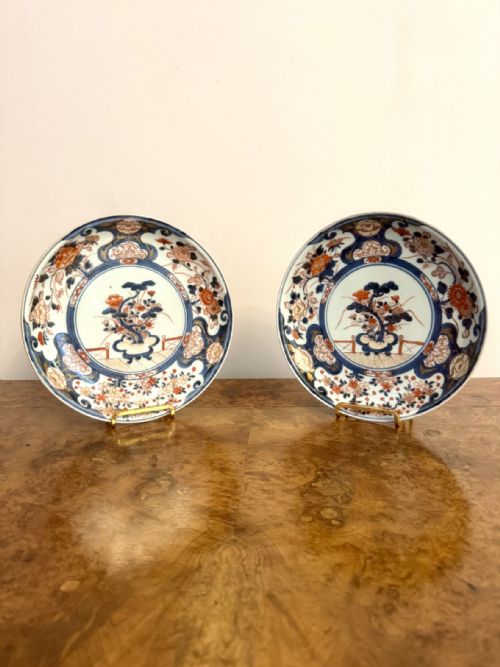
Gilded Oriental Porcelain
These pieces of gilded oriental porcelain bring together intricate enamel work and shimmering gold leaf from East Asian and Victorian workshops.
Gilded Oriental Porcelain
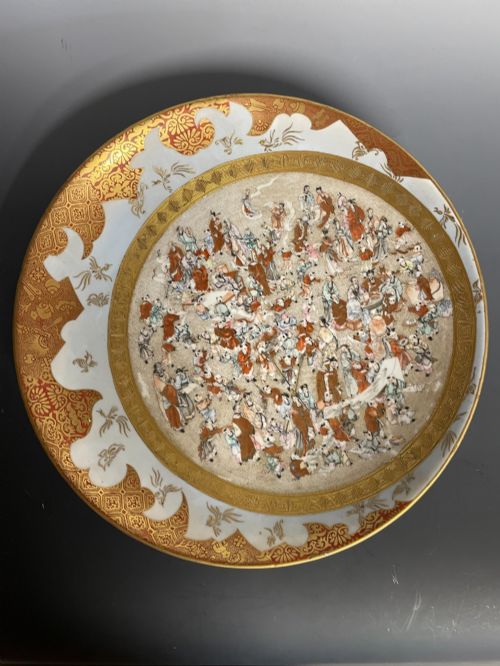
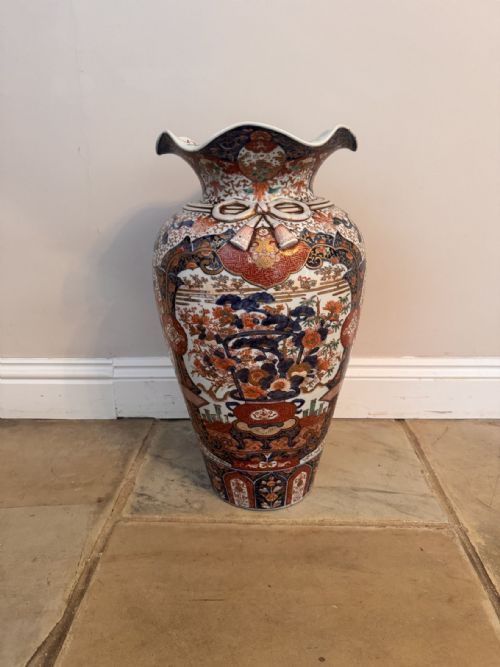
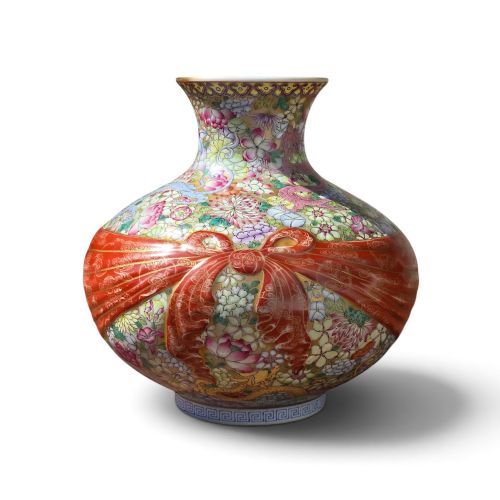
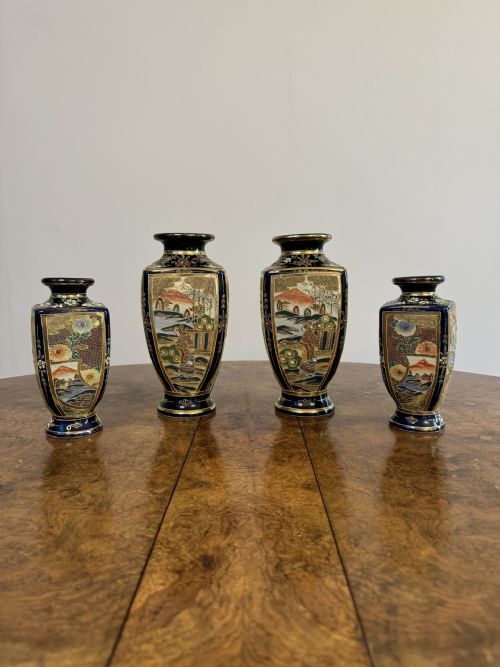
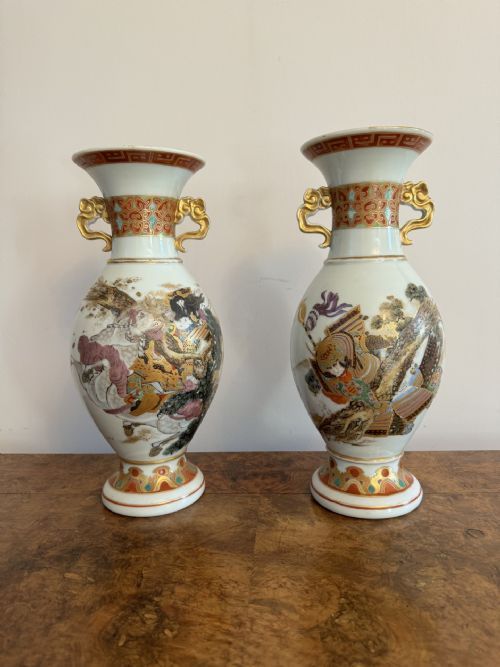
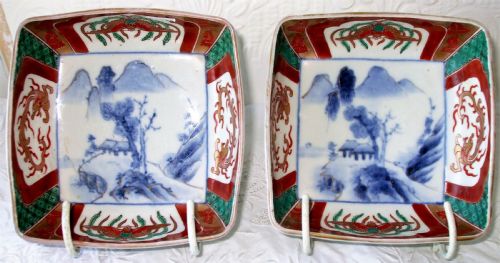
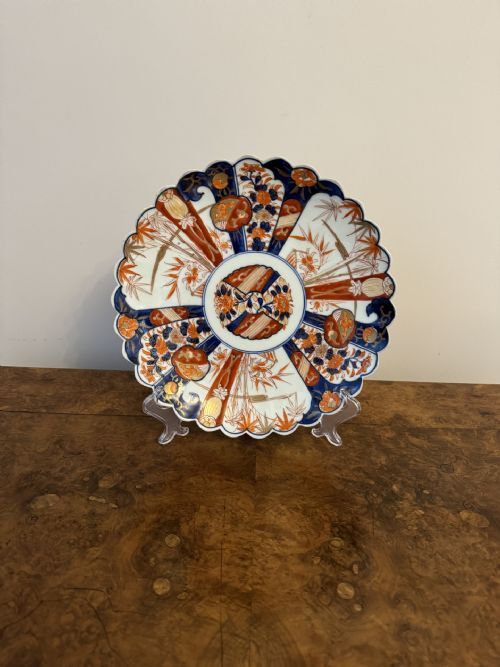
When searching for gilded oriental porcelain, collectors encounter pieces spanning the nineteenth century through the early twentieth century, including the Victorian era, the Meiji period, and the Qing dynasty. The selection on this page centres primarily on Japanese Imari, Satsuma, and Kutani wares, alongside Chinese famille verte, famille rose, and millefleurs vessels.
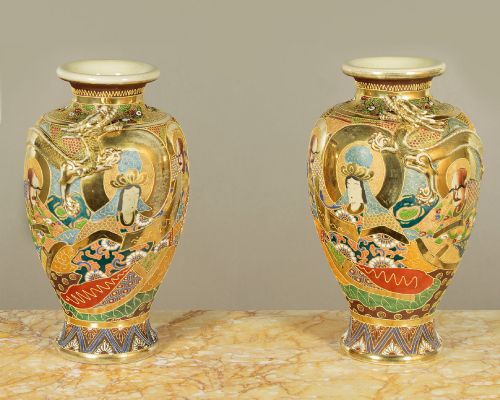
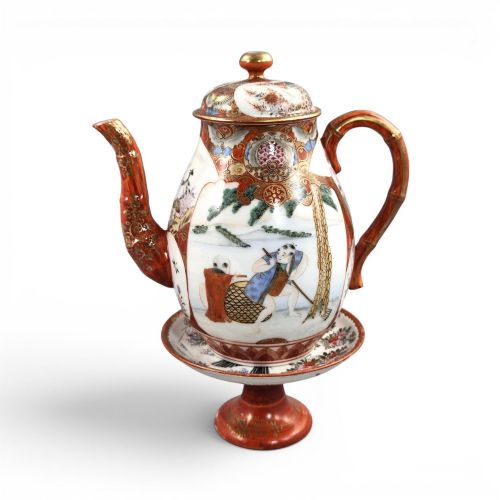
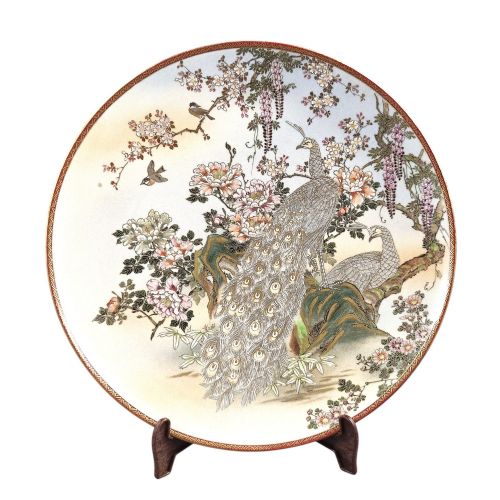
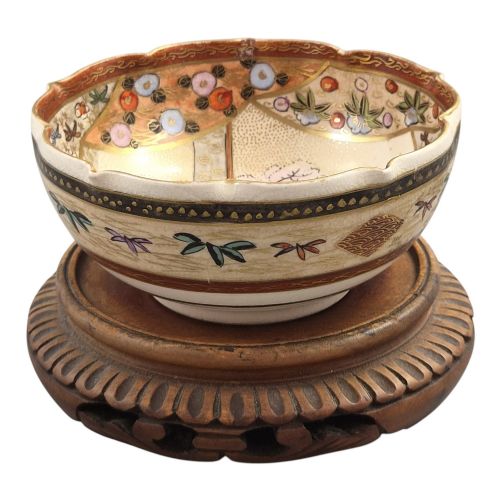
The forms vary widely across the inventory, ranging from large chargers, scalloped bowls, and ginger jars to floor-standing vases, teapots, table lamps, and figurative okimono depicting deities. Satsuma earthenware and porcelain pieces frequently display detailed moriage decoration depicting figures, birds, and floral motifs.
Originating predominantly from Japanese kilns in Kyoto, Kobe, and Kutani, as well as Chinese imperial and provincial workshops, these items serve as decorative centrepieces and functional vessels. The examples on this page represent both domestic export wares and high-grade studio pieces from renowned makers.
Materials and Technique
The foundation of these objects rests on porcelain and earthenware bodies, shaped into vases, chargers, and bowls before undergoing high-temperature firing. Artisans then applied colourful enamel paints and intricate gold leaf or gilding by hand to accentuate the detailed painted scenes.
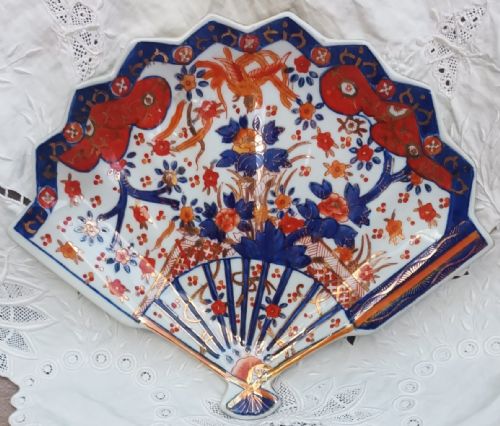
Techniques such as moriage built up raised enamel and slip designs to create tactile surfaces on Satsuma pottery, while iron-red pigments and underglaze blues defined the distinct palettes of Imari and Kutani wares. Wood stands occasionally accompanied these pieces to support delicate bowls and vases.
Judging Quality
The refinement of the hand-painted brushwork distinguishes standard production pieces from master-executed works, particularly in the precision of facial expressions on figural subjects and the density of intricate floral patterns. The crispness and application of the gilding and gold leaf also indicate the level of craftsmanship involved.
The weight, symmetry, and stability of the ceramic body, alongside the complexity of the form such as scalloped edges or dual dragon handles, mark the distinction between provincial items and exceptional studio output.
Koshida·Manpei·Kozan·Hotoda·Shizan
The Gilded Oriental Porcelain Glossary
- Imari
- A style of Japanese porcelain decorated in underglaze blue, iron-red, and gold, named after the port from which it was shipped.
- Satsuma
- A type of Japanese earthenware originating from the Satsuma province, characterised by a ivory-crackled glaze and dense polychrome and gold decoration.
- Kutani
- Japanese porcelain and pottery known for its bold colour palette, predominantly featuring greens, blues, yellows, purples, and reds alongside gold detailing.
- Moriage
- A ceramic decorating technique where slip is piped onto the surface to create raised, beaded, or textured relief patterns before glazing and gilding.
- Charger
- A large decorative plate or dish used primarily for display rather than for serving food at the table.
- Famille Verte
- A Chinese porcelain palette dominated by green enamel overglaze, developed during the Qing dynasty and complemented by contrasting iron-red and gold.
Gilded Oriental Porcelain: Frequently Asked Questions
Are Satsuma wares porcelain or pottery?
Satsuma wares are traditionally earthenware rather than true porcelain, possessing a characteristic ivory-coloured body covered in a fine network of crackled glaze. This porous earthenware base allowed artists to apply rich enamel paints and heavy gilding directly onto the surface.
Over time, the subtle crazing in the glaze absorbs microscopic particles, which deepens the antique character of the piece.
What is the difference between Imari and Kutani?
Imari wares rely on a distinct palette of underglaze cobalt blue, vibrant iron-red, and abundant gilding, often arranged in symmetrical geometric and floral panels. They were produced primarily for export and exhibit a crisp, durable porcelain body.
Kutani wares feature a wider, bolder spectrum of enamel colours, including vivid greens and yellows, and frequently depict narrative scenes or natural motifs with less geometric rigidity.
How can I tell the period of a piece?
Examining the base for artist signatures, workshop stamps, or reign marks provides the most reliable indication of a piece's age and origin. Stylistic shifts, such as the dense pictorial designs of the Meiji period versus the bolder export styles of the Victorian era, also help narrow the timeline.
Comparing the weight, type of glaze crazing, and fineness of the hand-painted details against documented examples confirms the era of manufacture.