

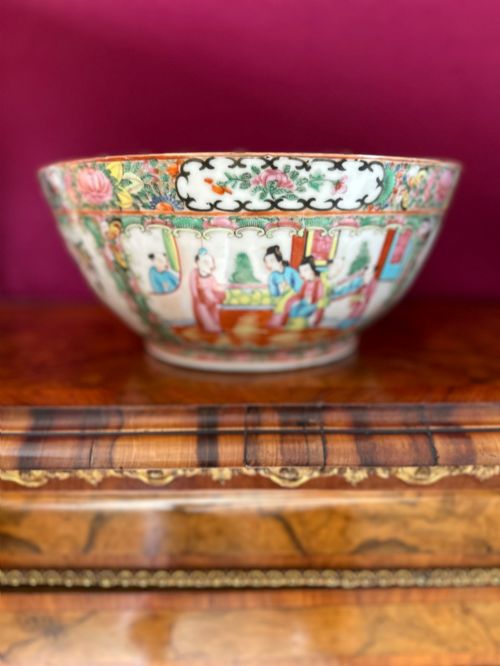
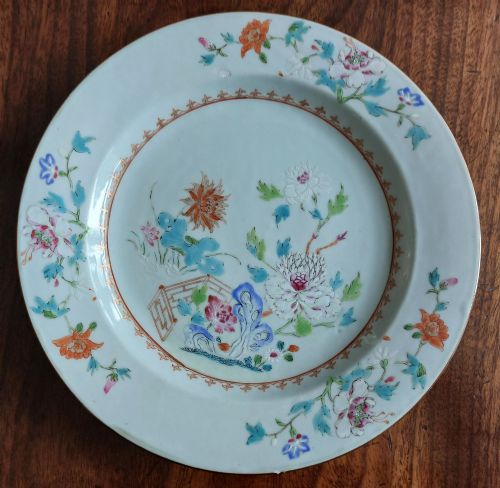
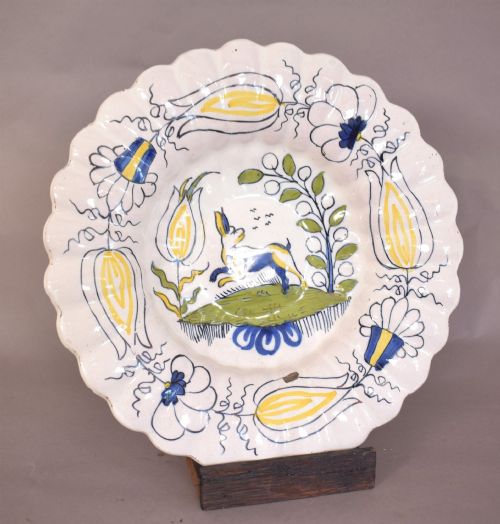
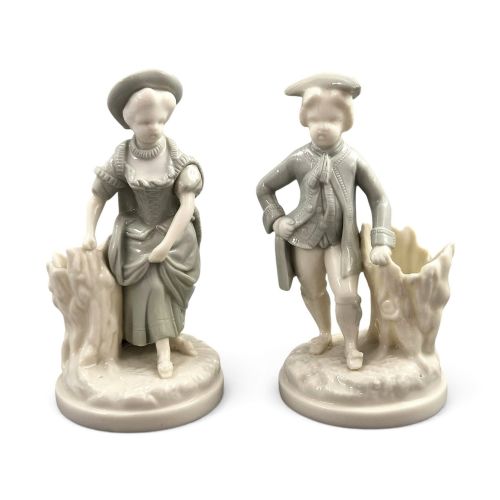
Glazed Ceramic Dish
A glazed ceramic dish spans centuries of earthenware, porcelain and tin glaze, offering both bold chargers and delicate tableware for the home.
Glazed Ceramic Dish
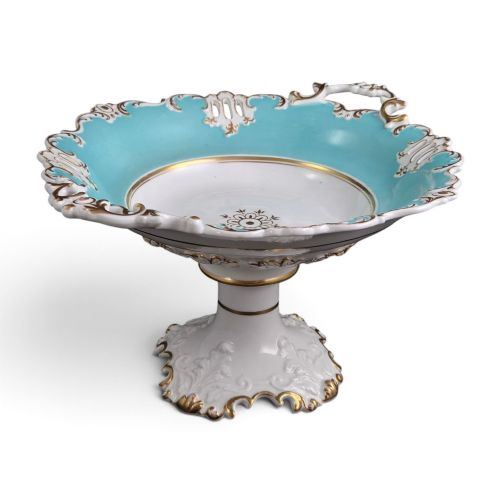
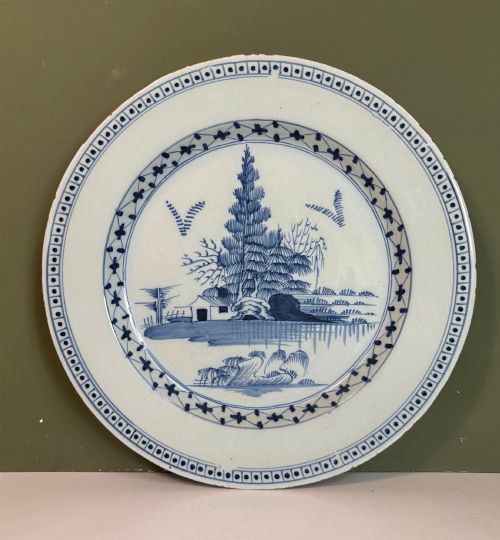
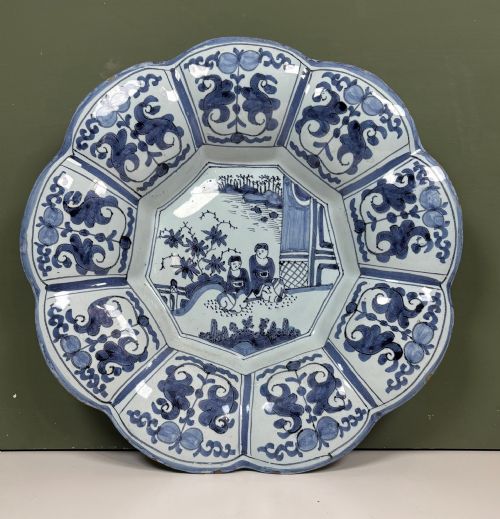
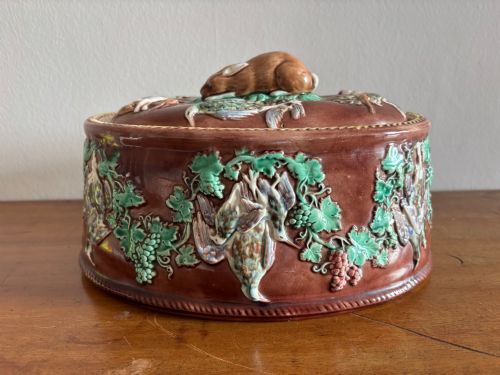
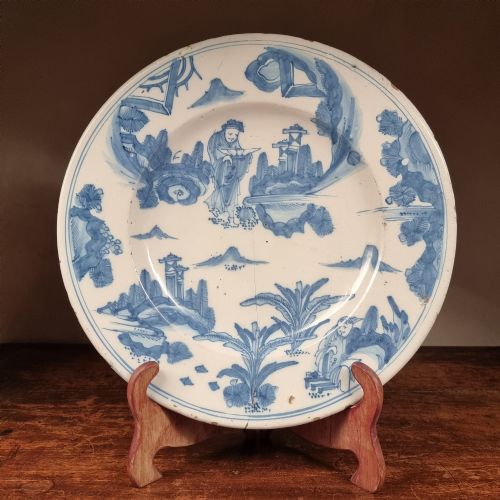
A glazed ceramic dish encompasses a broad spectrum of historical tableware, ranging from grand seventeenth-century chargers to Victorian serving pieces. Pieces encountered here stretch from the seventeenth century through the Edwardian era, taking the form of large wall chargers, deep bowls, lobed dishes and fitted cheese covers.
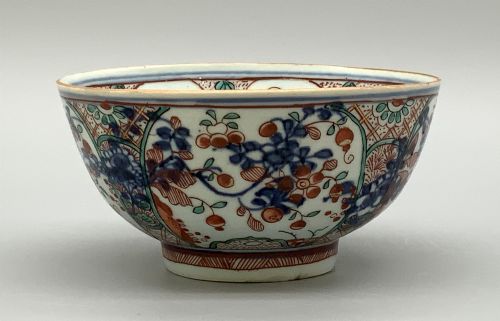
The origins of these vessels cross international boundaries, uniting English creamware and Wedgwood pottery with Dutch Delftware, French faience, Chinese export porcelain and Japanese Satsuma wares. Collectors find that utility and display merge seamlessly in these forms, which include dedicated vessels for salt, sardines and game pie alongside flat decorative plates.
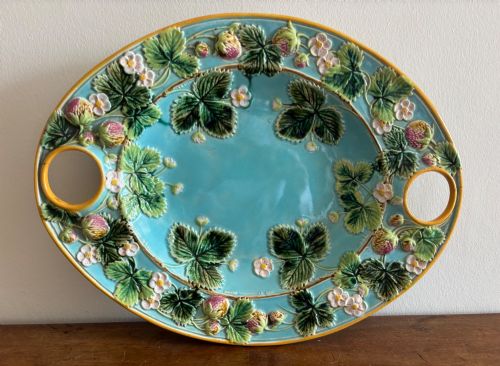
Tin-glazed earthenware and polychrome Delft dominate the earlier centuries, while Victorian production introduces vibrant Majolica and bone china. Each specimen reflects the domestic customs and ceramic milestones of its specific period, grounding utilitarian history in tangible physical objects.
Materials and Technique
Makers shaped these vessels from foundational ceramic bodies such as earthenware, terracotta, creamware, bone china and hard or soft-paste porcelain. Earthenware bodies often received an opaque tin glaze or salt glaze to seal the porous clay before any pigment was applied.
Decoration relied on hand-painted cobalt pigment, enamel colours and manganese washes, frequently fixed by a secondary kiln firing. Specialised styles like Majolica utilised coloured lead glazes over moulded relief decoration to achieve rich, glossy surface textures.
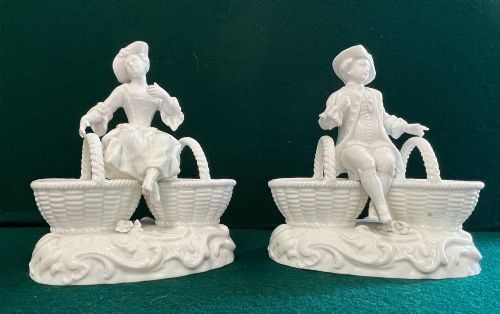
Techniques varied from the wheel-throwing of early chargers to detailed press-moulding for complex Victorian figural pieces and cheese dishes. Painters applied designs directly onto the raw glaze or unfired surface, resulting in integrated pigments that bonded permanently with the vitreous coating.
Listings feature items spanning the 17th, 18th and 19th centuries, incorporating tin glaze, earthenware, porcelain and enamel materials.
Evaluating Execution
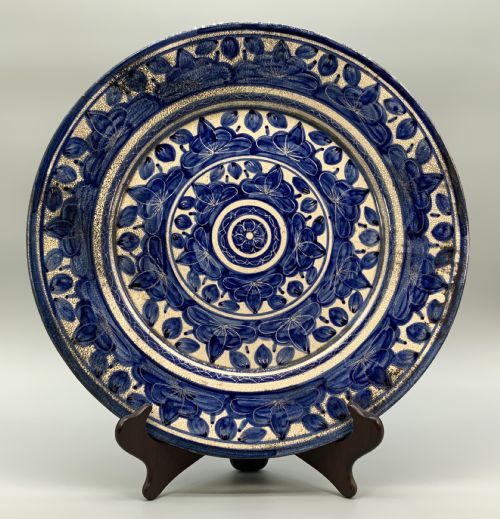
Quality in a glazed ceramic dish rests upon the clarity of the glaze and the precision of the hand-painted or moulded detail. Superior examples display smooth, even glass surfaces free from excessive pooling, kiln grit or extensive crazing that obscures the underlying design.
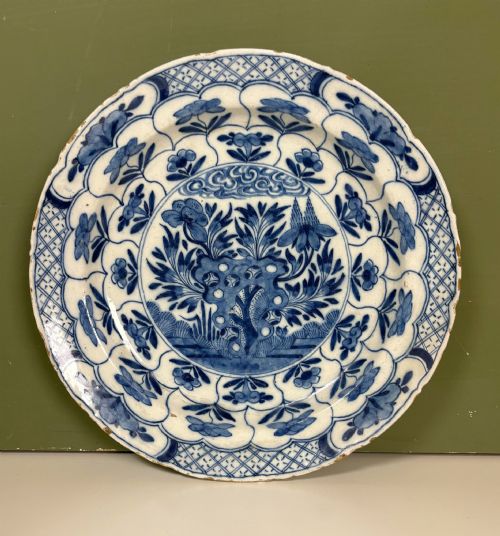
The finesse of the brushwork dictates the tier of execution, distinguishing brisk, confident floral motifs and Chinoiserie scenes from stiff or hurried factory output. Well-modelled relief work in Majolica and earthenware retains sharp definition in the leaves, fruit and figures rather than softening into muddy contours.
Coalport·Meissen·Royal Worcester·Wedgwood·George Jones·Chamberlains Worcester·Quimper
The Glazed Ceramic Dish Glossary
- Charger
- A large decorative plate intended primarily for display on a sideboard or wall rather than for individual dining use. These substantial vessels often display the most ambitious painting of their period.
- Tin Glaze
- An opaque white glaze containing tin oxide, applied to a fired earthenware body to provide a smooth ground for painted decoration. It defines the appearance of traditional Delftware and faience.
- Majolica
- A Victorian earthenware type characterised by colourful lead glazes applied over moulded botanical or animal reliefs. The technique produces a brilliant, glossy finish.
- Chinoiserie
- European artistic interpretations of Chinese and East Asian design motifs, frequently found rendered in blue and white on seventeenth and eighteenth-century earthenware.
- Creamware
- A refined, light-coloured earthenware developed in England during the eighteenth century with a pale yellowish lead glaze. It superseded many heavier salt-glazed bodies for table service.
Glazed Ceramic Dish: Frequently Asked Questions
What is a charger plate?
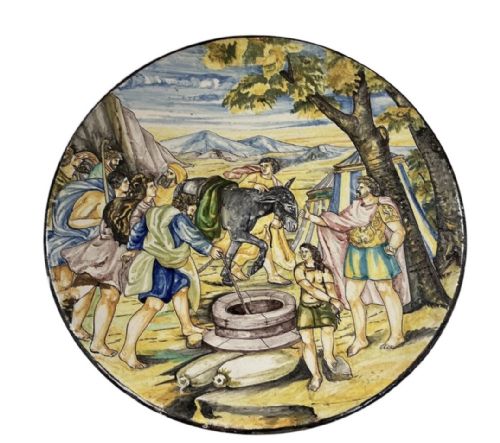
A charger plate is a large decorative dish traditionally used for display or as a base setting for other courses during formal dining. These pieces often feature hand-painted scenes or rich glazes designed to catch the eye.
Historical examples from the seventeenth and eighteenth centuries frequently hung on walls or adorned dressers when not in use.
How do I care for antique ceramics?
Antique ceramics require gentle handling and should be washed by hand in lukewarm water using mild detergent rather than placed in a dishwasher. Avoid sudden temperature changes to protect the underlying clay and historic glaze.
Display vessels should rest on stable, flat surfaces away from direct, continuous sunlight to preserve enamel pigments.
What distinguishes tin glaze from porcelain?
Tin glaze is an opaque white coating applied over a porous earthenware body, whereas porcelain is a dense, vitrified ceramic material fired at much higher temperatures. Porcelain remains non-porous even without a glaze and typically rings when struck.
Tin-glazed pieces, such as Delftware, show an earthy body if the surface glaze chips.
How are periods identified on old dishes?
Periods are determined by evaluating the ceramic body, glaze composition, painting style and any factory marks stamped or painted on the base. Stylistic cues like Chinoiserie motifs or Victorian naturalism provide strong chronological indicators.
Comparing potting techniques helps differentiate eighteenth-century earthenware from later nineteenth-century revival wares.