

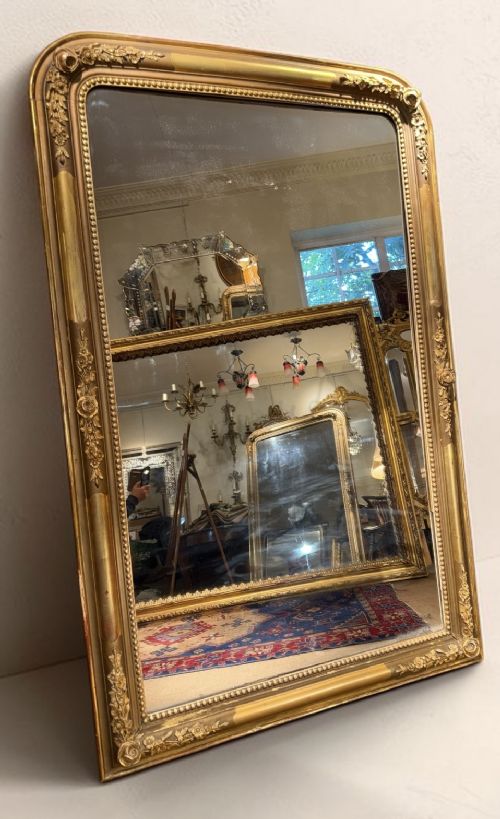
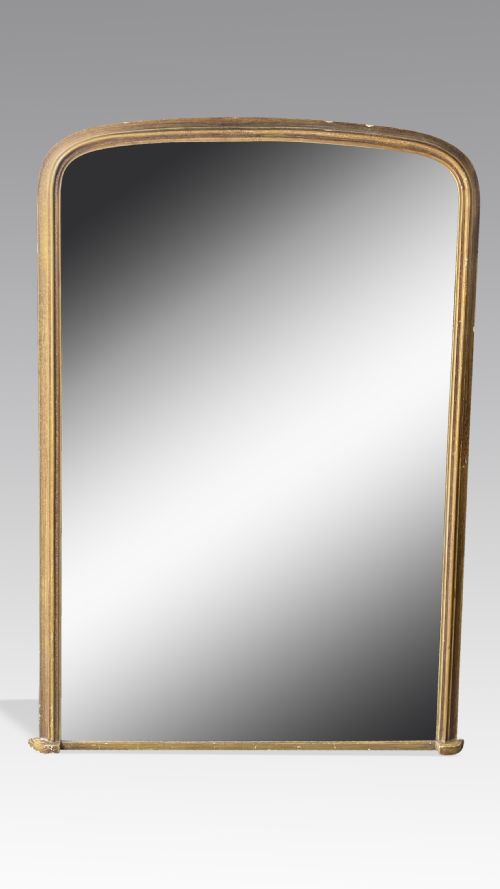

Gilded Louis Philippe Mirror
A gilded louis philippe mirror brings quiet French nineteenth-century elegance and reflective light to any room.
Gilded Louis Philippe Mirror
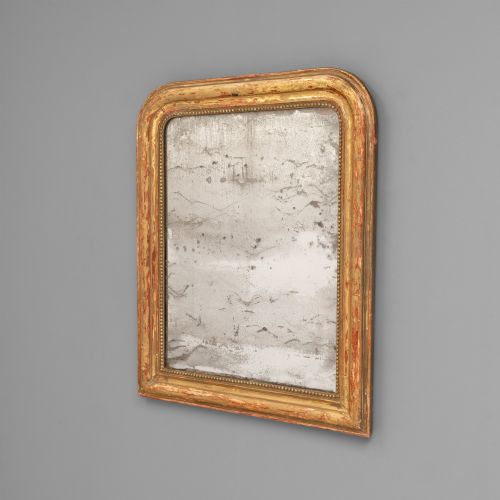
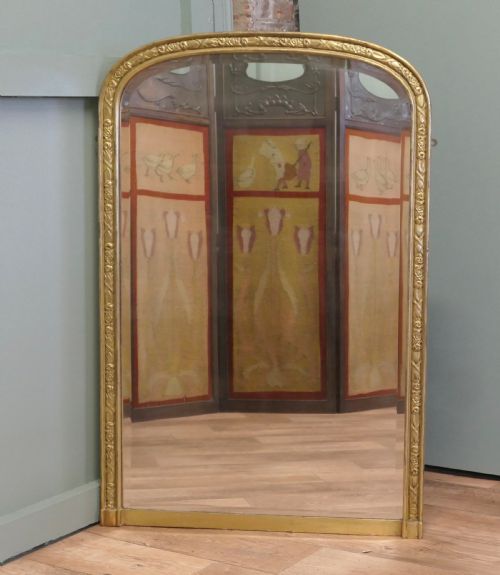
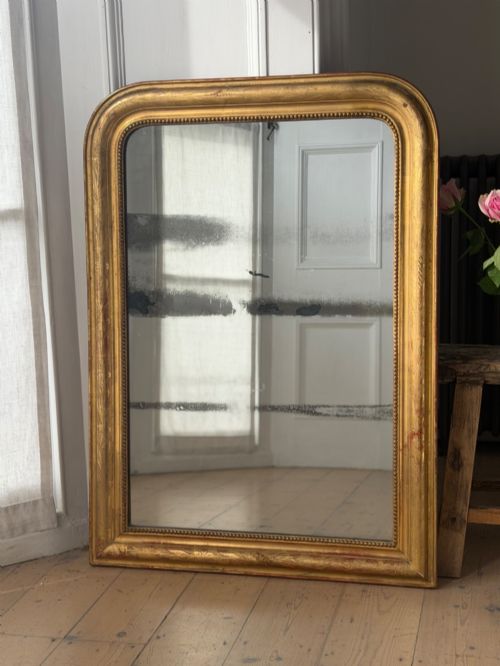
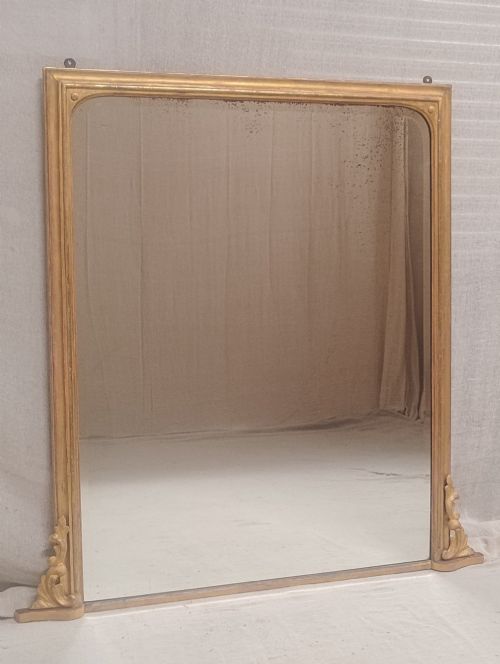
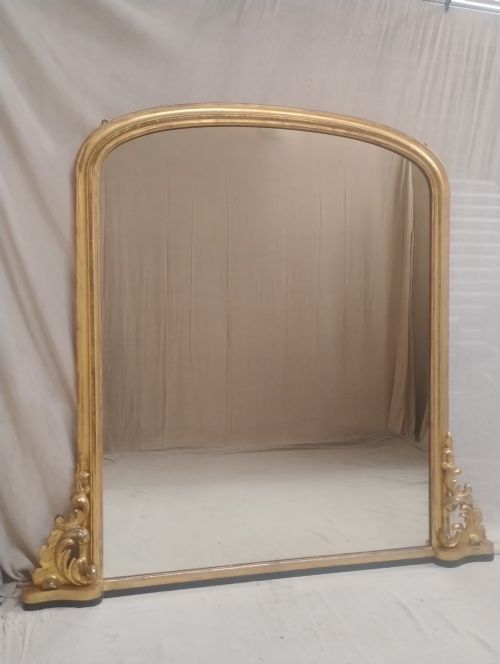
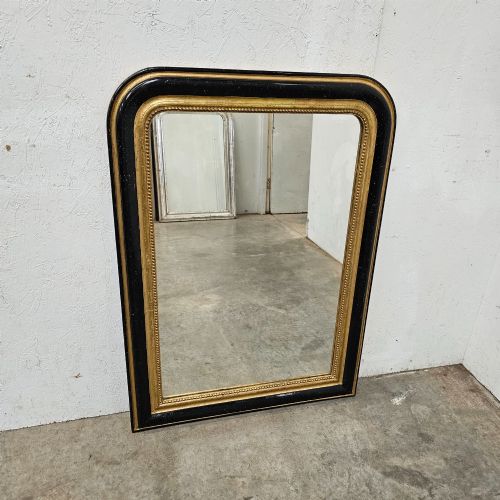
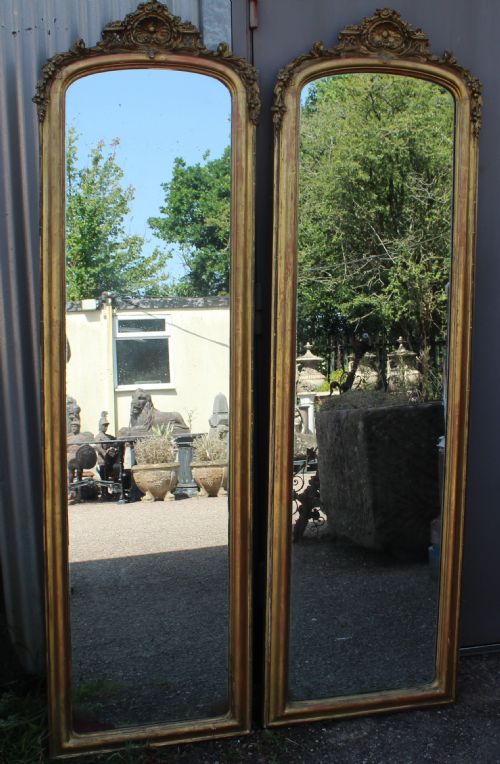
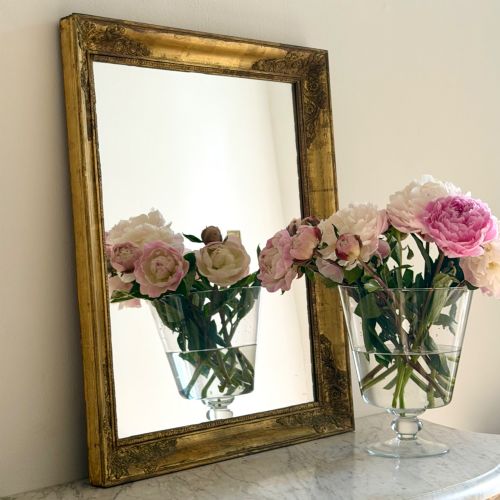
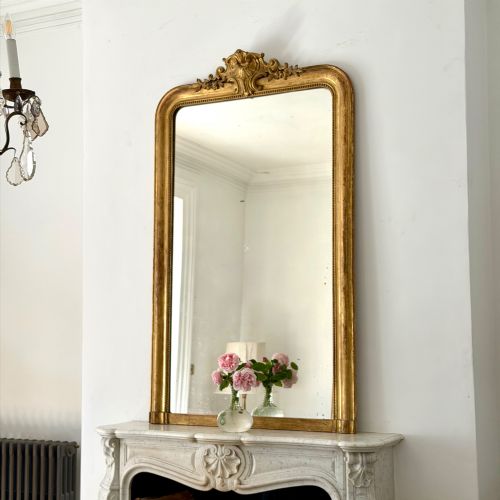
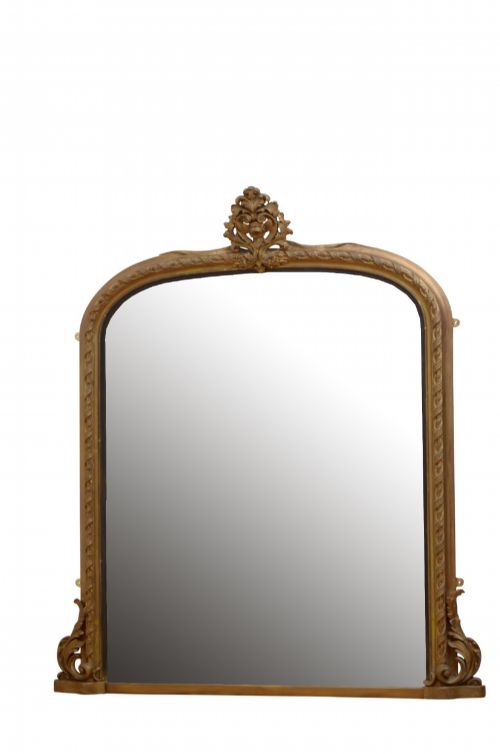
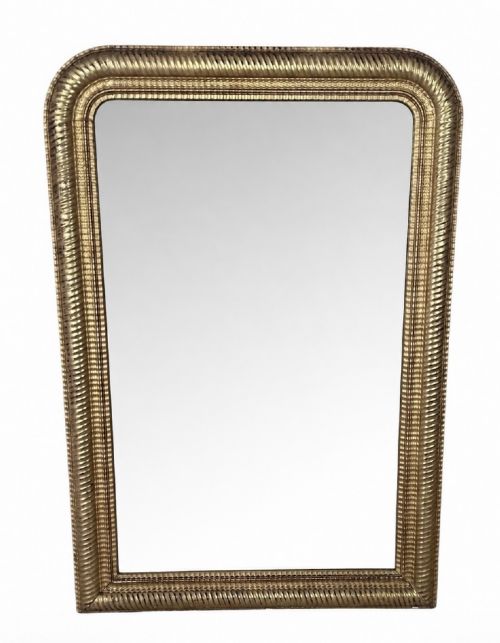
A gilded louis philippe mirror represents a specific nineteenth-century French aesthetic characterised by restrained lines and classical proportions. When searching for a gilded louis philippe mirror, buyers encounter rectangular forms with gently rounded top corners alongside archtop and overmantel variants.
These pieces originate principally from nineteenth-century France, though English and later interpretations also appear in the record. The design relies on clean outer framing paired with subtle decorative motifs rather than heavy ornamentation.
How they were made
Carved wood and gesso form the foundational structure for these frames, providing a smooth base for subsequent gilding. Artisans applied gold leaf or water gilding over the prepared gesso surfaces to achieve the characteristic metallic finish.
Mirror glass of the period frequently exhibits foxing or mercury backing characteristics that distinguish older plates from modern replacements. Ripple frames and carved mouldings were executed by hand before the gilding process was applied.
Some nineteenth-century frames retain hidden chalk inscriptions left by Parisian framers on the reverse timber.
What varies in quality
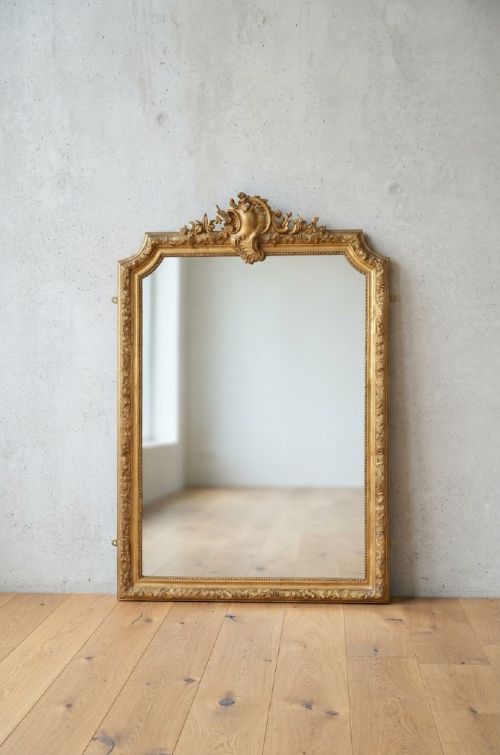
The crispness of the carved wooden moulding and the finesse of the gesso work separate finer examples from simpler production. Superior pieces maintain crisp detail in their corner motifs and framing profiles without softness in the gesso relief.
The preservation of the original mercury glass plate and the integrity of the gold leaf surface dictate the standing of an individual mirror. Age-related foxing on the glass adds authenticity, while extensive modern gilding repairs alter the visual character.
The Gilded Louis Philippe Mirror Glossary
- Gesso
- A plaster-like mixture applied to wood frames to create a smooth surface for gilding. It allows for intricate carved details to be built up before gold leaf is applied.
- Giltwood
- Timber that has been coated with gold leaf or metallic powder. This material gives the frames their characteristic warm metallic lustre.
- Foxing
- Small dark spots and discolouration that develop on antique mirror glass over time. It occurs as the backing degrades and serves as an indicator of age.
- Overmantel
- A large mirror designed specifically to hang above a fireplace mantelpiece. These pieces often feature broader proportions to fill the wall space above a hearth.
- Ripple frame
- A moulding profile featuring a series of small, repetitive undulating waves. This technique creates texture and catches the light across the timber surface.
Gilded Louis Philippe Mirror: Frequently Asked Questions
How do I hang a heavy overmantel mirror?
These substantial frames require secure fixing directly into wall studs or masonry using heavy-duty brackets rated for the weight.
Professional installation is strongly advised given the combined mass of the wood, gesso, and thick glass plate.
What defines the louis philippe style?
The style emerged in nineteenth-century France during the reign of King Louis-Philippe as a reaction against ornate restoration designs. It prioritises clean architectural lines and softly rounded upper corners.
Decoration remains minimal, often limited to subtle beaded inner borders or understated crests.
Should I replace foxed mirror glass?
Original mercury glass with natural foxing is prized by collectors as evidence of genuine nineteenth-century manufacture. Replacing the plate removes part of the object's historical integrity.
Most buyers prefer to accept the atmospheric blemishes that come with age.