




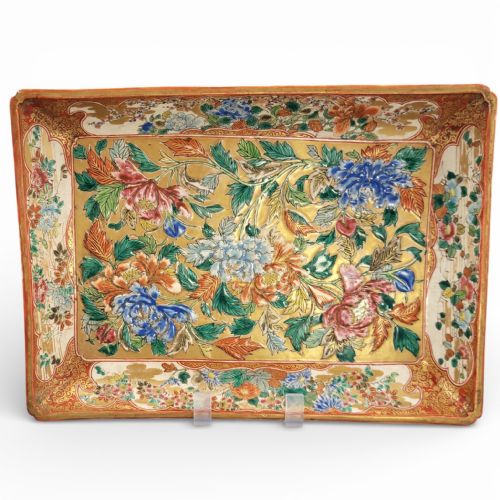


Gilded Japanese Porcelain Platter
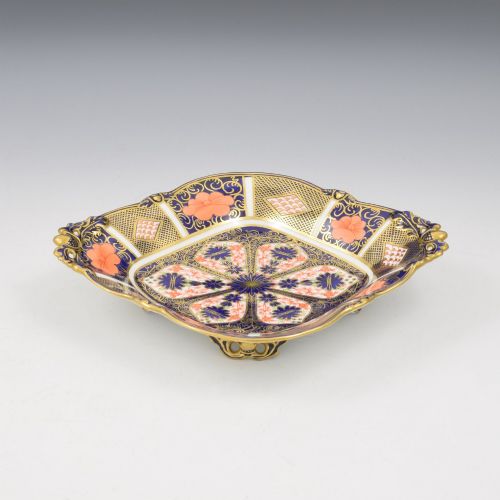
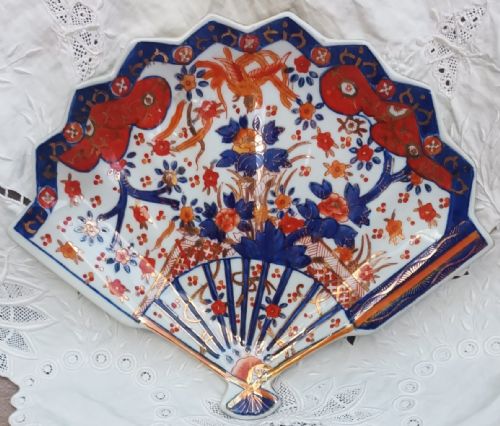
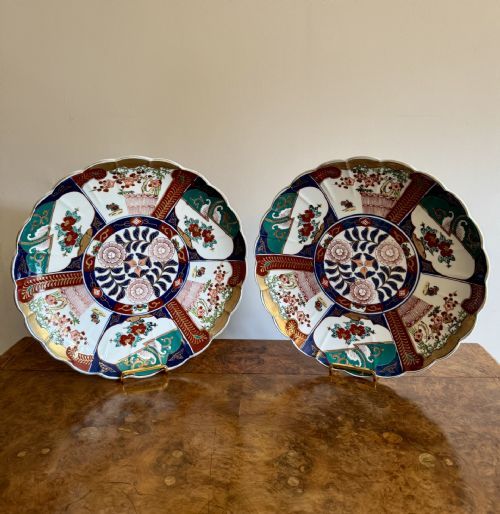
These gilded japanese porcelain platter items are large decorative dishes and chargers featuring intricate hand-painted designs and metallic accents.
Gilded Japanese Porcelain Platter
A gilded japanese porcelain platter typically takes the form of a large decorative charger, plate or serving dish designed for display or formal service. These substantial ceramic pieces serve as focal points in a room, often exhibited on walls or cabinets.
The selection on this page centres predominantly on Japanese Imari and Kutani wares alongside English interpretations influenced by the Aesthetic Movement. Examples range from the mid nineteenth century through to the early twentieth century.
Buyers encounter various shapes including round chargers, octagonal plates, fan-shaped trays and scalloped dishes. The primary origin is Japan, encompassing Edo and Meiji periods, complemented by nineteenth-century English bone china and earthenware adaptations.
How they were made
Potters shaped porcelain, bone china or earthenware into large plates and chargers before applying underglaze and overglaze enamel pigments. Hand painting forms the core of the decoration, depicting floral motifs, birds, peacocks and geometric patterns.
Gold leaf, gilding and gold gilt are applied meticulously to highlight borders, motifs and specific design elements across the surface. Firing techniques fix the coloured glazes and metallic details to the ceramic body, creating a durable and lustrous finish.
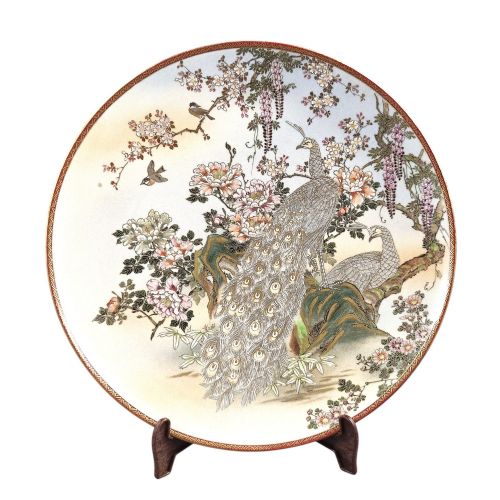
Peacocks strut through wisteria thickets on these chargers, ensuring your dining room wall permanently harbours an exotic nineteenth-century aviary.
What varies in quality
Quality rests upon the precision of the hand-painted brushwork and the complexity of the design composition. Pieces featuring detailed scenes with peacocks, wisteria, peonies and birds demonstrate superior artistic execution compared to simpler repetitive patterns.
The application and preservation of the gold leaf or gilding distinguish finer examples from standard production. Intricate forms such as pierced serving trays, octagonal plates and scalloped edges also indicate higher manufacturing ambition.
The Gilded Japanese Porcelain Platter Glossary
- Charger
- A large decorative plate traditionally used for formal service or display on a wall or sideboard. These substantial vessels dominate ceramic displays due to their generous diameter.
- Imari
- A traditional style of Japanese porcelain featuring a distinctive palette of underglaze blue and overglaze red, gold and black. English potteries later reproduced these vibrant colour schemes.
- Meiji Period
- The era in Japanese history spanning from 1868 to 1912, characterised by opening trade with the West and prolific ceramic production for export. Pieces from this time often exhibit elaborate gilding and natural motifs.
- Moriage
- A decorative ceramic technique involving raised slip painting that creates a textured, three-dimensional surface effect. This method appears on Satsuma wares alongside intricate gold accents.
- Kutani
- A style of Japanese porcelain and pottery known for bold enamel colours and extensive gold detailing. Kutani plates frequently feature pictorial scenes with peonies and figures.
Gilded Japanese Porcelain Platter: Frequently Asked Questions
How were these chargers used?
Large chargers and decorative dishes served primarily as display pieces on sideboards or walls rather than for daily dining. Their substantial size and rich decoration made them status symbols in Victorian and Meiji interiors.
Today, they function in the same decorative capacity, often mounted on walls using specialised plate hangers or showcased on wooden stands within living spaces and dining rooms.
How do I identify a Meiji period piece?
Meiji period items date from 1868 to 1912, a time when Japanese kilns produced extensive wares for international export. Look for characteristic Imari or Kutani palettes combined with dense floral, bird or landscape motifs.
Many pieces from this era also incorporate heavy gilding and refined hand-painted details that reflect the sophisticated craftsmanship demanded by Western markets at the time.
What is the difference between Imari and Kutani?
Imari porcelain traditionally relies on a strict palette of cobalt blue underglaze combined with iron red, green and gold overglaze. The patterns frequently incorporate geometric borders, panels and floral arrangements.
Kutani wares generally feature a broader, bolder range of enamel colours dominated by greens and golds, often depicting pictorial scenes of birds, flowers or figures with great narrative detail.
Can I use these platters for food?
While these items are technically ceramic vessels, antique chargers and decorative plates are intended for display rather than practical culinary use. Overglaze enamels and historic gilding can wear down with frequent washing and cutlery contact.
Preserving the integrity of the hand-painted surfaces and gold leaf makes dry display the safest way to enjoy these historic plates in a modern home.