






Arita Porcelain Wall Charger
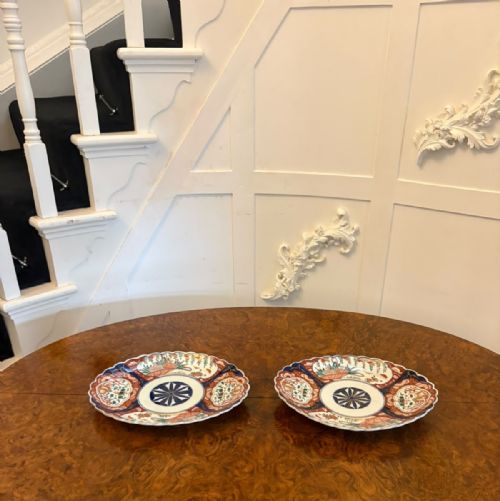
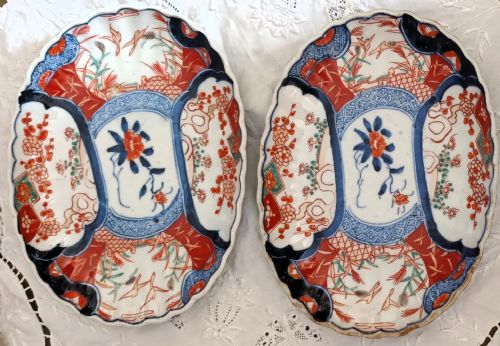
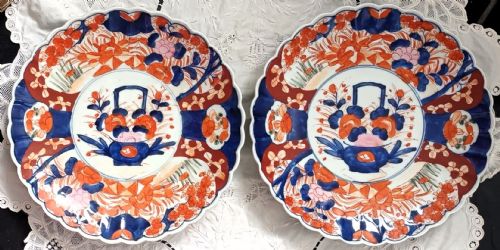
When you search for an arita porcelain wall charger, you find large decorative plates created in Japan using traditional styles and vibrant cobalt underglaze.
Arita Porcelain Wall Charger
An arita porcelain wall charger is a large decorative dish meant for display, originating from the Hizen province in Japan. The listings show pieces stretching from the Edo period through the Meiji period and into the early twentieth century.
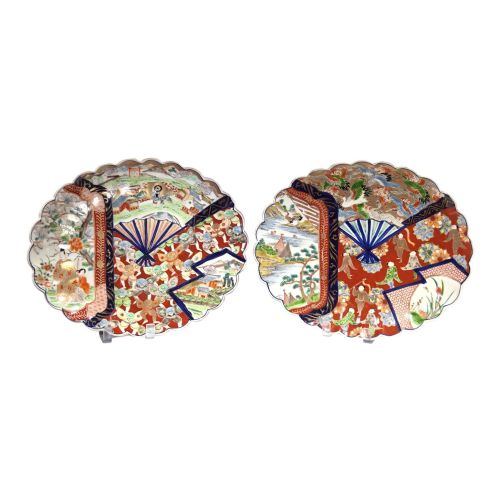
Most items on this page take the form of chargers, large plates, or platters designed to be hung on walls or set on surfaces. Forms vary from traditional round shapes to square, fan-shaped, octagonal, and scalloped designs.
The aesthetic is dominated by Japanese Imari and blue and white designs, often depicting exotic birds, koi carp, and intricate floral patterns.
How they were made
Potters shaped ceramic clay into porcelain plates before applying cobalt underglaze for the foundational blue pigments. Enamel, glaze, and gold leaf or gold gilt were then added to build up the complex colour palette.
Pieces were hand-painted, demanding steady brushwork to produce the detailed motifs seen on the chargers and dishes. Firing in kilns set the porcelain base and fused the surface colours.
Listings span multiple eras, featuring materials like porcelain, enamel, gold leaf, and cobalt underglaze across centuries of production.
What varies in quality
Quality rests in the crispness of the hand-painted brushwork and the vibrancy of the cobalt blue against the white porcelain ground. Stronger pieces display precise detail in subjects like exotic birds or koi carp.
The application of secondary colours, such as enamel and gold leaf, distinguishes standard production from finer examples. Form also plays a role, with unusual shapes like fans, squares, and scalloped edges requiring greater skill to form.
The Arita Porcelain Wall Charger Glossary
- Arita
- A Japanese town and production centre renowned for porcelain manufacture in Hizen province. It formed the heart of Japanese export ceramic production.
- Imari
- A style of Japanese porcelain decorated in underglaze blue, iron red, and gold. Items were shipped from the port of Imari to Europe.
- Meiji
- The period in Japanese history spanning from 1868 to 1912. Many decorative chargers on this page date from this era.
- Cobalt underglaze
- A blue pigment applied to ceramic pieces before glazing and firing. It withstands high kiln temperatures without fading.
- Charger
- A large decorative plate used for display rather than dining. These pieces often feature pierced foots rings for hanging on walls.
Arita Porcelain Wall Charger: Frequently Asked Questions
How do I hang a wall charger safely?
Use a specialised spring-loaded plate hanger that grips the rim securely without damaging the porcelain body. Ensure the wall fixing is anchored into a stud or uses a proper masonry plug.
Check the weight of the charger before selecting a hook. Large porcelain pieces require robust hardware to support them safely over time.
What is the difference between Arita and Imari?
Arita refers to the geographical production site in Japan where the porcelain was mined, shaped, and fired. Imari is the styling and shipping port name associated with the decorated export ware.
All Imari porcelain from this region is a subset of Arita ware. The terms often overlap in descriptions of antique Japanese ceramics.
How can I tell the Meiji period pieces apart?
Meiji period chargers often exhibit vibrant hand-painted details and confident use of enamel and gold gilt. The forms can range from traditional round chargers to complex scalloped and square shapes.
Earlier pieces from the Edo period or late seventeenth century tend to show different cobalt tones and simpler brush dynamics. Comparing the density of the motifs helps establish the timeline.