







Gilded Japanese Porcelain Charger
These gilded japanese porcelain charger pieces are large decorative plates adorned with metallic leaf and painted motifs, chosen for their striking wall presence and historic craft.
Gilded Japanese Porcelain Charger
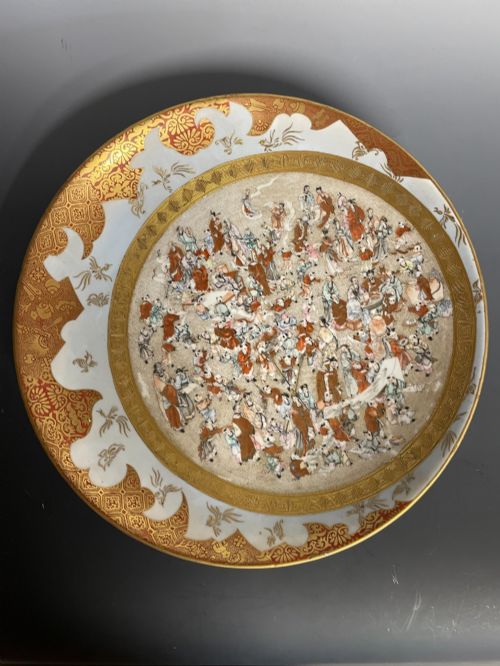
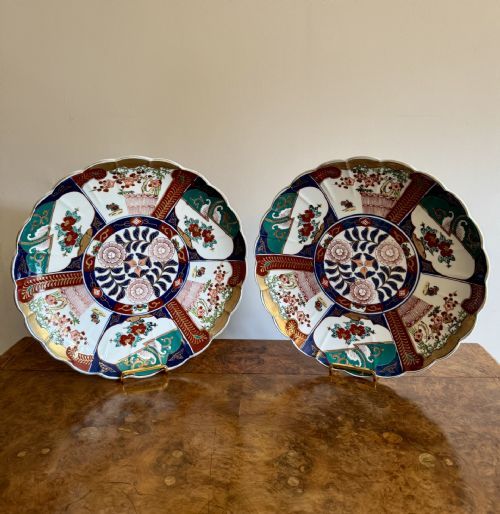
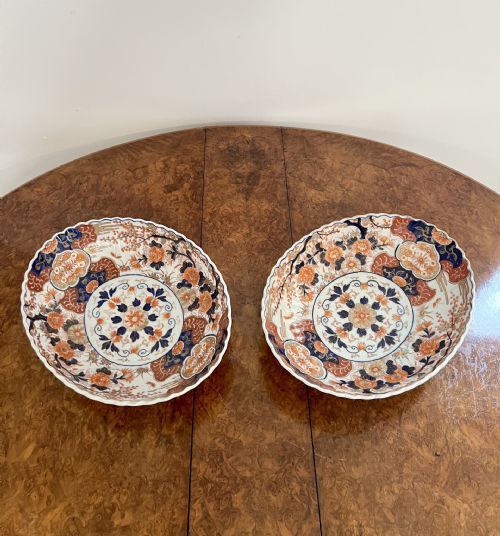
A gilded japanese porcelain charger is a broad, shallow decorative plate designed for display on walls or tables, often featuring rich patterns in cobalt underglaze and enamel. The listings show forms ranging from round chargers and wall plates to scalloped edge bowls and oval dishes originating across the 18th century, 19th century, and early 20th century.
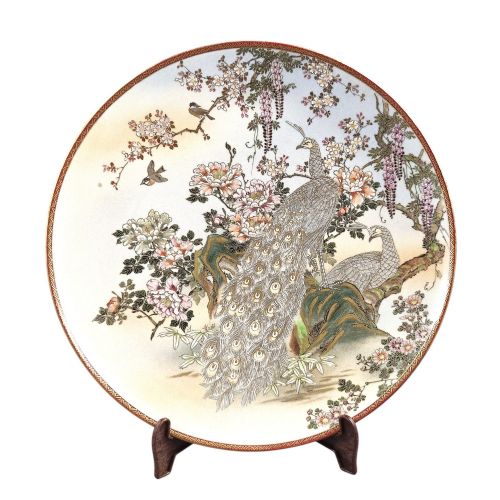
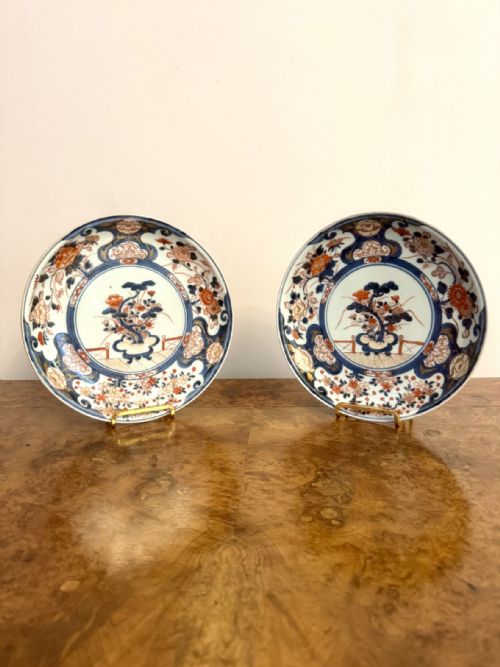
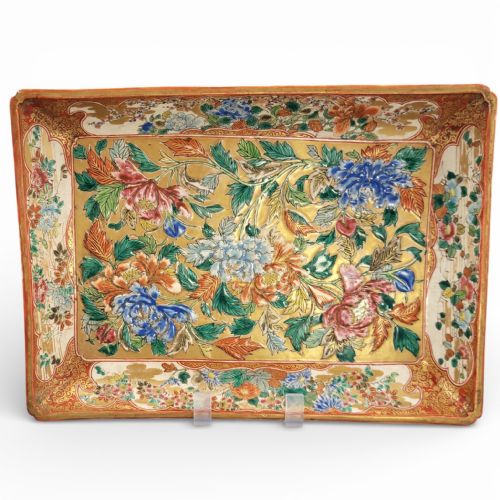
The version most commonly met on this page is the Japanese Imari charger from the Meiji period or around 1900, characterised by intricate hand-painted designs of floral, bird, and geometric motifs. Alongside these, examples span Satsuma ware, Kutani platters, and Arita dishes, reflecting diverse regional production centres and decorative styles.
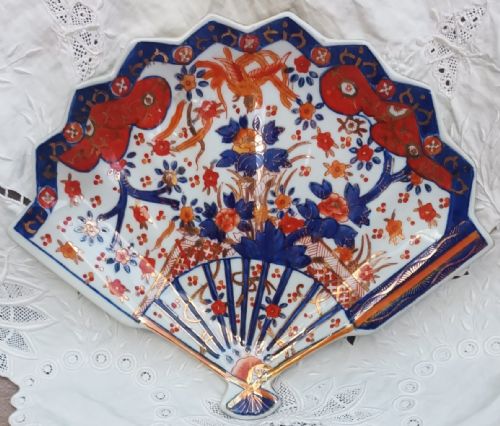
Buyers encounter various alternative shapes including fan-shaped plates, square plates, and octagonal porcelain plates alongside standard round chargers. These pieces serve primarily as visual focal points in a room, appreciated for their scale and complex surface decoration.
How they were made
Potters shaped porcelain or earthenware bodies on the wheel or in moulds before applying initial cobalt underglaze pigments. Artisans then added overglaze enamels in red, green, and other colours alongside gold leaf or gold gilt to enrich the surface.
Firing the pieces in kilns fused the glaze and colours to the ceramic body, creating a durable and lustrous finish. Relief techniques such as moriage appear on specific Satsuma pieces, building up raised clay details beneath the painting and gilding.
Materials recorded on this page include cobalt underglaze, enamel, gold leaf, and earthenware alongside standard porcelain.
What varies in quality
Quality rests in the precision and density of the hand-painted brushwork, where finer lines and more deliberate composition distinguish superior pieces from standard production. The application of gold leaf and overglaze enamel also differs, with better examples retaining rich metallic lustre and precise registration.
Form and modelling contribute to distinction, such as scalloped, octagonal, or fan-shaped edges that demand greater skill from the potter than simple round plates. The clarity of the porcelain body and the depth of the cobalt underglaze further separate standard items from exceptional ones.
Koshida·Fukagawa
The Gilded Japanese Porcelain Charger Glossary
- Imari
- A traditional Japanese style of porcelain originating from Arita, typically decorated in cobalt blue, iron red, and gold. This palette creates a high-contrast visual effect that defined export wares for centuries.
- Charger
- A large decorative plate or platter intended primarily for display rather than dining use. Their substantial diameter provides a broad canvas for complex hand-painted scenes.
- Meiji Period
- The era of Japanese history lasting from 1868 to 1912, associated with a vast increase in export ceramics destined for Western markets. Pieces from this time often display meticulous detail and varied decorative styles.
- Moriage
- A ceramic technique where slip is piped onto the surface of the piece to create raised, three-dimensional decorative patterns. It frequently appears on Satsuma wares beneath enamel and gilding.
- Underglaze
- Pigment applied to the raw or bisque ceramic body before the transparent glaze is applied and fired. This technique protects the painted design beneath a glassy layer, ensuring longevity.
Gilded Japanese Porcelain Charger: Frequently Asked Questions
How were gilded japanese porcelain charger pieces displayed?
These large plates were typically hung on walls using specialist wire brackets or stood upright on sideboards and display tables. Their generous diameters ensured they functioned as prominent visual anchors within Victorian and Edwardian interiors.
Collectors today continue to use wall mounts or plate stands to showcase the intricate surface patterns safely. Placing them away from direct foot traffic protects the fragile overglaze enamels and gold leaf from accidental knocks.
What is the difference between Imari and Kutani wares?
Imari wares are defined by a distinct palette of cobalt blue and iron red, frequently accented with gold on a bright porcelain body. They emerged from the port of Imari and focus on formal, repeating geometric and floral motifs.
Kutani wares originate from Ishikawa Prefecture and often feature more pictorial scenes rendered in bolder, earthier enamel colours with heavy gold detailing. Both traditions represent major strands of Japanese ceramic art available to collectors.
How do I identify a Meiji period piece?
Meiji period ceramics generally date between 1868 and 1912, an era marked by intense artistic production for international export. You will often notice exceptionally fine hand-painted brushwork and confident use of gold gilding on these items.
Examining the foot ring and the character of the porcelain paste can also provide clues to the era of manufacture. Many pieces from this time bear hand-painted maker marks or studio signatures on the underside.
Can these plates be used for serving food?
Historic decorative chargers are generally intended for display rather than practical dining use. The presence of delicate overglaze enamels and metallic gold leaf means that frequent washing and utensil contact can wear away the finish.
It is best to treat them as works of art and keep them dry. Gentle dusting with a soft, dry cloth is sufficient for routine maintenance.