



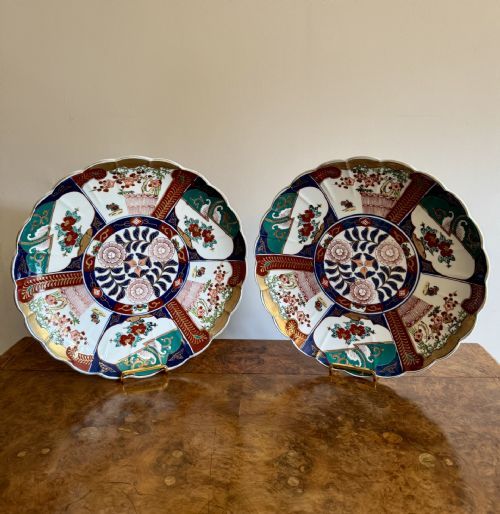
Gilded Japanese Ceramic Dishes
These gilded japanese ceramic dishes bring together rich Meiji period hand-painted designs and heavy gold leaf work.
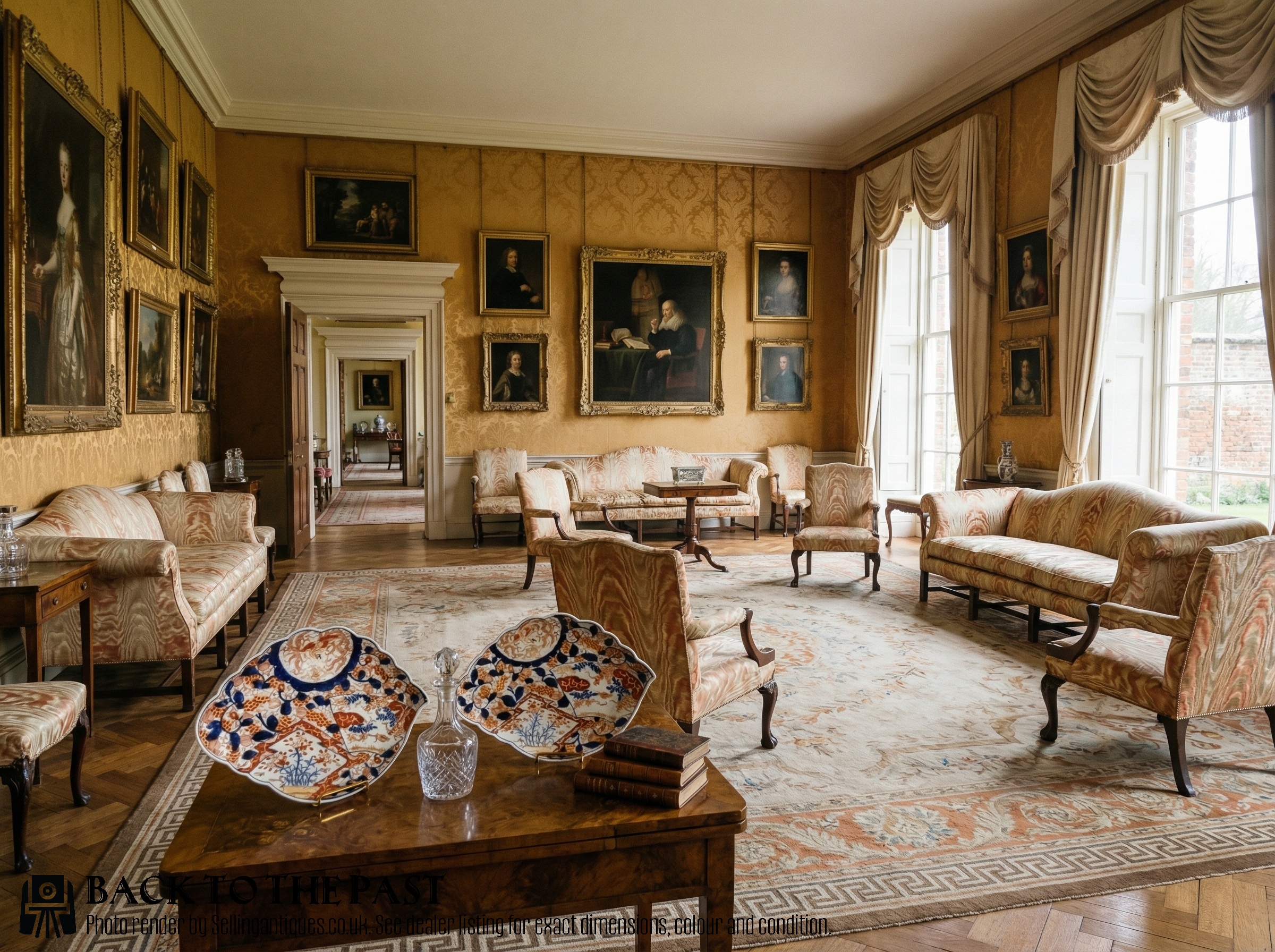
Gilded Japanese Ceramic Dishes
When you search for gilded japanese ceramic dishes, you encounter a selection spanning the late nineteenth and early twentieth centuries. These forms predominantly include decorative plates, chargers, shallow dishes, and bowls originating from traditional production centres.
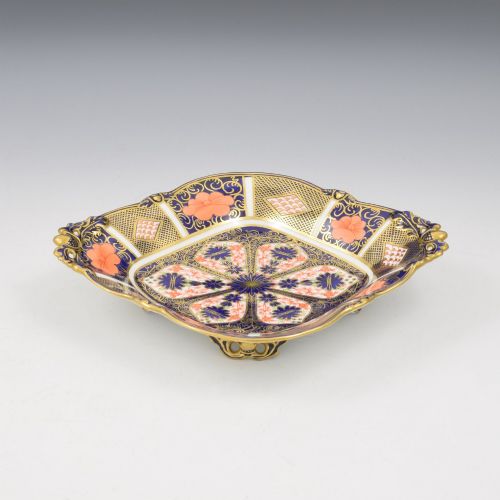
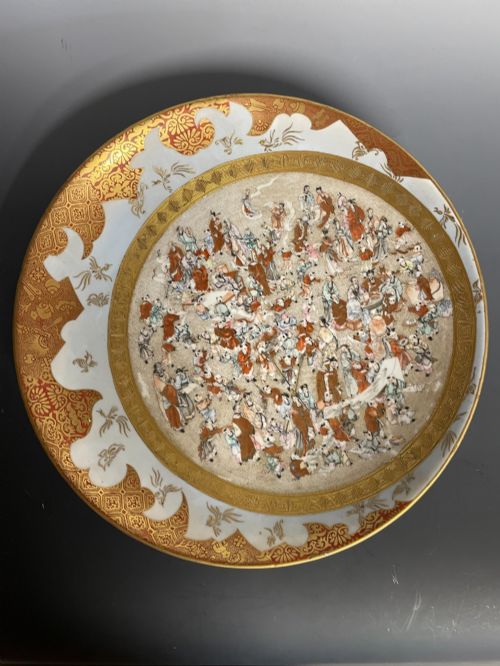
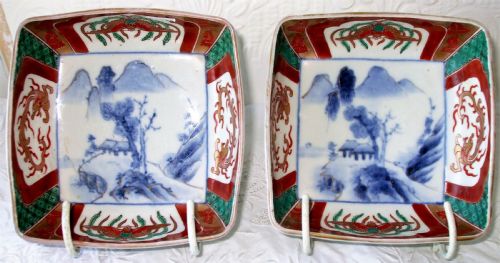
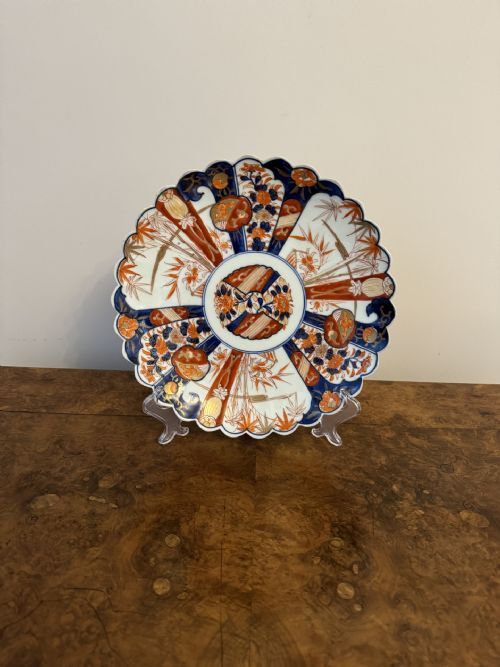
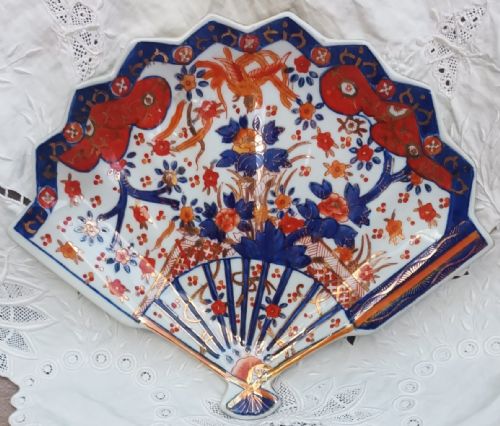
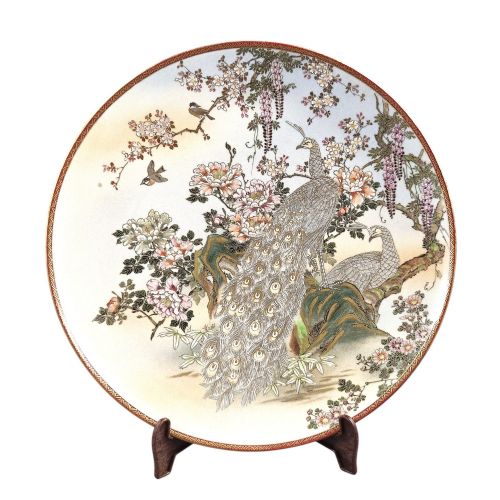
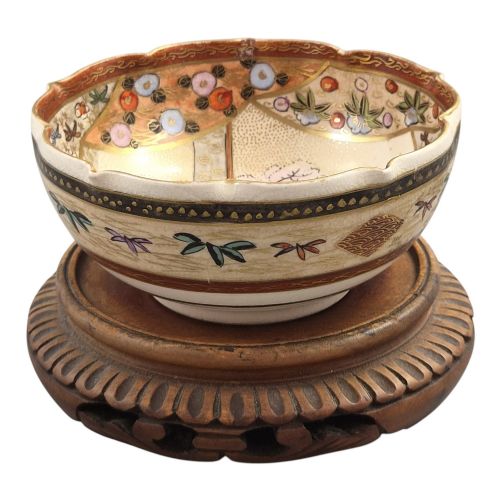
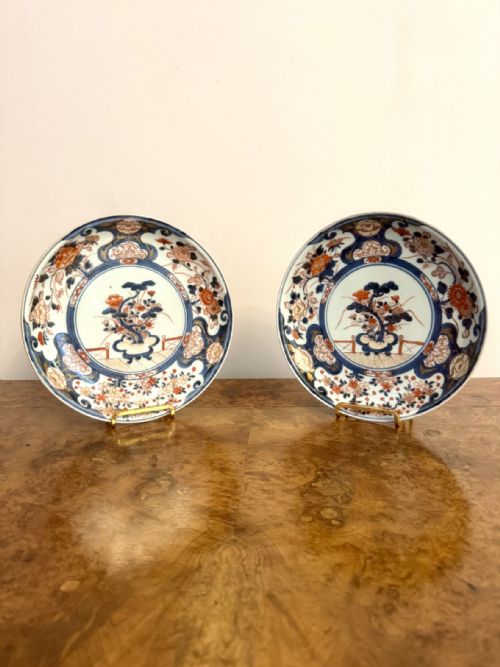
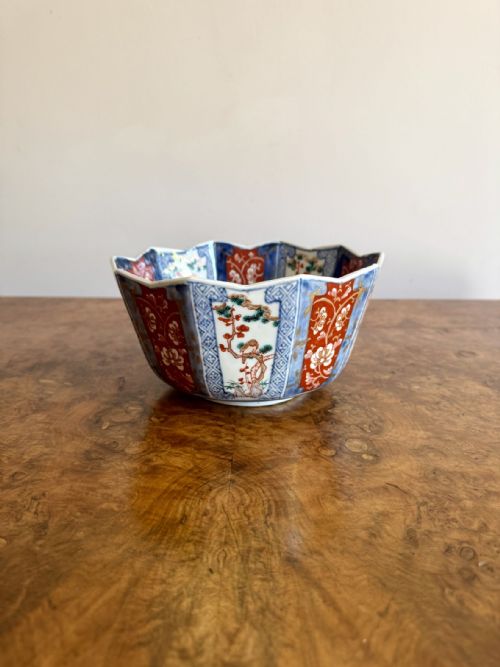
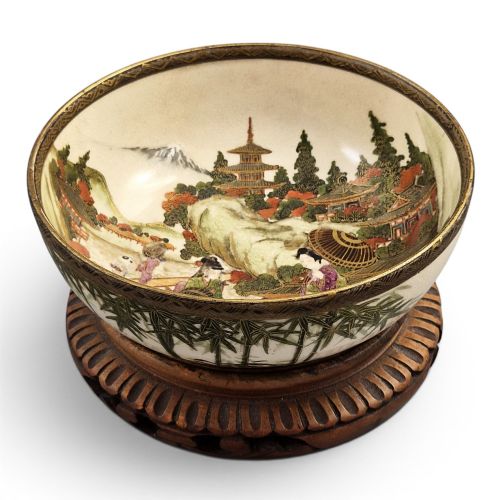
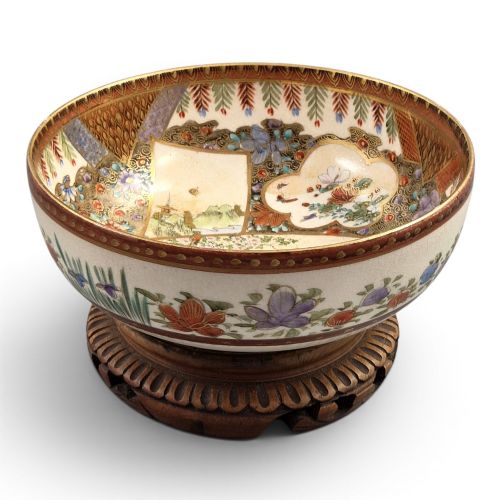
The objects frequently fall into distinct categories such as Imari porcelain, Satsuma earthenware, and Kutani ware. Most examples date from the Meiji period, featuring characteristic hand-painted motifs enriched with gold leaf and enamel accents.
Materials and Techniques
The makers utilised local clay bodies to form porcelain and earthenware vessels, which were then hand painted with detailed mineral enamels. Gold leaf and gilt highlights were applied over the glaze to catch the light across floral and figurative scenes.
Techniques varied between the crisp underglaze blues and overglaze iron reds of Imari production and the fine, crazed earthenware surfaces characteristic of Satsuma ware. Skilled artisans combined these ceramic bases with intricate moriage relief work and dense gilding.
The inventory records pieces dated across the nineteenth and twentieth centuries, encompassing Victorian, Edwardian, and Meiji periods.
Assessing Quality
Quality rests upon the precision of the hand-painted brushwork and the generosity and execution of the gilding. Superior examples display crisp details in the floral, bird, or figural subjects without blurring or pooling of the enamels.
The weight of the porcelain or earthenware body and the clarity of the underlying glaze further distinguish finer cabinet plates and large chargers from standard decorative wares. Signed pieces from recognised Meiji period workshops often demonstrate superior artistic control.
Koshida·Kozan·Toshozan·Shuzan for Yasuda·Hododa
The Gilded Japanese Ceramic Dishes Glossary
- Imari
- A style of Japanese porcelain featuring a palette of underglaze blue, iron red, and abundant gold. These pieces were widely produced for both domestic use and export during the Edo and Meiji periods.
- Satsuma
- A type of Japanese earthenware characterised by a pale, ivory-coloured crazed glaze. It is typically decorated with elaborate polychrome enamels and raised gold work.
- Kutani
- Japanese porcelain or pottery known for its bold decorative schemes, often dominated by greens, blues, purples, and extensive gold leaf. The style developed significantly during the nineteenth century.
- Charger
- A large decorative plate intended for display on a sideboard or wall rather than for serving food at table. These substantial pieces often showcase the most ambitious painting of a workshop.
- Moriage
- A decorative technique in Japanese ceramics where slip is piped onto the surface in raised dots or lines before firing and gilding. This creates a tactile, three-dimensional effect.
Gilded Japanese Ceramic Dishes: Frequently Asked Questions
How do I display a charger?
Large chargers were made for visual impact and suit placement on sturdy wall brackets or within deep plate stands on a cabinet top.
Ensure the support safely takes the weight of the thick porcelain or earthenware body before leaving it on display.
Were these dishes used for dining?
Many larger plates and chargers served primarily as decorative items or for ceremonial presentation rather than everyday meals.
Smaller bowls and dishes saw more practical use in Japanese domestic settings for serving food or sweets.
How do I care for gilt ceramics?
Dust these pieces gently with a dry, soft cloth and avoid any chemical cleaning agents that might lift the delicate gold leaf.
Keep them out of direct sunlight to protect the stability of the hand-applied enamels over time.
How do I tell Satsuma from Imari?
Satsuma wares utilise an earthenware body with a distinctive fine crackle glaze and dense polychrome enamel painting.
Imari pieces rely on a hard porcelain body decorated with a contrasting palette of blue, red, and gold.