


Gilded Glass Portrait
These gilded glass portrait pieces bring reflective depth and historical character to a room, offering a glimpse into centuries of portraiture.
Gilded Glass Portrait
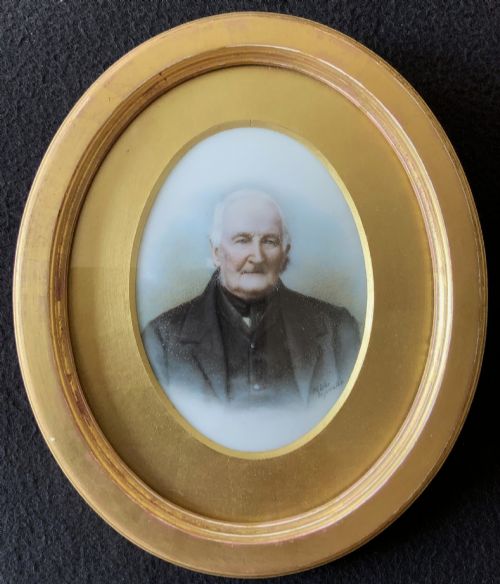
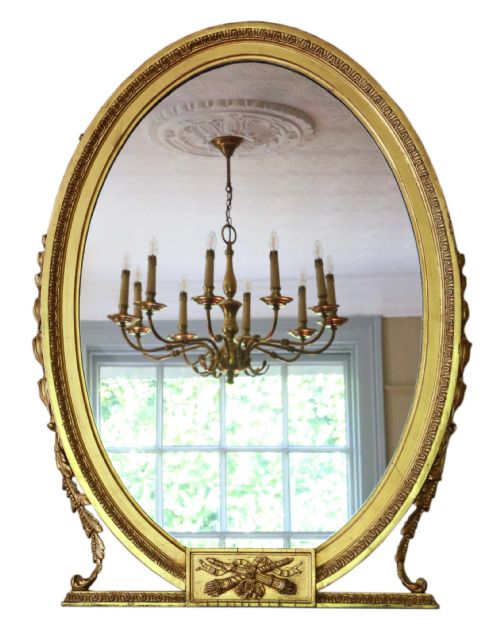
A gilded glass portrait brings together reflective surfaces and painted or printed likenesses, often framed for wall display. When exploring this selection, buyers encounter works spanning from the Georgian and Victorian eras through to the early twentieth century.
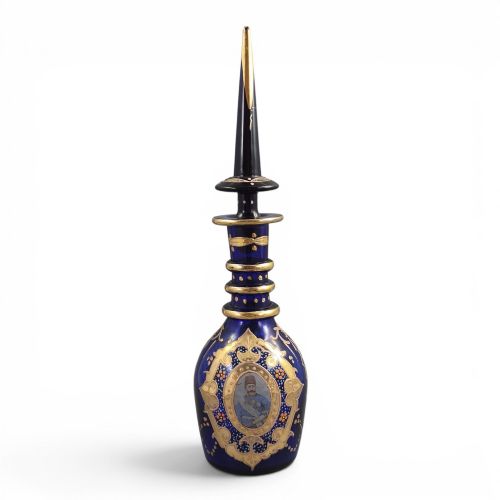
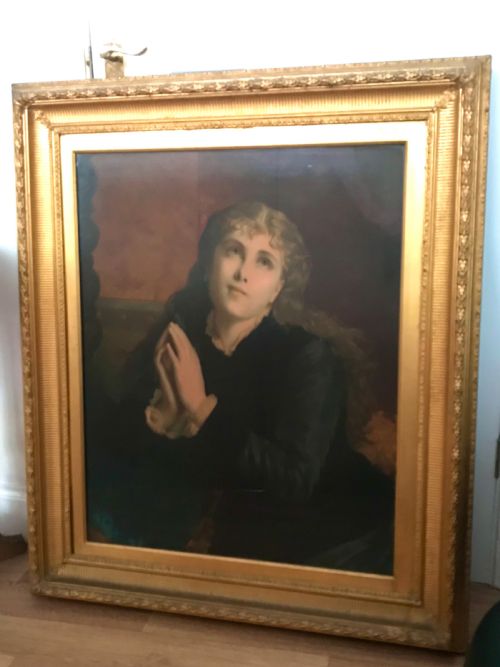
The objects listed on this page include miniature paintings on glass, reverse prints, and overlaid portraits on glassware, reflecting both British and continental European traditions. These pieces range from intimate devotional subjects to decorative items designed for specific export markets.
The dominant periods represented here are the eighteenth and nineteenth centuries, alongside later nineteenth and twentieth-century examples. Formats vary from wall art and framed pictures to decorative vessels with portraits.
Materials and construction methods
The creation of these works relies on glass as the primary substrate, combined with gold leaf, giltwood, or gesso for the frames and ornamental highlights. Paint, enamel, and watercolour are applied directly to the glass or used in associated prints and watercolours.
Techniques involve reverse painting or printing, where the image is applied to the rear of the glass so it is viewed through the transparent pane. Gilding is integrated to catch the light, adding luminosity behind the painted or printed subject.
Listings on this site span the eighteenth, nineteenth, and twentieth centuries, incorporating materials such as glass, gold leaf, gesso, and enamel.
Distinctions in craftsmanship and condition
The preservation of the glass and the underlying gilding dictates the integrity of the piece over time. Original frames, particularly those in giltwood or gesso, contribute significantly to the overall cohesion of the work.
Robert Sayer·Abraham Cooper·John Miers
The Gilded Glass Portrait Glossary
- Reverse print on glass
- An image transferred or painted onto the back of a glass sheet so that the finished picture is viewed through the front. This technique protects the pigment from atmospheric dirt.
- Giltwood
- Wood that has been coated with a thin layer of gold leaf or gold powder. It is frequently seen on the frames enclosing these portraits.
- Gesso
- A plaster-like mixture applied to wood frames before gilding to provide a smooth base for the gold leaf. It allows for intricate moulded details.
- Enamel
- A decorative glassy substance fused to the surface of glass or metal through firing. It provides vibrant, durable colour on vessels and decorative objects.
- Eglomise
- A technique involving the application of cold painting and gold leaf to the rear of glass. The resulting finish has a distinctive reflective sheen.
Gilded Glass Portrait: Frequently Asked Questions
How do I hang a glass portrait safely?
These pieces require secure wall fixings suited to the weight of the glass and the frame. Ensure the hanging wire or brackets are properly secured to the structure of the frame rather than backing boards.
Keep the pieces away from direct sunlight and areas of high moisture to protect the glass, paint, and gilding from degradation over time.
What is reverse glass painting?
Reverse glass painting involves applying pigments to the back of a glass sheet, meaning the artist paints the foreground details first and the background last. When viewed from the front, the glossy surface of the glass protects the paint.
This technique produces a distinct luminosity and depth that differs from standard canvas or paper paintings.
How should I clean gilded glass?
Dust the surface gently with a soft, dry cloth to remove particles without disturbing the glass or frame. Avoid using liquid cleaners directly on the glass, as moisture can seep behind the pane and damage the paint or gilding.
If cleaning is necessary, use a barely damp cloth on the glass only, taking care not to touch any exposed painted areas at the edges.
How do I date an antique glass portrait?
Dating relies on examining the style of the portrait, the framing materials, and the type of glass used. Georgian and Victorian pieces often feature handmade glass with minor imperfections and traditional framing methods.
Comparing the costume and hair style of the subject provides further clues to the period in which the work was produced.