

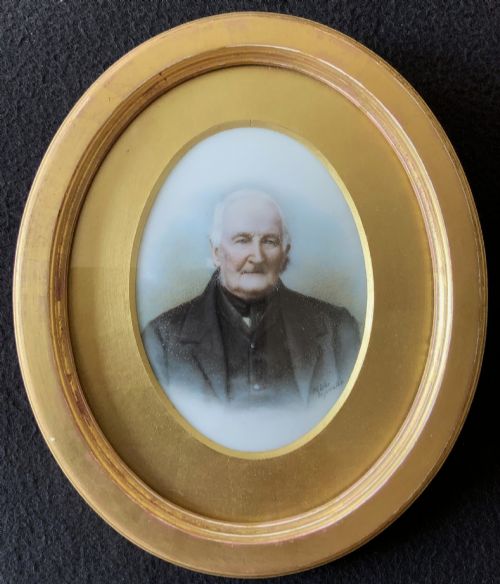
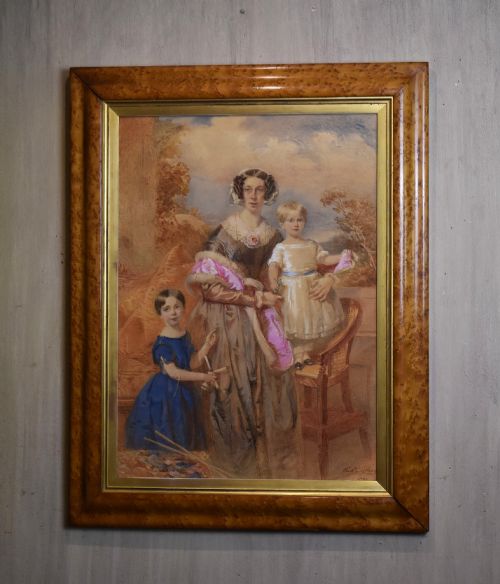
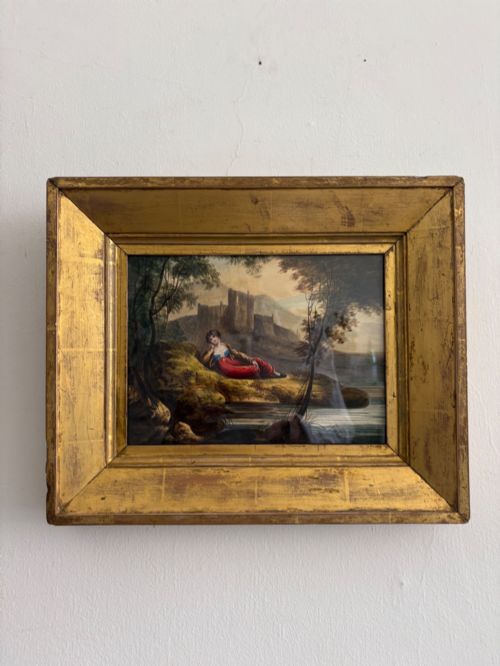
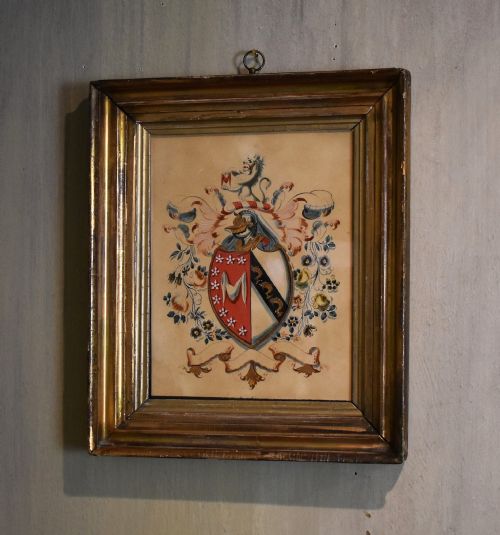
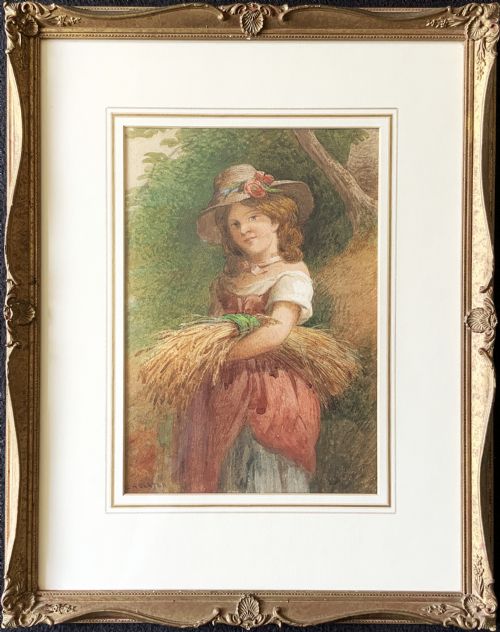


Gilded Framed Watercolour
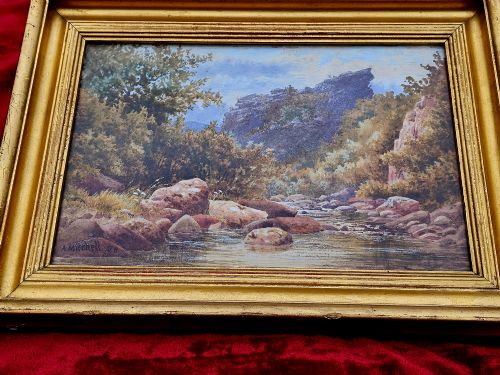
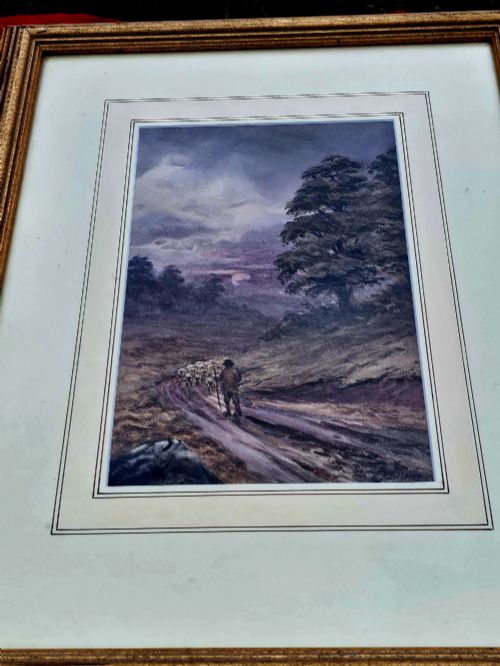
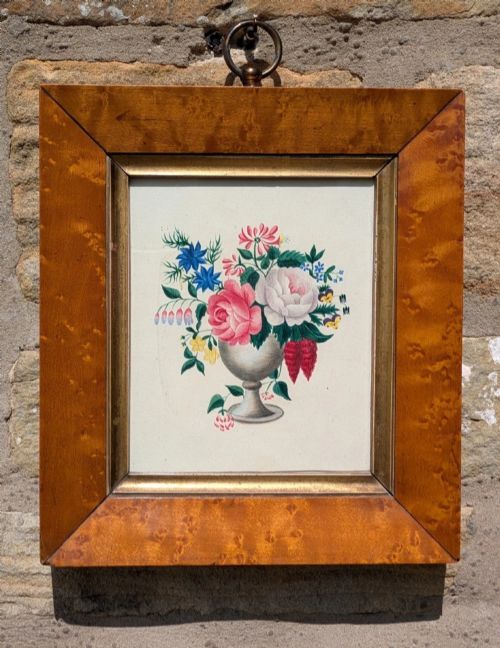
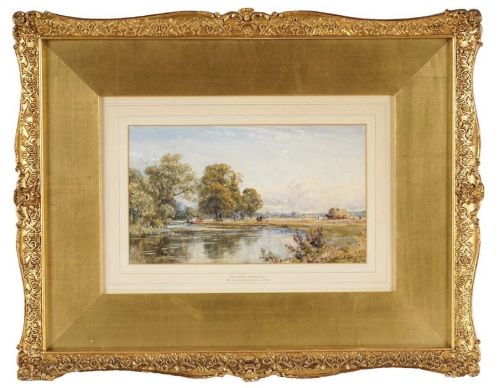
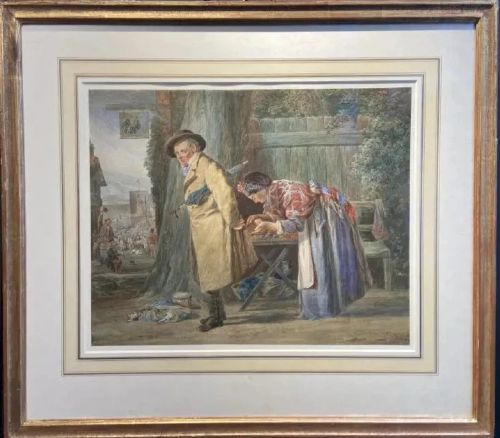
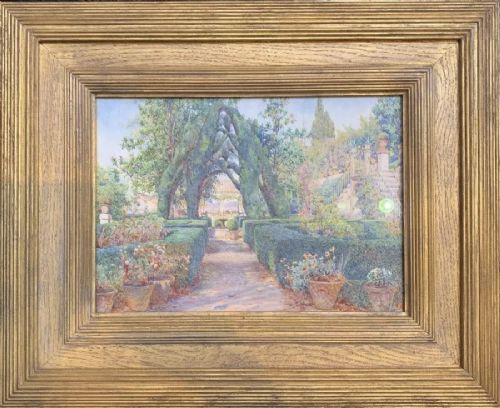
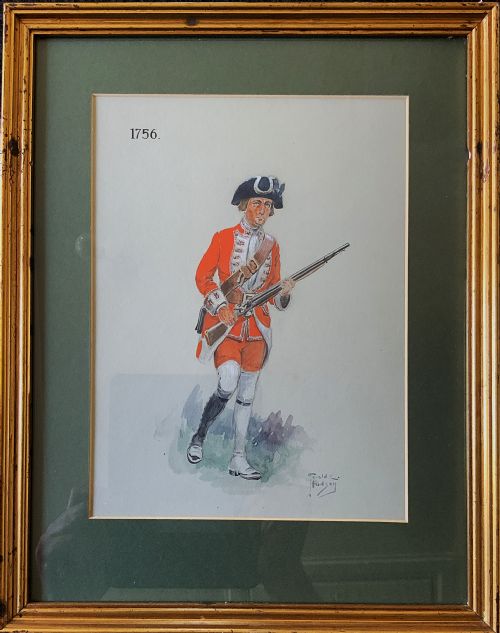
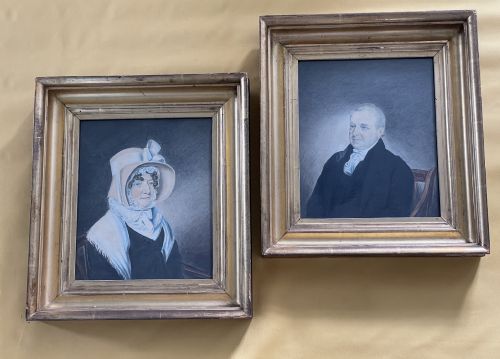
These gilded framed watercolour pieces bring character and heritage into a room, offering historic scenes set inside traditional wooden mounts.
Gilded Framed Watercolour
A gilded framed watercolour combines pigment on paper with a protective glass cover and a decorative metallic wooden surround. These works range from rural landscapes and domestic animals to military portraits and continental views.
The selections span the nineteenth century up to the nineteen-twenties, incorporating Edwardian and Victorian styles. Common subjects include pastoral scenes, lake views, and maritime settings.
Pieces frequently feature signatures or initials from period artists, providing a direct link to nineteenth-century and early twentieth-century painting traditions.
How they were made
Watercolour pigment is applied directly to paper supports using traditional brushwork techniques. These compositions rely on the white of the paper to provide luminosity and depth.
Frames are constructed from wood and finished with a gilt surface to accent the artwork. Protective glass sheets are fitted over the paper to guard against dust and moisture.
Gilded Framed Watercolour Retail Price Guide 2026
Typical asking prices for gilded framed watercolour among the pieces listed under this phrase on Sellingantiques today, from the lower quarter to the upper quarter. They describe what is for sale here now, not the wider market.
Materials across these listings include paper, glass, wood, and watercolour pigment framed in gilt wood.
What varies in quality
The skill of the brushwork and the precision of the perspective separate accomplished compositions from simpler sketches. Stronger pieces display careful handling of light, atmosphere, and detail within the scene.
The preservation of the paper and the integrity of the original gilt wood frame determine the overall condition. Original mountings and clear attribution to known painters elevate the stature of an artwork.
EJ Letheren·William Andrews Nesfield·William Noble Hardwick·Helen Donald-Smith
The Gilded Framed Watercolour Glossary
- Watercolour
- Pigment mixed with water and applied to paper. This medium allows for transparent washes and fine linear details.
- Gilt Wood
- Timber finished with a thin layer of gold leaf or metallic paint. It frames the artwork while reflecting light into the room.
- Victorian Naturalism
- An art style focusing on realistic depictions of the natural world and rural life. It predominates in nineteenth-century British painting.
- Continental Landscape
- A scenic artwork depicting locations outside of Britain. These subjects were popular among nineteenth-century travellers and artists.
Gilded Framed Watercolour: Frequently Asked Questions
How do I hang a gilded framed watercolour safely?
Use sturdy picture hooks rated for the weight of the timber frame and glass. Position the piece away from direct sunlight to protect the paper and pigments from fading.
Ensure the wall fixings match the construction type of your wall, whether plaster or brick. Check the hanging cord periodically to maintain secure placement.
How do I clean the glass on these frames?
Apply a mild glass cleaner to a soft cloth rather than spraying directly onto the frame. This prevents moisture from seeping under the glass and damaging the paper.
Wipe the surface gently and avoid pressing hard against the watercolour. Keep liquids away from the gilt wooden border to preserve the metallic finish.
What lighting suits these watercolours best?
Soft, indirect ambient light highlights the delicate tones of the pigment without causing degradation. Low-heat LED picture lights can illuminate the details effectively.
Avoid placing the artwork in rooms with high humidity, such as kitchens or bathrooms. Stable indoor conditions help preserve both paper and wooden frames.
How do I identify a Victorian piece?
Look for stylistic cues such as Victorian naturalism or romanticism within the subject matter. Nineteenth-century framing methods and paper types also provide chronological context.
Signatures, dates, and artist exhibition records help confirm the period of origin. Comparing the style to known nineteenth-century works clarifies the timeline.