






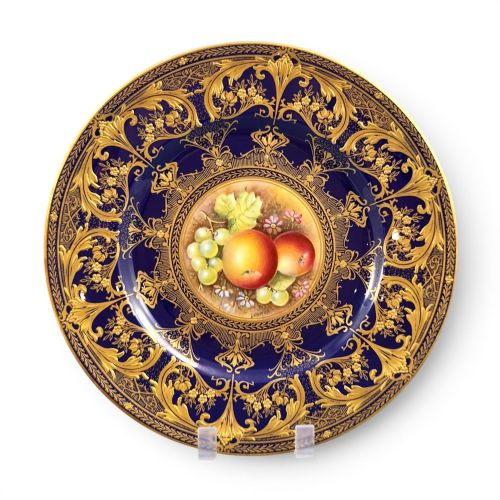
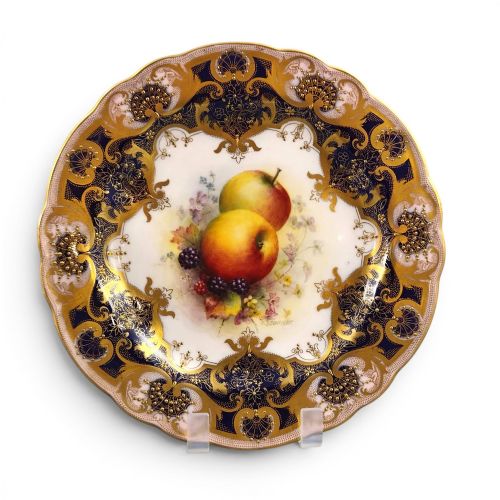
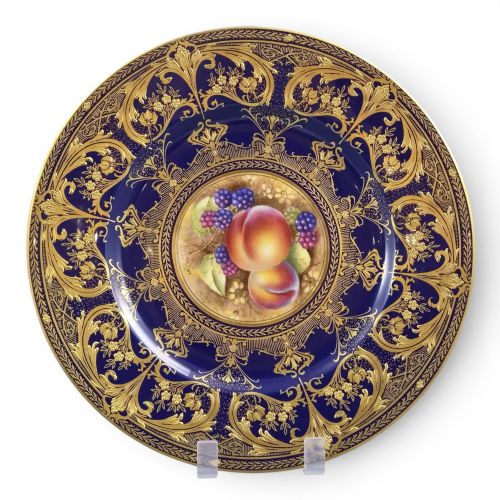
Gilded Decorative Wall Plate
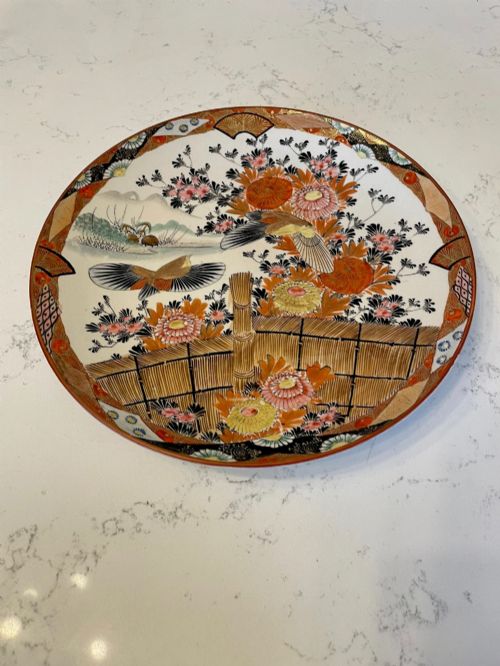
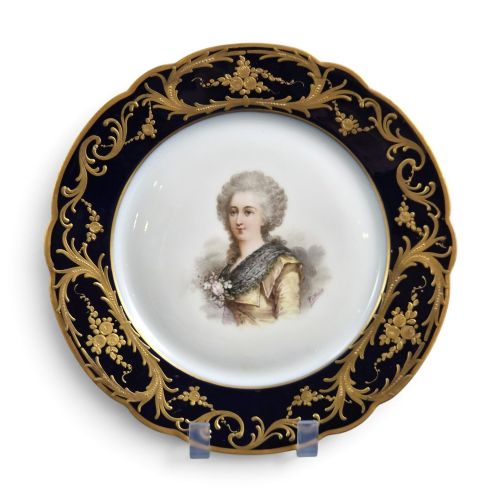
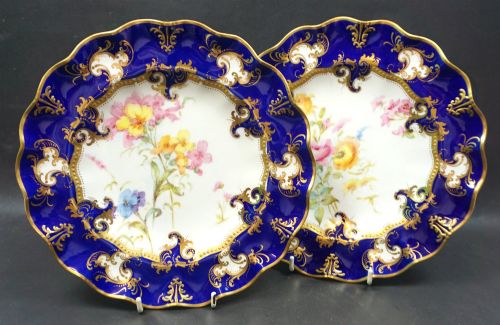
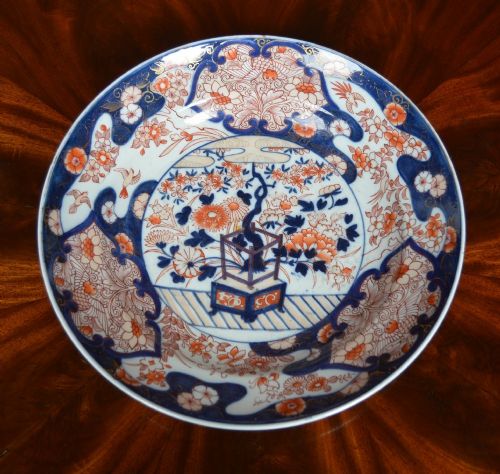
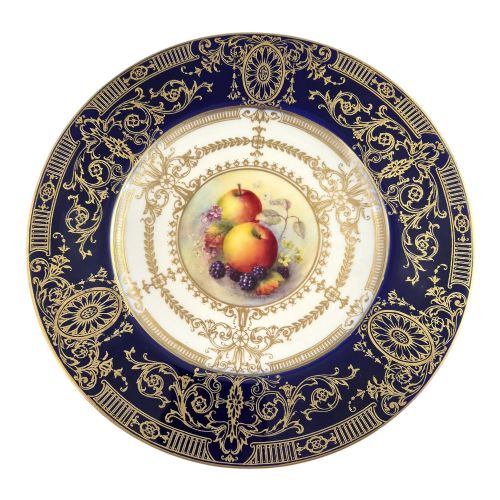
These gilded decorative wall plate examples bring hand-painted porcelain and rich metallic leaf from Japanese Imari chargers to European cabinet pieces into domestic display.
Gilded Decorative Wall Plate
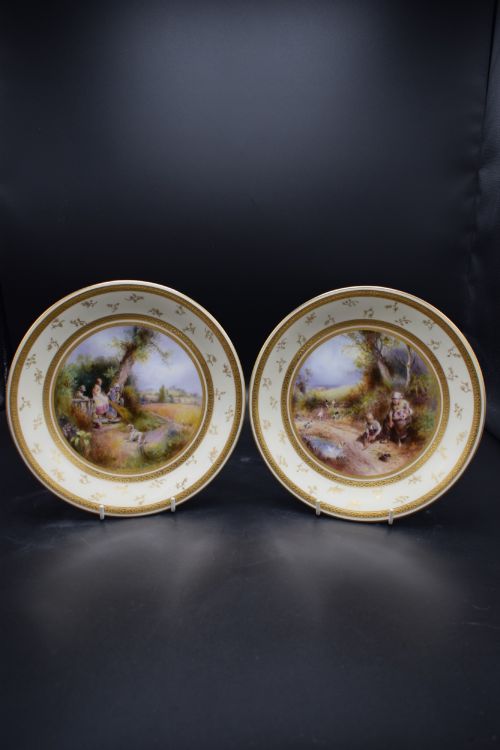
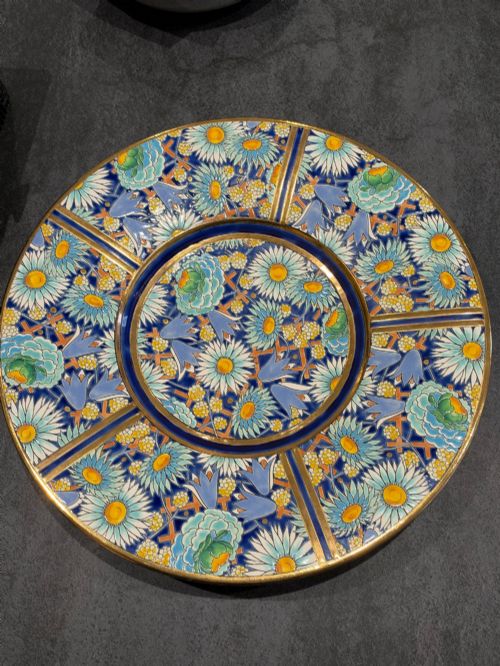
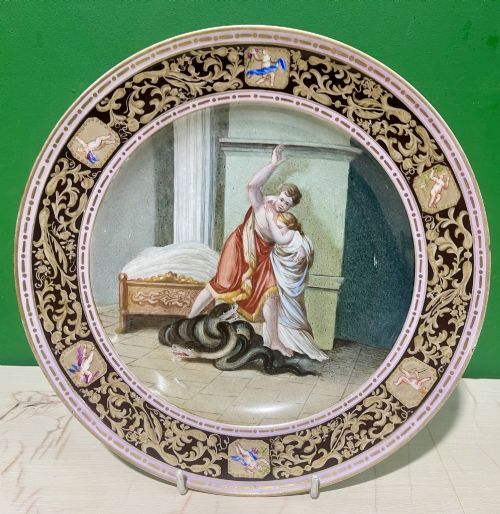
A gilded decorative wall plate serves as a focal point for interior display, combining applied metallic ornament with painted ceramic or glass surfaces. These pieces emerge from traditions spanning the eighteenth, nineteenth, and twentieth centuries, taking the form of cabinet plates, chargers, and dessert services adapted for hanging.
The selections available range from Japanese Imari and Meiji Satsuma wares to European porcelain from factories such as Royal Worcester, Minton, and Vienna. Collectors encounter painted portraits, mythological scenes, and botanical motifs framed by heavy gilding.
Victorian and Edwardian examples sit alongside earlier nineteenth-century works, reflecting shifts from Neoclassical restraint to Rococo Revival exuberance. Each object bridges functional ceramic history and dedicated wall ornamentation.
How They Were Made
Craftsmen applied gold leaf, liquid gilding, or tooling directly onto hard-paste and bone china bodies, often combining cobalt grounds with raised enamel details. Firing techniques fixed these metallic layers to the porcelain glaze, ensuring a permanent reflective finish.
Carved gilt-wood frames and glass plates utilise traditional joinery and silvering methods to create wall mirrors and decorative surrounds that complement ceramic wall displays.
Gilded Decorative Wall Plate Retail Price Guide 2026
Typical asking prices for gilded decorative wall plate among the pieces listed under this phrase on Sellingantiques today, from the lower quarter to the upper quarter. They describe what is for sale here now, not the wider market.
Japanese Meiji period Satsuma wares appear alongside traditional English bone china from Royal Worcester and Minton.
What Varies in Quality
The standard of painting determines the desirability of a piece, separating factory-produced transfers from meticulous hand-painted portraiture or botanical studies by named artists. Precision in the tooling of the gold and the richness of the cobalt ground indicate the skill applied in the workshop.
The depth of the porcelain body and the complexity of pierced or moulded borders also signal higher production standards, distinguishing standard cabinet wares from exhibition-quality chargers.
Royal Crown Derby·Royal Worcester·Darte Brothers·Helena Wolfsohn
The Gilded Decorative Wall Plate Glossary
- Cabinet plate
- A ceramic plate intended primarily for display rather than dining use. These items often feature elaborate hand-painted scenes and heavy gilding.
- Charger
- A large decorative plate, considerably broader than a standard dinner plate. They hang on walls or sit on sideboards as centrepieces.
- Gilding
- The application of gold leaf or gold powder to a surface. On ceramics, it provides metallic borders and highlights.
- Imari
- A style of Japanese porcelain decorated in underglaze blue, iron red, and gold. This aesthetic heavily influenced European ceramic production.
- Moriage
- A Japanese ceramic technique using raised slip to create textured, three-dimensional decorative patterns. It appears frequently on Satsuma wares.
Gilded Decorative Wall Plate: Frequently Asked Questions
How do I hang a heavy charger?
Heavy chargers and cabinet plates require specialised spring-loaded brass wall hangers that distribute the weight evenly around the rim without damaging the ceramic body.
Ensure the fixture anchors securely into a wall stud or uses appropriate wall plugs to support the substantial weight of nineteenth-century porcelain.
Are these plates safe to use for food?
Historic cabinet pieces and heavily gilded chargers serve as decorative objects rather than functional tableware. The gold leaf and enamel paints on nineteenth-century surfaces can degrade or contain trace metals unsuitable for dining.
Display these items on walls or in cabinets to preserve their painted finishes and metallic lustre.
How do I distinguish Imari from European copies?
Japanese Imari wares feature distinct iron-red and cobalt-blue palettes under heavy gilding on dense porcelain bodies. European factories imitated these styles during the nineteenth century, often marking their pieces with specific factory ciphers.
Examining the foot ring and paste helps differentiate Japanese production methods from English or continental interpretations.
What does cabinet plate mean?
A cabinet plate refers to a high-status ceramic piece made for display in a glass-fronted cabinet or on a wall rather than for everyday service. These items showcase the highest artistic output of a pottery.
They frequently feature hand-painted portraits, landscapes, or mythological subjects framed by intricate gilding.