


Gilded Ceramic Tray
These gilded ceramic tray selections unite porcelain and gold leaf across centuries of European and Asian tableware.

Gilded Ceramic Tray
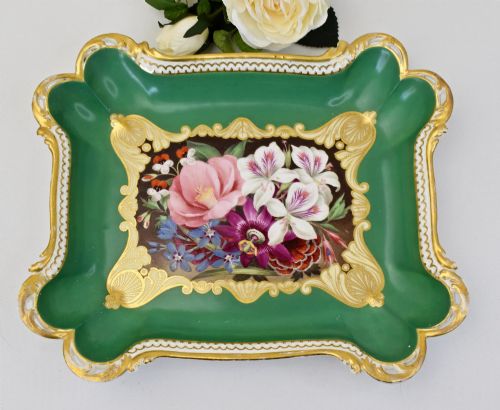
A gilded ceramic tray encompasses serving dishes, cabinet pieces, and platters fashioned from hard-paste or soft-paste porcelain and bone china. Pieces span the eighteenth, nineteenth, and early twentieth centuries, drawing upon Georgian, Regency, Victorian, and Edwardian aesthetic currents.
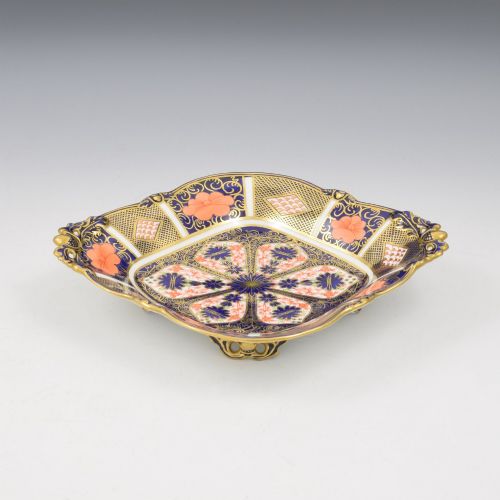
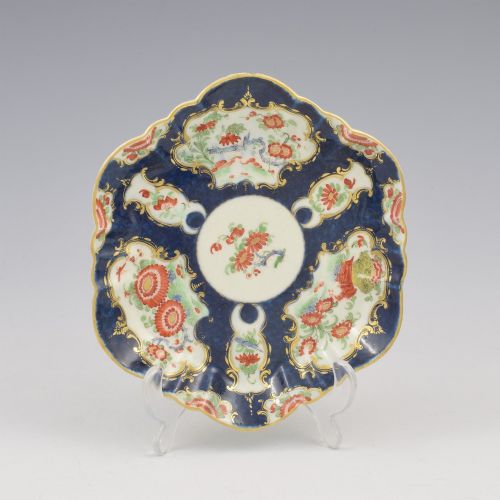
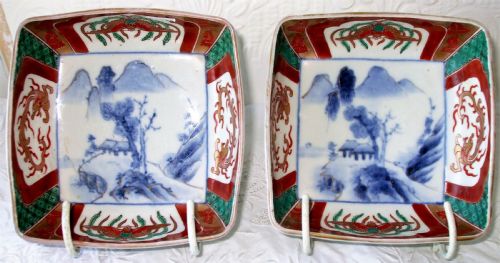
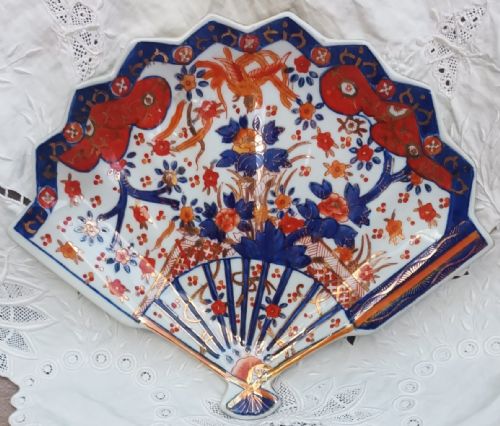
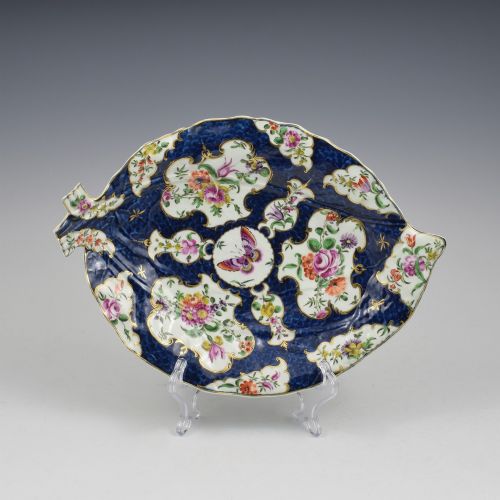
Makers across England, France, Germany, Austria, and Japan produced these forms for decorative service and display. Common iterations range from eighteenth-century Worcester leaf dishes to nineteenth-century Vienna chargers and Japanese Meiji period Imari plates.
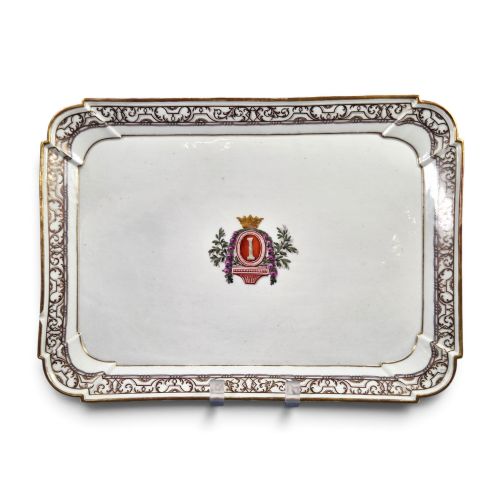
The inventory on this page concentrates heavily on European porcelain factories and Japanese export studios, uniting functional desk trays, pen trays, and tea wares with large centrepiece platters.
Materials and Application
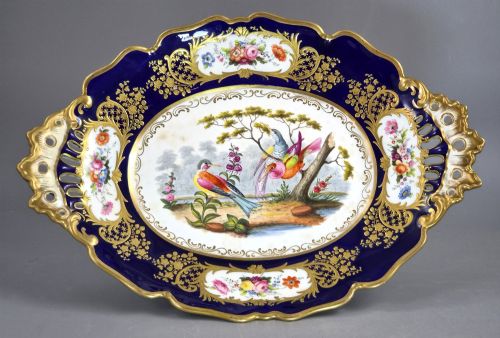
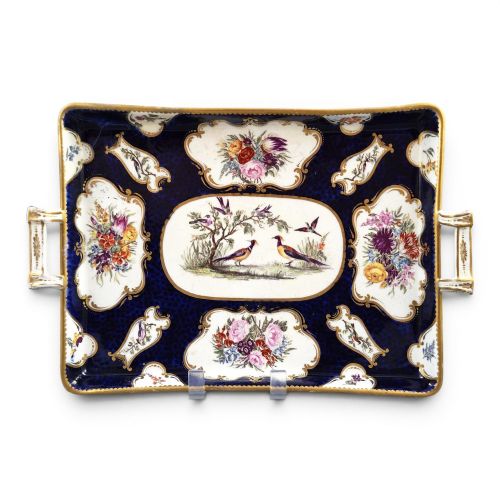
Porous soft-paste and durable hard-paste porcelain bodies form the structural foundation, often shaped via moulding or thrown on the wheel before receiving cobalt blue underglazes or hand-painted enamel scenes. Artisans then applied gold leaf, liquid gilding, or fire gilding to rims, handles, and border motifs.
Kiln firing fixed the mineral pigments and glaze layers before the final application of surface gold. Subsequent low-temperature refirings bonded the metal leaf or gilt highlights to the ceramic body.
Gilded Ceramic Tray Retail Price Guide 2026
Typical asking prices for gilded ceramic tray among the pieces listed under this phrase on Sellingantiques today, from the lower quarter to the upper quarter. They describe what is for sale here now, not the wider market.
Listings feature porcelain, bone china, and hard-paste ceramic bodies spanning the Georgian, Regency, and Victorian periods.
Craft and Detail
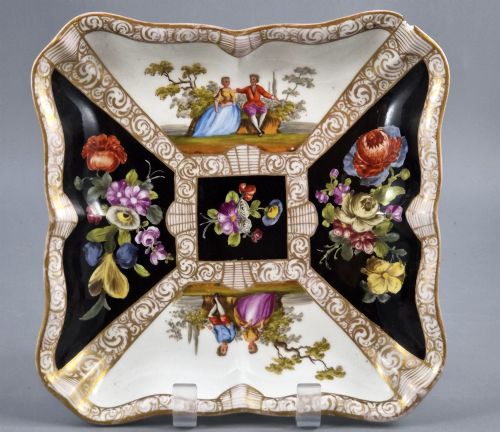
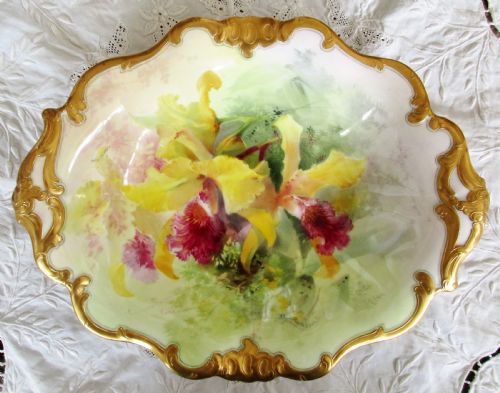
Quality rests in the precision of the hand-painted brushwork, the depth of the enamel palette, and the weight of the applied gold. Master painters at factories like Sevres, Meissen, and Worcester achieved intricate figural scenes and botanical studies that elevate standard table wares into cabinet art.
The purity of the porcelain body and the crispness of moulded relief work separate high-output factory pieces from exceptional studio commissions. Preservation of the original gilding without rubbing or loss dictates collector appeal.
Royal Crown Derby·Ludwigsburg Porcelain·Coalport·Meissen Porcelain·Royal Doulton·Paul Müller Selb·Royal Worcester·Chamberlain s Worcester·Spode Porcelain·Dresden Helena Wolfsohn
The Gilded Ceramic Tray Glossary
- Hard-paste porcelain
- A dense, vitrified ceramic made from kaolin and petuntse fired at high temperatures. It resists scratching and holds sharp moulded details.
- Gilding
- The application of gold leaf or powdered gold to a ceramic surface. This technique provides metallic highlights along rims and handles.
- Imari
- A Japanese export porcelain style featuring underglaze blue, iron red, and gold. It gained immense popularity across European courts.
- Enamel
- Vitreous coloured glass fused to the porcelain body during secondary kiln firings. It produces vibrant pictorial scenes.
- Champlevé
- An enamelling technique where troughs are dug into a metal mount and filled with enamel paste. It often frames ceramic centrepieces.
Gilded Ceramic Tray: Frequently Asked Questions
How were gilded trays used historically?
These pieces functioned as serving dishes for desserts, decorative presentation platters, and desk accessories for holding pens and ink. Wealthy households displayed them on sideboards or used them during formal dining services.
Over time, many transitioned into pure cabinet display items valued for their painted scenes and gilt borders.
How do I distinguish eighteenth-century pieces?
Early pieces often display soft-paste porcelain bodies with hand-penciled underglaze blue designs, irregular foot rims, and painterly imperfections. Factory marks from this era are frequently painted by hand rather than stamped.
Studying the specific palette and potting weight helps separate these early examples from later nineteenth-century revivals.
How should I clean my ceramic tray?
Gentle dusting with a soft, dry cloth is usually sufficient for maintaining glazed porcelain surfaces. Avoid immersion in water or chemical cleaning agents, as these can lift fragile enamel and wear away antique gilding.
Professional restoration advice should be sought if structural repairs or deep cleaning become necessary.
What defines Japanese Meiji period trays?
Meiji period items frequently showcase dense Imari palettes or Kutani gold ornamentation applied to heavy porcelain bodies. These export pieces merged traditional Japanese motifs with forms tailored for Western tastes.
Their robust construction and intense use of iron red and gold set them apart from contemporary European output.