

Gilded Candle Holder
These gilded candle holder pieces bring warmth and decorative lustre to interiors through centuries of skilled metalwork and ceramic craftsmanship.
Gilded Candle Holder
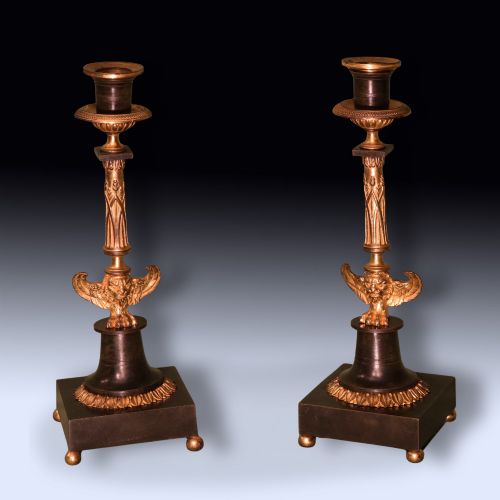
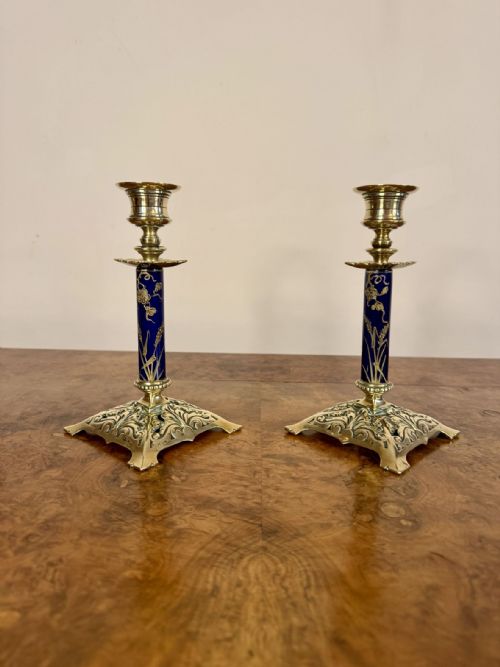
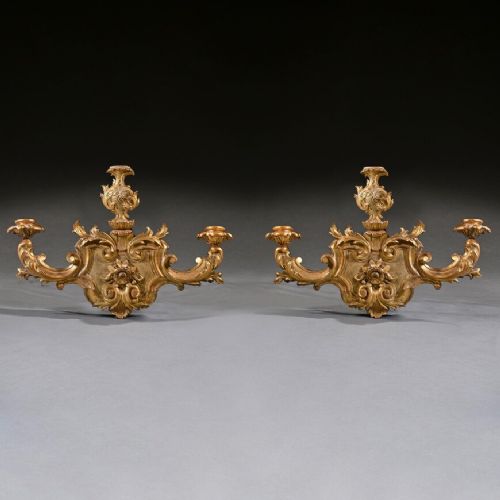
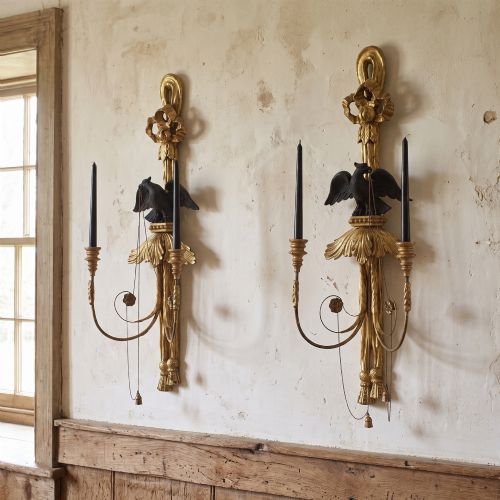
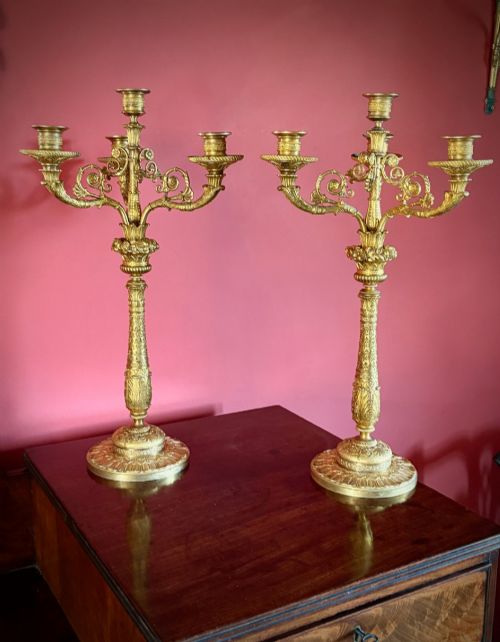
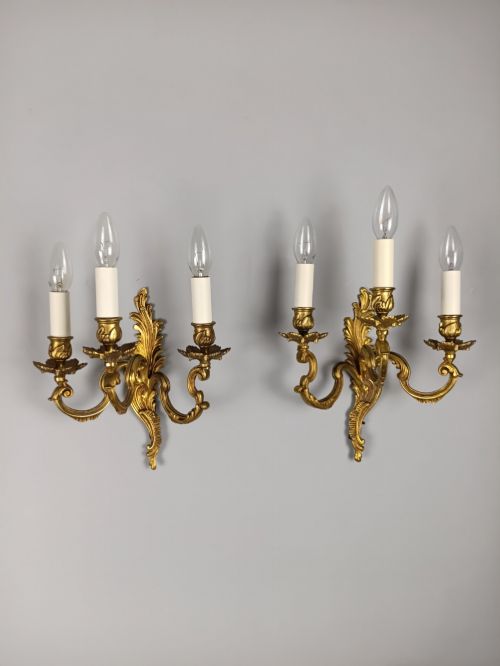
A gilded candle holder encompasses a broad range of domestic lighting fixtures, from single candlesticks to multi-armed candelabra, wall sconces, and chambersticks. Buyers seeking these items encounter numerous examples originating from French, English, Italian, and German workshops spanning the Georgian, Victorian, and later nineteenth-century periods.
Materials and Techniques
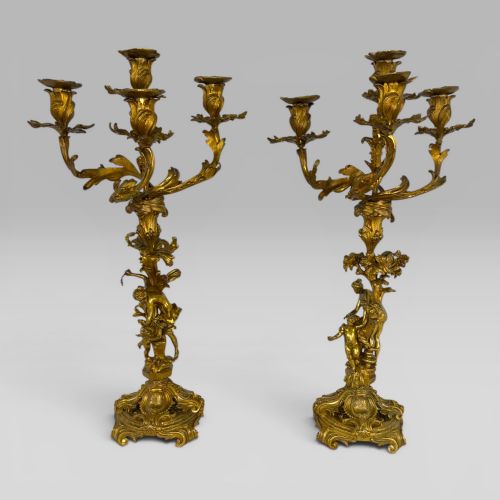
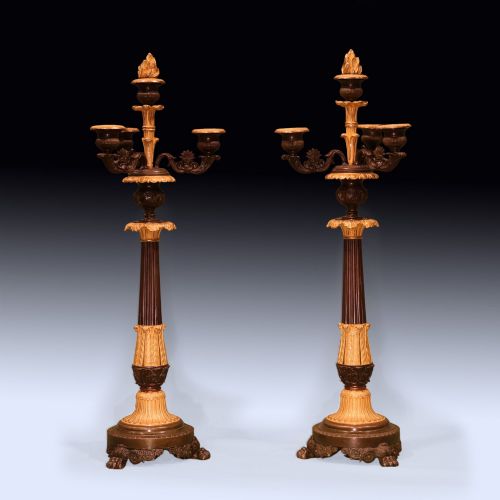
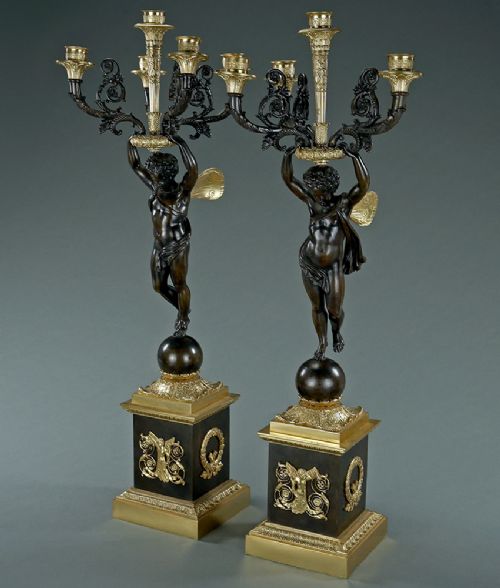
Gilding techniques define the surface character of these objects, relying heavily on the application of gold leaf, silver gilt, or mercury-gilded ormolu over bronze, brass, and carved gessoed wood. Metal components are cast, chased, and burnished to create contrasting matte and bright reflective finishes.
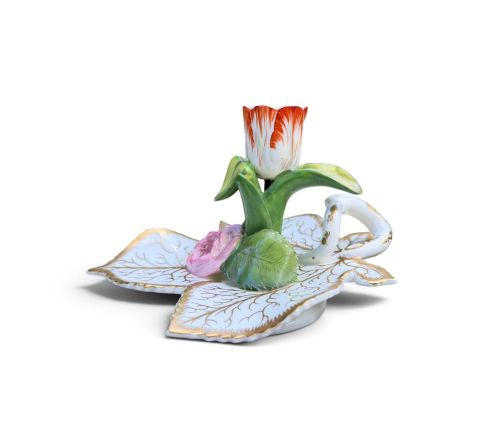
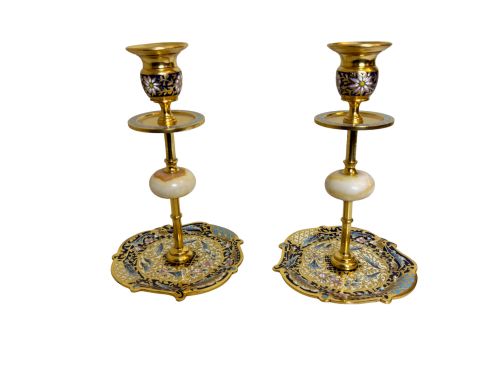
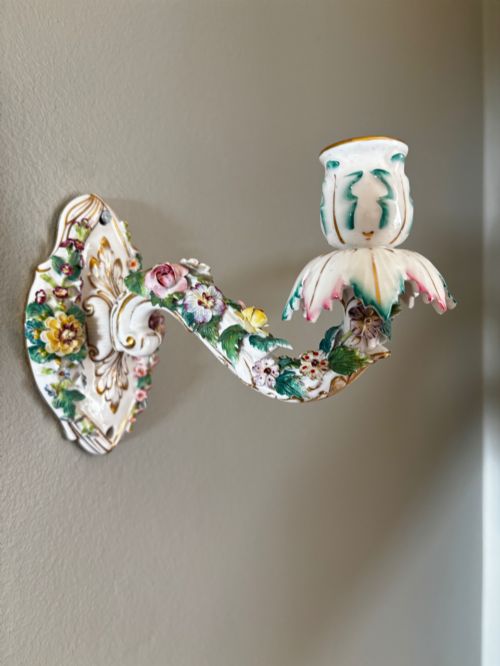
Ceramic models combine hand-painted porcelain bodies with applied floral bocage and modelled figures, frequently paired with gilt-metal candle nozzles. Combinations of white marble, onyx, and coloured glass further enrich the construction of nineteenth-century decorative lighting.
Gilded Candle Holder Retail Price Guide 2026
Typical asking prices for gilded candle holder among the pieces listed under this phrase on Sellingantiques today, from the lower quarter to the upper quarter. They describe what is for sale here now, not the wider market.
Listings feature gilded candle holder examples in materials ranging from ormolu and gilt bronze to carved wood, porcelain, and champleve enamel.
Assessing Quality
Quality rests upon the crispness of the chasing in metalwork and the depth of the gilding, where hand-burnished highlights contrast sharply against recessed matte areas. Superior pieces display intricate detailing in figural elements, foliage, and scrollwork without softening of the cast lines.
In porcelain examples, the fineness of the hand-painting, the complexity of the modelled bocage, and the integration of the ceramic body with its metal mounts determine the standard of the finished object. Heavier gauge metals and substantial marble bases likewise distinguish finer productions from lighter, simpler items.
Meissen·Derby·Volkstedt·Spode·Chelsea
The Gilded Candle Holder Glossary
- Ormolu
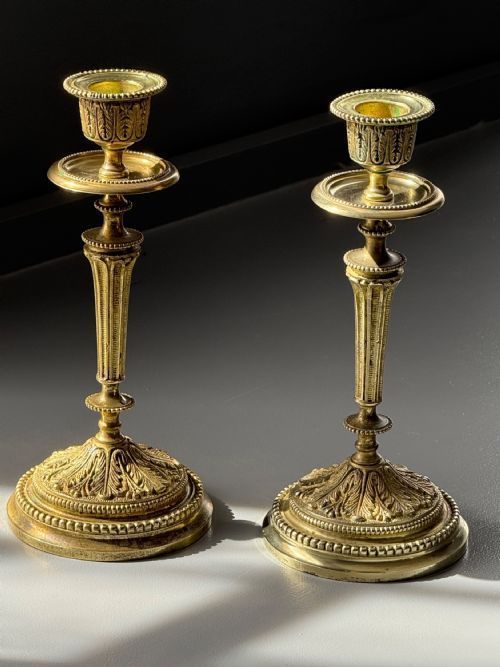
- Finely chased and mercury-gilded bronze, widely utilised in French decorative arts. This technique produces a rich golden finish that does not tarnish easily.
- Pricket candlestick
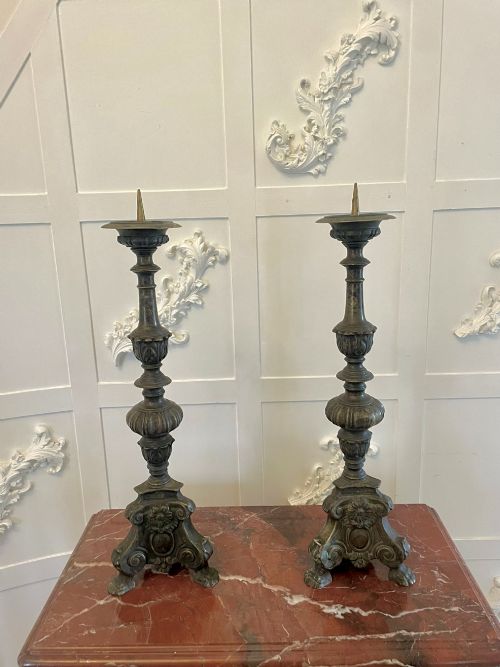
- A candle holder featuring a sharp metal spike upon which a wax taper is impaled. This form is frequently found on altar sticks and ecclesiastical lighting.
- Bocage
- Hand-formed ceramic foliage and flowers applied as a background setting behind porcelain figures. It is particularly characteristic of eighteenth-century and nineteenth-century figural groups.
- Girandole
- An ornamental wall mirror featuring attached candle arms that reflect the candlelight into the room. These fixtures were popular in grand drawing rooms.
- Lustre
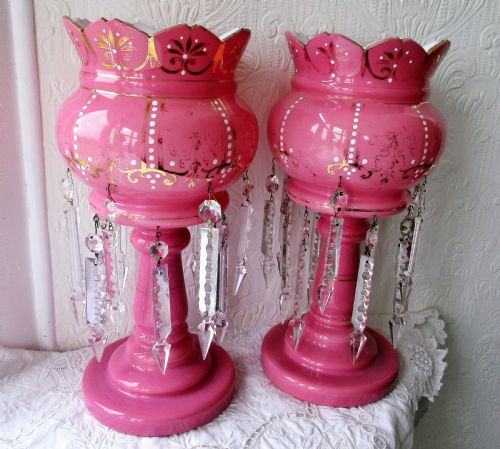
- A table or mantel ornament hung with cut glass prisms designed to catch and refract light. They often incorporate central candle sockets amongst the glass drops.
Gilded Candle Holder: Frequently Asked Questions
How do I clean a gilded candle holder?
Dust surfaces gently with a soft, dry brush to prevent accumulation in recessed chased areas. Avoid commercial metal polishes, as abrasive compounds strip away thin layers of gold leaf or ormolu.
For porcelain components, use a damp cloth with mild soap, ensuring moisture stays away from exposed metal joins. Professional conservation is recommended for fragile antique surfaces.
What is the difference between ormolu and brass?
Ormolu consists of a bronze base gilded with a mercury and gold amalgam, creating a deep, luminous golden surface. Brass is an alloy of copper and zinc with a yellower, homogenous metallic composition throughout.
Antique brass is often lacquered or polished to a bright shine, whereas ormolu relies on precise chasing and selective burnishing for its visual depth.
How do I date a pair of sconces?
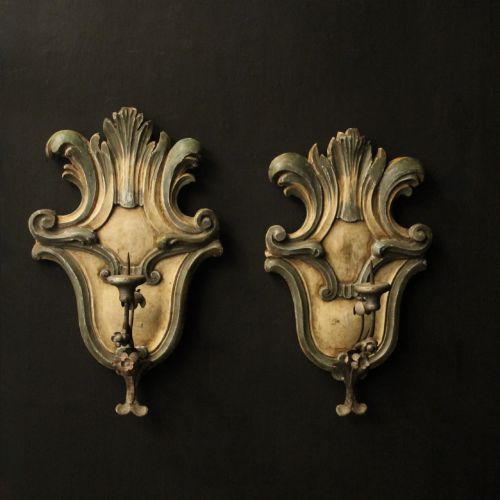
Dating relies on examining the casting methods, screw types, and stylistic motifs present in the design. Earlier Georgian and Regency pieces show hand-cut threading and neoclassical symmetry, while Victorian items often incorporate heavier cast ornamentation.
Backplates, mounting brackets, and the composition of the underlying wood or metal offer further clues to the manufacturing decade.