





Gilded Buddha Statue
A gilded buddha statue brings serene sculptural presence and rich metal and wood surfaces into a room.
Gilded Buddha Statue
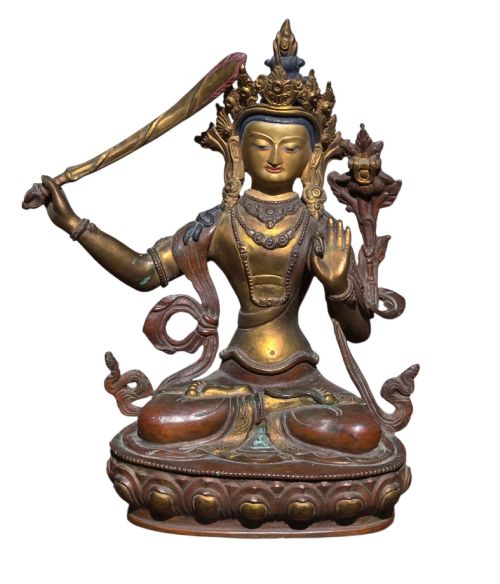
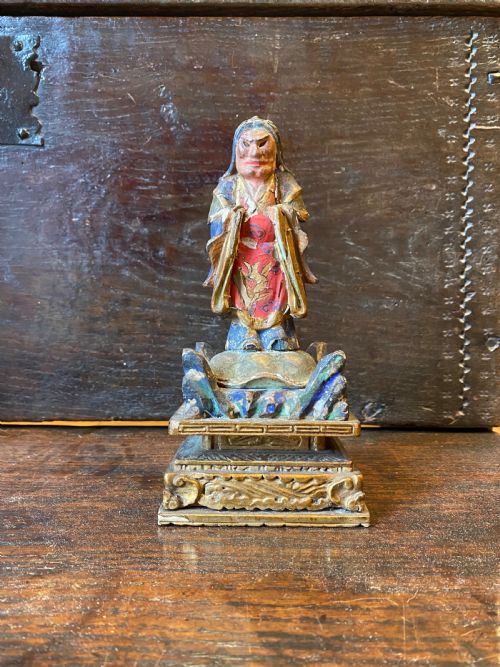
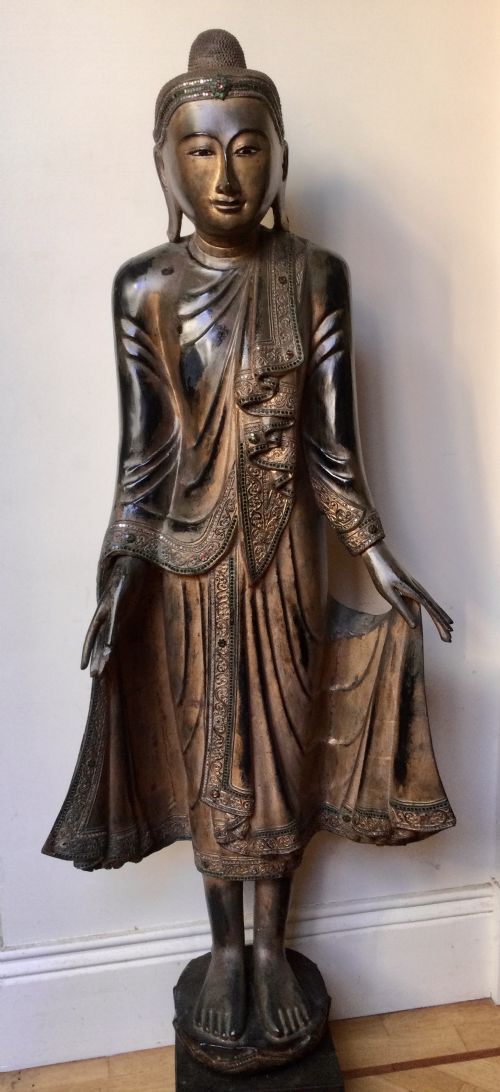
A gilded buddha statue encompasses a wide geographical and chronological span, drawing from traditions across Asia. Buyers searching for a gilded buddha statue encounter figures originating from China, Tibet, Burma, and Japan, reflecting diverse regional spiritual iconography.
The selections on this page range from small individual devotional carvings to monumental temple guardians and figures. Most pieces date across the eighteenth and nineteenth centuries, with occasional examples extending back to the sixteenth century or forward into the early twentieth century.
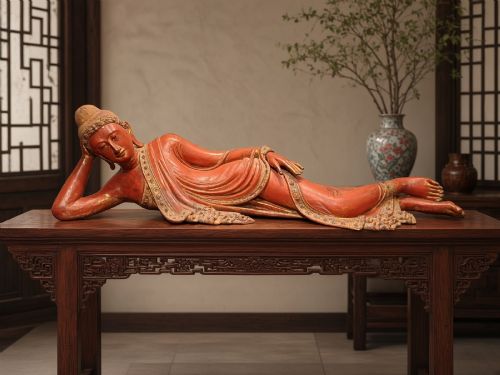
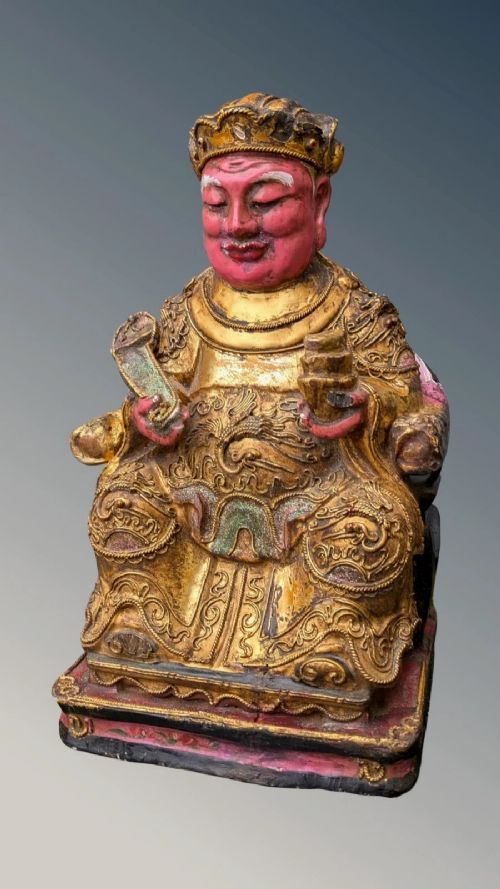
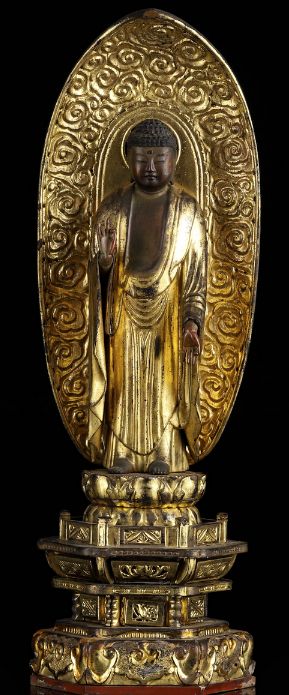
Forms include seated and reclining postures, standing deities, and specific manifestations such as Guanyin, Manjushri, and Amitabha Buddha. Materials vary between cast metal and carved timber, frequently retaining remnants of original gilding and polychrome paint.
How they were made
Makers shaped these sculptures primarily from timber or cast bronze, occasionally utilising stone or iron for specific regional forms. Wood carvers worked with materials like gesso and lacquer to prepare smooth surfaces before applying gold leaf or liquid gilding.
Metal sculptures were cast using traditional bronze techniques and finished with surface gilding. Many wooden and stone pieces incorporate polychrome pigments alongside gold leaf, creating layered surface textures developed over centuries.
Listings feature pieces spanning the 16th century through the Edwardian period, utilising wood, gilt bronze, lacquer, and gold leaf.
What varies in quality
The survival and integrity of the original surface finishes, whether gold leaf, gesso, lacquer, or polychrome paint, heavily influence the visual impact. Patina accumulated through ritual use and age adds depth to higher-grade figures.
The Gilded Buddha Statue Glossary
- Gilding
- The application of gold leaf or gold dust to the surface of wood, metal, or stone. This technique provides a luminous finish that resists tarnishing.
- Gesso
- A plaster mixture applied to carved wood as a smooth base for gilding and painting. It creates a stable ground for detailed decoration.
- Guanyin
- A revered bodhisattva associated with compassion, frequently depicted in Chinese sculpture. Figures often appear carved from wood with traces of polychrome and gold.
- Bodhisattva
- An enlightened being dedicated to assisting others on the path to spiritual awakening. These figures appear frequently in Sino-Tibetan and Chinese art.
Gilded Buddha Statue: Frequently Asked Questions
How do I care for a gilded wooden statue?
Keep the sculpture away from direct sunlight and fluctuating humidity to protect delicate wood and gold leaf layers. Dust gently with a soft, dry brush without using commercial cleaning liquids.
Stable indoor environments prevent the gesso and lacquer layers from cracking or lifting over time. Proper placement ensures the antique surface survives intact.
What is the difference between Sino-Tibetan and Burmese styles?
Sino-Tibetan figures often exhibit elaborate garments, intricate jewellery, and cast bronze construction associated with esoteric Buddhist practices. Burmese statues typically feature serene expressions, distinct monastic robes, and carved wood finished with lacquer and gold leaf.
Regional iconographies guide collectors in identifying the specific cultural origin of each sculpture. Facial structure and headdress details remain key indicators of provenance.
How can I tell if the gilding is original?
Original gilding shows natural wear, subtle patination, and integration with the underlying gesso or wood substrate. Modern restorations often appear overly uniform or sit harshly on top of aged material.
Examining the piece under magnification helps reveal the accumulation of historical dirt and wear within the recesses of the gold leaf. Genuine age displays gradual thinning rather than sharp patches.
Were these statues used in domestic or temple settings?
Many larger sculptures originated in public temples and monasteries as central objects of veneration and protection. Smaller figures served private devotional purposes within domestic household shrines.
Scale and material composition often point toward the original functional context of the sculpture. Temple pieces generally demand greater physical presence.