




Temple Buddha Sculpture
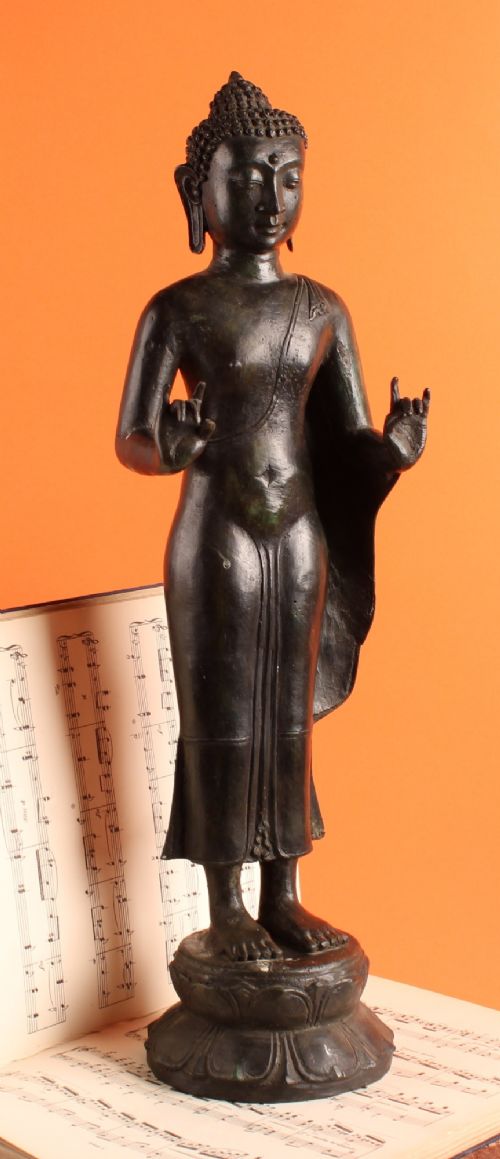
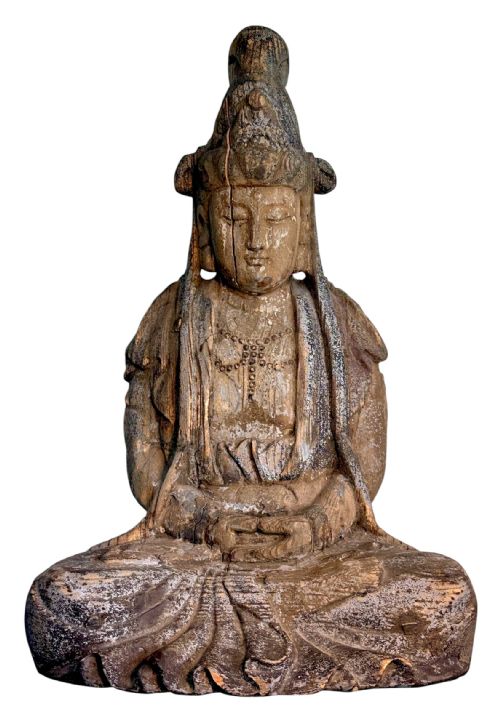
These temple buddha sculpture pieces bring serene spiritual presence into a room, offering historic artistry carved from wood or cast in bronze.
Temple Buddha Sculpture
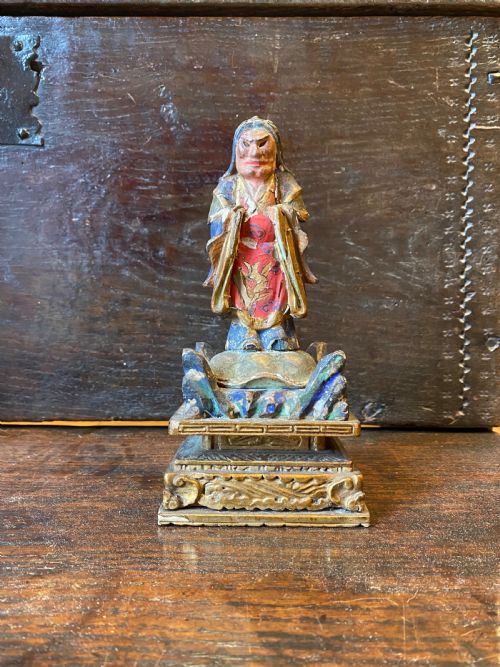
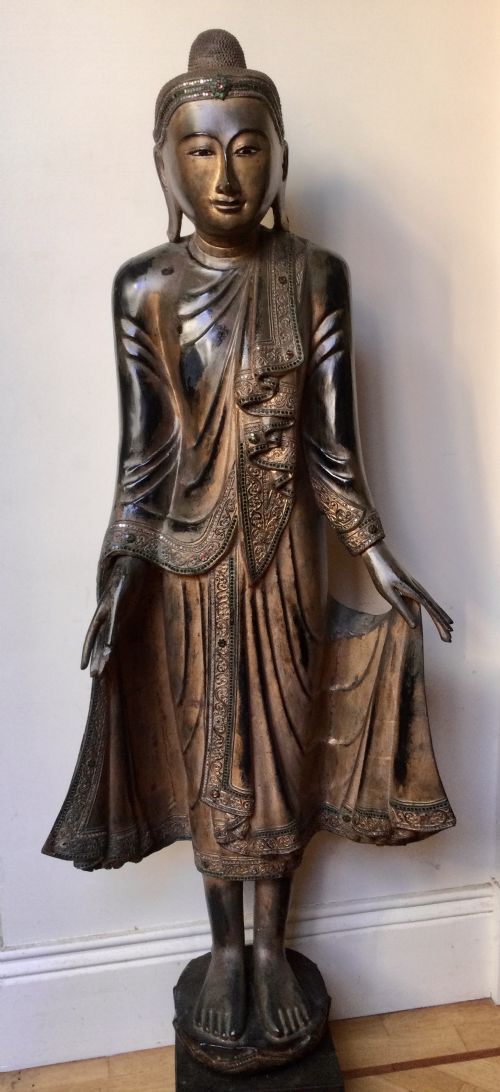
A temple buddha sculpture embodies centuries of devotional art, spanning figures carved from wood or cast in bronze. When exploring this selection, buyers encounter works ranging from standing and reclining postures to detailed heads and guardian figures.
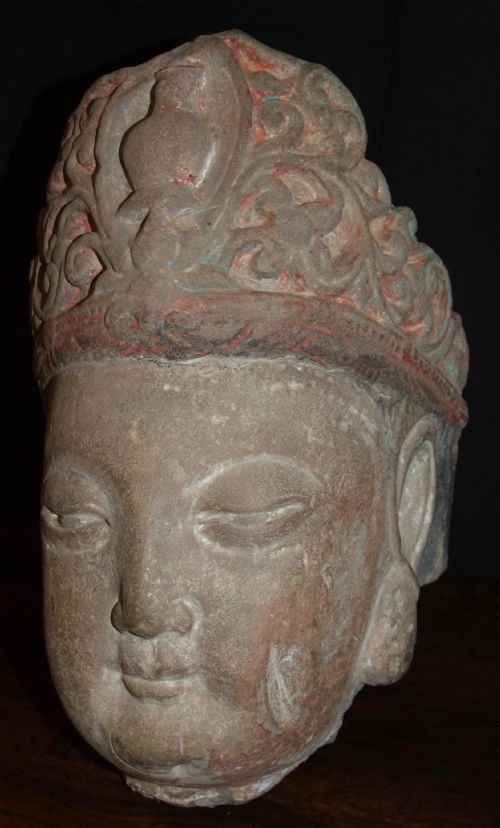
The objects originate across diverse Asian traditions, featuring styles from Qing Dynasty China, Rattanakosin Thailand, and Burmese Mandalay periods. Pieces date from pre-sixteenth century sandstone heads through to early twentieth-century wooden statues.
Materials and Methods
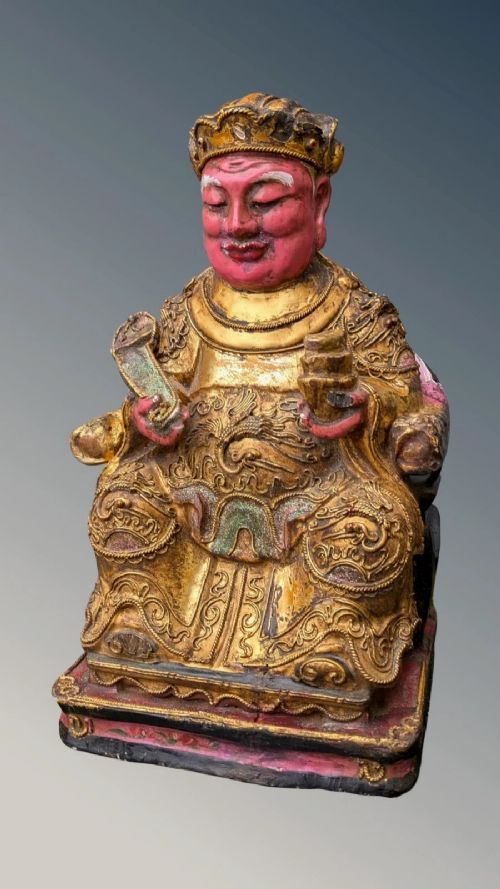
Sculptors shaped these figures primarily from hardwoods or cast them in bronze, applying layers of gesso, gold leaf, and polychrome pigment to enrich the surfaces. Surviving examples often display the tactile results of traditional carving and gilding techniques.
Makers utilised durable materials like marble, terracotta, and sandstone for monumental and regional temple works. Artisans finished surfaces with intricate details, combining metal casting with applied pigments.
Some temple guardians wear stern expressions specifically designed to frighten away wandering evil spirits.
Assessing Craftsmanship
Quality rests in the precision of the carving or casting, where facial expressions and drapery folds exhibit deliberate artistry rather than mechanical repetition. Superior examples maintain structural integrity alongside well-preserved surface treatments like original gilding or pigment.
The depth of historical patination and the survival of delicate details, such as crown ornaments and hand mudras, distinguish finer works. Condition varies according to the original temple environment and subsequent handling over the centuries.
The Temple Buddha Sculpture Glossary
- Mudras
- Hand gestures symbolising specific spiritual states or teachings. These placements help identify the precise iconography of a figure.
- Polychrome
- Painted in several colours. This surface treatment often survives in fragments on older wooden and stone sculptures.
- Gilt
- Covered thinly with gold leaf or gold paint. This finish denotes sacred importance in temple art.
- Gesso
- A plaster mix applied to wood surfaces as a smooth base for gilding and paint. It provides texture and prepares the material for decoration.
Temple Buddha Sculpture: Frequently Asked Questions
How do I care for a wooden buddha sculpture?
Keep wooden and gilded sculptures away from direct sunlight and dramatic humidity changes to protect the ancient materials.
Dust them gently with a soft, dry brush without applying liquid cleaners or polishes.
Where were these temple figures originally placed?
These sculptures stood within sacred shrines, monasteries, and temples across Asia as objects of veneration.
Many larger statues served as focal points for communal worship or guarded temple entrances.
What is a bodhisattva?
A bodhisattva is an enlightened being who delays entering nirvana to help others achieve salvation.
These figures often appear alongside buddhas in temple art wearing elaborate royal garments and crowns.