



Antique Gold Buddha
An antique gold buddha brings contemplative presence into a room, joining cast bronze and gilded wood through centuries of devotional craftsmanship.
Antique Gold Buddha
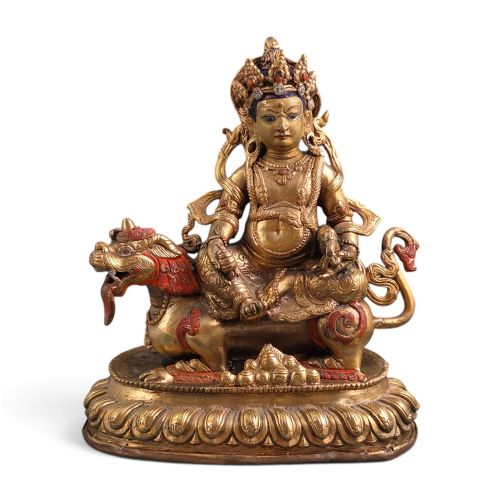
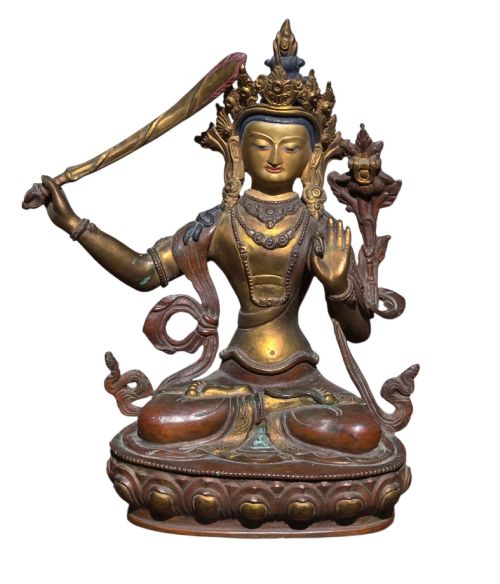
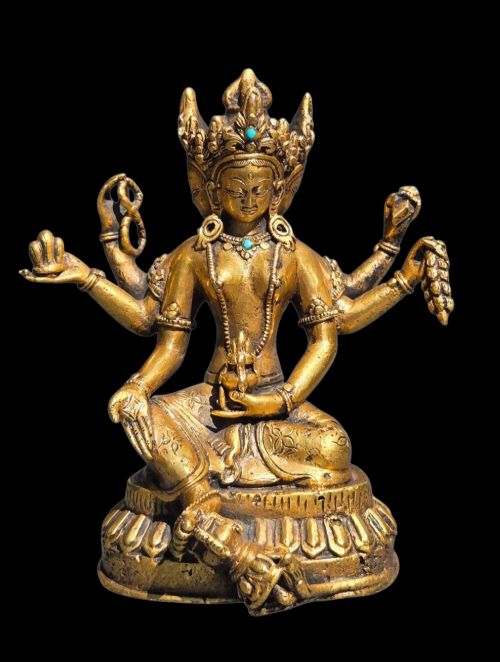
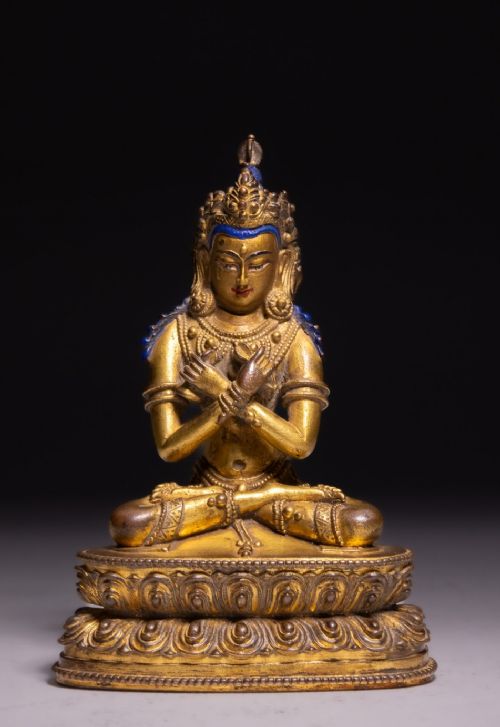
An antique gold buddha spans several centuries of Asian artistry, appearing in forms from small devotional bronzes to large temple figures. Buyers searching for an antique gold buddha will encounter pieces cast in bronze, carved in wood, or shaped from stone before receiving their surface finish.
The materials range from heavy metal alloys to organic timber and gesso bases. Many examples display regional aesthetics tied to Sino-Tibetan workshops, Qing Dynasty courts, or Southeast Asian traditions such as the Ayutthaya period and Burmese Mandalay styles.
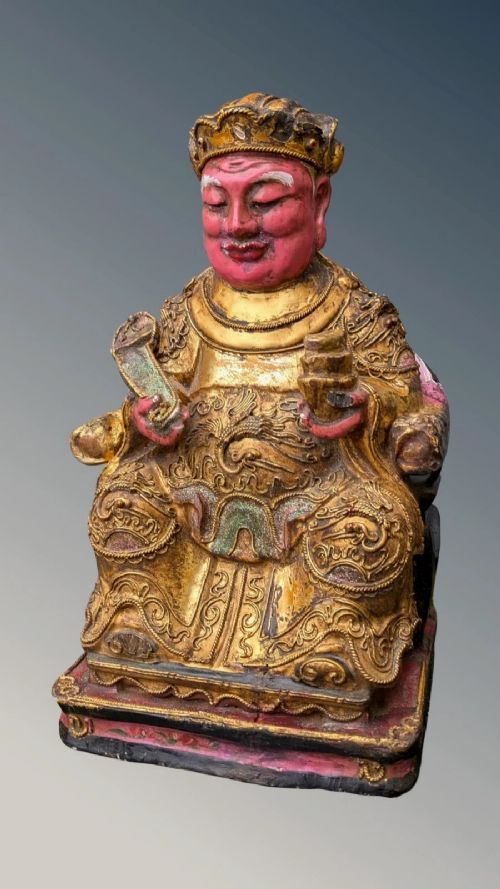
Forms on display include seated deities, multi-armed figures, temple guardians, and sculptural fragments like carved Buddha heads. Occasional domestic items such as paperweights or earrings also surface alongside major religious sculptures.
Materials and construction methods
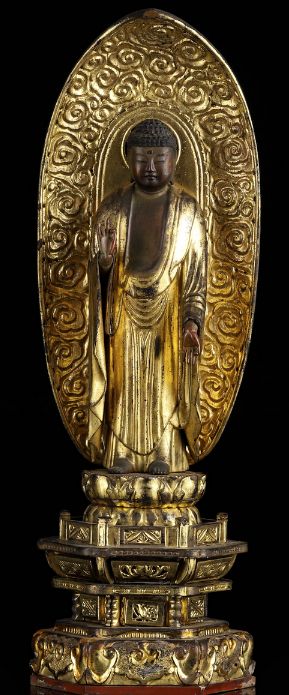
Wooden statues rely on carved timbers coated in gesso before receiving layers of gold leaf or paint. These mixed media layers create the characteristic gilded surfaces found across Chinese, Tibetan, and Southeast Asian examples.
Materials across the listings span gilt bronze, gold leaf, wood, lacquer, pigment, bronze, gesso, and gilt wood.
Evaluating craftsmanship and condition
The distinction between tiers rests upon the precision of the casting or carving and the integrity of the remaining surface layer. Finer pieces show crisp definition in the drapery folds, facial expressions, and ornamentation, whereas lesser examples display softer detail from worn moulds or heavy overpainting.
The preservation of original gilding, whether gold leaf or fire gilt bronze, heavily influences character. Patina accumulated through ritual handling or temple placement adds depth, provided the underlying material remains structurally sound.
The Antique Gold Buddha Glossary
- Gilt bronze
- A metal sculpture cast in bronze and coated with a layer of gold, often through mercury amalgamation. This technique creates a durable, luminous surface that endures across centuries.
- Gesso
- A plaster mix applied to wooden sculptures to provide a smooth ground for gilding and polychrome paint. It allows intricate surface details to be built up before the application of gold leaf.
- Sino-Tibetan
- An artistic style blending Chinese technical precision with Tibetan Buddhist iconography. These pieces frequently incorporate rich gilding, intricate metalwork, and turquoise inlays.
- Bodhisattva
- An enlightened being who defers full Buddhahood to assist others on the spiritual path. They appear in sculpture adorned with elaborate crowns, jewels, and flowing garments.
- Ayutthaya style
- A Thai aesthetic originating from the Ayutthaya kingdom characterised by serene facial expressions and ornate royal attire. Figures from this tradition reflect distinct regional sculptural canons.
Antique Gold Buddha: Frequently Asked Questions
What is the difference between bronze and wood figures?
Metal figures were cast using techniques like lost-wax, yielding heavy pieces with durable fire-gilt or cold-painted surfaces. Wooden statues involved carving timber, applying gesso, and laying gold leaf over the top.
Bronze examples generally show greater resilience against environmental changes, while wooden sculptures require careful humidity control to protect the gesso and gold leaf layers from cracking.
Where were these figures originally placed?
Many larger sculptures stood within Buddhist temples, monasteries, or domestic shrines as objects of veneration and focal points for meditation. Smaller bronzes often served as portable devotional items for travelling monks or private altars.
Temple guardians and monumental figures protected sacred spaces, while miniature items or decorative pieces functioned in varied domestic contexts.
How should I care for a gilded surface?
Preserving gilded bronze or wood requires stable indoor humidity and protection from direct sunlight to prevent the degradation of gold leaf or underlying gesso. Dusting should be done gently with a soft, dry brush without applying moisture or cleaning agents.
Avoiding abrasive materials ensures the delicate remnants of historic leaf, lacquer, and pigment remain intact for the future.