


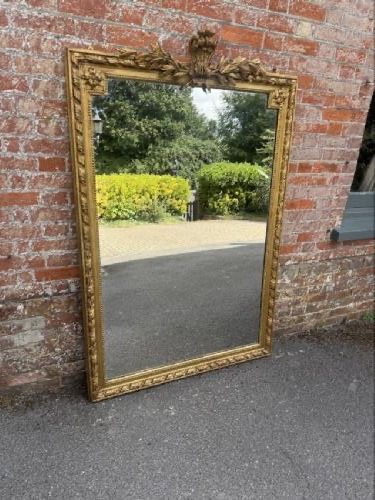
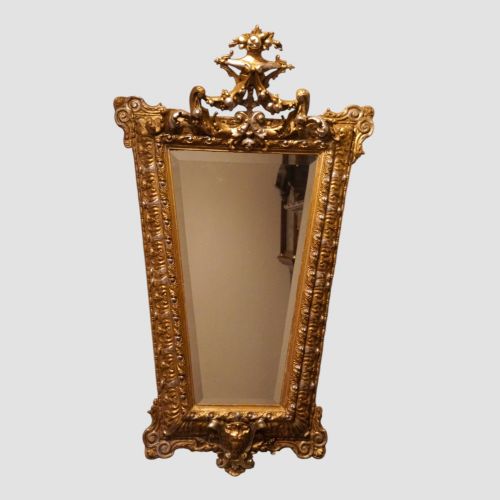
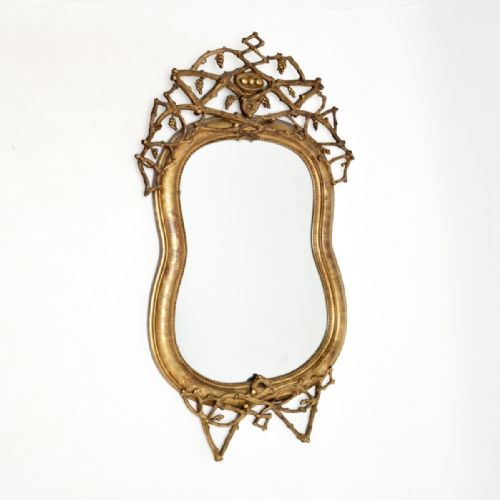
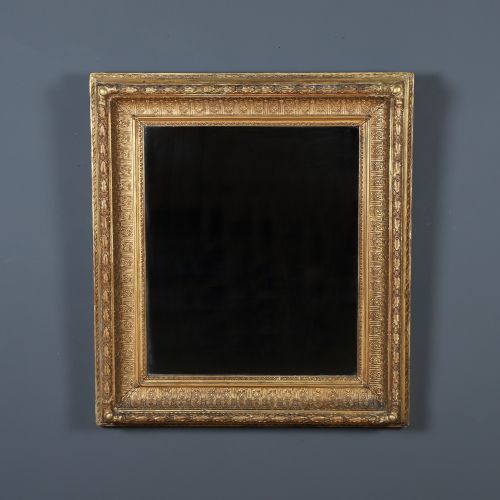



Gilded Accent Wall Mirror
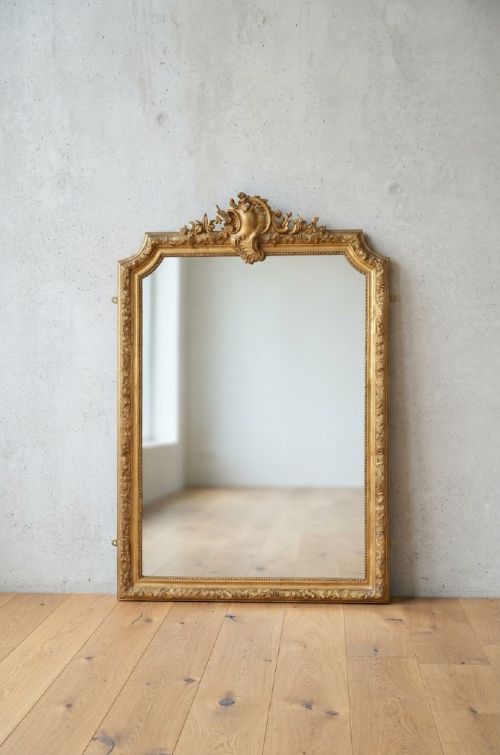
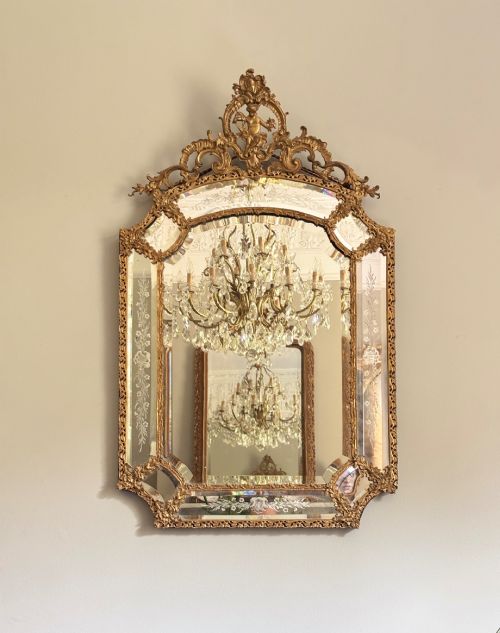
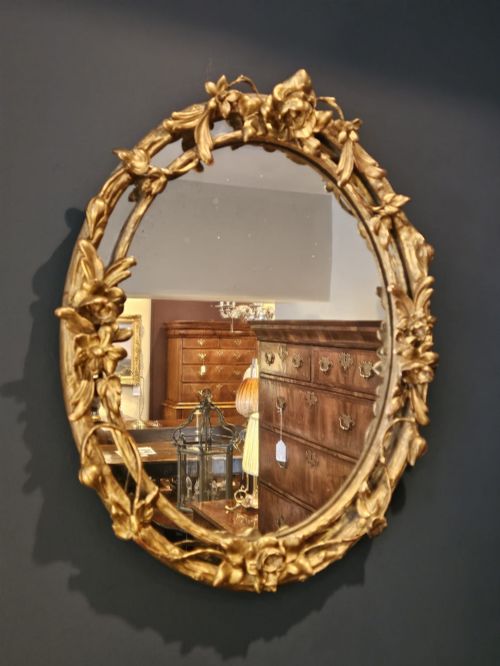
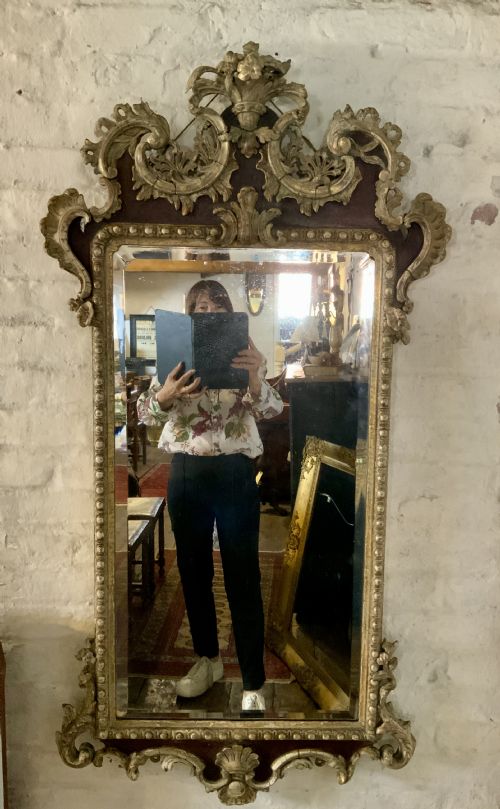
A gilded accent wall mirror brings reflective depth and golden warmth to a room, drawing the eye with carved detail and historic presence.
Gilded Accent Wall Mirror
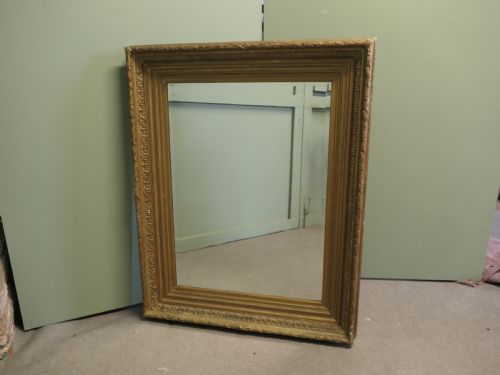
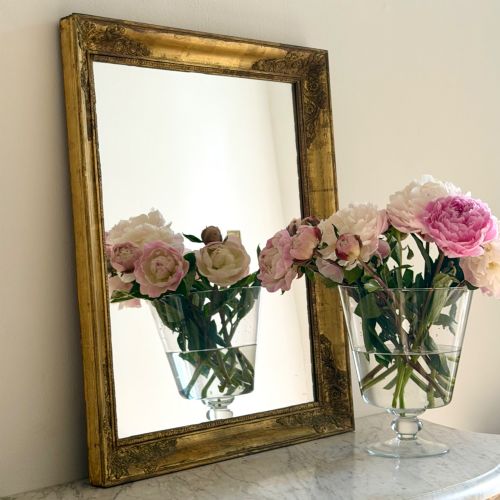
A gilded accent wall mirror serves as both a functional glass and a decorative focal point, drawing from centuries of European craftsmanship. When searching for a gilded accent wall mirror, buyers encounter a rich variety of forms ranging from compact Victorian wall pieces to grand French overmantels.
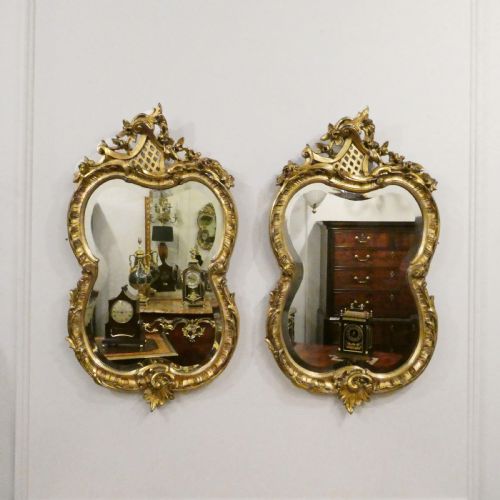
The selection spans numerous periods, notably the nineteenth century alongside eighteenth-century designs and early twentieth-century revivals. Styles lean heavily towards Rococo, Baroque, and Regency aesthetics, frequently originating from English, French, and Italian workshops.
Common formats include rectangular plates, arched overmantels, convex glass, and ornate cartouche shapes. These pieces suit hallways, living spaces, and above mantelpieces where light reflection transforms the atmosphere.
Materials and construction
Makers built these frames primarily using wood, such as carved timber or walnut, which provided a sturdy structural foundation. Artisans applied layers of gesso over the carved wood to create a smooth, receptive base for gilding.
Gold leaf or silver-gilt was then meticulously applied to the prepared surface, bringing a brilliant metallic finish to the intricate carvings. Mirror glass plates, sometimes bevelled or engraved, were fitted into the finished frames to complete the piece.
Materials recorded across the inventory include giltwood, gesso, carved wood, and original mirror glass.
Distinctions in quality
Quality rests primarily in the crispness and depth of the hand-carved wooden ornament beneath the gesso layer. Superior examples display sharply defined acanthus leaves, scrolls, and floral vines rather than soft, moulded substitutes.
The integrity of the original gilding and the character of the antique mirror glass also dictate the standing of a piece. Finer mirrors retain their genuine period surface texture and depth of reflection.
John Belchier
The Gilded Accent Wall Mirror Glossary
- Giltwood
- Wood that has been coated with gold leaf or a gold-coloured metallic finish. This technique creates a radiant surface that catches interior light.
- Gesso
- A plaster-like mixture applied to carved wood to prepare a smooth surface for gilding. It allows artisans to model fine decorative details.
- Overmantel mirror
- A large mirror specifically designed to hang above a fireplace mantel. These pieces often feature arched tops or wide horizontal proportions.
- Pier glass
- A tall, narrow mirror traditionally hung on the pier, the wall space between two windows. They maximise natural light in period rooms.
- Convex mirror
- A round mirror with a curved, bulging glass surface that provides a wide-angle reflection of the interior. Regency examples often incorporate eagle crests.
Gilded Accent Wall Mirror: Frequently Asked Questions
Where should I hang a gilded mirror?
These mirrors suit spaces where they can reflect natural light and anchor a room's decorative scheme. Positioning one above a fireplace mantel or in a hallway maximises both illumination and visual impact.
Ensure the wall structure can support the weight of a heavy wood and gesso frame. Secure fixings suited to the specific wall type are essential for safety.
How do I identify the period of a mirror?
Dating relies on examining the carving style, the backing boards, and the characteristics of the glass plate. Rococo Revival and Victorian pieces often show heavier cast ornament, while earlier Georgian designs exhibit finer hand-carved detail.
Turn the piece over to inspect the timber fixings and fixings of the glass. Hand-beveled edges and older backing screws offer further clues to the manufacturing era.
What is an overmantel mirror?
An overmantel mirror is a wide or arched wall glass proportioned to sit comfortably above a fireplace surround. They were traditionally used to bounce candlelight and firelight around nineteenth-century reception rooms.
Their horizontal layout helps balance the visual weight of a hearth. They also function effectively above large sideboards or console tables.
How do I clean antique giltwood?
Dust the carved frame gently using a very soft, dry brush or feather duster. Avoid applying water, commercial cleaning sprays, or abrasive cloths directly to the fragile gilded surface.
Clean the glass plate with a cloth lightly dampened with glass cleaner, taking care not to let any liquid touch the surrounding frame. Regular, gentle dusting prevents grime accumulation.