



Late Victorian Gilded Mirror
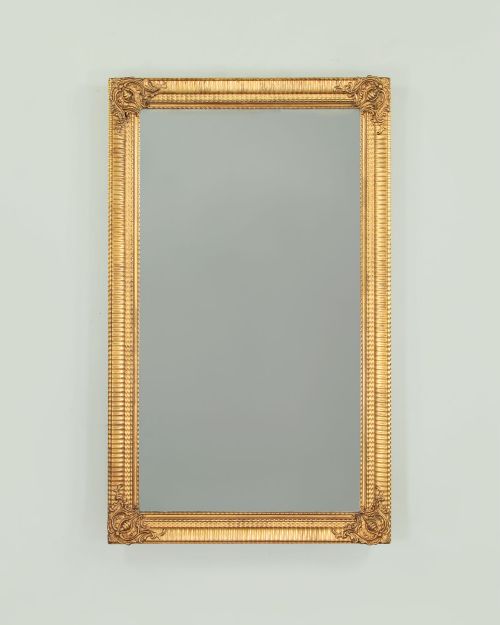
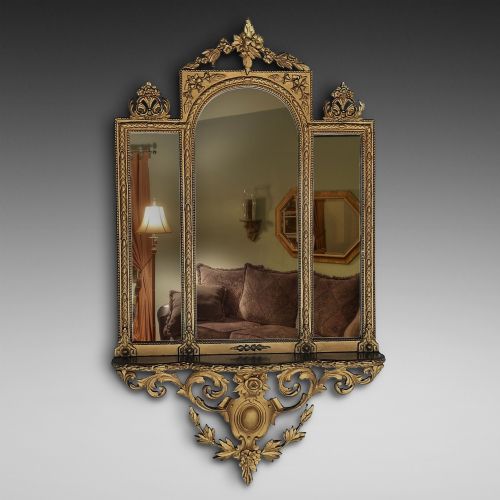
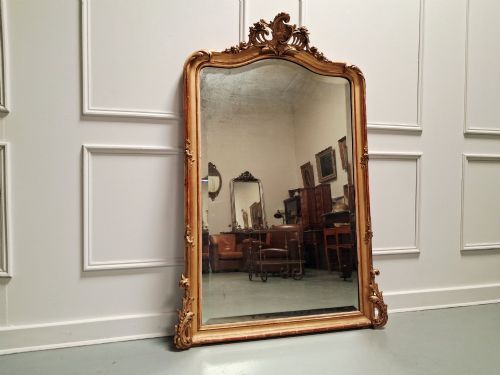
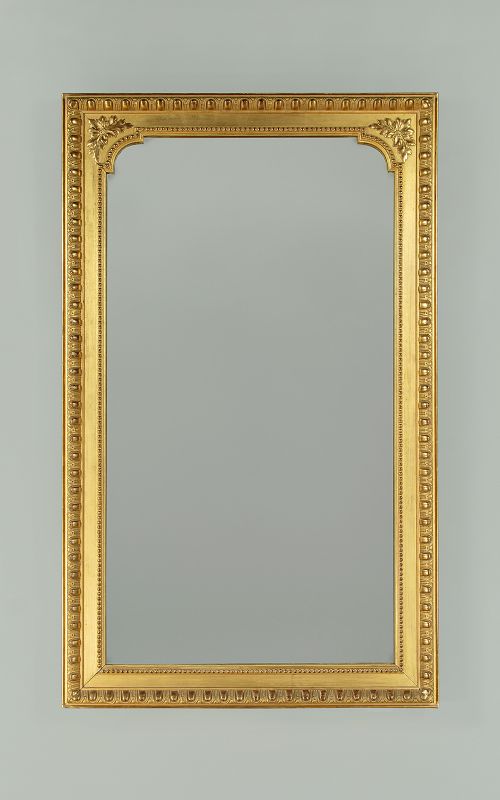
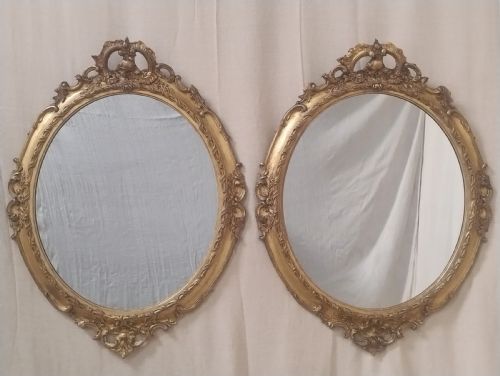
A late victorian gilded mirror brings the warmth of nineteenth century craftsmanship and reflective depth into a room.
Late Victorian Gilded Mirror
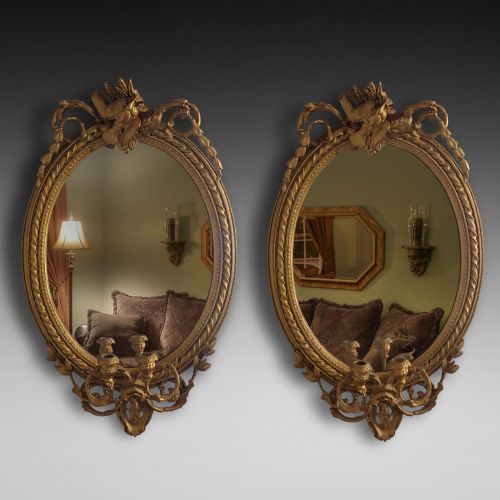
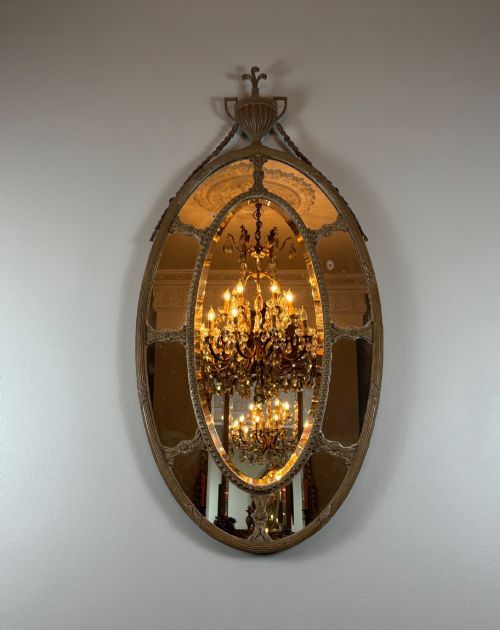
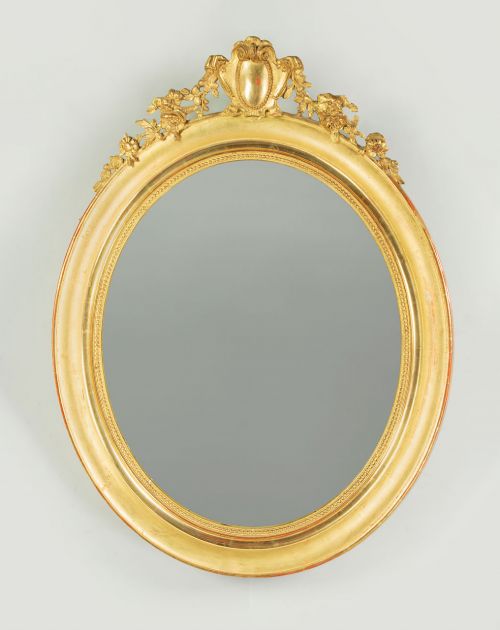
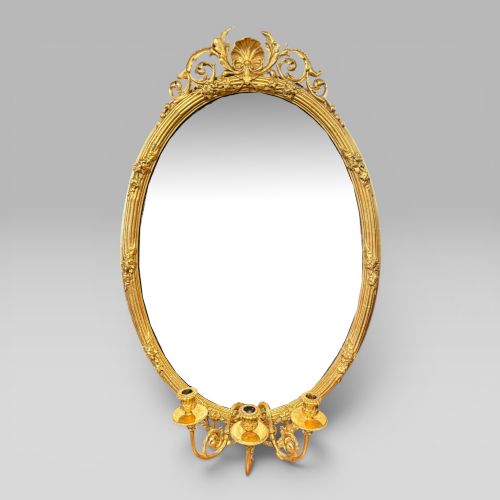
A late victorian gilded mirror sits comfortably in domestic spaces, offering traditional forms that span wall hangings, overmantels, and girandoles. These pieces emerge from the latter decades of the nineteenth century, reflecting stylistic revivals from French Rococo and Adam to the Aesthetic Movement.
The wall mirror and the grander overmantel mirror dominate the selections, alongside oval border glass and convex hall mirrors. Makers from this period utilised wood, gesso, and ebonised timber to build substantial frames designed to catch the ambient light of a Victorian interior.
Materials and Construction
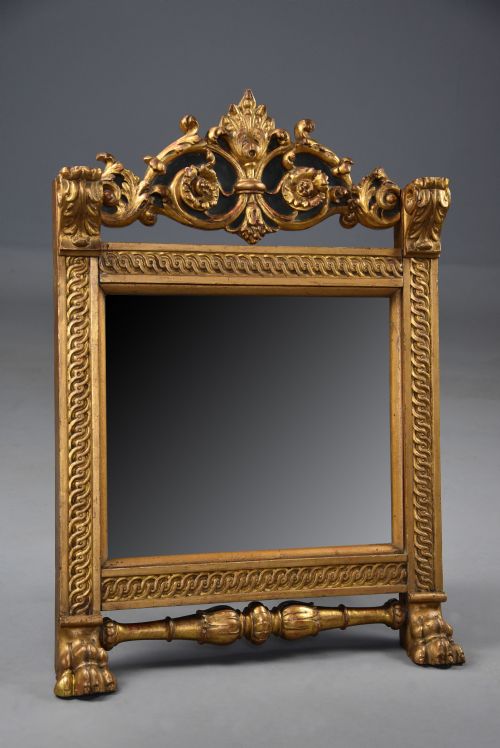
Frames rely on timber foundations built from wood or composition, coated in layers of gesso to receive intricate surface carving and gilding. Artisans applied thin sheets of gold leaf or gilt paint to achieve the luminous metallic finish characteristic of the period.
Mirror glass plates are set within these heavy frames, occasionally accompanied by hand-painted details or cast brass fittings. The combination of gesso mouldings and carved wood allowed workshops to produce elaborate motifs such as urns, swags, and shell designs.
Current selections feature diverse revival styles including Adam, Regency, French Chateau, and Aesthetic Movement designs.
Assessing Quality
Quality rests in the crispness of the carved ornament and the depth of the gilding applied over the gesso foundation. Finer examples display meticulous hand-carving and well-preserved original plate glass, whereas simpler pieces rely on moulded composition ornament.
The structural integrity of the timber frame and the retention of the original surface finish dictate the standing of a piece. Hand-painted flourishes and balanced proportions distinguish the exceptional decorative output from standard production.
Garnett and Sons
The Late Victorian Gilded Mirror Glossary
- Giltwood
- Wood that has been thinly coated with gold leaf. This finish defines the reflective warmth of traditional nineteenth-century frames.
- Gesso
- A plaster mixture applied to wood frames to create a smooth surface for carving and gilding. It allows for sharp relief work and intricate ornamentation.
- Girandole
- A branched wall bracket holding candles, attached to a decorative mirror. These pieces combine illumination with reflective glass.
- Overmantel Mirror
- A large mirror designed to hang above a fireplace mantelpiece. They often span the width of the hearth and anchor the room's decorative scheme.
- Convex Mirror
- A round mirror with a curved outward glass plate that provides a wide-angled panoramic reflection of the interior.
Late Victorian Gilded Mirror: Frequently Asked Questions
How do I hang a heavy overmantel mirror safely?
These large frames require secure fastening directly into masonry or robust wall studs using heavy-duty brackets. Weight distribution must be handled carefully to support the combined mass of the timber and glass.
Professional installation is recommended for any substantial overmantel or convex mirror to ensure the wall structure bears the load safely over time.
What rooms suit a convex mirror best?
Convex mirrors excel in hallways, dining rooms, and smaller studies where their wide-angle reflection opens up confined spaces. They bring a distinct focal point to walls that lack natural light.
Positioning them opposite a window maximises the distribution of daylight throughout the interior.
How do I clean antique gilt frames?
Dust giltwood frames gently using a soft, dry brush to avoid disturbing the delicate gold leaf surface. Moisture and chemical cleaners must be kept away from the gesso and gilt layers.
Glass plates can be wiped with a clean cloth dampened slightly with water, taking care not to let liquid seep behind the frame edge.
Are these mirrors fitted with original glass?
Many pieces retain their original mirror plates, which often display subtle foxing, minor speckling, and gentle distortion typical of older glass manufacturing. These signs of age confirm the historical integrity of the piece.
Replacement plates do appear in some restored examples, so checking the backboards and glass condition helps determine originality.