




Classical Oval Mirror
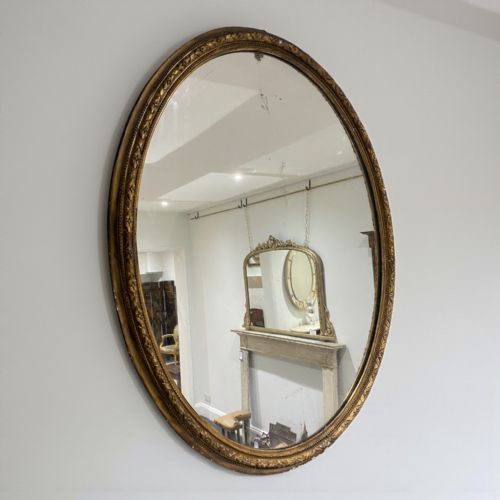
A classical oval mirror brings architectural grace to a room, framing light in carved wood and polished glass.
Classical Oval Mirror
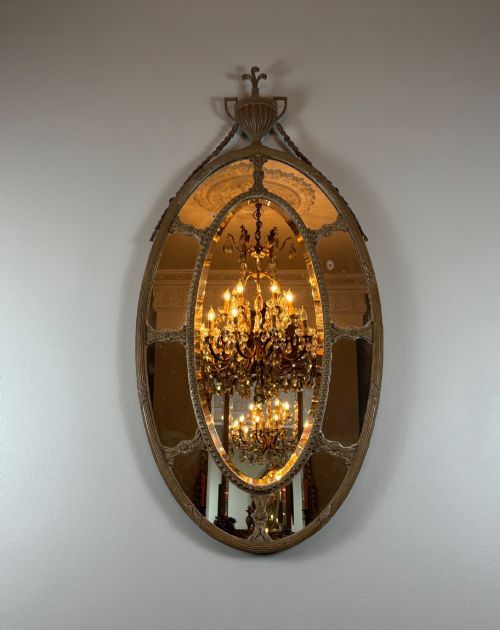
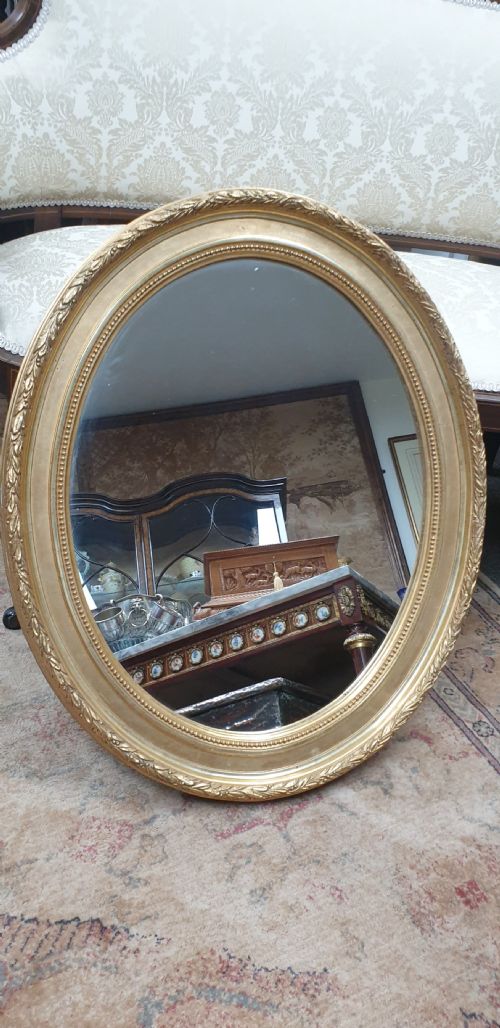
A classical oval mirror takes various historical forms, ranging from early eighteenth-century examples to later revival pieces found on this page. Buyers seeking a classical oval mirror encounter wall mirrors and overmantel mirrors spanning multiple periods including the Georgian era, the Regency period, and Victorian revivals.
The selection includes gilded wood frames, mahogany structures, and cast iron frames, often ornamented with neoclassical motifs like urns and swags. Most pieces date from the nineteenth century, alongside earlier survivals and turn-of-the-century interpretations of Adam and Neoclassical styles.
These mirrors serve both practical and decorative purposes in domestic interiors, functioning effectively above mantelpieces or as standalone wall hangings. The proportion of the oval shape softens room geometries while reflecting natural light across the space.
Materials and construction
Makers constructed these frames predominantly from timber such as mahogany and softwoods, which provided a stable base for decorative surface treatments. Giltwood and gesso were applied to create intricate relief details, forming the classical motifs characteristic of the style.
Carved wooden elements required skilled joinery and hand-tooling, particularly for the delicate swags and urns seen on revival pieces. Mirror plate was set securely into the rebated frames, backed to protect the silvering over centuries of use.
Some nineteenth-century mirrors retain faint candle soot in the carved crevices, evidence of centuries spent illuminating dim Victorian drawing rooms.
Distinguishing quality in mirrors
The refinement of the hand-carving distinguishes finer examples, where crisp relief work on the gesso and giltwood demonstrates superior craftsmanship. Earlier pieces and high-status revivals display deeper undercut details and more harmonious proportions across the frame.
The preservation of the original gilding and mirror plate significantly influences the character of a piece. Original mercury glass or early mirror plates exhibit distinctive patination that factory-produced replacements lack.
The Classical Oval Mirror Glossary
- Giltwood
- Wood that has been coated with a thin layer of gold leaf. This technique was standard for high-status frames of the Georgian and Victorian periods.
- Gesso
- A plaster-like mixture applied to wood frames to provide a smooth surface for carving and gilding. It allowed makers to achieve sharp architectural details.
- Adam Revival
- A late nineteenth-century architectural and decorative style inspired by the neoclassical designs of Robert Adam. It frequently incorporates symmetrical urns, husks, and delicate swags.
- Overmantel mirror
- A large mirror designed specifically to hang above a fireplace mantel. These pieces often anchor the decorative scheme of a principal reception room.
- Girandole
- A decorative wall mirror featuring attached candle sconces. The candle arms reflect additional light into the room.
Classical Oval Mirror: Frequently Asked Questions
How do I hang a heavy classical oval mirror?
Heavy wall mirrors require secure fixings into structural wall studs or masonry using appropriate weight-rated brackets. Overmantel mirrors often rest partly on the mantelpiece itself while being anchored to the wall for safety.
Professional installation is recommended for monumental pieces to ensure the weight is distributed evenly across the frame and wall fixings.
Are these mirrors suitable for bathrooms?
Original antique mirrors featuring traditional gesso, giltwood, and historical mirror plates are sensitive to high humidity. Moisture can damage the silvering behind the glass and cause the gesso to swell.
Placement in dry reception rooms, hallways, or bedrooms preserves the original materials and prevents structural deterioration of the antique frames.
How do I clean an antique gilt mirror?
Dusting should be performed gently with a soft, dry brush to avoid disturbing fragile gilt surfaces. Water and chemical cleaning agents must be kept away from both the carved frame and the mirror plate edges.
If the glass requires cleaning, apply a minimal amount of distilled water or a mild glass cleaner to a cloth rather than spraying directly onto the mirror.
How do I date an oval giltwood mirror?
Dating relies on examining construction techniques, joinery marks, the composition of the gesso, and the characteristics of the mirror plate. Stylistic indicators like Adam revival motifs point towards the late nineteenth century, while earlier construction methods suggest eighteenth-century origins.
Backboards, screw types, and the method used to secure the glass provide further physical evidence for determining the age of a piece.