





Gesso Decorative Mirror
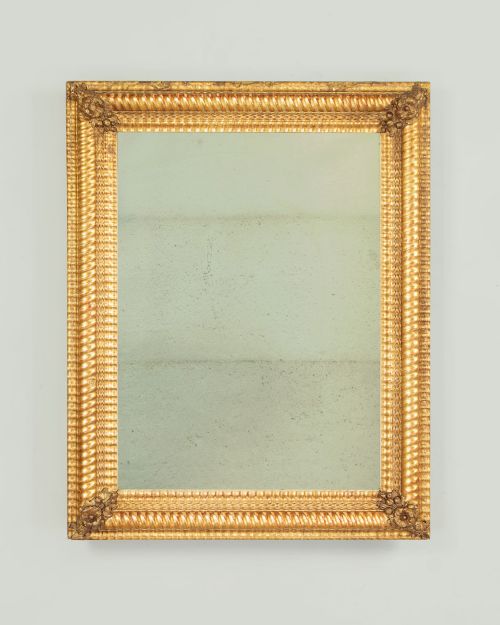
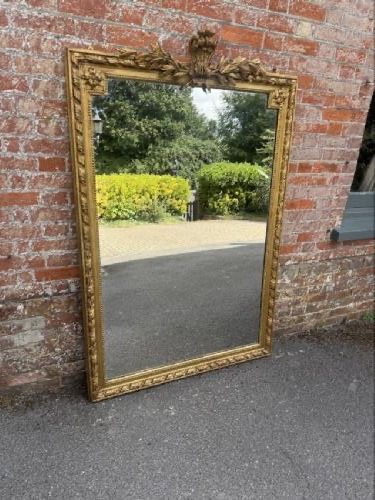
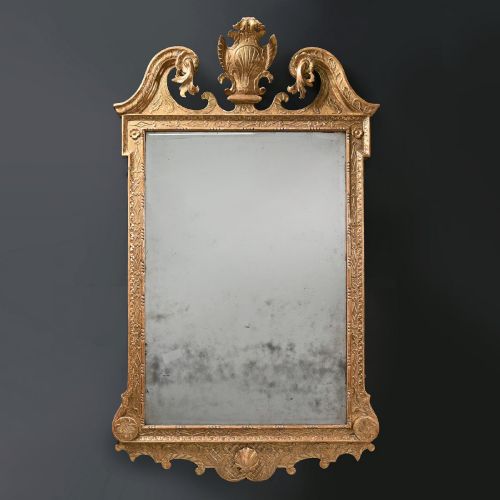
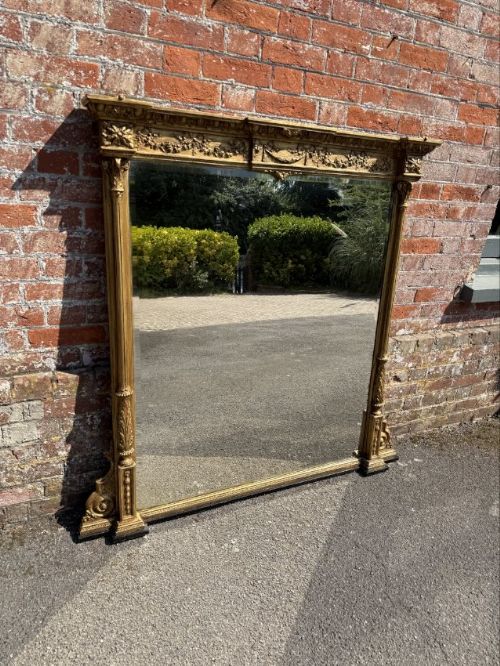
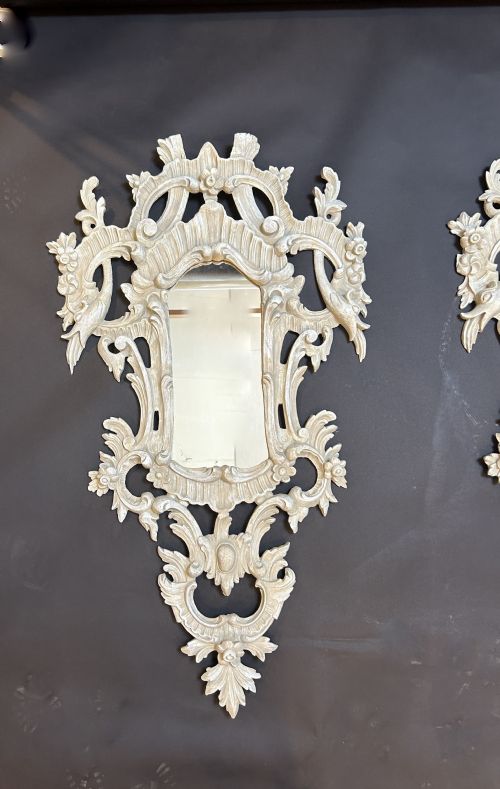
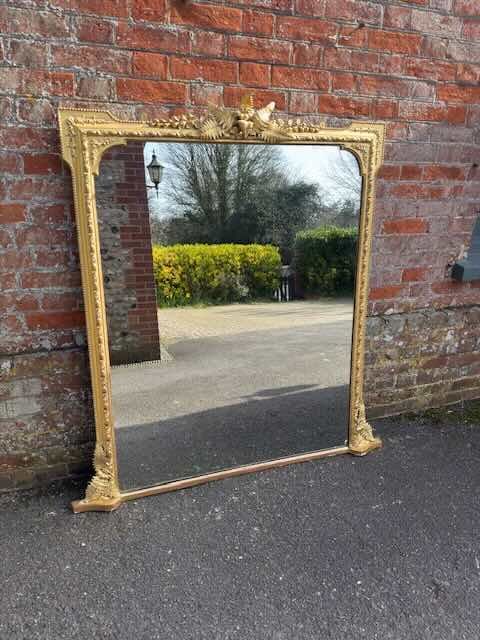
A gesso decorative mirror brings grand nineteenth-century presence into a room, offering intricate relief moulding and gilded reflection.
Gesso Decorative Mirror
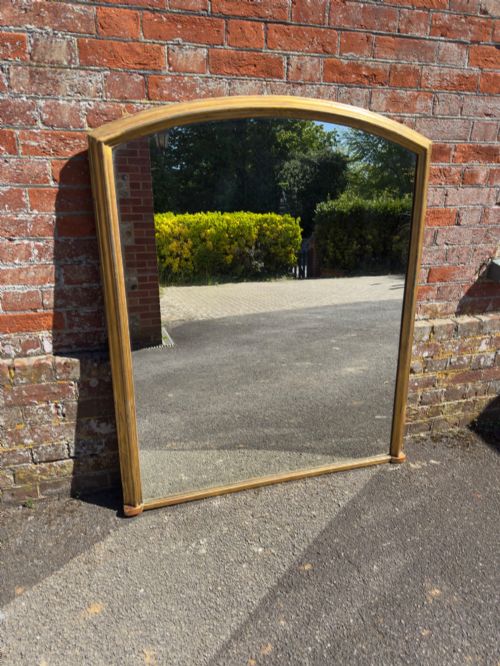
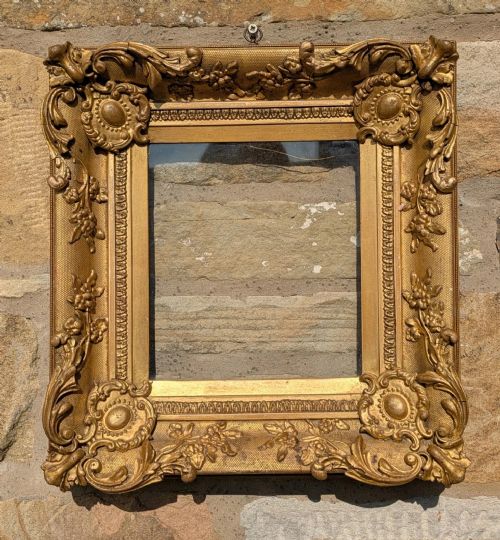
When searching for a gesso decorative mirror, collectors encounter an array of wall mirrors, overmantels, and picture frames originating primarily from the nineteenth century, alongside examples from the eighteenth and early twentieth centuries. These pieces span English, French, Italian, and continental workshops, reflecting eclectic historical revivals.
The most common formats on this page are large overmantels and wall mirrors featuring ornate arched, shaped, or rope-twist tops. Makers utilised heavy moulding to create dramatic architectural focal points for grand interiors.
Styles range from Victorian Rococo Revival and Baroque Revival to French chateau aesthetics and Edwardian interpretations. Each object demonstrates the period appetite for elaborate surface decoration in domestic spaces.
How they were made
The foundation of every piece is carved wood, usually pine or hardwood, shaped to form the structural carcass of the frame. Artisans applied successive layers of gesso - a mixture of chalk, gypsum, and binder - directly onto the timber substrate.
Once dry, the gesso was carved, stamped, or moulded into relief details such as floral rosettes, leaves, and scrolls before receiving finishes of gold leaf, paint, silvering, or two-colour gilding.
Several mirrors incorporate fierce lion heads into their gesso moulding, keeping a watchful glass eye on the Victorian parlour.
What varies in quality
Quality rests in the crispness and depth of the gesso modelling, where hand-tooled relief work distinguishes superior artisan output from standard moulded production. The integrity of the underlying carved wood frame also dictates durability and weight.
Surface treatments show considerable divergence, ranging from genuine multi-layered gold leaf and subtle original silvering to simpler painted finishes. The retention of original gilding and the preservation of early mirror glass elevate the standing of a piece.
The Gesso Decorative Mirror Glossary
- Gesso
- A dense plaster mixture applied to carved wooden frames to provide a smooth, sculptural surface for gilding or painting. It allows intricate three-dimensional ornamentation.
- Giltwood
- Timber frames coated in gold leaf applied over a prepared gesso ground. This finish catches candlelight and natural illumination.
- Overmantel
- A large wall mirror specifically designed to hang above a fireplace mantelpiece. These pieces often feature wide proportions and arched tops.
- Rococo Revival
- A nineteenth-century design movement inspired by eighteenth-century French style, characterised by asymmetrical scrolls, C-curves, and naturalistic shell motifs.
- Patera
- A circular ornamental relief carved or moulded to resemble a classical libation dish. It frequently appears on neoclassical and Victorian frames as a floral rosette junction.
Gesso Decorative Mirror: Frequently Asked Questions
Where should I hang an overmantel mirror?
These large mirrors traditionally sit directly above a fireplace opening to reflect light and anchor the room's proportions.
They also function effectively on principal living room walls where their heavy gesso frames serve as standalone focal points.
How do I identify a nineteenth-century gesso frame?
Examine the corners and high-relief areas for the characteristic thickness and chalky texture of historic gesso layers over timber.
Nineteenth-century examples typically display hand-finished detailing, older mirror glass with minor foxing, and appropriate construction methods on the reverse.
How do I care for antique gilt gesso?
Dust the surface gently with a dry, soft microfibre cloth to prevent accumulation in the intricate relief crevices.
Avoid liquid cleaners, moisture, and chemical polishes entirely, as these substances damage delicate gesso and vintage leaf.