


Regency Style Overmantel Mirror
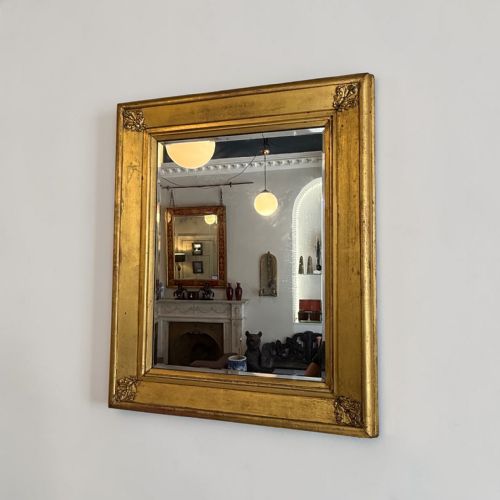
A regency style overmantel mirror brings architectural presence to a fireplace, offering expansive glass and classical framing.
Regency Style Overmantel Mirror
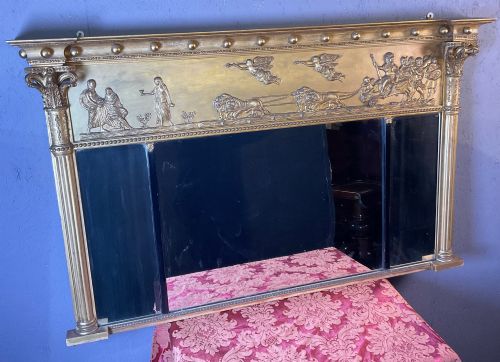
A regency style overmantel mirror is a wide, horizontal looking glass designed specifically to sit above a mantelpiece, reflecting light and balancing the proportions of a hearth. These pieces appear across several periods, stretching from original Regency pieces and the 19th century through to Victorian revivals and Edwardian interpretations.
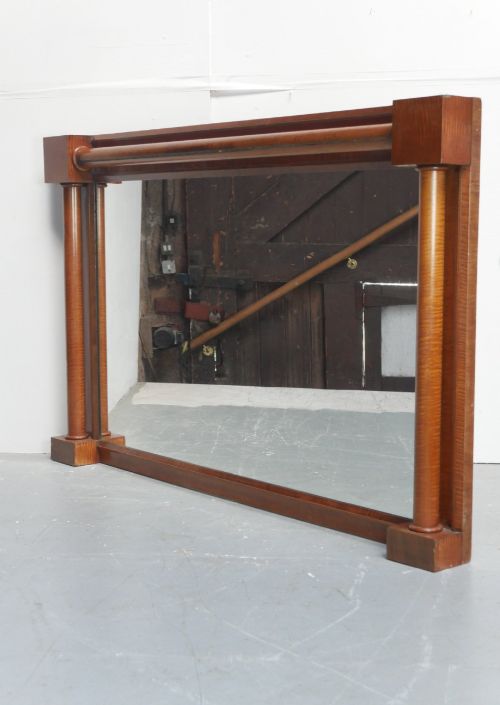
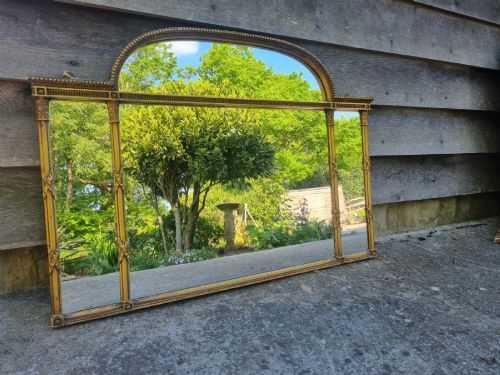
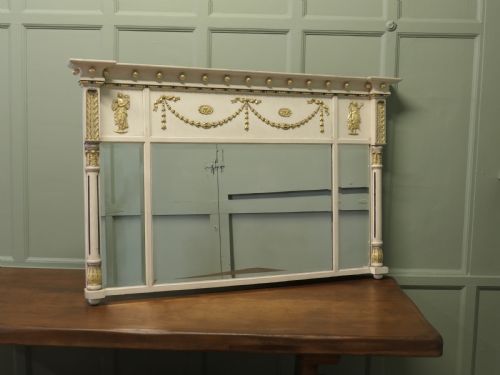
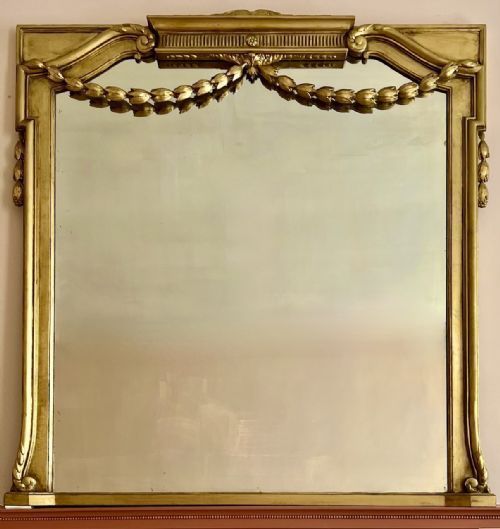
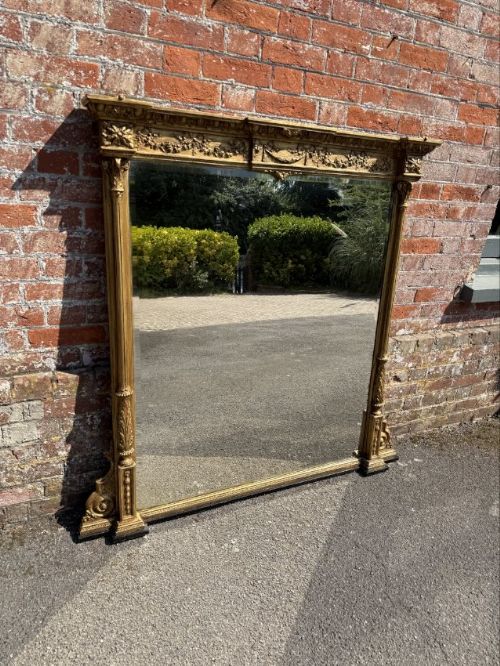
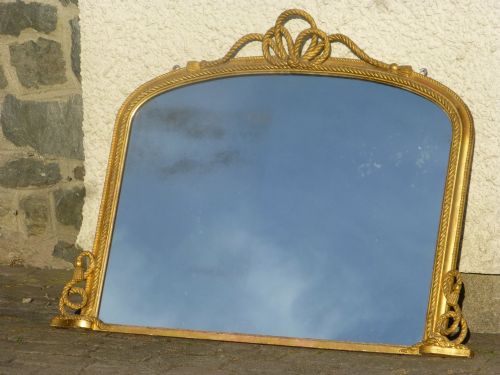
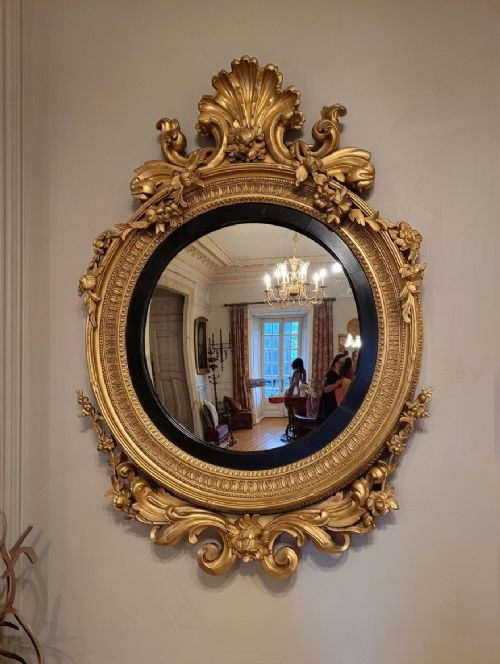
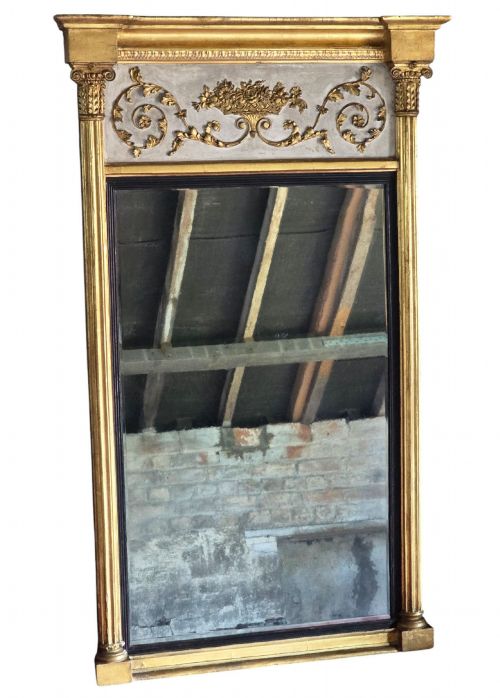
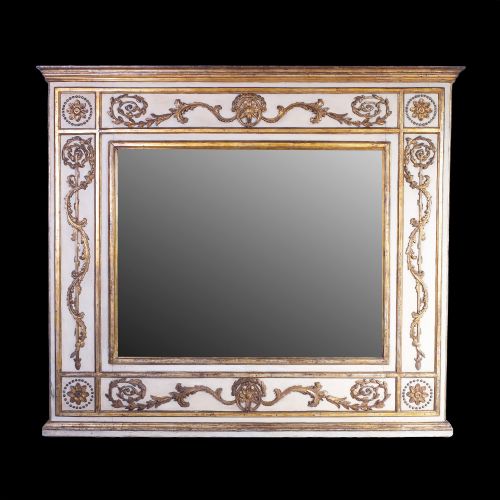
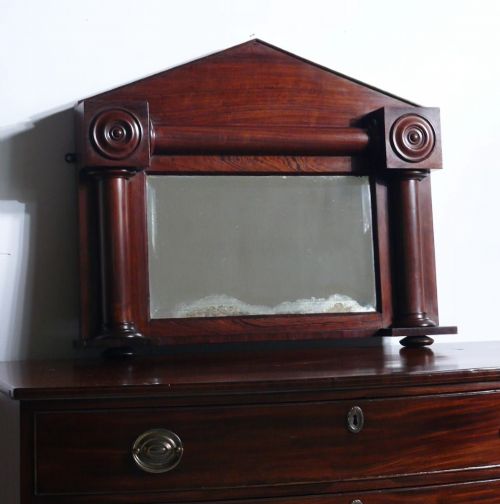
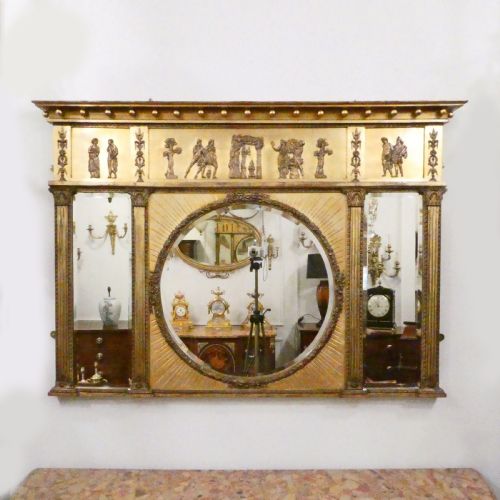
The inventory includes prominent formats such as triple plate mirrors, rectangular frames with classical columns, and shaped or arched top designs. Materials range from traditional giltwood and gesso to painted wood, mahogany, rosewood, and ebonised finishes.
Makers and craftsmen drew heavily upon Neoclassical, French Empire, and Adam style vocabulary, incorporating rope twists, nautical motifs, and crisp gilding. Buyers encounter both authentic early pieces and later revivals that faithfully emulate the grand proportions of the originals.
How they were made
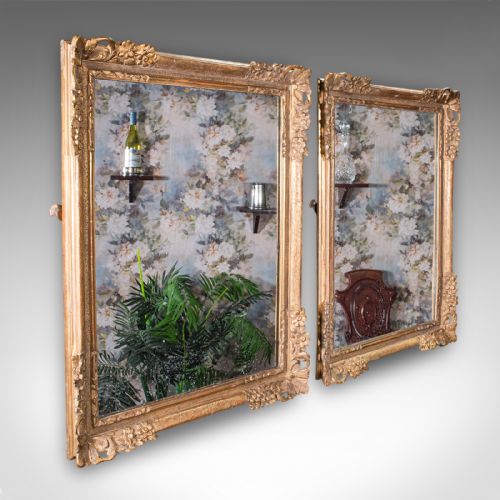
Carved wood and gesso form the structural foundation for the majority of these gilt frames, allowing artisans to build up sharp relief details like classical columns and ribbed mouldings. Gold leaf and paint are then applied to the prepared surfaces, creating the luminous metallic finishes recorded across the collection.
Glass production during the periods represented involves both single large mirror plates and triple plate configurations where multiple sections of glass sit side by side within the frame. Composition materials also appear alongside solid timber frames such as mahogany and rosewood to achieve intricate decorative elements.
Several mirrors incorporate nautical rope twist carvings, bringing a subtle maritime touch to formal drawing room hearths.
What varies in quality
Quality rests in the crispness of the carved wood and gesso ornamentation, where deeply articulated rope twists and columns separate superior work from softer, flatter mouldings. The integrity of the original gilding and the clarity of the mirror glass, whether single plate or triple plate, dictate the visual authority of the piece.
Proportion and scale also define the hierarchy, with larger, impressive architectural frames commanding the room differently than modest oval or pier mirrors. The depth of the finish, from fine gold leaf to painted and parcel gilt treatments, marks the distinction between standard production and exceptional workshop output.
The Regency Style Overmantel Mirror Glossary
- Overmantel mirror
- A large horizontal mirror specifically designed to hang on the wall directly above a fireplace mantel. These mirrors traditionally reflect the light of the fire and the room.
- Giltwood
- Timber, commonly pine or gesso-coated wood, covered with thin sheets of gold leaf. This material provides the brilliant metallic sheen characteristic of classical frames.
- Gesso
- A plaster-like mixture applied to wood frames and carved or moulded into decorative reliefs before gilding. It allows for sharp architectural and ornamental detail.
- Triple plate
- A mirror constructed using three separate glass panels set within a single frame. This configuration is frequently seen in grand nineteenth-century drawing rooms.
- Pier mirror
- A tall narrow mirror designed to hang on the pier, the wall space between two windows. They share many stylistic motifs with overmantel mirrors.
- Trumeau
- A decorative wall mirror featuring a painted or carved panel set above the glass plate. These originate from French interior design traditions.
Regency Style Overmantel Mirror: Frequently Asked Questions
Where should I hang an overmantel mirror?
These mirrors traditionally anchor the space directly above a fireplace mantelpiece, where their horizontal proportions balance the hearth below.
They also function effectively on principal walls in reception rooms to amplify natural light and create a sense of extended architectural space.
How do I distinguish an original Regency mirror from a Victorian revival?
Original pieces date from the early nineteenth century and typically exhibit construction methods, backboards, and glass silvering consistent with that specific era. Revival pieces often date from the 1870s or 1880s, utilising the same Regency design vocabulary but showing different secondary woods and assembly techniques.
Are these frames made of solid gold?
The frames are constructed from timber, composition materials, or gesso, which are then covered in fine gold leaf or gilt paint. This technique provides the appearance of solid gold while maintaining structural stability and manageable weight.