




German Hand Painted Plate
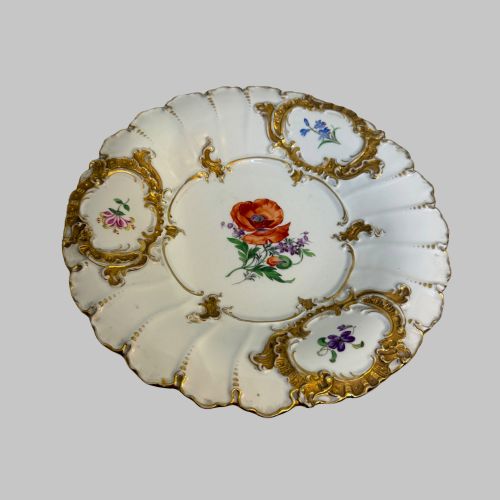
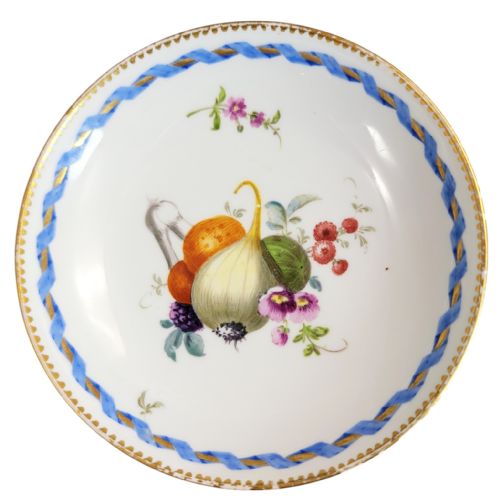
These german hand painted plate examples bring together centuries of kiln work, colourful enamel scenes and gilt edges.
German Hand Painted Plate
When you search for a german hand painted plate, you encounter a range of ceramics spanning the eighteenth to the early twentieth century. The selection leans heavily toward cabinet plates, dishes and chargers produced by European factories.
Forms vary from square dishes and reticulated plates to simple saucers and large platters. Most examples originate from nineteenth century workshops, with Rococo Revival and Victorian historicism strongly represented.
How they were made
Potters shaped hard-paste porcelain and earthenware before applying dense layers of glaze and enamel paint. Artisans then added gold leaf and gilding to highlight moulded borders and intricate painted motifs.
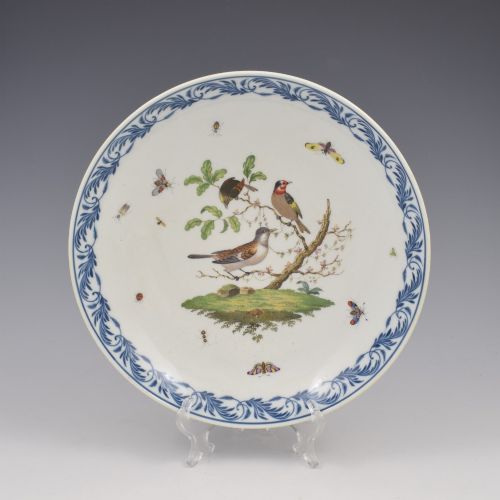
Firing techniques allowed cobalt blue underglazes and polychrome enamel scenes, such as floral sprays and ornithological studies, to fuse with the ceramic body. Many items show hand-painted details finished with fine brushwork.
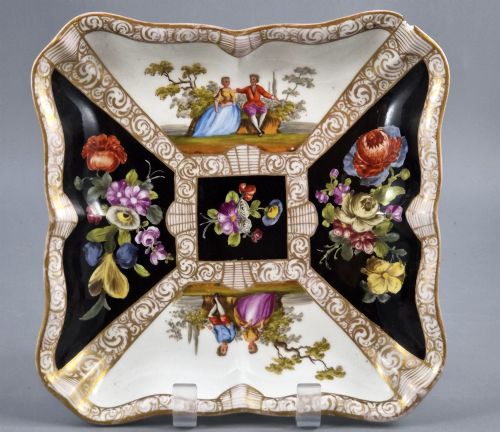
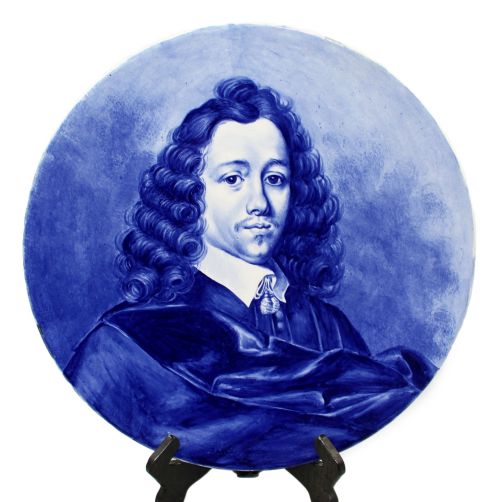
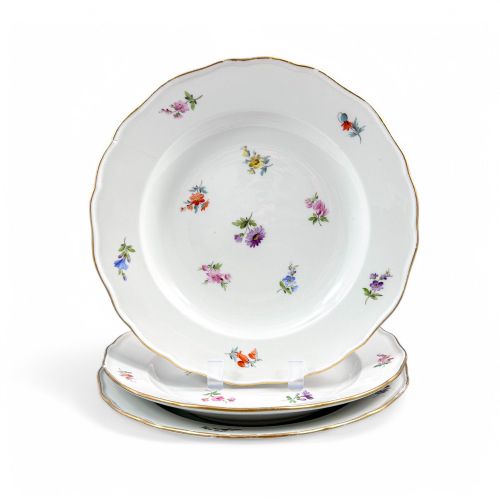
Decoration across the available plates includes botanical sprays, exotic birds, portraits and Rococo pastoral scenes.
What varies in quality
Quality depends upon the crispness of the porcelain moulding and the delicacy of the hand-painted details. Plates featuring complex figural scenes or extensive gilt decoration demand greater skill than simpler floral designs.
The precision of factory marks and the richness of the enamel colours distinguish standard production ware from finer cabinet pieces. Artisans who executed detailed ornithological birds or Watteau scenes set a high standard for brushwork.
Meissen Porcelain·Royal Bonn·Furstenberg·Paul Müller Selb·Helena Wolfsohn
The German Hand Painted Plate Glossary
- Cabinet plate
- A decorative ceramic plate intended for display rather than dining use. These often feature hand-painted scenes and gilt borders.
- Hard-paste porcelain
- A durable ceramic material composed of kaolin and petuntse fired at high temperatures. It forms the white body of many continental plates.
- Reticulated
- Describes ceramic ware with openwork or pierced patterns cut into the rim before glazing and firing. This technique adds ornamental detail to decorative dishes.
- Streublumen
- A scattered floral pattern featuring small individual blossoms painted across the white porcelain surface. This motif appears frequently on nineteenth-century German tablewares.
- Gilding
- The application of gold leaf or powdered gold to ceramic surfaces. It enhances rims, handles and painted borders.
German Hand Painted Plate: Frequently Asked Questions
How do I display a cabinet plate?
Cabinet plates work well mounted on walls using coated wire hangers or placed upright on small plate stands inside display cabinets.
Position them away from direct sunlight to protect the enamel colours and gilt highlights from fading over time.
Were these plates used for dining?
Most decorated plates and chargers served decorative purposes in domestic settings, particularly nineteenth-century cabinet pieces intended to showcase artistic skill.
Some simpler dishes and sets functioned as dessert plates or serving platters during formal meals.
How do I identify factory marks?
Look on the underside of the porcelain for underglaze blue painted symbols, impressed numbers or painted factory ciphers. Crossed swords and specific initials indicate the producing workshop.
Reference specialised ceramic guides to match the mark style to the correct period and maker.
What does Kakiemon mean?
Kakiemon refers to a Japanese aesthetic style adopted by European porcelain makers, characterised by asymmetric arrangements and distinct enamel palettes.
Plates decorated in this manner display stylistic links to Asian export ceramics produced during earlier centuries.