

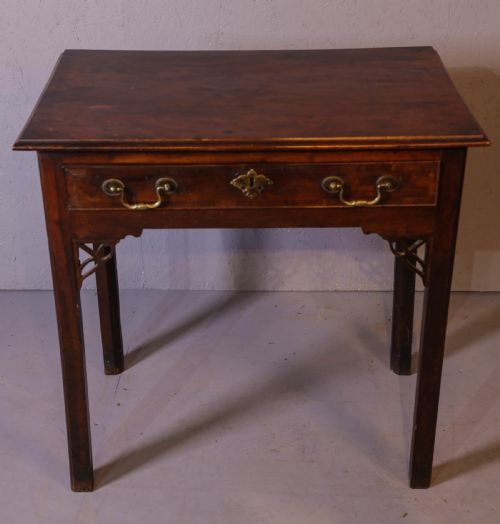


Georgian Yew Wood Table
A georgian yew wood table offers warm timber tones and distinctive figuring, drawing collectors to functional forms like wine tables and lowboys.
Georgian Yew Wood Table
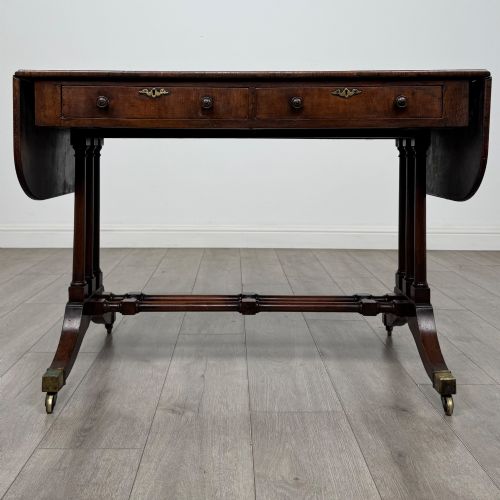
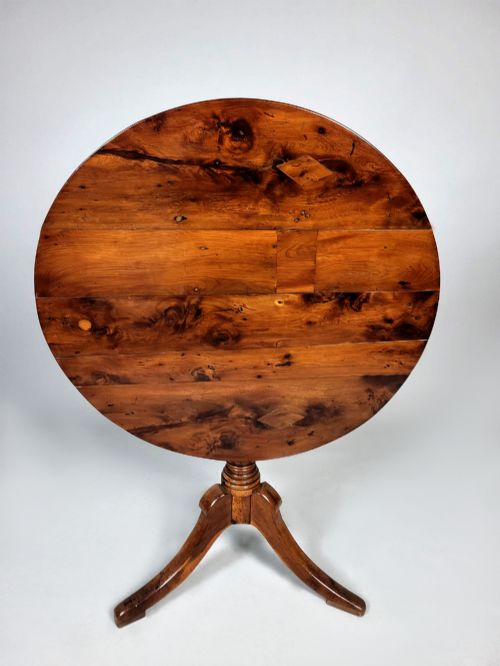
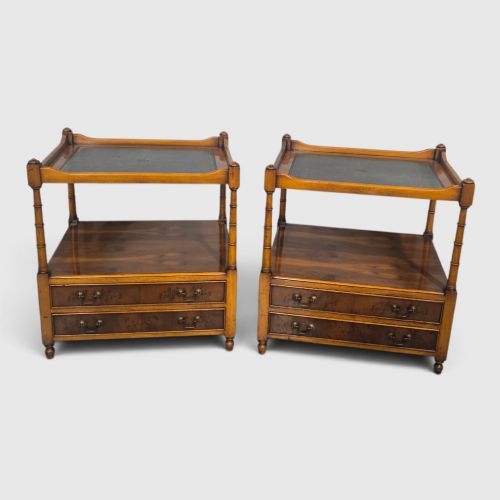
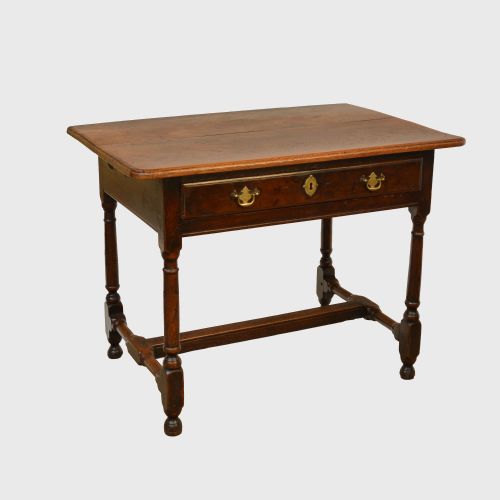
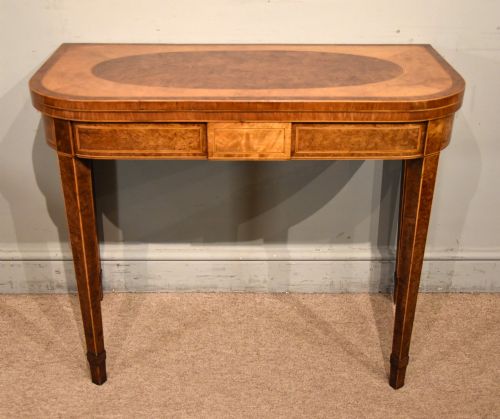
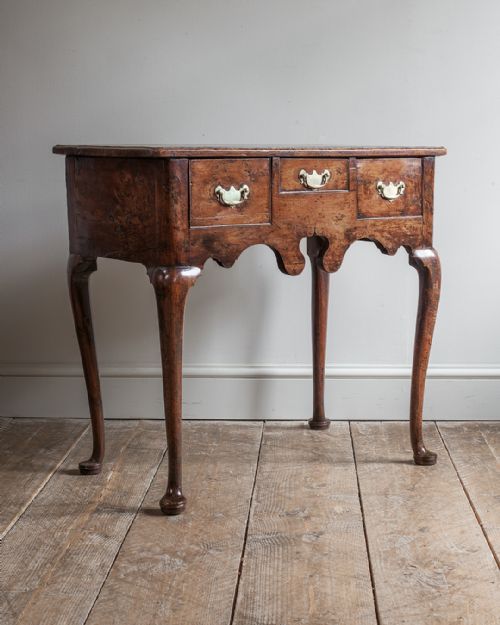
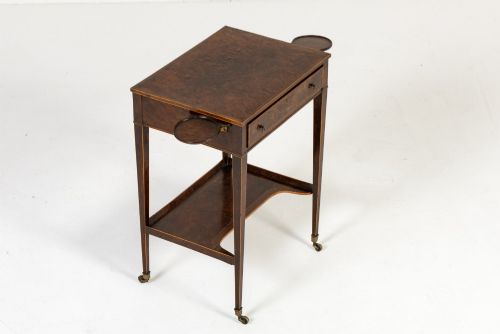
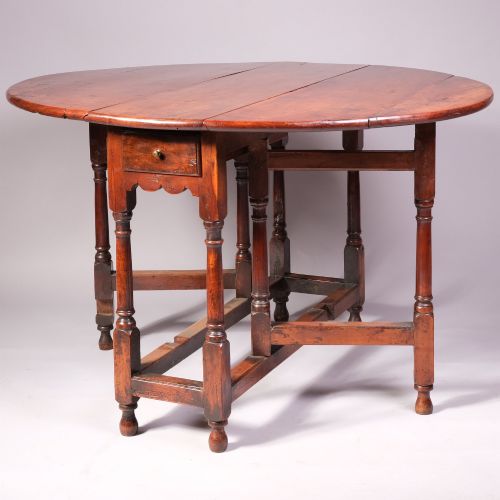
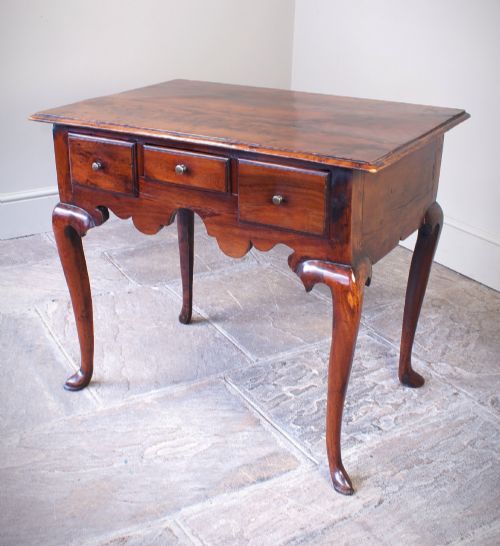
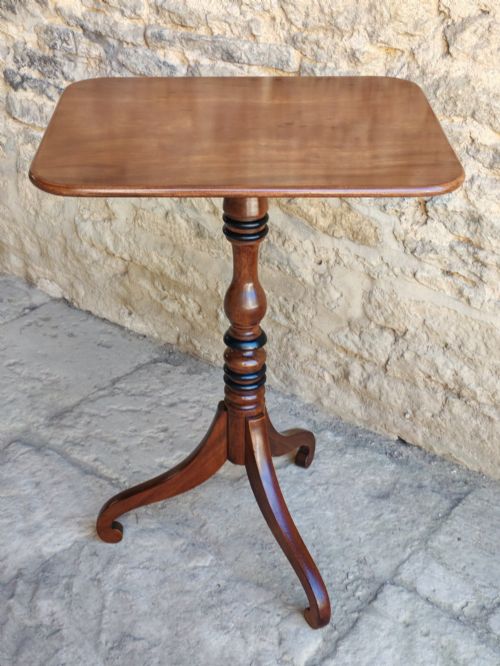
A georgian yew wood table appears in forms designed for domestic utility and social display, spanning tripod wine tables, lowboys, side tables and card tables. The selection frequently includes examples from the eighteenth century alongside later nineteenth-century interpretations in regency and victorian styles.
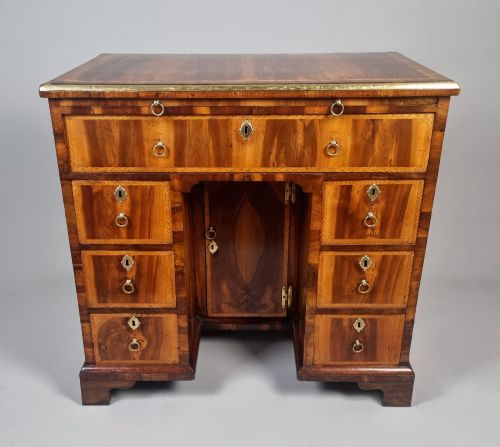
Makers and cabinetmakers utilised yew alongside complementary native timbers such as oak, elm and satinwood, creating functional items for the parlour, study and bedroom. Buyers encounter diverse proportions, from small kettle stands to larger pedestal centre tables and kneehole desks.
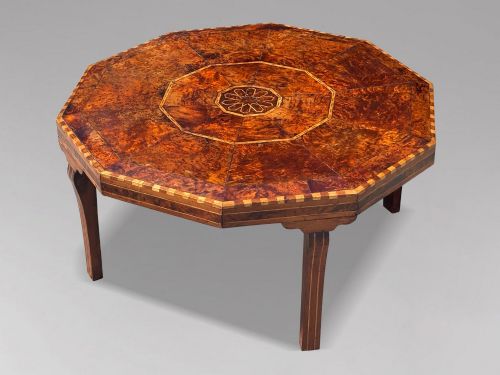
The material displays deep amber and honey hues with characteristic knotting and swirling grain patterns, particularly evident in burr veneers. These pieces reflect the shift from plain country furniture to more refined urban cabinet work across the georgian and regency periods.
Materials and construction
Cabinetmakers selected solid yew and decorative burr yew veneers applied to secondary woods like oak, elm and pine, securing stability in tables subject to daily use. Timber selection governed the visual impact, utilising figured grain on prominent surfaces such as table tops and drawer fronts.
Joinery methods included mortise and tenon frames for tables and chests, alongside turning for tripod stems and cabriole legs. Where brass hardware appears, it ranges from simple drop handles to original cast brasses on desks and dressing tables.
Yew trees were long planted in churchyards to supply resilient wood for longbows before ending up as miniature chests and tea caddies.
Evaluating distinction
The division between standard domestic items and superior cabinet work rests on timber selection and figure intensity, where densely patterned burr yew commands greater attention. Skill in veneer application and the crispness of turned or carved details further distinguish finer examples.
Proportion and structural integrity dictate the standing of individual pieces, noting whether secondary timbers and brass mounts remain contemporary to the primary construction. Tables retaining untouched surfaces and balanced proportions demonstrate superior workshop execution.
Gillows
The Georgian Yew Wood Table Glossary
- Burr yew
- A growth deformity in the yew tree producing highly figured, swirling grain patterns highly prized for decorative veneer on tabletops and cabinets.
- Lowboy
- A small kneehole dressing table or side table with one or more rows of drawers, standing on four slender legs.
- Tripod table
- A small occasional table supported by a central pillar resting on three spreading feet, often designed with a tilt-top mechanism.
- Kneehole desk
- A writing table featuring a recessed central cupboard flanked by pedestals of small drawers.
- Featherbanding
- A type of inlay consisting of two strips of veneer laid side by side at an angle to form a herringbone pattern around edges.
Georgian Yew Wood Table: Frequently Asked Questions
How do I identify a georgian yew wood table?
Examine the timber for deep amber tones and distinctive swirling grain or burr figuring typical of yew. Look at the construction methods, secondary woods like oak or elm, and overall proportions consistent with eighteenth and early nineteenth-century workshops.
Compare the turned legs, edge mouldings and hardware against documented examples from the period. Regional country pieces often display simpler joinery than urban cabinet work while retaining the same dense timber.
Where were these tables placed in a home?
Smaller tripod and wine tables served flexible functions in sitting rooms for holding candles, tea equipment or books. Lowboys and side tables occupied hallways, parlours and bedrooms as serving surfaces or dressing tables.
Larger pedestal and centre tables stood in principal reception rooms to display decorative objects or support lighting. Their movable nature allowed owners to reposition them according to daily domestic requirements.
Did yew wood furniture come from specific regions?
Yew grew widely across British woodlands, leading to strong traditions of rural cabinet making in regions with abundant timber supplies. Workshops in provincial towns and rural areas utilised local stocks alongside imported veneers for urban markets.
Tables attributed to makers like Gillows show how regional materials entered high-style urban production. The wood's dense nature required skilled handling, linking specific construction traits to knowledgeable local joiners.
How should I care for a yew wood surface?
Protect the antique polish from direct sunlight and excessive heat fluctuations to prevent timber movement and veneer lifting. Dust regularly with a soft, dry cloth and apply occasional high-quality beeswax to nourish the wood.
Avoid commercial silicone sprays or liquid cleaners that can penetrate older finishes and degrade the underlying polish. Maintain stable indoor humidity levels to preserve the stability of the timber and joints.