


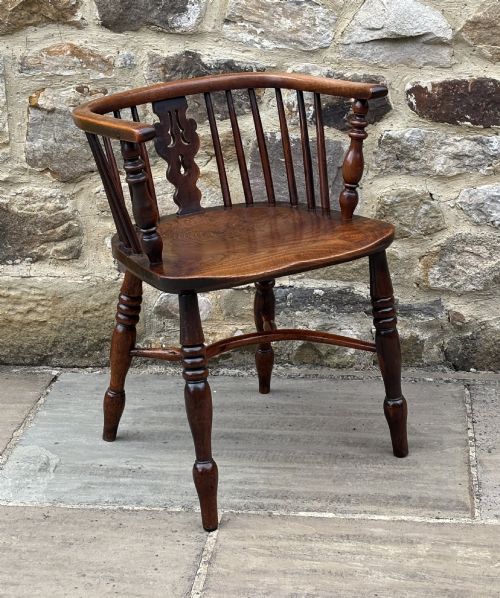
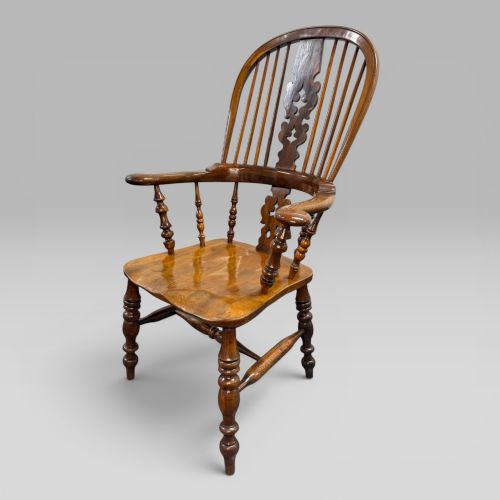
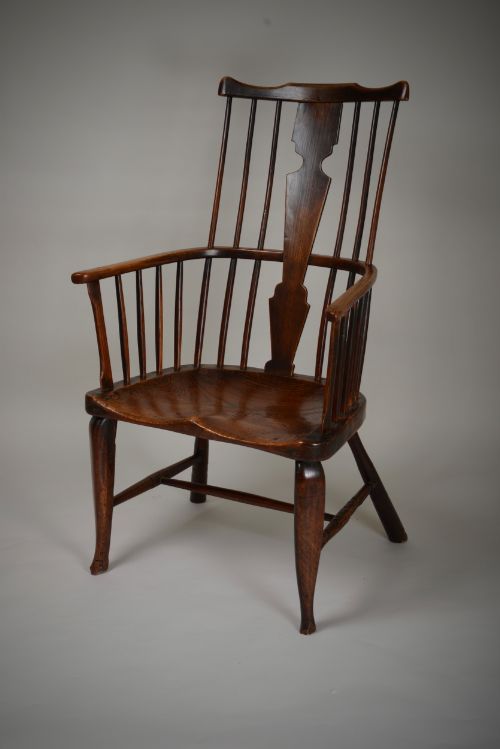
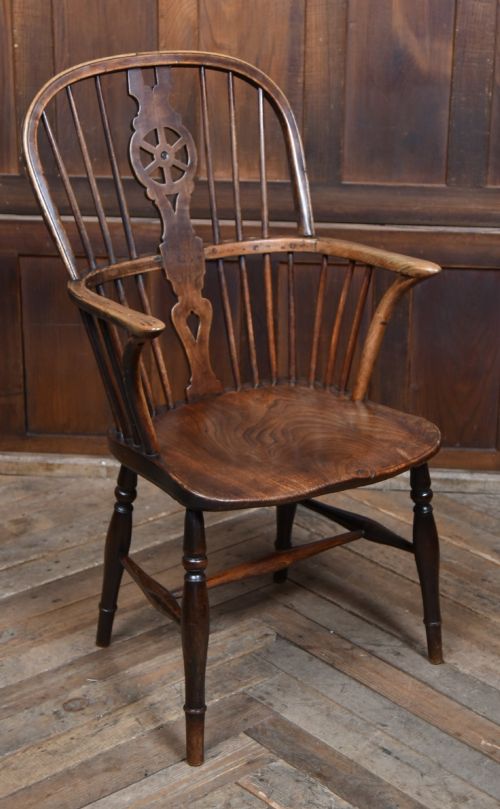
Antique Yew Wood Desk
An antique yew wood desk brings rich timber grain and traditional craftsmanship into a study.
Antique Yew Wood Desk
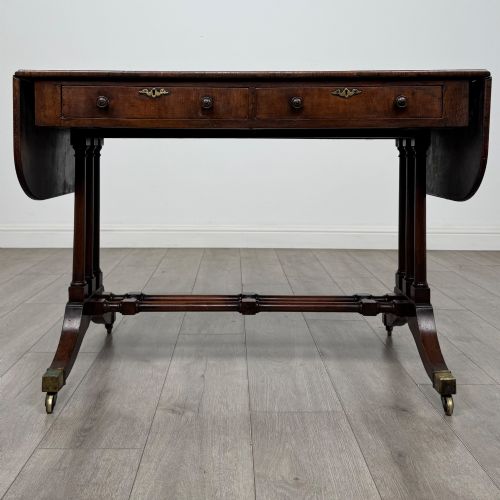
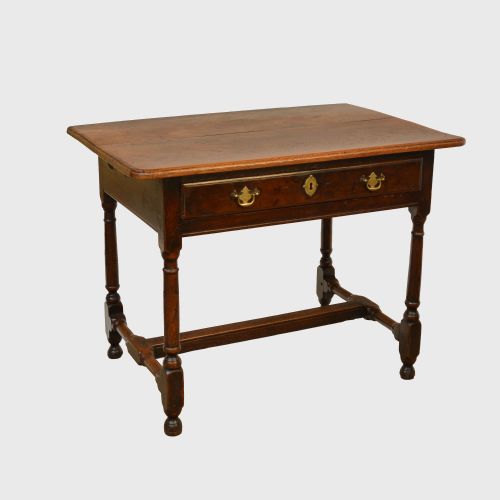
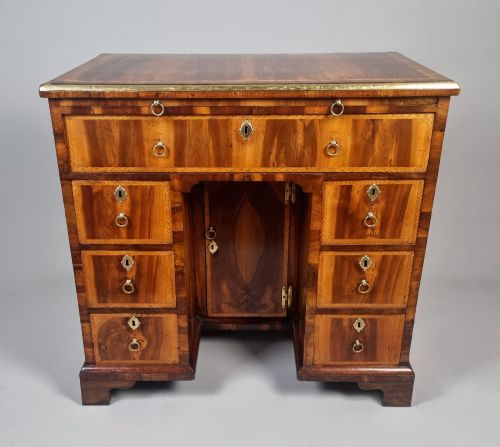
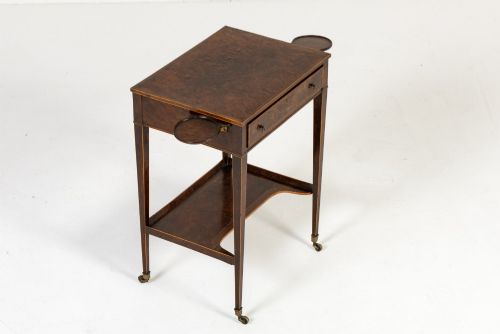
An antique yew wood desk is a practical writing surface or bureau constructed from timber renowned for its distinct grain pattern and warm colour. When searching for an antique yew wood desk, buyers encounter writing tables, bureau bookcases, and small writing desks originating from the eighteenth and nineteenth centuries.
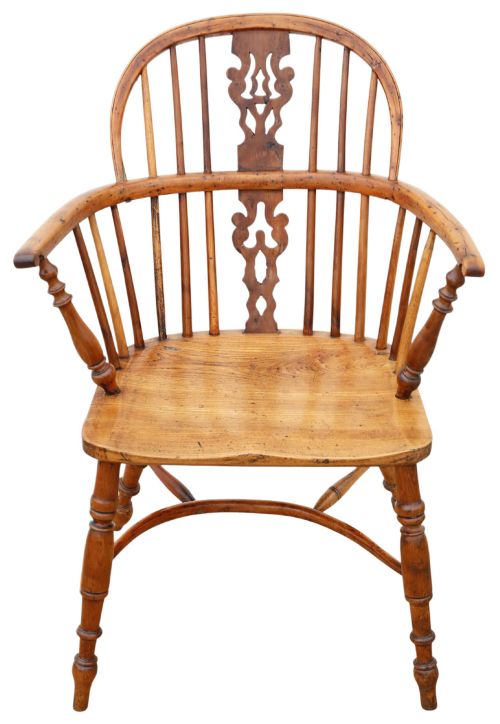
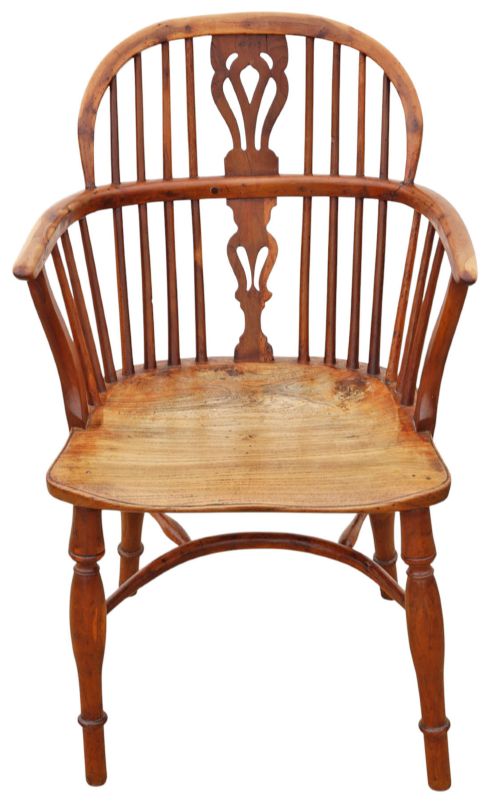
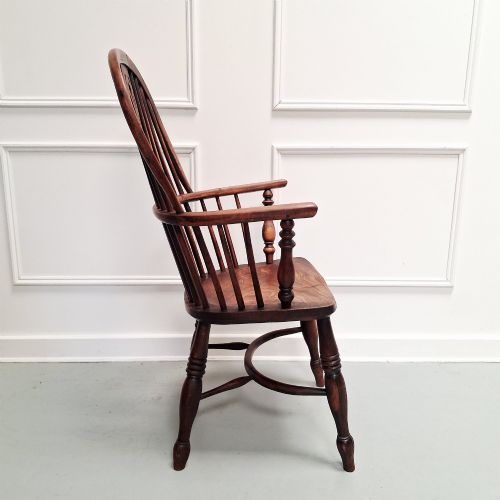
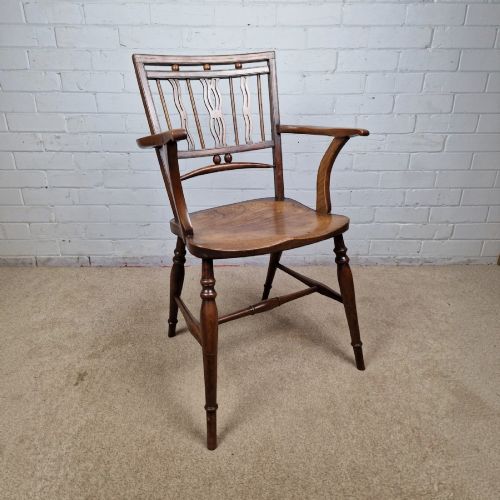
The pieces on this page span Georgian, Victorian, and Edwardian periods, reflecting vernacular and formal English styles. Makers often paired yew with secondary timbers such as elm, oak, and beech to construct these functional workspace furniture items.
Writing tables and bureau forms predominate in the surviving record, often featuring fitted drawers and writing surfaces. These items served domestic and professional functions in country houses and town residences alike.
What varies in quality
Quality rests upon the selection of timber figures, particularly the use of highly figured burr yew across prominent surfaces like writing tops and drawer fronts. The crispness of the joinery and the retention of original brass hardware elevate the standing of a piece.
Proportion and structural integrity distinguish superior examples from standard vernacular pieces. Desks retaining original surfaces and patination demonstrate greater integrity than those with heavy restoration.
Listings demonstrate that eighteenth- and nineteenth-century makers combined yew with elm, oak, and beech across writing tables and bureau forms.
J Spencer·John Brand of Sleaford·Gabbitass Worksop·Rockley Maker
The Antique Yew Wood Desk Glossary
- Burr yew
- A growth on a yew tree that produces intricate, swirling grain patterns when sliced into veneer or solid boards. Cabinet makers prized this timber for decorative panels on high-status furniture.
- Dovetail joint
- A carpentry technique interlocking wedge-shaped fingers to join drawer corners securely. This method provides high tensile strength without relying solely on metal fasteners.
- Vernacular furniture
- Domestic objects made by local tradesmen using regional traditions rather than following metropolitan high-style designs. These pieces often mix native timbers like yew, elm, and beech.
- Escutcheon
- A protective metal plate surrounding a keyhole on a drawer or cabinet door. They are frequently cast in brass and match the period style of the hardware.
Antique Yew Wood Desk: Frequently Asked Questions
How do I date an antique yew wood desk?
Dating relies on examining construction methods, hardware styles, and timber preparation. Georgian pieces often display hand-cut dovetails and simpler lines, while Victorian examples introduce machine-sawn elements and distinct regional chair or desk patterns.
Secondary woods also offer clues to origin and age. Early pieces frequently incorporate oak or elm alongside yew, whereas Edwardian items may show standardised internal framing.
What is burr yew wood?
Burr yew comes from an abnormal growth on the tree that creates dense, swirling clusters of knots in the grain. This figured wood was sliced into thin veneers or solid boards for decorative drawer fronts and tabletops.
Because of its striking appearance and scarcity, furniture featuring burr yew was typically reserved for higher-status domestic items.
Did makers combine yew with other timbers?
Cabinet makers frequently paired yew with elm, oak, beech, and fruitwood due to the limited availability of wide yew boards. Elm was commonly utilised for seat boards and drawer linings because of its resistance to splitting.
Secondary timbers remained hidden within the internal structure, while decorative yew and burr yew faced outward on visible surfaces.