
Georgian Worcester Dish
A georgian worcester dish brings eighteenth and nineteenth-century ceramic artistry to the table, offering collectors delicate porcelain forms painted with birds, flora, and intricate oriental motifs.
Georgian Worcester Dish
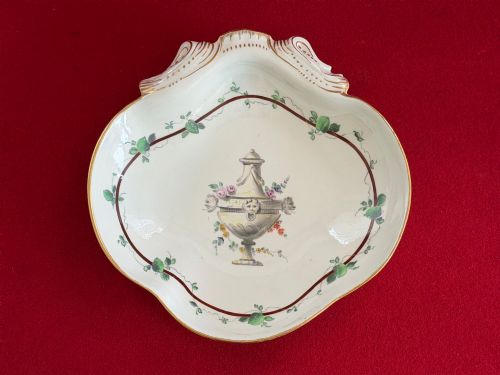
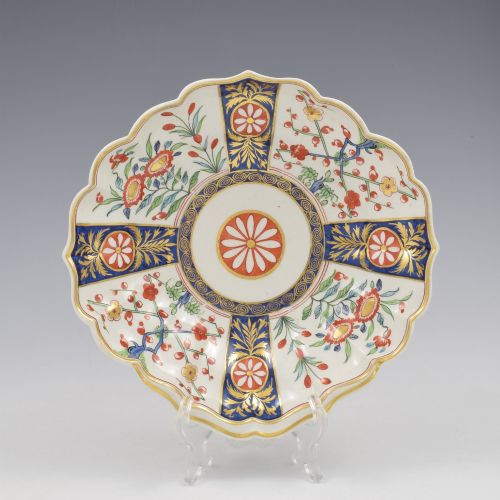
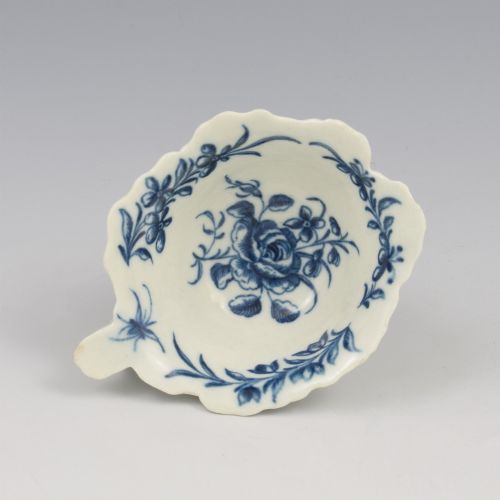
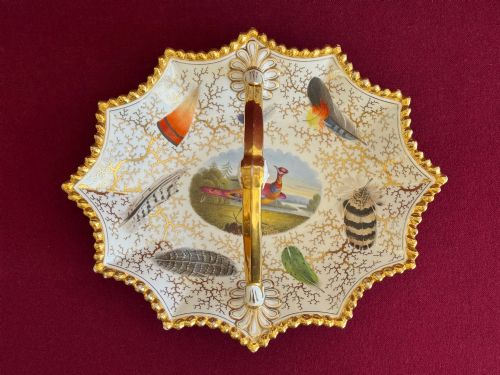
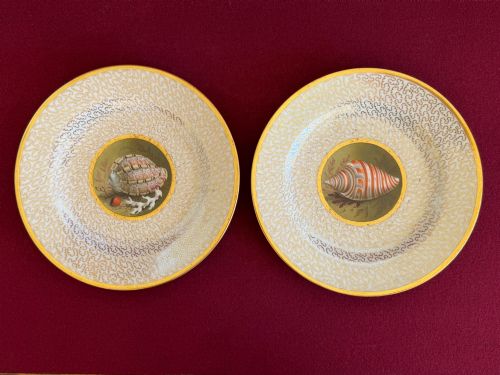
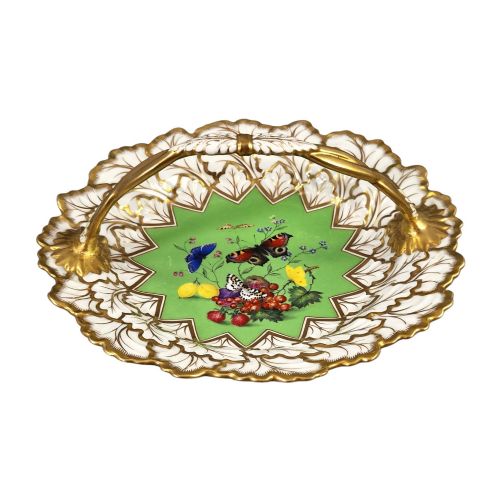
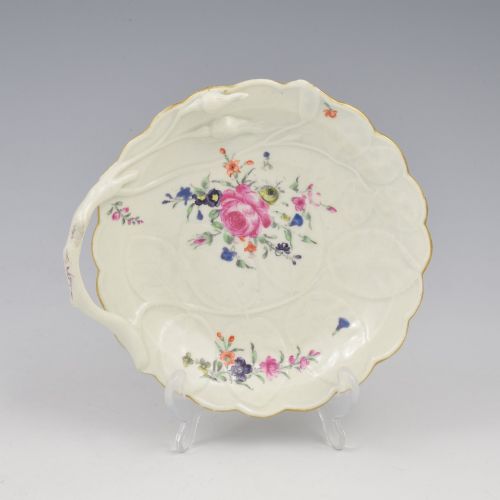
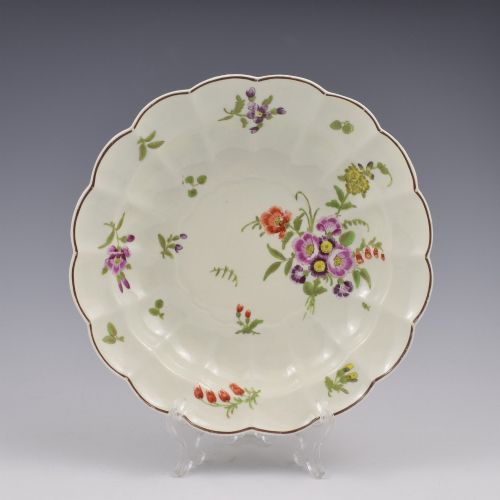
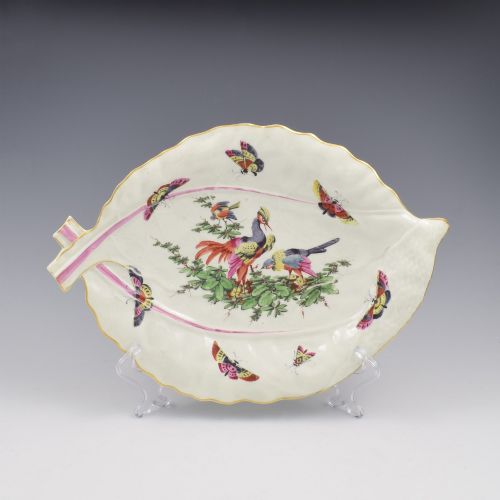
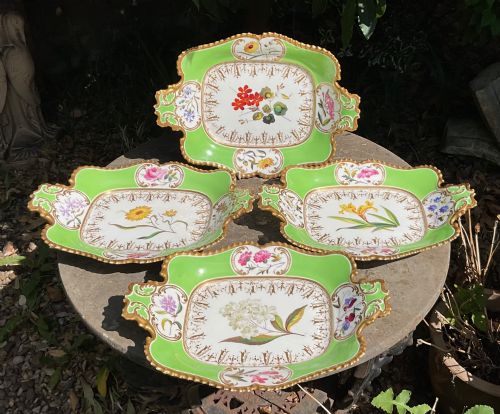
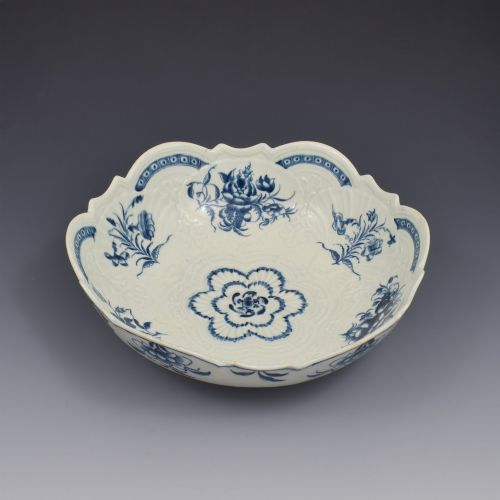
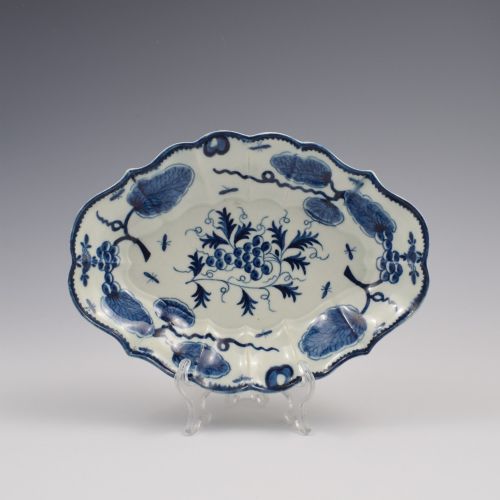
A georgian worcester dish encompasses a variety of tableware forms, including dessert plates, leaf-shaped pickle dishes, circular baskets, and lobed soup plates. The pieces span from the mid-eighteenth century through the Regency era, reflecting shifting tastes in British ceramic production.
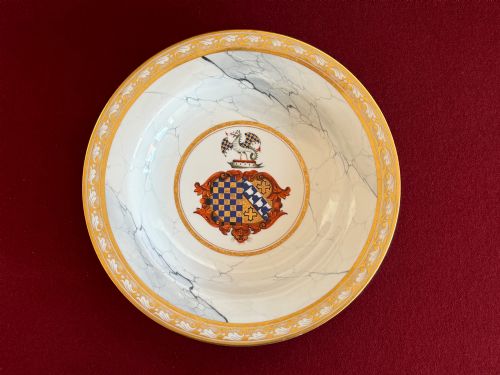
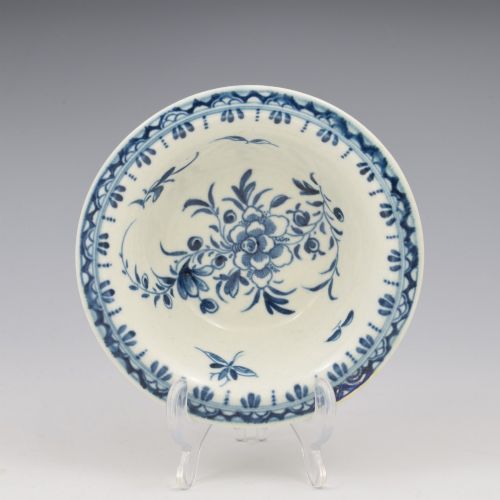
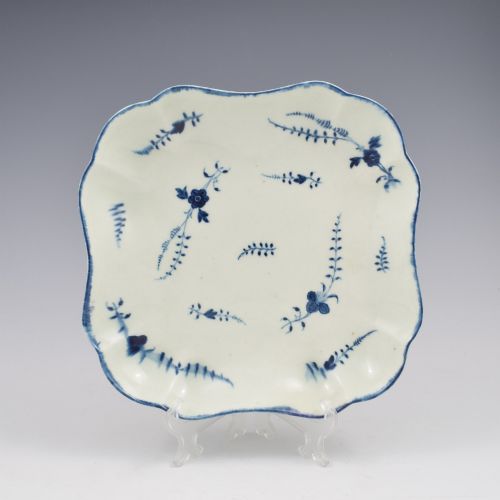
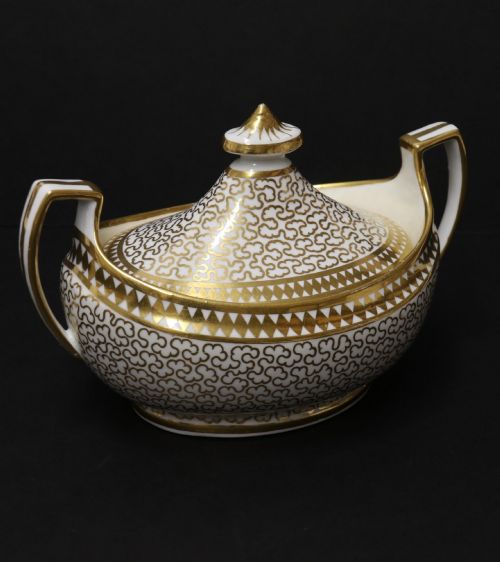
The most common examples encountered belong to the First Period of Worcester production, often associated with Dr Wall, featuring soft-paste porcelain bodies and hand-painted blue and white or polychrome designs. Later nineteenth-century pieces from firms like Flight, Barr & Barr and Chamberlains introduce neoclassical styles and vibrant armorial patterns.
Forms frequently mirror natural objects, such as scalloped shells, overlapping leaves, and woven wicker baskets. These decorative vessels were designed for the dining table, serving sweetmeats, fruit, and confectionery during formal meals.
Quality Variations in Worcester Porcelain
Quality rests heavily on the crispness of the moulding and the execution of the hand-painted decoration. Finer pieces display precise brushwork, vibrant enamel saturation, and careful application of gilding without blurring.
The smoothness of the glaze and the absence of heavy kiln firing flaws also distinguish superior examples from standard utilitarian wares. Earlier eighteenth-century bodies often show greater translucency and delicate potting compared to robust Regency production.
Decorative motifs range from underglaze blue floral sprays and Chinoiserie birds to topographical views and armorial crests.
Flight Barr And Barr·Chamberlains Worcester·Barr Flight And Barr
The Georgian Worcester Dish Glossary
- Soft-paste porcelain
- A ceramic material composed of clay, glass frit, and white sand, fired at moderate heat to produce a smooth, porous body that absorbs glaze richly. It is characteristic of eighteenth-century English factories before true hard-paste porcelain became widespread.
- Chinoiserie
- A European artistic style reflecting Chinese and East Asian motifs, frequently featuring pagodas, exotic birds, and figures in garden landscapes. Worcester painters adapted these themes with vibrant enamels and underglaze blue.
- Sweetmeat dish
- A small vessel designed for serving sweet confections, nuts, or preserved fruits between courses. These often took whimsical forms such as moulded shells or leaves.
- Underglaze blue
- A decorative technique where cobalt blue pigment is applied directly to the unglazed ceramic body before firing. The piece is then coated in transparent glaze and fired at high heat, sealing the colour permanently.
- Gilding
- The application of gold leaf or powdered gold to ceramic surfaces to highlight rims, handles, and painted borders. It adds a layer of formal elegance typical of cabinet plates and dessert services.
Georgian Worcester Dish: Frequently Asked Questions
Were these dishes used for everyday dining?
Most decorated porcelain dishes served formal dining functions, particularly for dessert courses, sweetmeats, or ornamental display on sideboards. Wealthy households utilised matching sets to impress guests during social gatherings.
Pickle dishes and small leaf forms held condiments or small morsels, while larger baskets functioned as table centrepieces.
What is the difference between First Period and Regency Worcester?
First Period Worcester relies heavily on soft-paste porcelain, underglaze blue, and delicate Chinoiserie or botanical patterns influenced by Asian porcelain. Regency pieces from the nineteenth century often incorporate hardier bodies, richer gilding, and neoclassical topographical scenes.
Factories operating under later partnerships also introduced more robust armorial designs and vibrant polychrome enamels.
How should I clean antique porcelain dishes?
Wash porcelain gently by hand using lukewarm water and mild, non-abrasive soap. Avoid soaking pieces for extended periods, especially if they feature exposed soft-paste bodies or delicate overglaze gilding.
Dry them immediately with a soft, lint-free cloth to protect the historic glaze and enamel decorations.