




Moulded Porcelain Dish
These pieces of moulded porcelain dish bring together centuries of skilled shaping and handpainting.
Moulded Porcelain Dish
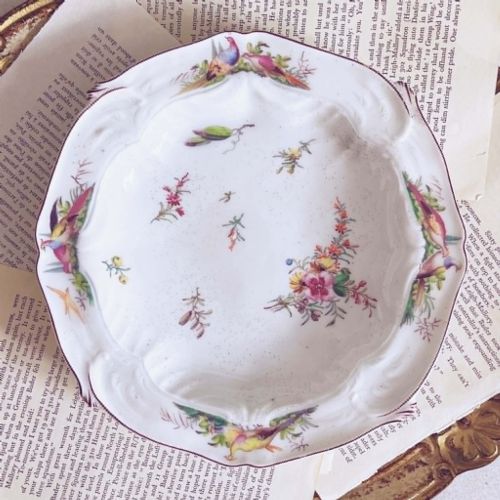
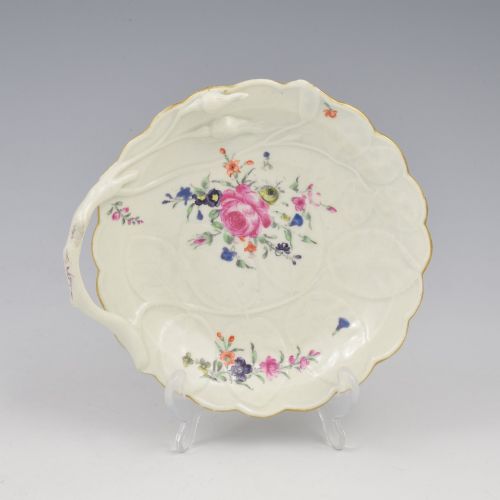
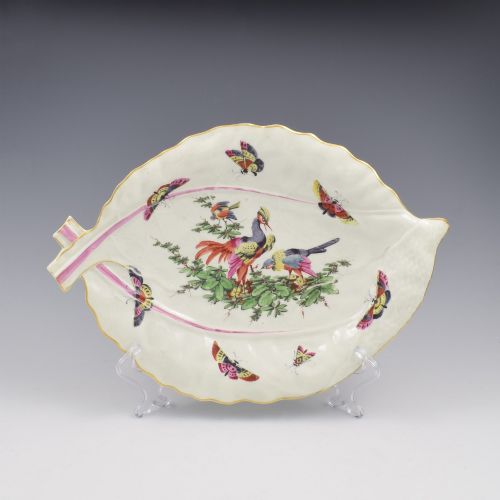
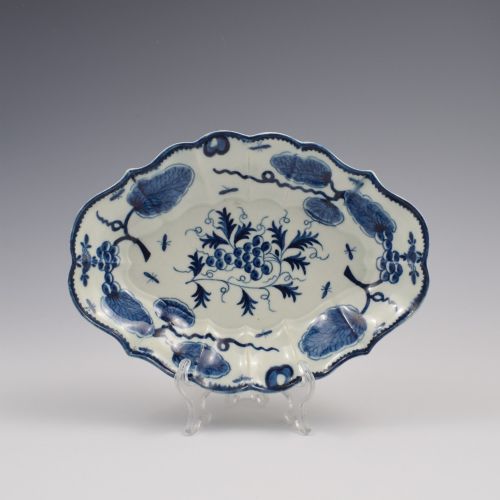
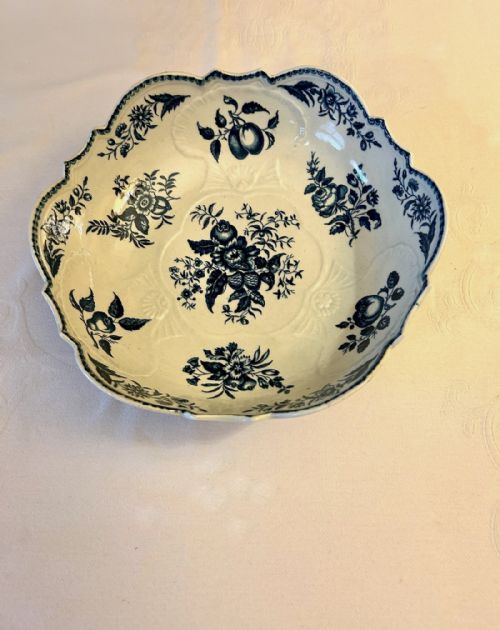
When you search for a moulded porcelain dish, you are looking at items designed for serving, sweetmeats, and table display. The examples on this page span the eighteenth century, the regency period, and earlier dynasties, taking forms such as leaf dishes, sweetmeat dishes, pickle dishes, and scallop shells.
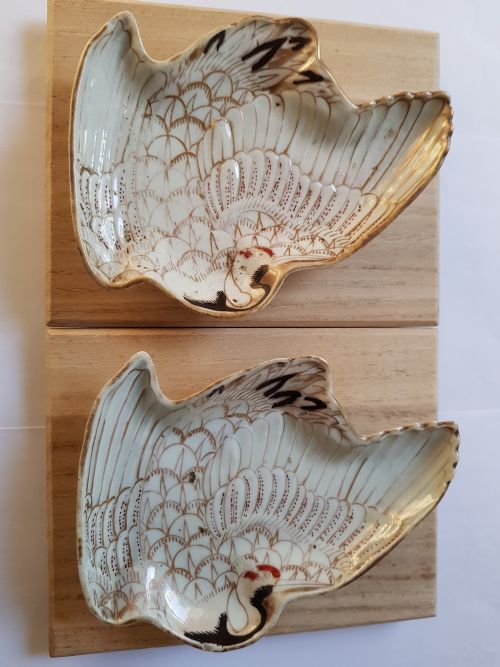
The selection ranges from english factories like worcester, chelsea, and ridgway to chinese qing and yuan dynasties, alongside japanese wares. These pieces appear in forms moulded in relief with floral scrolls, twin fish, and bird motifs.
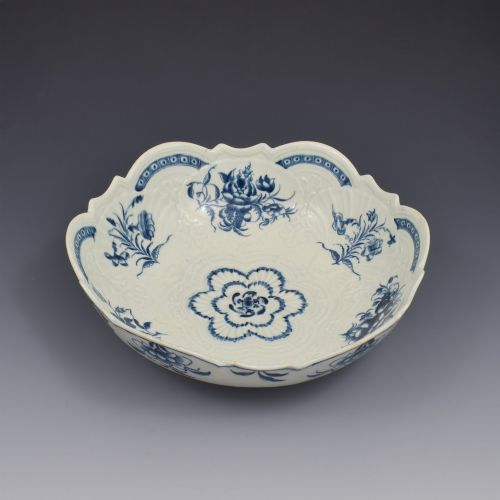
You will encounter pieces decorated in blue and white, polychrome enamels, and celadon glaze. Their shapes include serving dishes, dessert dishes, and decorative plates intended for display or dining tables.
How they were made
Makers shaped these items using soft-paste porcelain and standard porcelain, pressing the clay into moulds to create raised patterns such as leaves, shells, and floral scrolls. This technique produced crisp relief details on the surface before glazing and firing.
Decoration involved handpainted polychrome enamels, cobalt glaze, and iron red, black, and gold highlights. Some pieces also incorporated gold leaf applied over the glazed and fired body.
Listings feature porcelain from the eighteenth century, regency period, and earlier dynasties, utilising soft-paste porcelain, celadon glaze, and gold leaf.
What varies in quality
Quality rests in the crispness of the moulded relief and the control shown in the handpainting. Finer pieces display sharply defined botanical or animal motifs that integrate cleanly with the shape of the dish.
The application of enamel and glaze also distinguishes the range. Superior examples show even glazes and precise brushwork on polychrome or blue and white designs without blurring at the edges.
Chelsea Porcelain·Ridgway Porcelain
The Moulded Porcelain Dish Glossary
- Soft-paste porcelain
- A ceramic material composed of clay and glass frit, fired at lower temperatures than hard-paste porcelain. It produces a warm, slightly translucent body common in eighteenth-century english wares.
- Celadon glaze
- A transparent green or grey-green glaze applied over porcelain, often Crackle-patterned or uniform. It originates from long-standing traditions in chinese kilns.
- Sweetmeat dish
- A small vessel designed for serving sweet treats, nuts, or confectionery at a table. These often feature moulded divisions or delicate shell and leaf shapes.
- Junket dish
- A shallow bowl or dish used for serving junket, a curdled milk dessert popular in the eighteenth century. They frequently feature blue and white floral or fruit decoration.
- Cobalt glaze
- A deep blue mineral pigment applied under the glaze before firing. It reacts to high temperatures to produce rich blue tones seen in eighteenth-century porcelain.
Moulded Porcelain Dish: Frequently Asked Questions
What is a moulded porcelain dish used for?
These dishes served practical and decorative functions on historical dining tables, holding foods like pickles, sweetmeats, desserts, or small side dishes.
Over time, many were also kept purely for display in cabinets due to their intricate moulded designs and handpainted decoration.
How do I identify a dr wall worcester piece?
First period worcester pieces from the eighteenth century typically feature characteristic paste bodies, distinctive blue and white or polychrome bird and floral painting, and specific moulded forms like the blind earl pattern or leaf shapes.
Examining the foot rim and the tone of the porcelain helps separate these eighteenth-century items from later reproductions.
What does celadon mean on a dish?
Celadon refers to a distinct jade-green or grey-green glaze developed in china and used across various dynasties on heavily potted porcelain and stoneware bodies.
The glaze pools subtly in the recesses of moulded floral scrolls and twin fish motifs, accentuating the relief work underneath.
Are these dishes safe to use for food?
While these historical items were originally made for dining and serving, most owners today choose to display them rather than use them for meals.
Age, fragile soft-paste bodies, and delicate enamel or gold leaf decoration mean modern use can risk damaging the antique surface.