


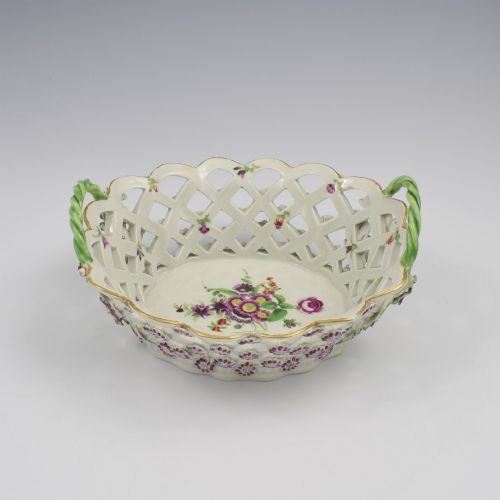
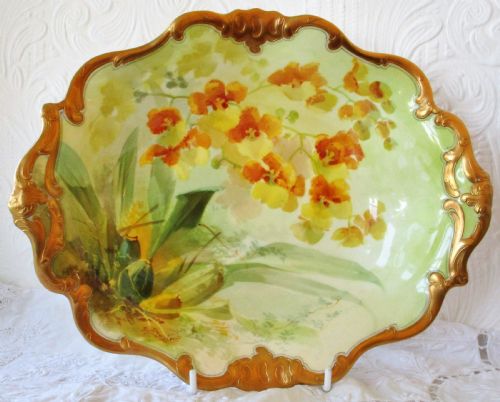
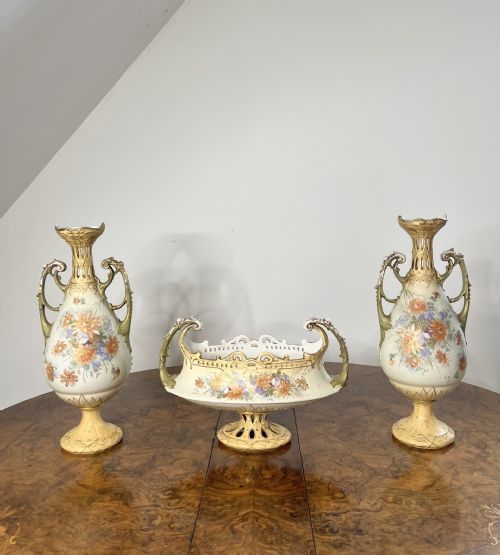
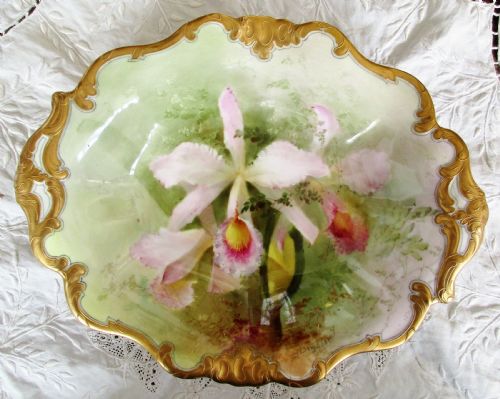
Floral Painted Porcelain Bowl
A floral painted porcelain bowl brings centuries of hand-painted botanical artistry and vibrant glaze work directly into your home.
Floral Painted Porcelain Bowl
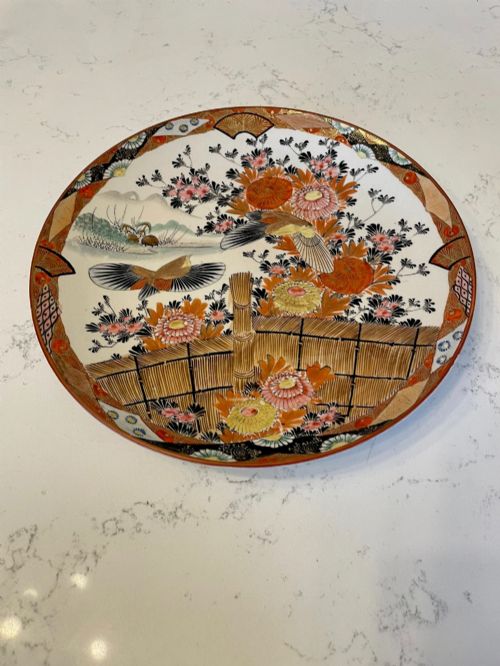
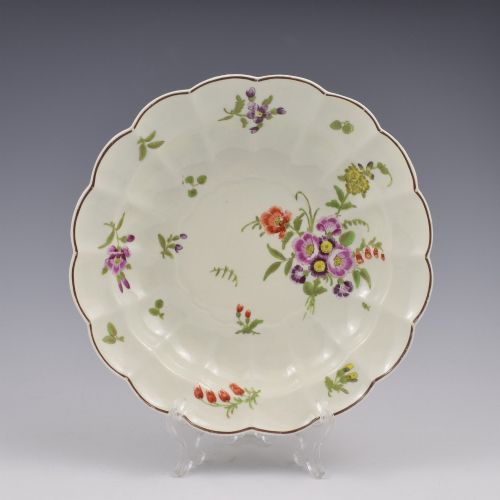
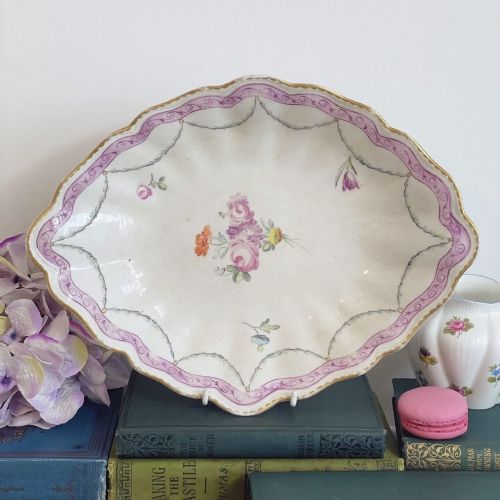
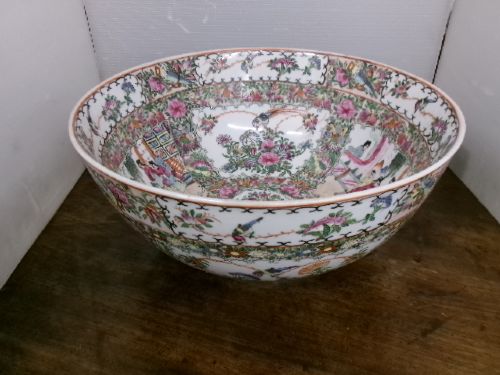
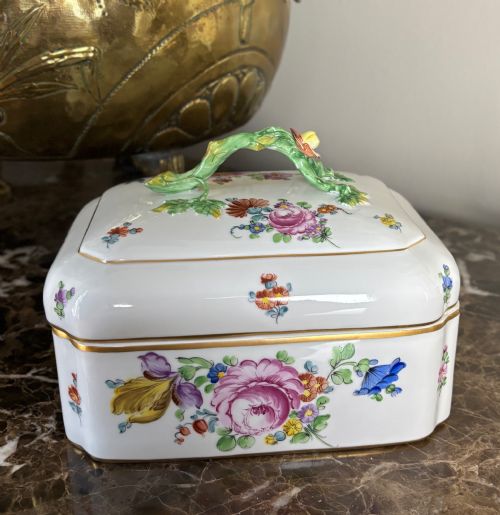
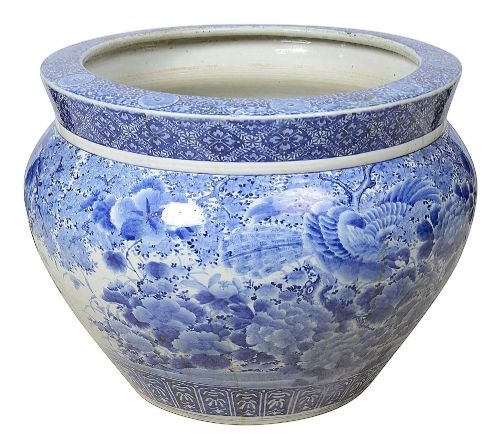
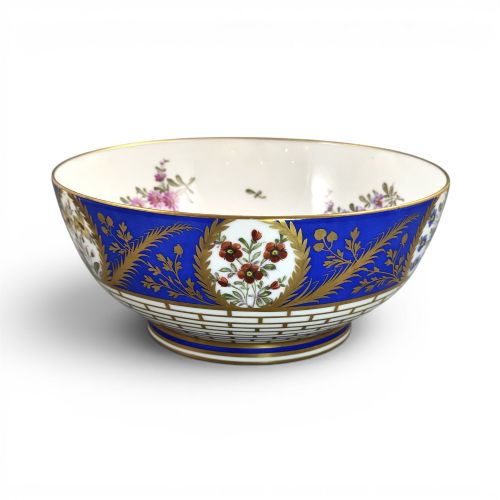
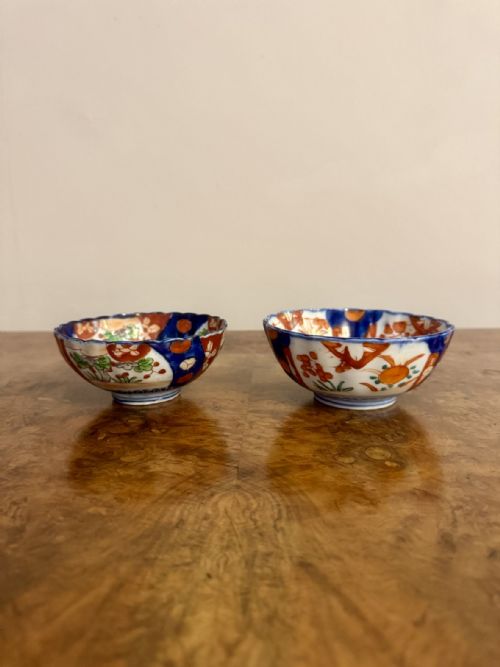
A floral painted porcelain bowl encompasses a diverse selection of antique tableware and decorative vessels originating from European factories and Japanese kilns. You will frequently encounter Japanese Imari bowls alongside eighteenth-century English porcelain dishes and nineteenth-century continental centrepieces.
The forms range from deep serving bowls and scallop-edged dishes to lidded potpourri vessels and cabinet plates. Most examples combine utilitarian forms with intricate botanical hand-painting executed across various historical periods.
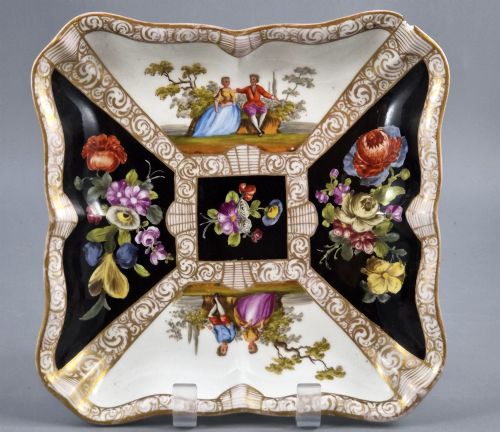
European pieces often display naturalistic British flora or formal Watteau scenes, whereas Japanese works utilise traditional Satsuma and Imari decorative schemes. Each piece reflects the specific ceramic traditions and aesthetic preferences of its origin.
How they were made
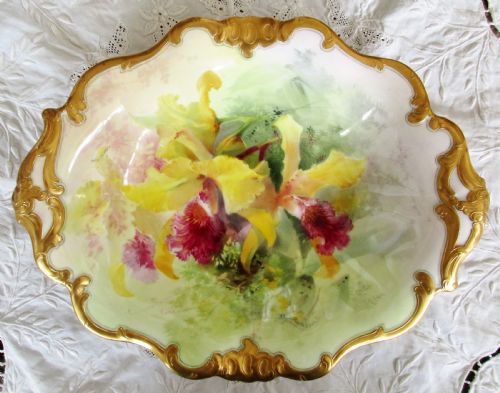
Makers shaped hard-paste or soft-paste porcelain before applying detailed polychrome enamel pigments by hand. Many workshops incorporated gold leaf and gilding to highlight rims, handles, and scalloped edges.
Firing techniques varied from high-temperature kiln processes used for Japanese cobalt blue and iron-red designs to delicate overglaze enamel painting on English and German domestic wares.
Several Victorian centrepieces feature cheerful porcelain cherubs clinging to the rims, apparently attempting to assist with the floral arrangements.
What varies in quality
The distinction between standard production wares and exceptional cabinet pieces lies in the precision and complexity of the hand-painted decoration. Finer items exhibit superior brushwork control, particularly in detailed botanical studies and figural scenes.
The application of gilding and the crispness of the porcelain moulding further separate ordinary vessels from masterworks produced by prominent European factories and Japanese artists.
Royal Doulton·Royal Worcester·Meissen
The Floral Painted Porcelain Bowl Glossary
- Soft-Paste Porcelain
- An artificial ceramic composition fired at lower temperatures than true porcelain. It produces a warm, creamy body common in eighteenth-century English factories.
- Imari
- A traditional Japanese style of porcelain decoration characterised by a palette of underglaze blue, iron-red, and gold. These pieces were widely exported during the Meiji period.
- Enamel
- Opaque vitreous material fused to the ceramic surface to create coloured designs. It is applied over the glaze and fixed with a secondary low-temperature firing.
- Gilding
- The application of gold leaf or powdered gold to ceramic surfaces. It accentuates rims and decorative borders on cabinet dishes and centrepieces.
Floral Painted Porcelain Bowl: Frequently Asked Questions
How do I care for antique porcelain?
Wash antique pieces by hand using lukewarm water and mild soap. Avoid dishwashers and harsh abrasive sponges to protect the delicate hand-painted enamel and gold leaf.
Store bowls securely on stable surfaces away from direct sunlight. Sudden temperature changes can stress old ceramic bodies, so keep them in climate-controlled rooms.
Were these bowls used daily?
Many eighteenth and nineteenth-century vessels served practical functions at dining tables for soups, desserts, and serving dishes. Others were purely decorative cabinet pieces meant for display.
Over time, utilitarian wares transitioned into decorative objects as households preserved fragile ceramics. Examining the interior surface wear helps indicate whether a piece saw active service.
How do I identify eighteenth-century pieces?
Early pieces often feature unglazed foot rims and soft-paste ceramic bodies that feel slightly warmer to the touch. Hand-painted underglaze blue marks and distinctive factory styles provide further clues.
Consulting period documentation and comparing paste textures against known factory standards helps confirm dating. Variations in potting techniques clearly separate Georgian items from later nineteenth-century manufacturing.
What is Japanese Imari porcelain?
Japanese Imari porcelain is characterised by distinctive cobalt blue and iron-red motifs enriched with gold accents. These wares were produced in Arita and exported in large quantities.
Meiji period examples refined these traditional palettes with varied scalloped edges and intricate panel designs. They remain instantly recognisable among antique ceramic collections.