
Georgian Watercolour Artwork
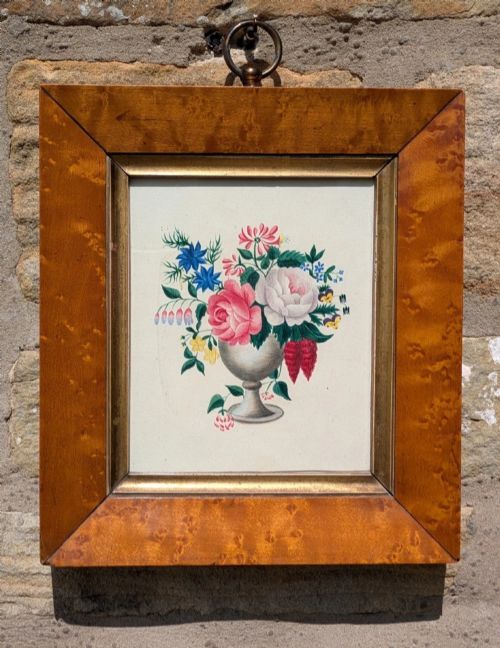
Georgian watercolour artwork brings delicate botanical studies, classical scenes and portraits on paper into the home.
Georgian Watercolour Artwork
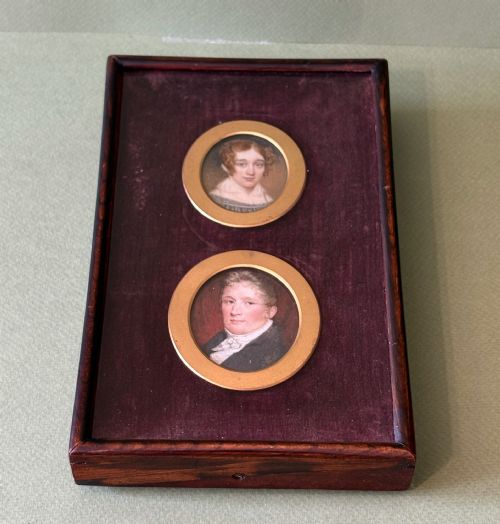
Georgian watercolour artwork captures the refined artistic output of the eighteenth and nineteenth centuries, spanning intimate portrait miniatures and detailed landscapes. Buyers encounter works executed on paper, often framed in wood or giltwood alongside glass protection.
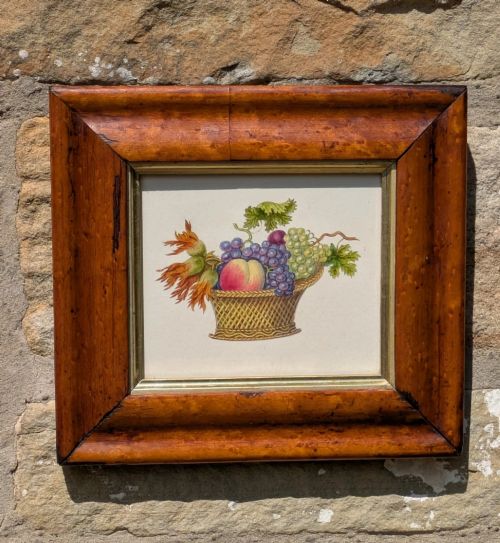
The material ranges from simple pencil and watercolour sketches to complex cut-paper silhouettes and botanical studies. Pieces emerge from British and continental European schools, reflecting Regency and neoclassical sensibilities.
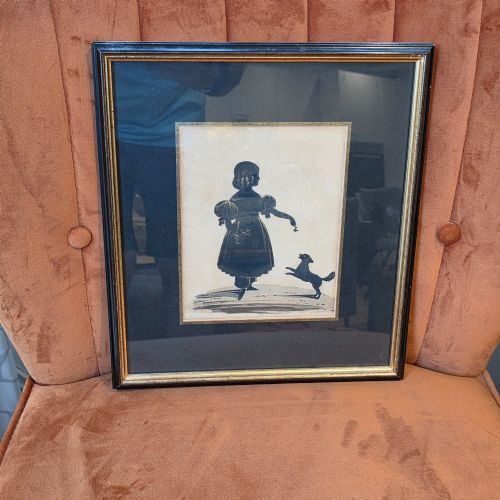
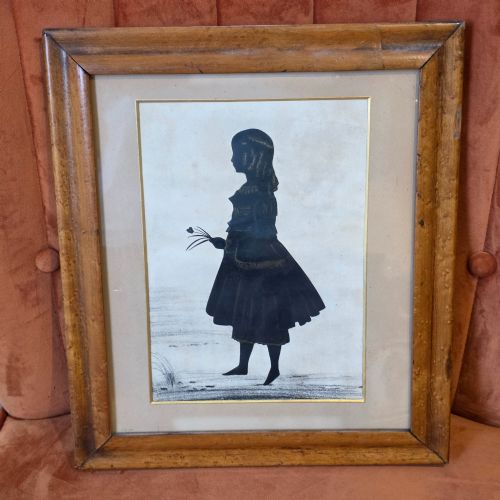
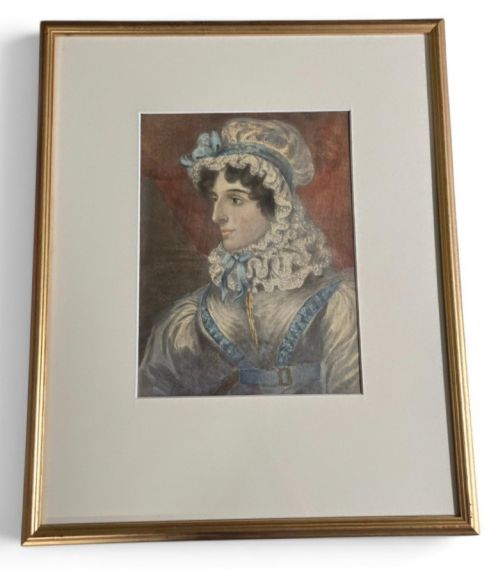
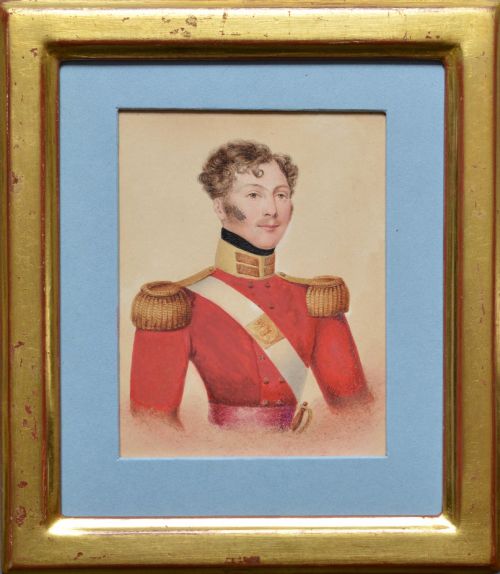
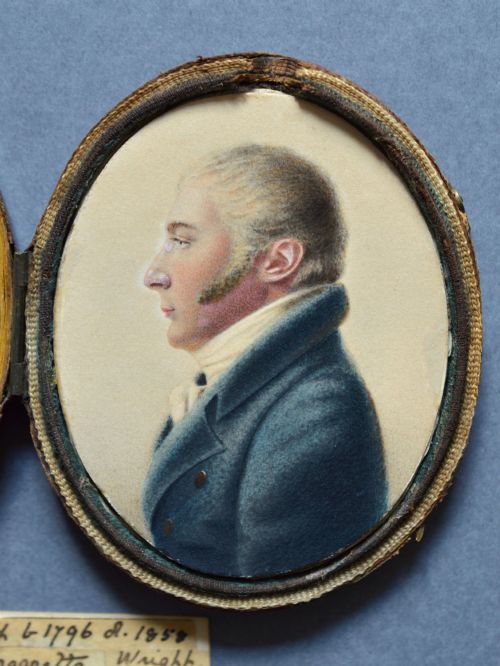
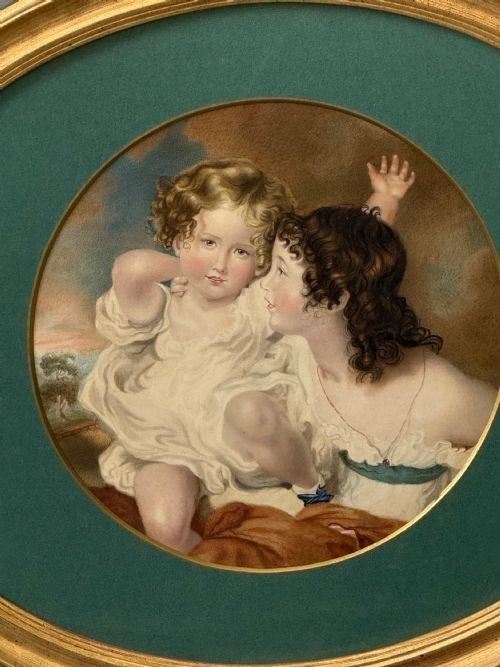
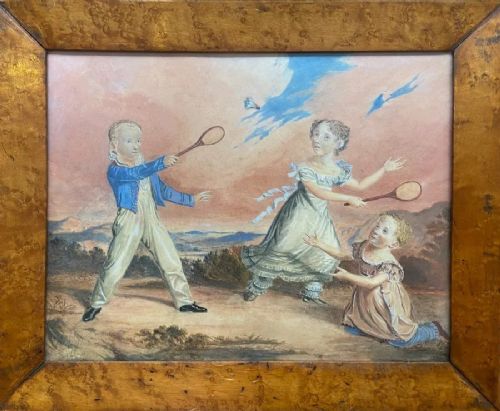
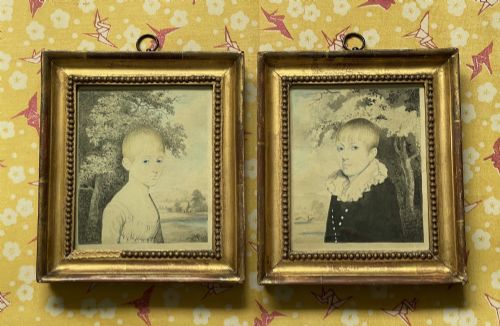
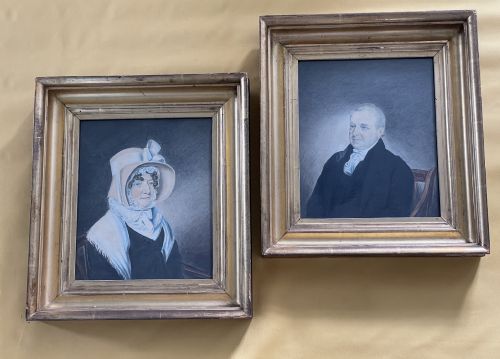
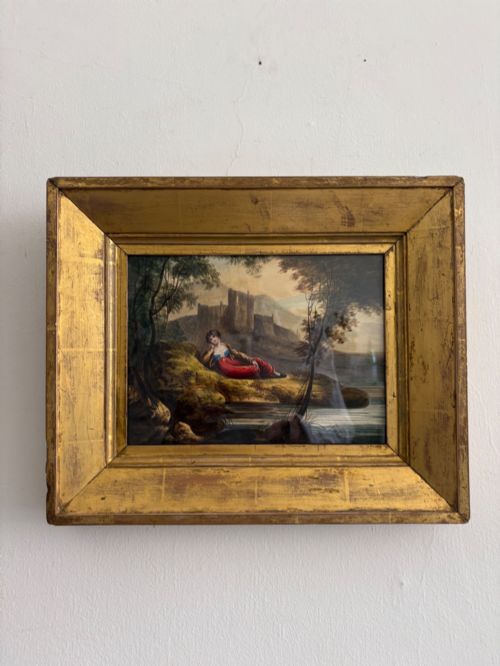
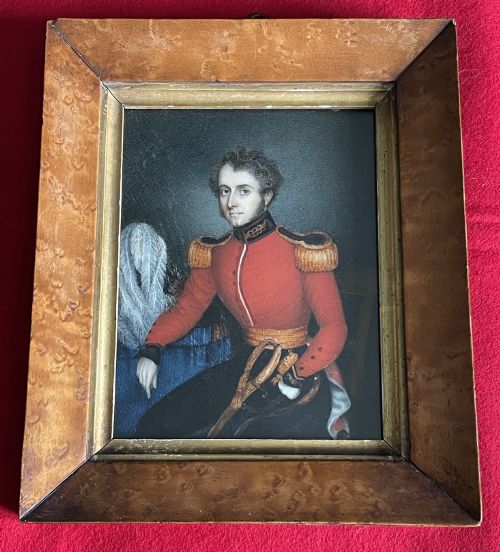
Portraits of officers, children and ladies dominate the selection, alongside maritime scenes and classical compositions. Works appear individually or in pairs, preserving domestic and military histories on delicate paper supports.
How they were made
Artists built these compositions upon fibrous paper using water-soluble pigments combined with ink and pencil sketching. Fine brushes applied translucent washes of watercolour to achieve subtle tonal gradations and skin tones in portrait miniatures.
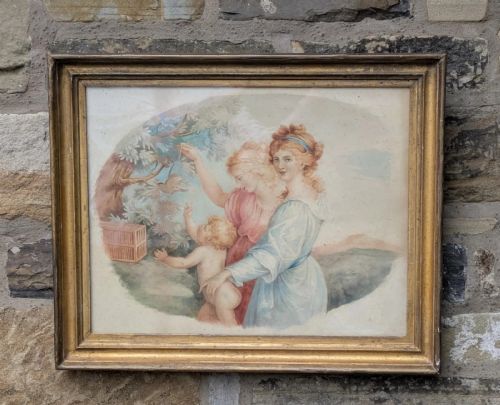
Makers integrated cut-paper silhouettes and pencil outlines to add depth and texture to figures. Framing relied on wood, ebonised surrounds and giltwood accented with gold leaf.
Miniature works required exceptional precision under magnifying lenses, while larger landscape and botanical watercolours captured expansive atmospheric effects through layered washes.
Listings feature paper, glass, wood, giltwood, and gold leaf supporting works from the eighteenth to twentieth centuries.
What varies in quality
The preservation of the paper support and the vibrancy of the original watercolour pigments determine longevity and visual impact. Intact framing, whether original giltwood or ebonised wood, preserves the historical context.
Attribution to documented artists or recognised schools elevates the significance of a piece above anonymous works. The complexity of the subject matter, such as multi-figure compositions or detailed costume overlays, demonstrates superior technical ambition.
William James Hubard·Edward Bradford·Thomas John Horsley·Henry Travis·George Kilburne·Frederick Buck·Albin R Burt·Edward Dayes·Francis Wheatley·J Laporte·John Augustus Atkinson·William Egley·William Andrews Nesfield·Samuel Owen
The Georgian Watercolour Artwork Glossary
- Watercolour
- A painting method where the paints are made of pigments suspended in a water-based solution. This medium allows for translucent washes and delicate layering on paper.
- Portrait miniature
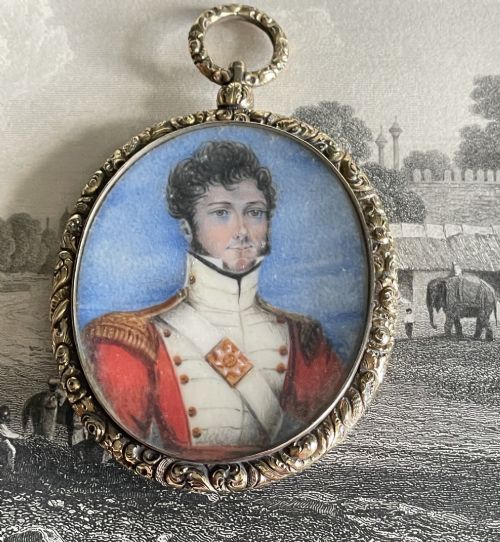
- A small-scale painted likeness executed with fine detail. These portable works frequently depict family members or military officers.
- Silhouette
- An image representing the outline of a subject, usually filled in solid black. Some examples incorporate cut paper and watercolour detailing.
- Giltwood
- Wood carved and covered with a thin layer of gold leaf or gold paint. This material frames many antique paper works.
- Neoclassical
- An artistic style inspired by the art and culture of classical antiquity. It appears frequently in Georgian and Regency compositions.
Georgian Watercolour Artwork: Frequently Asked Questions
How should I frame and display these watercolours?
Display these works away from direct sunlight to prevent the watercolour pigments and paper from fading over time. Professional framing with UV-protective glass ensures the delicate medium remains stable against environmental changes.
Keep pieces in rooms with stable humidity levels to protect the paper support and wooden frames. Secure hanging hardware safely to support the weight of giltwood surrounds.
Were these watercolours intended for display?
Many portrait miniatures and framed artworks were created to adorn domestic parlour walls or sit upon intimate surfaces. Families commissioned likenesses to record lineage, marriages and military service.
Larger landscapes and botanical studies served as educational decoration or records of grand tours. They reflected the refined tastes of collectors during the Georgian and Regency eras.
How do I identify a Regency period piece?
Regency watercolours often feature distinct costume details, neoclassical motifs and specific palette choices popular during the early nineteenth century. Portrait subjects wear characteristic high-waisted dresses or military uniforms of the era.
Framing materials and paper watermarks can provide further chronological clues when dating an artwork. Stylistic links to known Regency artists help confirm the period.
What is a cut-paper silhouette?
A cut-paper silhouette involves precision cutting of black or dark paper to form a profile portrait or scene. Makers frequently mounted these cutouts onto light backgrounds and enhanced them with watercolour.
This technique required immense dexterity and served as a popular precursor to modern photography. Examples often include ink highlights and handwritten sitter details.