
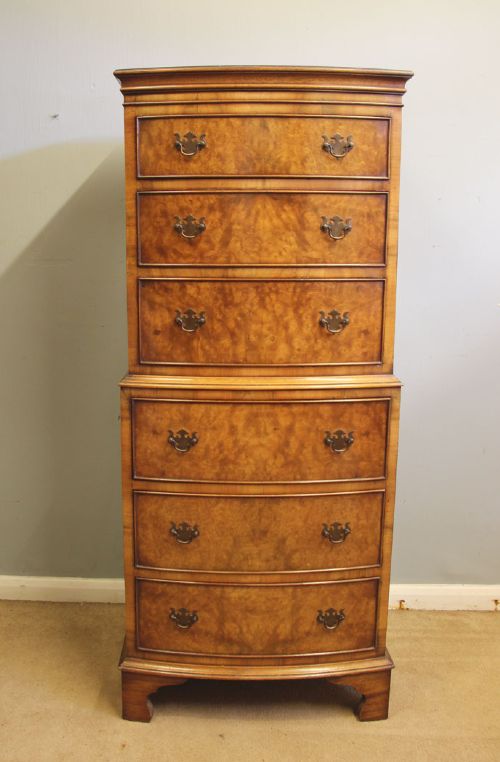
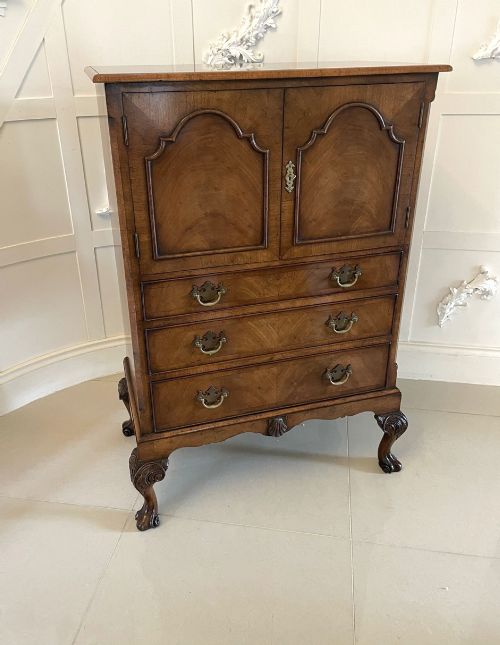
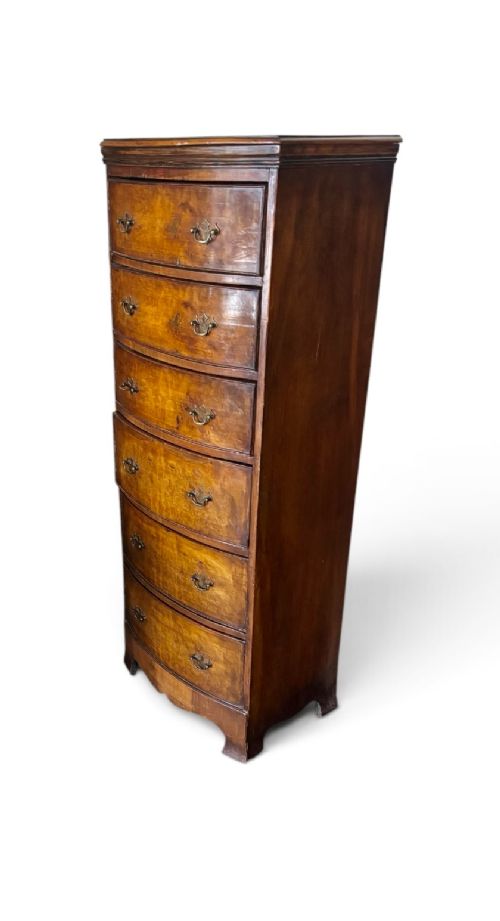
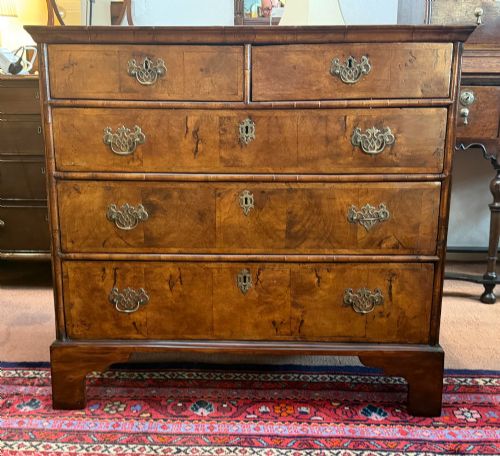
Georgian Walnut Tallboy Chest
When you search for a georgian walnut tallboy chest, you seek towering storage built from rich timber during the eighteenth century or its later revivals.
Georgian Walnut Tallboy Chest
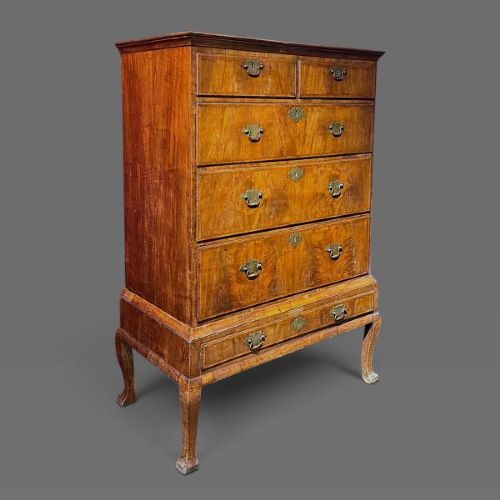
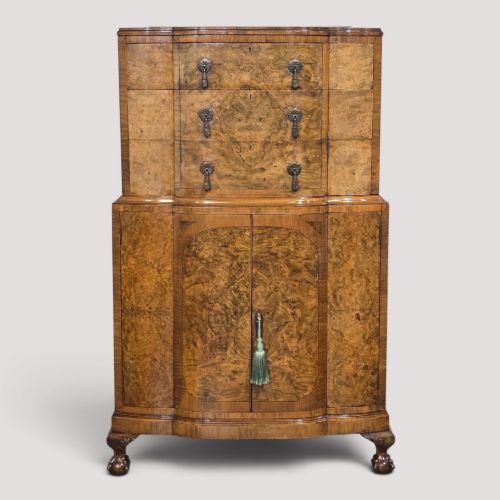
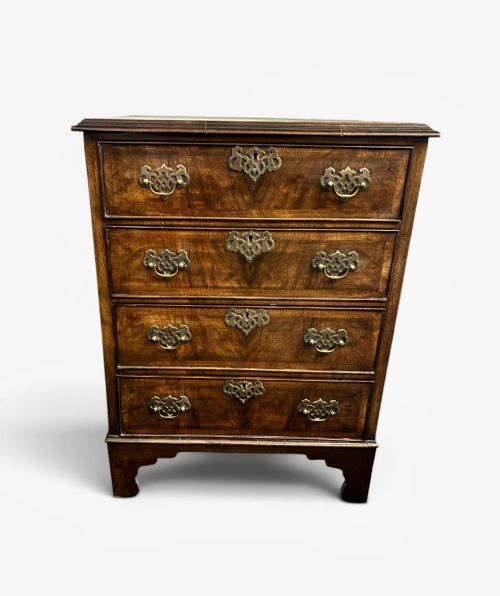
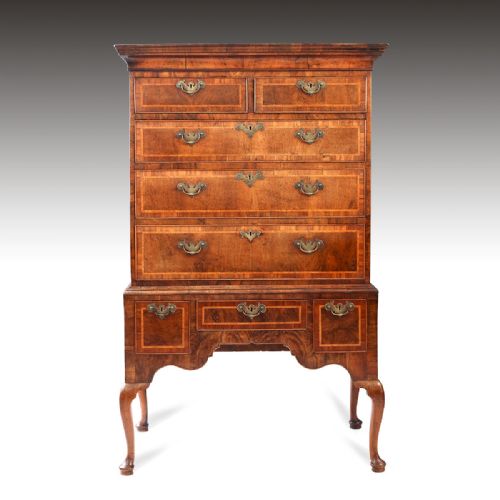
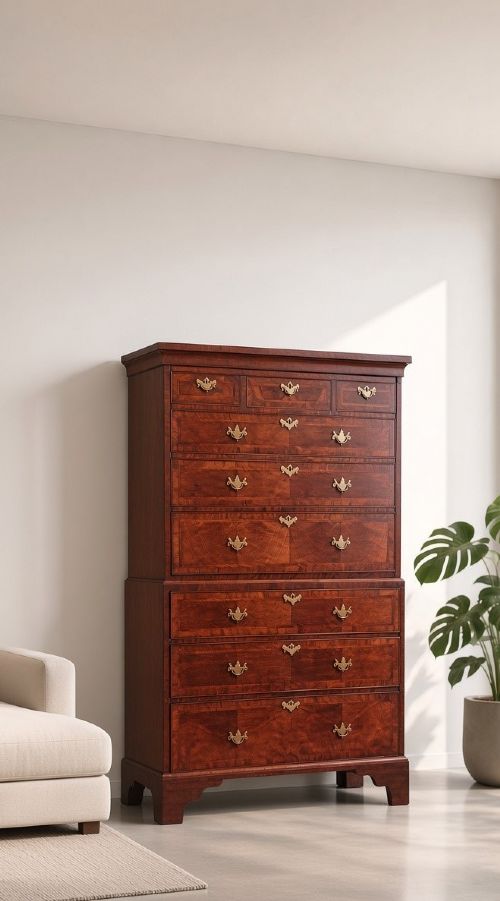
A georgian walnut tallboy chest is a vertical storage piece combining multiple drawers, often split into two stacked sections or raised on a dedicated stand. These forms range from early eighteenth-century Queen Anne and George I originals to twentieth-century revivals.
The most common examples encountered here pair tall proportions with practical drawer arrangements, utilising upper and lower carcases that offer significant capacity within a compact floor footprint.
Assessing the grade and finish
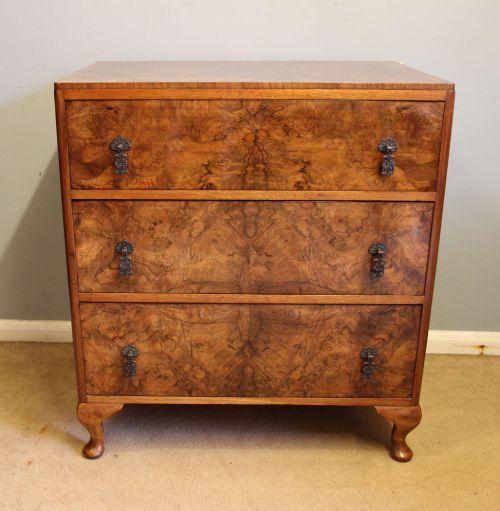
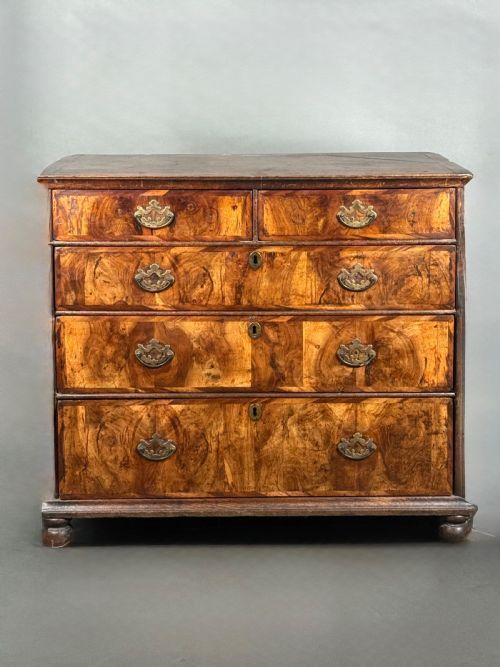
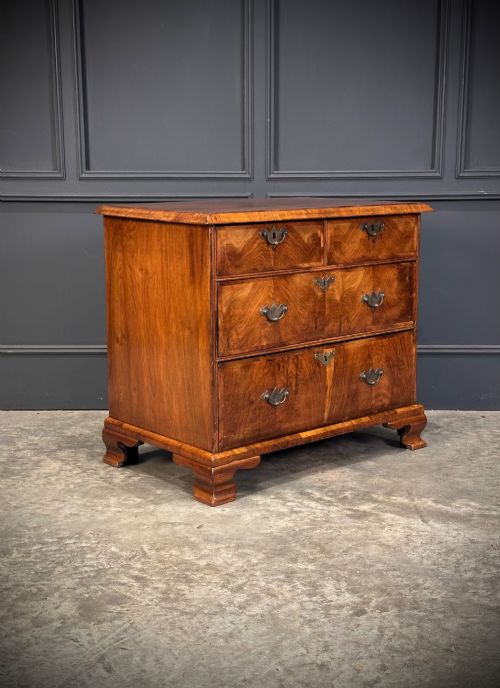
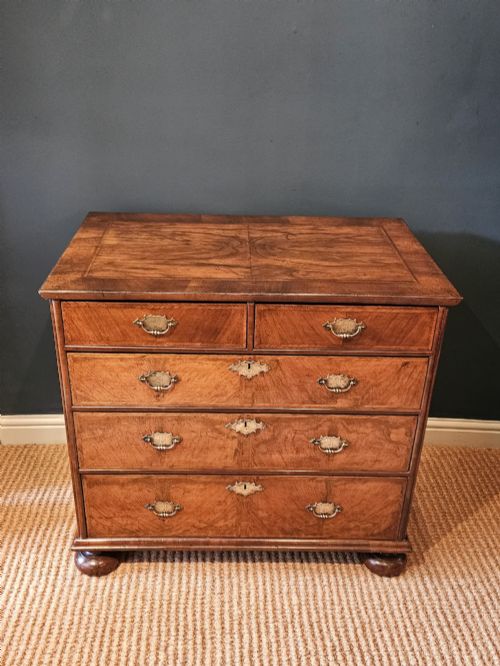
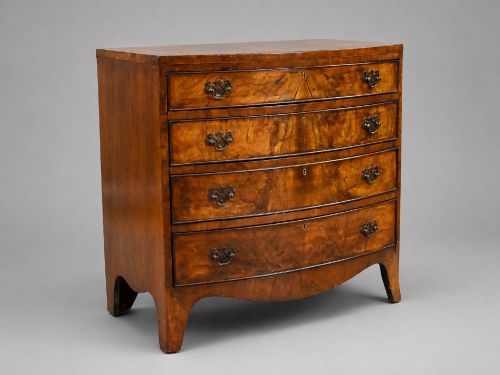
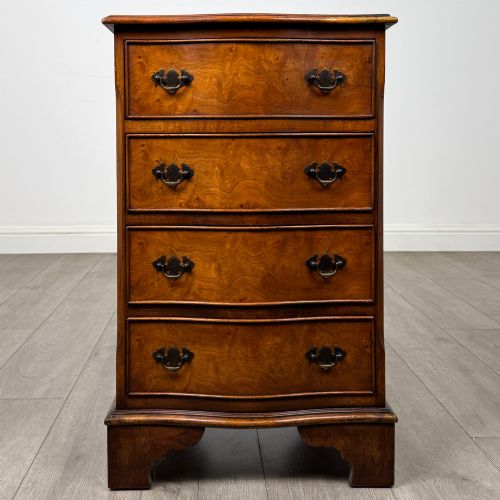
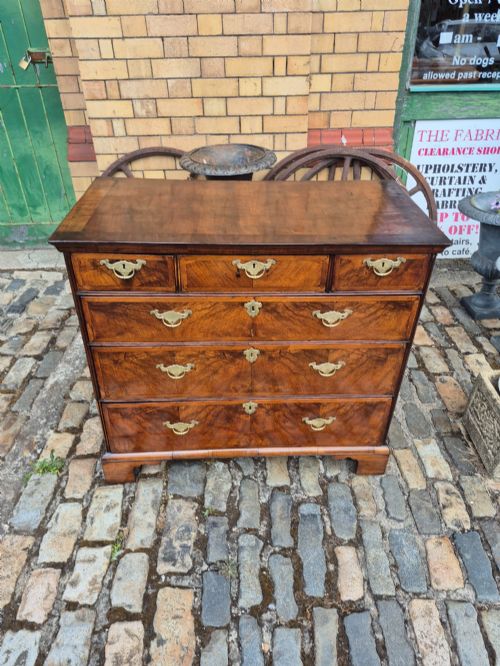
Quality depends heavily on the choice of timber figure, where tightly patterned burr walnut or matched figured walnut veneers elevate the visual impact of the facade. The precision of decorative banding and the retention of original brass fittings further separate standard examples from finer commissions.
Proportion and execution also define the upper tier, noting how cleanly the upper and lower sections meet and how smoothly the drawers operate within their housings.
Some tallboys hide secret compartments behind upper cornices, offering concealed spaces for private letters and valuables.
The Georgian Walnut Tallboy Chest Glossary
- Tallboy
- A tall chest of drawers, typically constructed in two stacked sections where a smaller set sits atop a larger base. This vertical format maximises storage capacity while saving floor space.
- Chest on Stand
- A chest of drawers raised on short or elongated legs connected by peripheral stretchers. This form lifts the main storage body off the ground to lighten its visual weight.
- Burr Walnut
- Timber sliced from walnut tree growths or burls, producing highly swirled, organic patterns. Cabinet makers prized this veneer for principal display surfaces.
- Herringbone Banding
- Narrow strips of veneer laid in alternating diagonal patterns to frame drawer perimeters. It adds geometric contrast to the figured background timber.
- Veneer
- Thin slices of decorative wood applied to a stable secondary timber carcase. This technique allowed craftsmen to utilise striking grain patterns economically.
Georgian Walnut Tallboy Chest: Frequently Asked Questions
What is a tallboy?
A tallboy is a vertical chest of drawers, historically designed to provide generous storage capacity without taking up excessive floor space in a bedchamber.
Most examples stack one chest directly on top of another, creating a distinct two-part silhouette that separates the upper and lower drawer sections.
How do I spot an original eighteenth-century piece?
Original eighteenth-century pieces display construction methods appropriate to the period, including hand-cut dovetails, timber linings of oak or pine, and authentic patination on the walnut surfaces.
Reviewing the interior drawer construction and the integration of the veneer work helps distinguish early period pieces from later twentieth-century revivals.
Where should I place a tallboy?
Because of their vertical proportions, tallboys suit rooms with high ceilings where floor space is limited, such as a hallway, bedroom, or dressing area.
Ensure there is sufficient clearance around the piece to open drawers fully and to appreciate the grain patterns on the front panels.
What distinguishes a chest on stand?
A chest on stand elevates the primary storage drawers upon a distinct base frame supported by legs rather than resting directly on a lower drawer carcase.
This lighter architectural format creates an airy profile beneath the main storage compartment, often featuring cabriole legs and stretchers.