

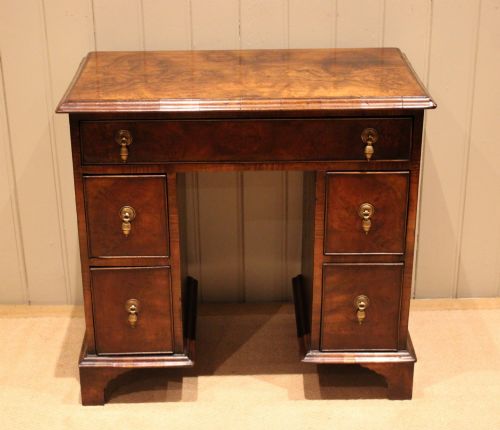
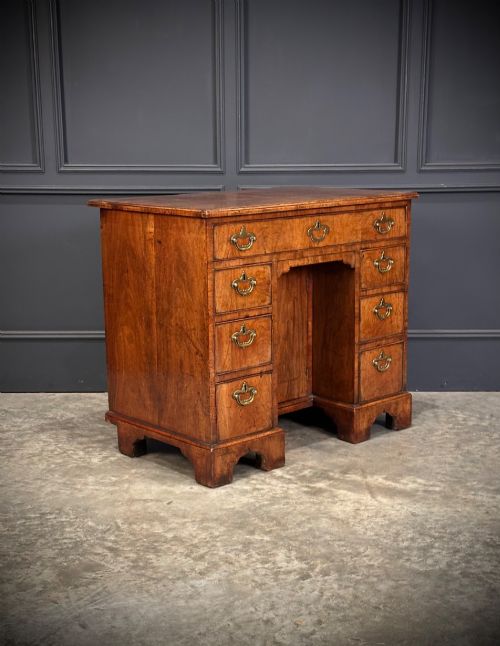
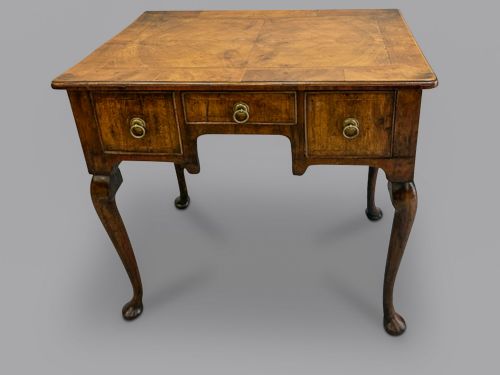
Georgian Walnut Dressing Table
A georgian walnut dressing table brings rich timber grain and classic proportions to a bedroom, offering a functional surface with historical depth.
Georgian Walnut Dressing Table
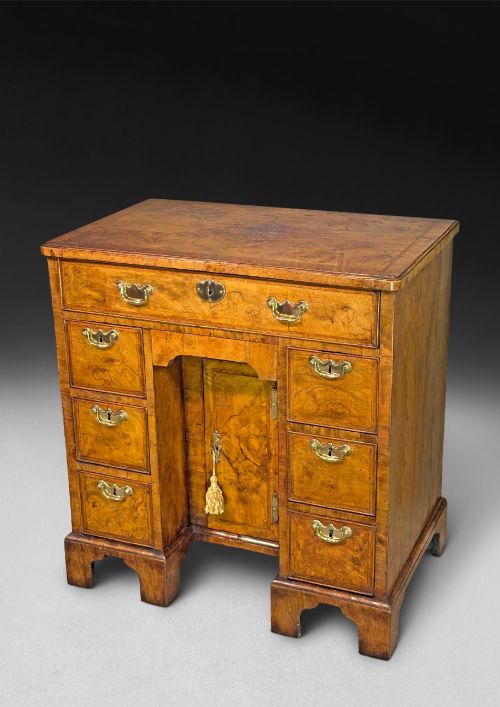
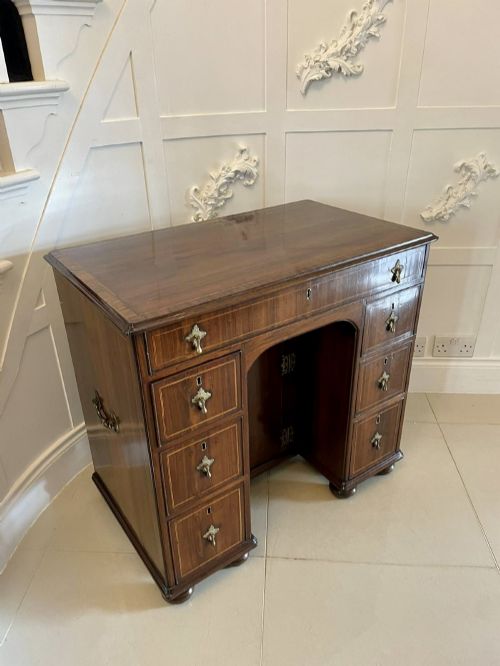
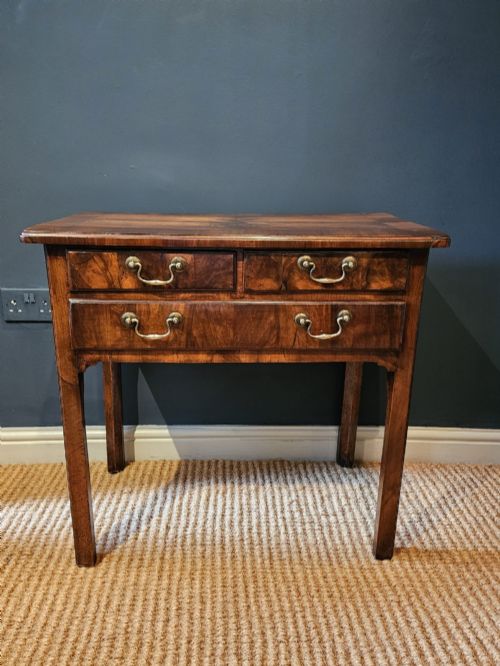
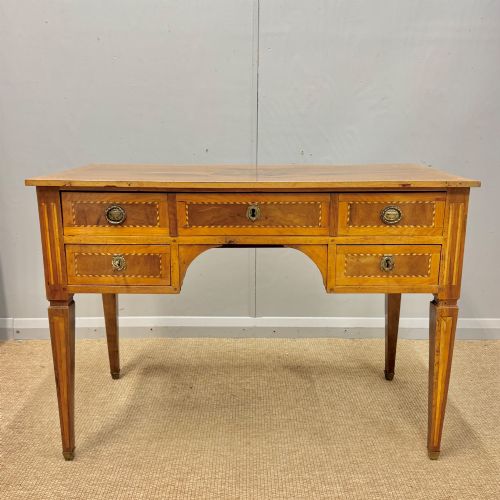
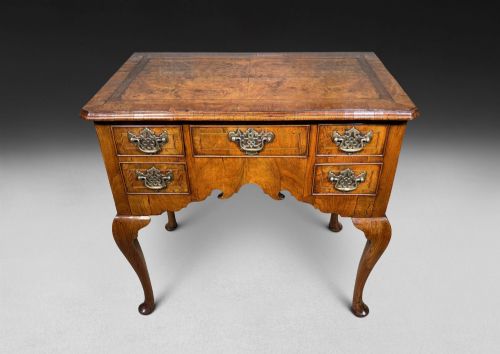
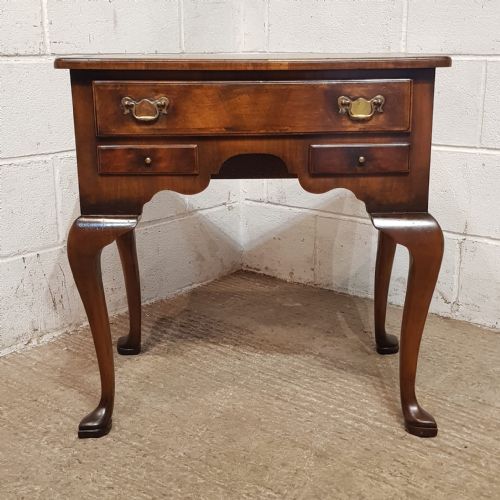
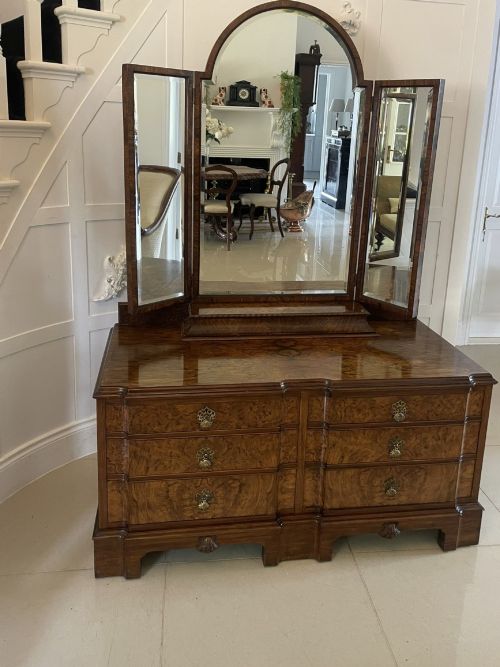
The versions most frequently met on this page span the 18th century, Georgian periods, and later revivals from the 1920s and 1930s. These pieces often blur the line between writing desks, lowboys, and dressing tables through shared drawer configurations and diminutive proportions.
How they were made
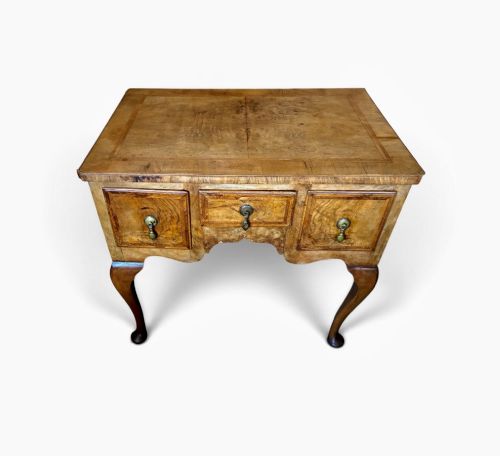
Cabinet makers utilised solid walnut, burr walnut veneers, and fiddleback figures laid over secondary woods like oak, supported by brass hardware and leather writing inserts. Construction relies on precise dovetail joints for drawers and pegged mortise and tenon frames for legs.
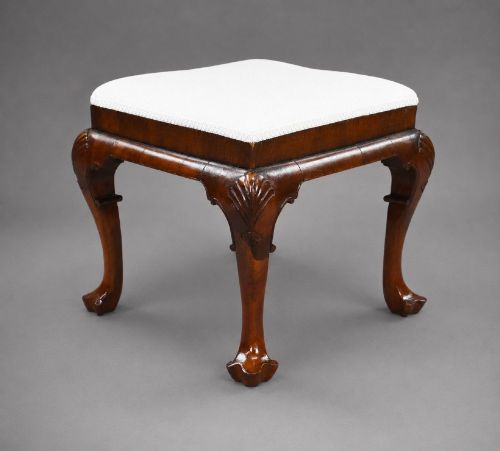
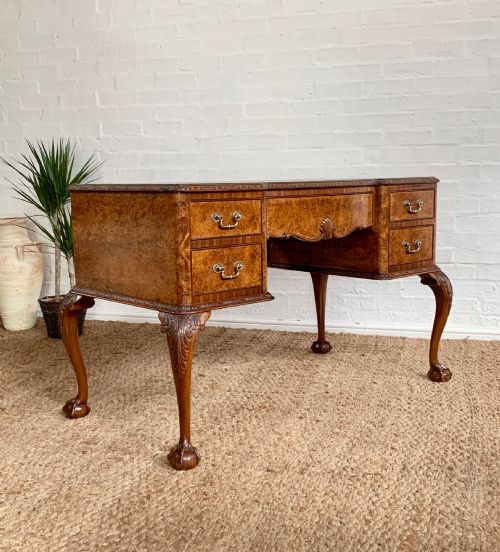
Surfaces feature figured grain patterns arranged symmetrically, while smaller items incorporate mirror glass and textile linings. Makers shaped cabriole legs and serpentine fronts to create fluid silhouettes typical of early periods.
Georgian Walnut Dressing Table Retail Price Guide 2026
Typical asking prices for georgian walnut dressing table among the pieces listed under this phrase on Sellingantiques today, from the lower quarter to the upper quarter. They describe what is for sale here now, not the wider market.
Listings feature walnut, burr walnut, oak, and brass across pieces dated from the eighteenth century to the 1930s.
What varies in quality
The standard of a piece rests upon the selection of timber, with highly figured burr walnut and fiddleback veneers commanding greater visual depth than plain boards. The dexterity of the cabinet maker shows in the crispness of carved details on cabriole legs and the tightness of the drawer dovetails.
Originality of the brass handles, mirror plates, and secondary timbers dictates the integrity of the piece. Later revivals from the twentieth century display different construction markers compared to eighteenth-century originals while maintaining traditional forms.
Maples of London
The Georgian Walnut Dressing Table Glossary
- Lowboy
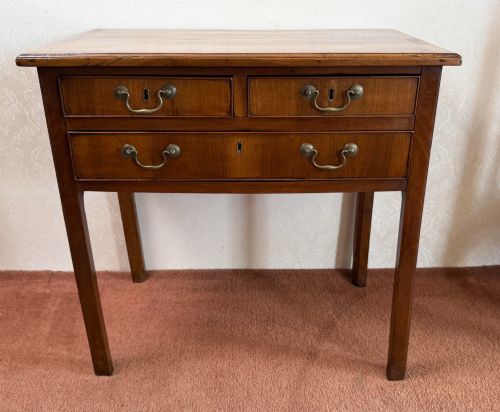
- A small table with drawers, typically used as a dressing table or side table in the eighteenth century.
- Kneehole desk
- A desk featuring a central recess for the legs flanked by columns of small drawers.
- Burr walnut
- Timber taken from a tree growth that yields intricate, swirling grain patterns highly prized for veneer.
- Toilet mirror
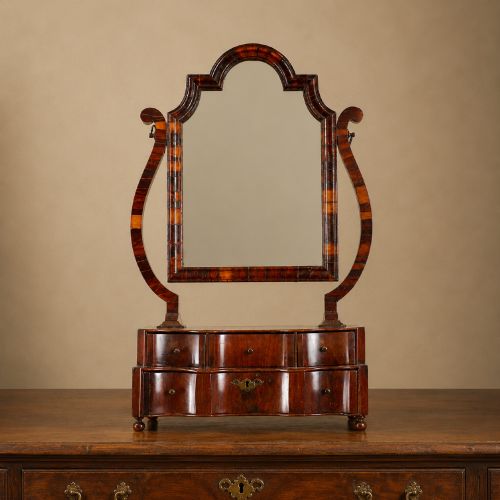
- A small adjustable mirror mounted on a miniature frame or drawer base, historically placed on a dressing table.
- Cabriole leg
- A furniture leg that curves outward and then tapers inward, ending in a pad or foot.
Georgian Walnut Dressing Table: Frequently Asked Questions
What is a lowboy used for?
A lowboy functions as a compact table with drawers, originally utilised for grooming or writing in bedchambers. Their modest size allows them to sit easily in modern hallways or living rooms as accent pieces.
Over time, owners have adapted them as small dressing tables or sideboards depending on the room layout.
How do I tell an original from a revival?
Original pieces from the eighteenth century show hand-cut dovetails, period timber shrinkage, and appropriate secondary woods like oak. Revivals from the twentieth century often display different internal construction methods and machine-cut elements.
Examining the underside and drawer linings reveals the tooling marks left by the cabinet maker.
What is burr walnut?
Burr walnut comes from a growth on the walnut tree where grain grows in a deformed, swirling pattern. Cabinet makers slice this timber into thin veneers to create decorative surfaces on furniture facades.
This material provides striking visual movement across dressing table drawers and desk tops.
Were these tables used for writing?
Many kneehole desks and lowboys served dual purposes for correspondence and personal grooming. Some examples feature integrated leather writing surfaces and compartments designed for ink and paper.
Their flexible dimensions suited multiple domestic tasks in historic homes.