

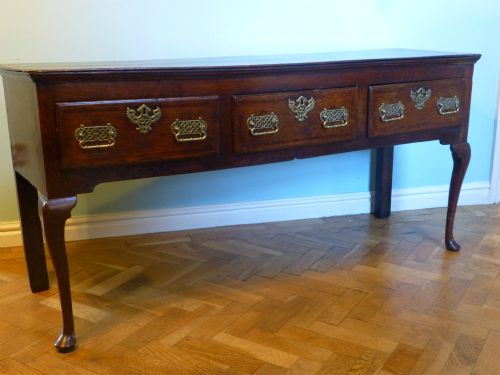
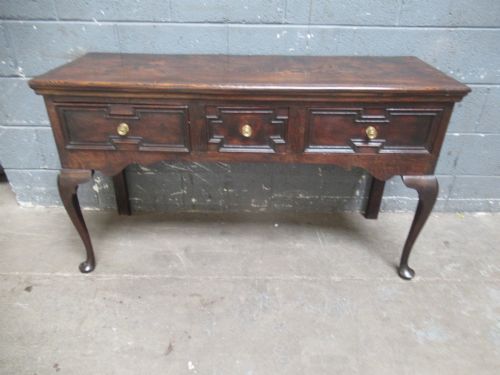

Georgian Three Drawer Lowboy
A georgian three drawer lowboy is a compact, elegant table built for storage and writing, highly prized for its versatility in period interiors.

Georgian Three Drawer Lowboy
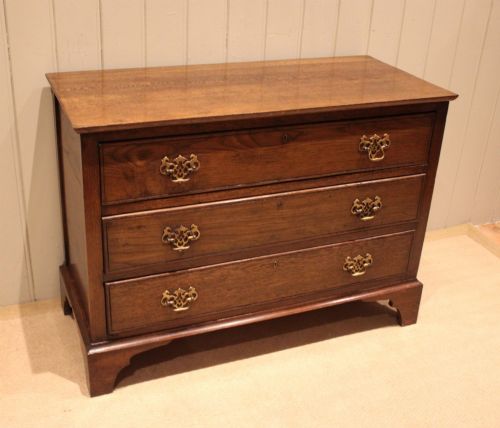
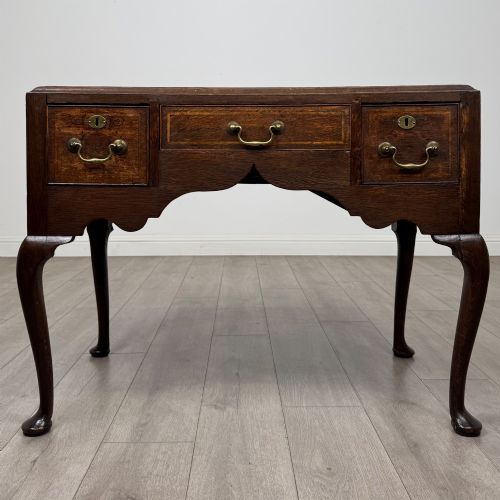
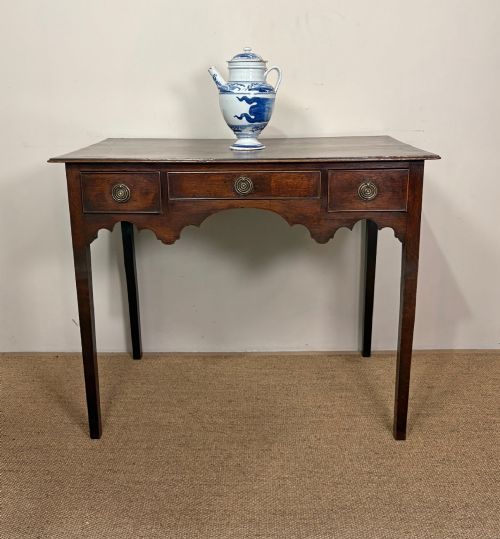
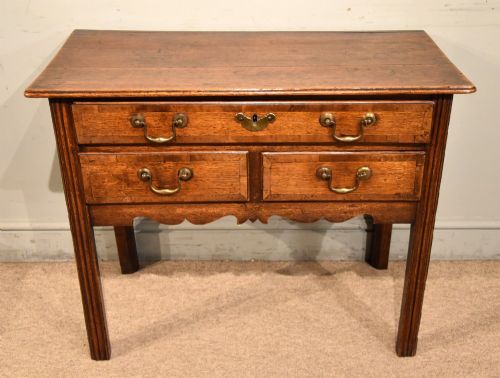
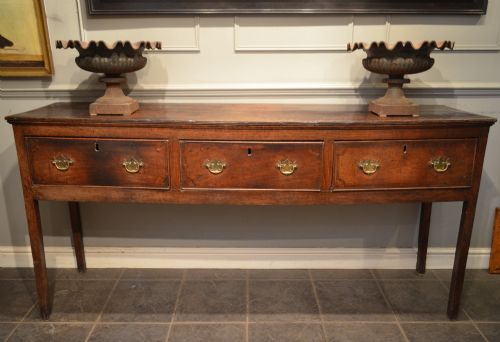
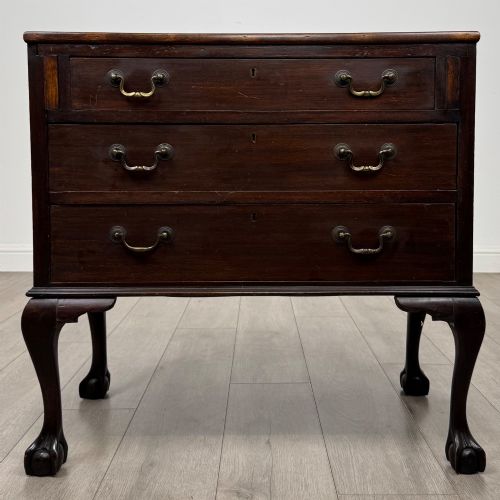
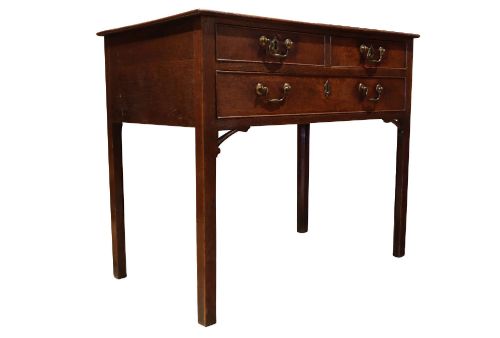
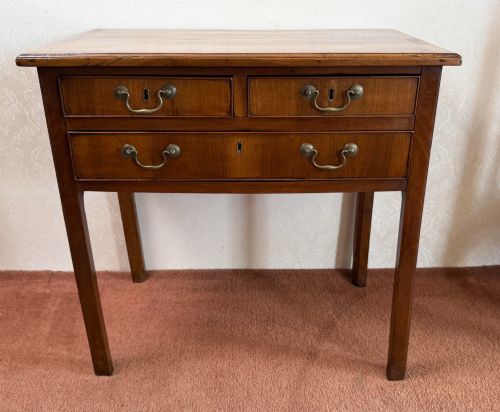
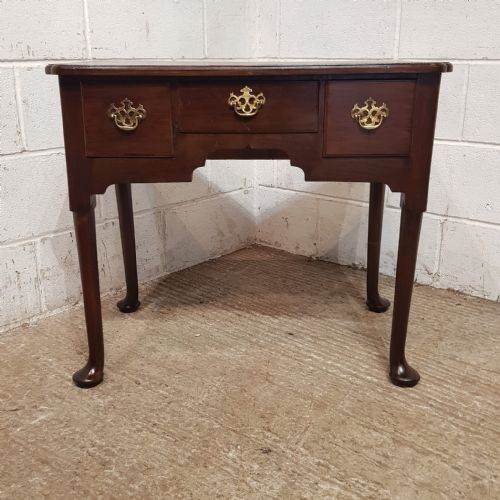
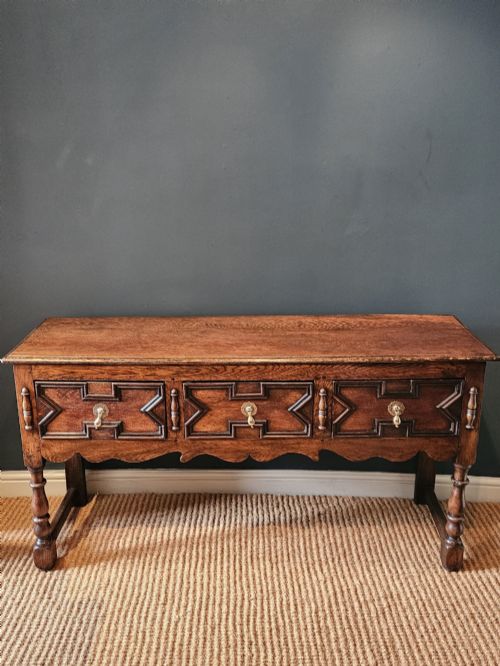
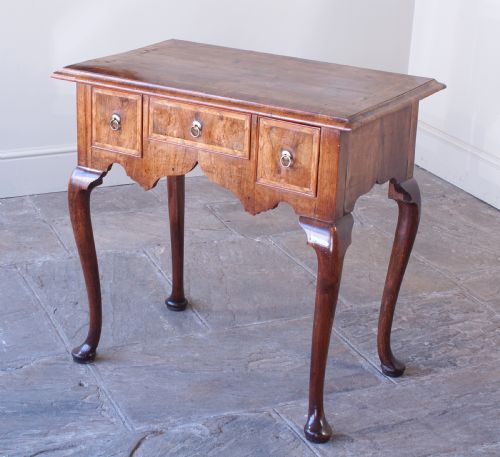
A georgian three drawer lowboy is a low side table typically fitted with a configuration of three drawers beneath a rectangular top. These pieces functioned as dressing tables, writing desks, or side servers in domestic rooms.
The versions most commonly met on this page date from the eighteenth century, constructed primarily in oak, mahogany, and walnut with stylistic influences spanning the George I, George II, and George III periods.
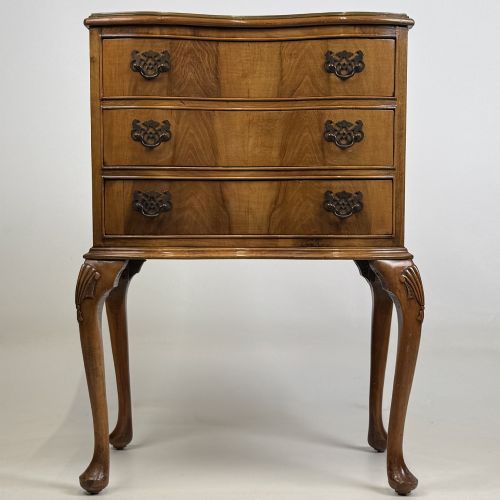
Alongside authentic eighteenth-century examples, buyers will also encounter later revival pieces from the nineteenth and early twentieth centuries built in similar traditional forms.
How They Were Made
Cabinet makers utilised dense domestic timbers such as oak, mahogany, and walnut, frequently incorporating burr walnut, fruitwood, and plum wood veneers for decorative surfaces.
Construction techniques relied on traditional joinery, including dovetail joints for the drawers and pegged mortise and tenon frames, complemented by feather banding and boxwood stringing.
Hardware typically consisted of cast brass drop handles and drawer pulls, sometimes mounted on pierced backplates, secured to the timber facade.
Some eighteenth-century drawers are so tightly fitted they act as miniature bellows, puffing dust at your ankles when shoved home too quickly.
What Varies In Quality
The standard of a georgian three drawer lowboy is judged by the selection and figuring of the timber, particularly where choice veneers or solid exotic woods are employed.
Refinement in leg formation, such as crisp carving on cabriole legs or slender proportions in straight supports, distinguishes finer workshops from more utilitarian regional outputs.
The integrity of the original construction, including undisturbed drawer linings and minimal timber replacement, dictates the overall standing of the piece.
The Georgian Three Drawer Lowboy Glossary
- Lowboy
- A small table with drawers, commonly standing on four legs and used as a dressing table or side table. These pieces originated in the late seventeenth century and remained popular throughout the Georgian era.
- Cabriole leg
- A furniture leg that curves outward at the knee and tapers inward toward the foot, often ending in a pad or claw and ball. This form was characteristic of Queen Anne and early Georgian design.
- Feather banding
- A decorative inlay technique using veneer strips arranged in a herringbone pattern around the edges of drawer fronts or tabletops. It requires immense skill from the cabinet maker to align the grain.
- Frieze drawer
- A drawer fitted into the horizontal band immediately beneath the top surface of a table or cabinet. Lowboys typically feature three such drawers arranged horizontally.
- Dresser base
- A low wooden framework fitted with drawers, serving a similar function to a lowboy but often possessing greater length or heavier proportions. Many examples share identical construction methods.
Georgian Three Drawer Lowboy: Frequently Asked Questions
What was a lowboy used for?
A lowboy served multiple domestic functions in period homes, primarily acting as a dressing table for personal grooming or a writing desk for correspondence. Their compact proportions also made them suitable as side servers in dining areas or hallway tables for incoming items.
Because of their shallow depth and modest height, they fitted easily into smaller chambers and reception rooms where larger desks or chest of drawers would overwhelm the space.
How do I distinguish walnut from mahogany pieces?
Walnut furniture generally exhibits a rich, lighter brown tone with pronounced grain patterns, swirling figures, and occasional burr clusters. It dominates pieces dating from the early eighteenth century and the subsequent revival periods.
Mahogany typically presents a denser, deeper reddish-brown hue that deepens with age and sun exposure. This timber became prevalent later in the eighteenth century during the George III era.
Are revival pieces considered authentic antiques?
Revival pieces, such as those made during the Edwardian era or the early twentieth century, are distinct from eighteenth-century originals but represent genuine antique furniture in their own right. They were manufactured using traditional forms and materials to satisfy a renewed demand for Georgian styling.
Examining the interior construction, timber ageing, and tool marks helps differentiate an original eighteenth-century lowboy from a later revival interpretation.
How do I care for a historic wood surface?
Historic wood surfaces benefit from minimal intervention, relying on occasional applications of natural beeswax to nourish the timber and maintain a soft sheen. Avoid modern silicone polishes and keep the furniture away from direct heat sources and strong sunlight.
Maintaining a stable room humidity prevents the timber from drying out, which protects delicate veneers, cross-banding, and old joinery from splitting.