
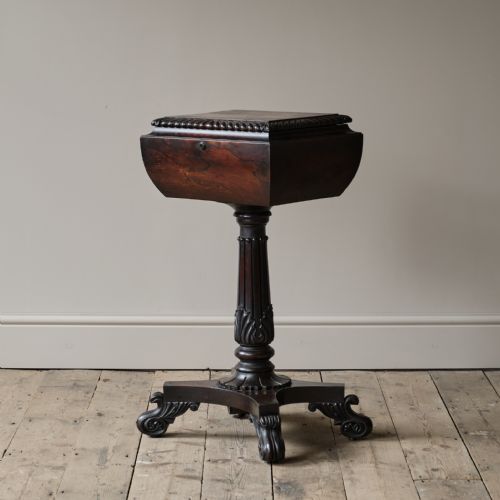
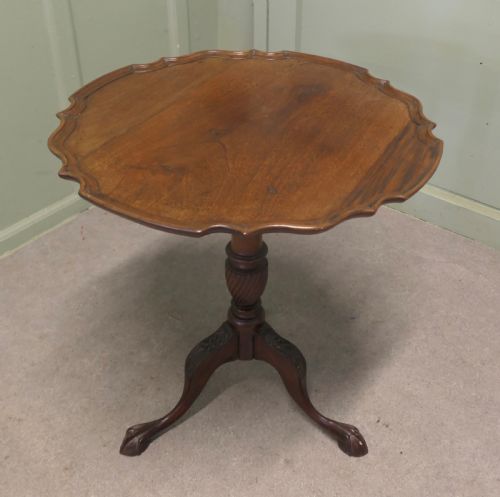
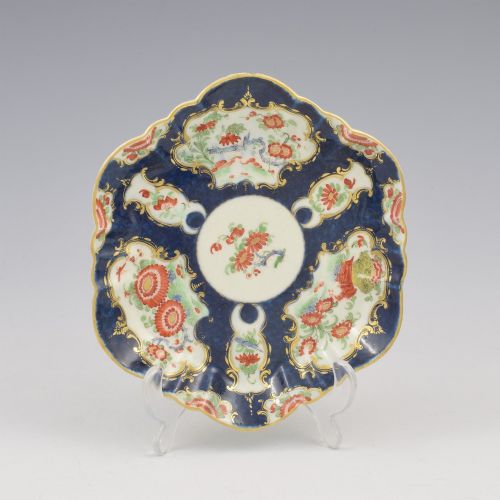
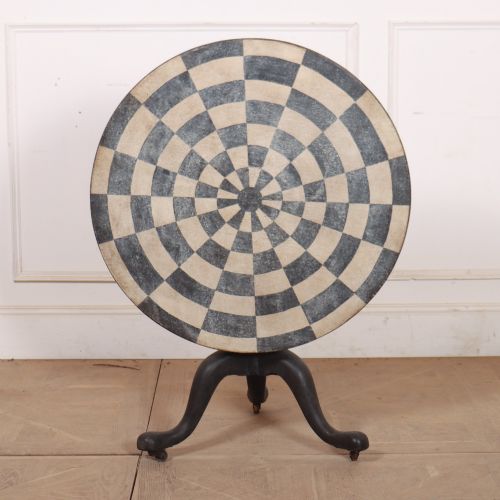
Georgian Tea Stand
A georgian tea stand gathers the refined social rituals of the tea table into a compact, dedicated piece of furniture.
Georgian Tea Stand
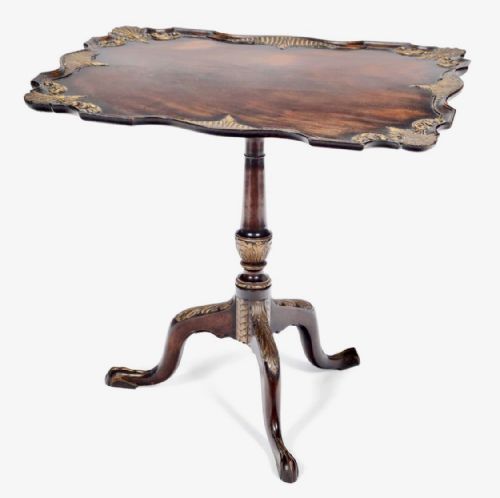
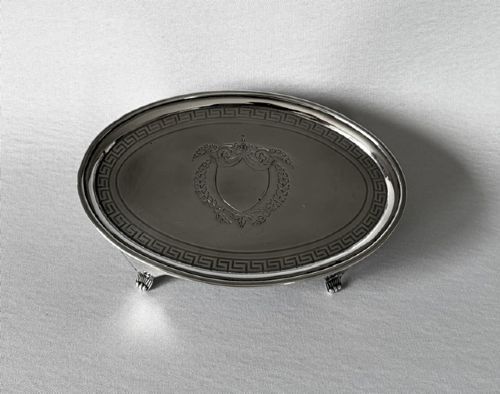
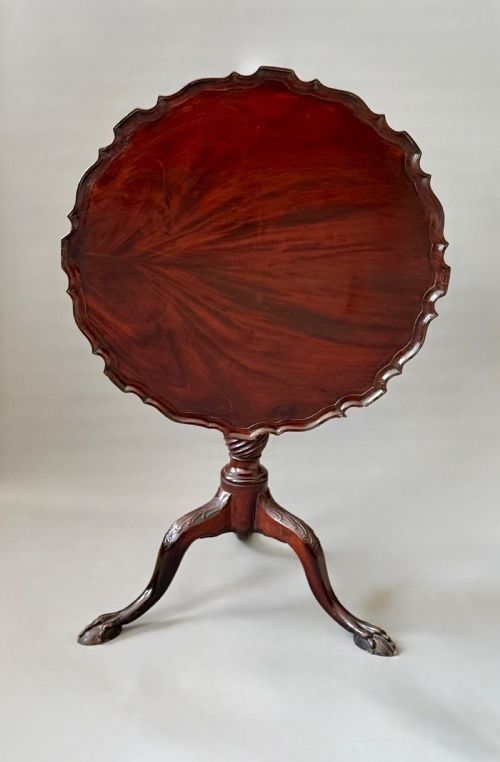
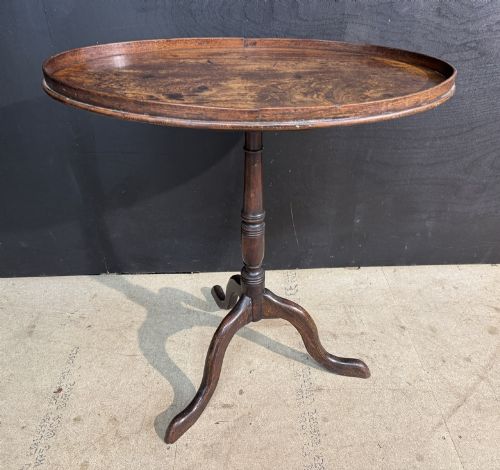
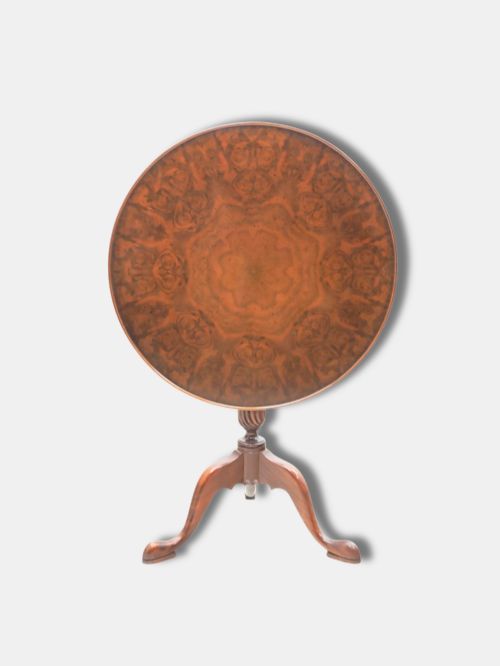
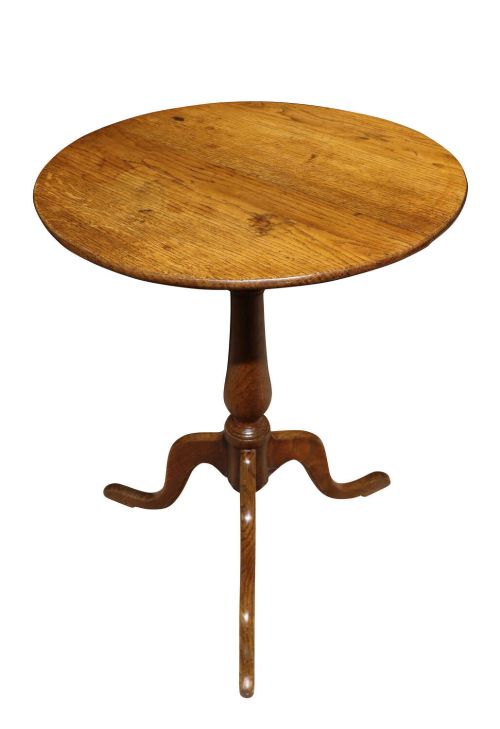
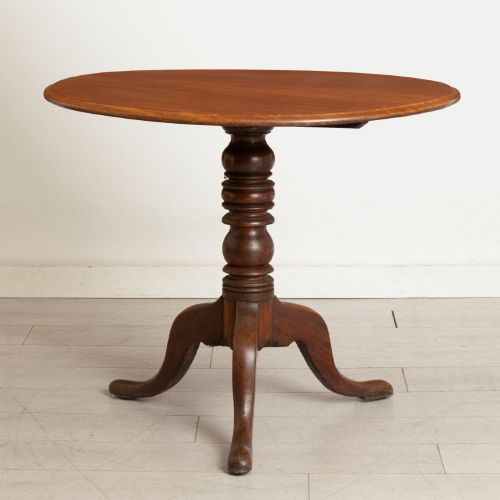
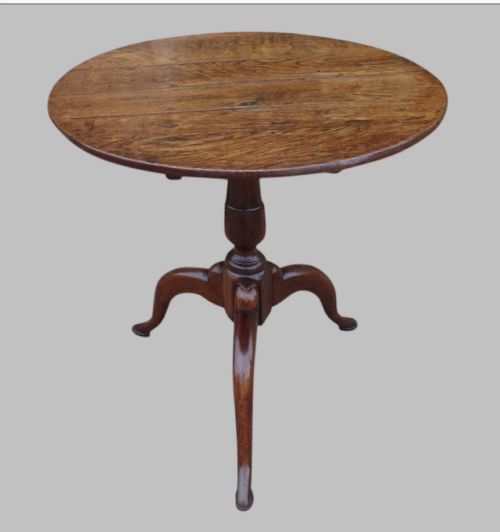
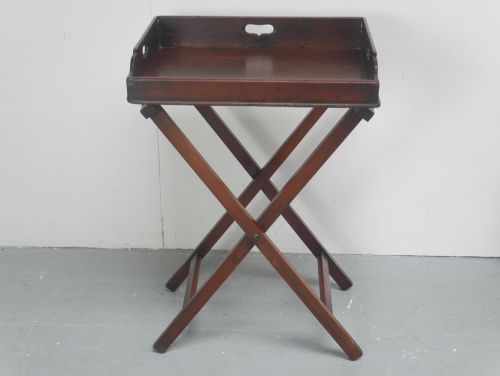
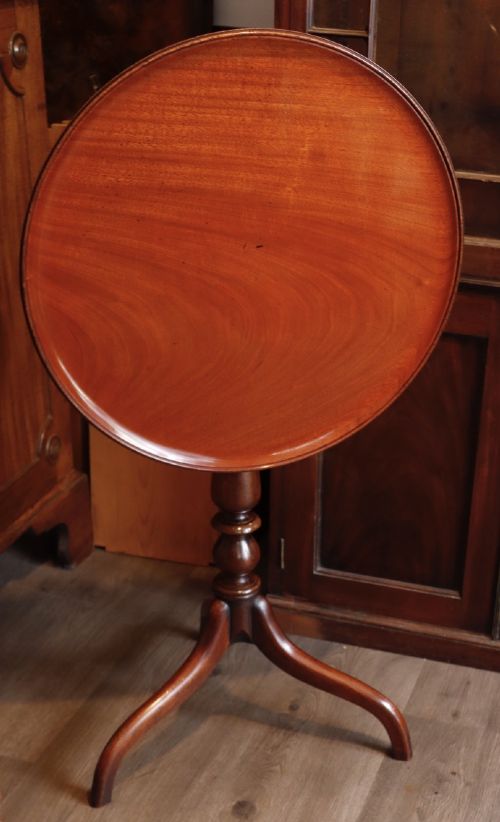
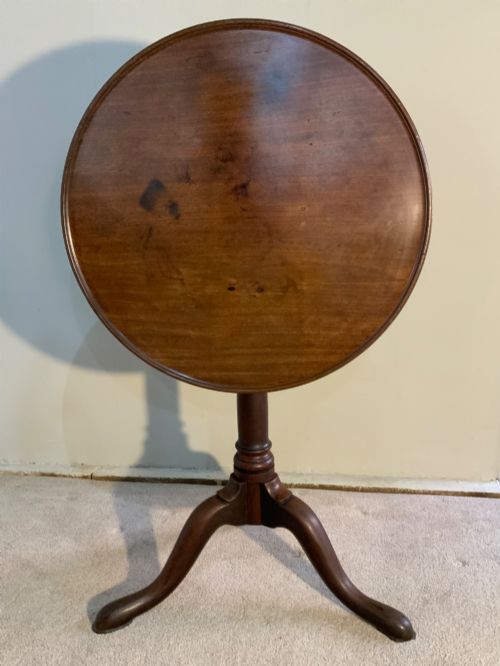
A georgian tea stand covers a diverse group of domestic furnishings designed to hold porcelain pots, kettles, and silver vessels during tea service. The most frequent form met on this page is the wooden tripod table featuring a tilting top, alongside silver and porcelain trays designed to protect polished timber surfaces.
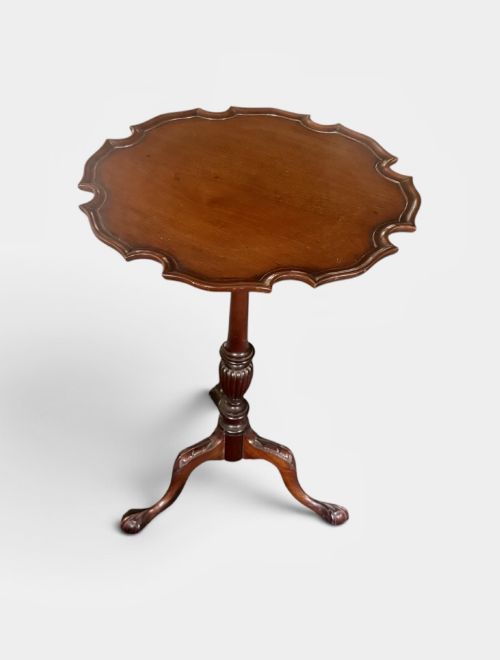
Examples originate predominantly from the eighteenth and nineteenth centuries, spanning George II, George III, and Regency periods, with occasional later revivals. Pieces range from small occasional tables with pie crust edges to specialised silver stands on bracket feet and distinct box forms such as teapoys.
Materials and Techniques
Cabinetmakers relied heavily on dense timbers such as mahogany, oak, walnut, and fruitwood to construct stable tripod bases and solid tops. Many tables incorporate a birdcage mechanism or a snap top action, allowing the surface to tilt vertically when not in use.
Metalwork and ceramics form a distinct segment of the material record, utilising sterling silver, Sheffield plate, pewter, and porcelain. Silver stands often display crisp hallmarks, bright-cut engraving, and raised rims, while wooden variants employ carved tripod legs terminating in pad or claw and ball feet.
Listings feature woods including mahogany, oak, walnut, and fruitwood alongside sterling silver and porcelain.
Craftsmanship and Proportion
Quality rests in the crispness of the carving, the selection of timber veneers like burr walnut or figured mahogany, and the structural integrity of joints and tilting mechanisms. Superior examples exhibit balanced proportions, well-defined pie crust mouldings, and original brass hardware without excessive restoration.
Silver and porcelain specimens are distinguished by the clarity of maker marks, such as those by recognised silversmiths, alongside the precision of hand-painted ceramic glazes and structural weight. Lesser examples show replacement parts, heavy wear to turning, or poorly fitted top mechanisms.
Alice And George Burrows·Peter And Ann Bateman·Robert Hennell·Henry Chawner·Hester Bateman
The Georgian Tea Stand Glossary
- Tripod table
- A small freestanding table supported by a central pillar and three legs. These versatile tables often featured tilting tops for easy storage against a wall.
- Tilt top action
- A mechanical hinge system beneath the table surface allowing the top to pivot upright. This allowed owners to tuck the furniture away when tea service concluded.
- Birdcage
- A wooden box frame situated beneath a table top that permits both rotation and tilting. It represents a more complex piece of joinery found on higher-status examples.
- Pie crust rim
- A decorative, raised edge carved into the perimeter of a wooden table top with undulating curves. The design prevented rolling objects from sliding off during use.
- Teapoy
- A small box or chest on a stand used for storing tea leaves and sugar. They frequently incorporated internal compartments and mixing bowls.
Georgian Tea Stand: Frequently Asked Questions
What is a georgian tea stand?
A georgian tea stand is a specialised furniture piece or small tray created during the eighteenth and early nineteenth centuries to support hot water kettles, teapots, and cups.
These items encompass wooden tripod tables with tilting surfaces, ceramic bases, and solid silver trays designed to elevate vessels safely above polished wood tabletops.
How were tripod tables used?
Tripod tables served as movable stands that could be positioned beside seating areas to hold tea equipment during social gatherings.
When tea was finished, the tilting mechanism allowed the top to swing vertical so the stand occupied minimal floor space against the parlour wall.
How do you date a georgian tea stand?
Dating relies on examining the timber species, leg profiles, joinery methods, and any associated hallmarks or ceramic factory marks.
Early pieces often feature cabriole legs and pad feet, while later Regency examples lean towards pillar-and-platform bases with brass paw mounts.
Are silver tea stands marked?
Sterling silver examples typically bear clear hallmarks stamped directly into the metal indicating the maker, assay office, and year of production.
Notable silversmiths such as Hester Bateman and Peter and Ann Bateman stamped their initials on the underside or rim of these trays.